














ロンドン ウォレス・コレクション ― 消滅直前の幸福が保存された空間
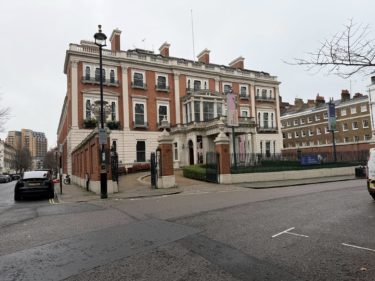
サムライ展の見学ができなかったので、最後に来たかったこちらの美術館に移動。ロンドン中心部、オックスフォード・ストリートのすぐ北に、時間の流れが静かに止まった場所があります。ウォレス・コレクション。入場料も無料です。
大英博物館のような壮大さも、ナショナル・ギャラリーのような体系性もありません。しかしここには、それらとはまったく異なる種類の豊かさがあります。
もともとはハートフォード侯爵家の邸宅であり、国家のためではなく、ひとりの人間の美意識のために集められたコレクションです。そのため、この空間にはどこか私的な温度が残っています。美術館というより、18世紀の貴族の精神そのものに足を踏み入れたような感覚です。
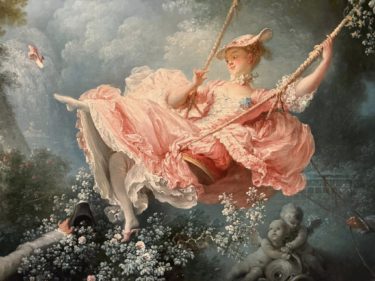
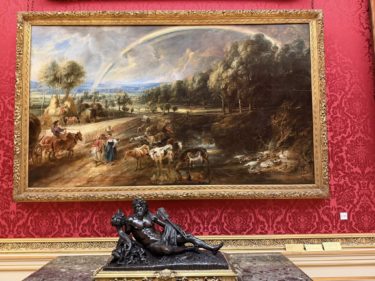
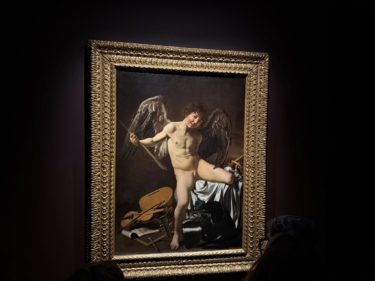
ルーベンスやカラバッジョなどの絵も目を見張りますが、この美術館の中心にあるのが、フラゴナールの《ぶらんこ》です。淡いピンクのドレスをまとった女性が、空中に浮かび、重力から解放されたかのように揺れています。布の軽さ、光の柔らかさ、そして一瞬の永遠。この絵を見ていると、時間というものが本当に存在するのか疑わしくなってきます。
人間の脳は、生存のためだけでなく、美を感じるためにも設計されています。合理性とは無関係に、美しいものを見たとき、私たちは安らぎを感じます。それは文化ではなく、生理現象です。呼吸が整い、緊張が解け、世界が少しだけ優しく見えます。
しかし、この絵が描かれたのはフランス革命の直前です。この優雅な世界は、その後すぐに消滅します。つまりこれは、消えゆくことが運命づけられた世界の、最後の幸福の記録なのです。
老化がそうであるように、文明もまた、静かに変化していきます。変化の最中にいるとき、人はそれに気づきません。しかし振り返ったとき、あの瞬間が頂点だったのだと理解します。
ウォレス・コレクションを歩いていると、奇妙な安心感に包まれます。ここでは、時間は進歩していません。完成されたまま、保存されています。
進歩とは、必ずしも幸福を意味しない。この美術館は、それを静かに教えてくれます。人間の文明の本当の目的は、生き延びることではなく、美しい瞬間を保存することなのかもしれません。


London – The Wallace Collection: A Space Where Happiness on the Brink of Disappearance Is Preserved
Since I was unable to see the Samurai exhibition, I made my way to the museum I had wanted to visit before leaving London. Just north of Oxford Street, in the heart of the city, there is a place where the flow of time seems to have quietly stopped: the Wallace Collection. Admission is free.
It does not possess the grandeur of the British Museum, nor the systematic scope of the National Gallery. Yet it holds a completely different kind of richness.
Originally the townhouse of the Marquesses of Hertford, the collection was assembled not for the nation, but for the aesthetic sensibility of a single individual. As a result, the space retains a certain private warmth. It feels less like a public museum and more like stepping directly into the mind of an 18th-century aristocrat.
The paintings by masters such as Peter Paul Rubens and Caravaggio are breathtaking. But at the heart of this museum lies Jean-Honore Fragonard’s The Swing. A woman in a pale pink dress floats in midair, swaying as if freed from gravity itself. The lightness of the fabric, the softness of the light, and the eternity captured in a single fleeting moment—when you stand before this painting, you begin to question whether time truly exists.
The human brain is designed not only for survival, but also for the perception of beauty. When we encounter something beautiful, we feel calm—independent of logic or utility. It is not merely cultural; it is physiological. Our breathing steadies, tension dissolves, and the world appears slightly kinder.
Yet this painting was created on the eve of the French Revolution. This elegant world would soon vanish. In that sense, the work is a record of the final happiness of a world destined to disappear.
Just as aging transforms the individual, civilization too changes quietly. When we are in the midst of change, we rarely notice it. Only in retrospect do we realize that a certain moment was the peak.
Walking through the Wallace Collection, one is enveloped in a curious sense of reassurance. Here, time has not progressed. It has been preserved in a state of completion.
Progress does not necessarily mean happiness. This museum teaches that lesson quietly. Perhaps the true purpose of human civilization is not merely to survive, but to preserve beautiful moments.