












TakahiroFujimoto.com

HOME MAIL
HOME PROFILE BOOKS MUSIC PAPERS CONFERENCES BLOG MAIL CLOSE

BLOG 藤本幸弘オフィシャルブログ

カテゴリー:医療

医系技官に必要なもの

日本の保険医療が疲弊する、本当の理由

「1時間40分待たされて、診察は2分だった」

患者さんから見れば、腹が立つのも無理はありません。

しかし医師は、その1時間40分を休憩していたわけではない。

別の患者さんを診察し、検査結果を読み、処方を決め、説明をし、カルテを書き続けています。

医療者側から見れば、1時間40分、ほぼ休みなく診療し続けた末の「2分」なのです。

欧州のプライベート医療では、医師の診察だけで100ユーロ前後、日本円で約2万円かかることもあります。

医師の時間、知識、判断、そして結果に対する責任に対価が支払われる。

ところが日本では、安く、早く、いつでも診てもらえることが当然になりました。

その結果、患者さんは長く待ち、医師は一人ひとりを短時間で診ざるを得なくなる。

そして、この制度を設計する側にも問題があります。

かつて厚生労働省の医系技官採用には、若いうちに入省することを前提とするような運用がありました。

現在は、医師免許取得後の経験年数や年齢による応募制限はありません。

臨床経験を積んだ医師の中途採用も可能です。

これは以前より改善された点でしょう。

しかし、厚労省は現在も「医系技官として多彩な行政経験を積むため、早期の入省をおすすめする」と明記しています。

実際、初期臨床研修を終え、専門研修を始めたばかりの医師が、医師4年目前後で入省する例も紹介されています。

現在の専門医制度では、多くの診療科で初期研修修了後、さらに数年間の専門研修が必要です。

つまり早期に厚労省へ入れば、一人の主治医として患者を継続的に診療し、治療の結果や合併症まで背負う経験を十分に積まないまま、行政官としてのキャリアへ進む可能性があります。

もちろん、医師免許を持っていれば政策を作れるわけではありません。法律、予算、統計、国会対応、各団体との調整には、行政官としての高度な専門性が必要です。

しかし逆もまた真です。

医師免許を持っているだけでは、医療現場を知っていることにはならない。

深夜の救急外来を経験したか。

患者家族への厳しい説明をしたか。

治療がうまくいかなかった夜を知っているか。

診療報酬改定によって、病院や診療所の経営がどう揺れるかを体感したか。

スタッフを雇用し、医療事故の責任を負いながら、毎日患者を診たことがあるか。

そうした経験は、統計表の数字からは見えません。

厚労省が掲げる医系技官の仕事は、地域医療構想、医師の働き方改革、医療安全、医師偏在対策、診療体制の整備など、まさに現場そのものに関わります。

それならば必要なのは、単に医師免許を持つ行政官ではない。

十分な臨床経験を持ち、そのうえで行政を学んだ医師です。

若くして行政に入る道を否定する必要はありません。

ただし、政策を作る医系技官には、一定期間の臨床復帰や病院・診療所への出向を制度化する。

逆に、専門医や指導医として現場を経験した医師が、年齢や処遇で不利にならず行政へ移れる道を太くする。

行政と臨床を、行き来できる制度にすべきなのだと思います。

「1時間40分待って、診察は2分」

この言葉は、病院だけへの苦情ではありません。

現場を知らずに作られた制度と、制度の限界を知らずに医療へ無限のサービスを求める社会。

その双方が生み出した、日本の保険医療の縮図なのです。

Screenshot

Why Japan’s Public Healthcare System Is Under Strain

“I waited one hour and forty minutes, only to see the doctor for two.”

From a patient’s perspective, that frustration is entirely understandable.

But during those one hour and forty minutes, the physician was not taking a break. They were seeing other patients, reviewing test results, making treatment decisions, explaining diagnoses, and documenting every consultation. From the doctor’s perspective, those one hour and forty minutes were spent working almost without interruption—and the “two-minute consultation” came only after that continuous effort.

In many private healthcare systems across Europe, a physician’s consultation alone may cost around €100—or roughly ¥20,000. Patients pay not only for the doctor’s time, but also for their knowledge, clinical judgment, and the responsibility they bear for the outcome.

In Japan, however, people have come to regard inexpensive, rapid, and virtually unlimited access to medical care as a given. The inevitable result is that patients wait longer, while physicians are forced to spend less time with each individual.

Yet the problem extends beyond the consulting room.

It also lies in the way the system itself is designed.

For many years, physicians entering Japan’s Ministry of Health, Labour and Welfare (MHLW) as medical officers were, in practice, expected to join relatively early in their careers. Today, formal restrictions based on age or years of clinical experience have been removed, making it possible for experienced physicians to enter government service mid-career. That represents a welcome improvement.

Even so, the Ministry continues to state that it recommends early entry so that medical officers can gain a broad range of administrative experience. Indeed, official recruitment materials introduce examples of physicians joining the Ministry only a few years after obtaining their medical license, shortly after completing their initial residency and beginning specialty training.

Under Japan’s current specialist training system, physicians in most fields require several additional years of postgraduate training before becoming fully qualified specialists. A doctor who enters government service early may therefore move into policymaking before having accumulated sufficient experience as a primary physician—following patients over time, managing complications, and taking responsibility for the outcomes of treatment.

Of course, holding a medical license alone does not qualify someone to design healthcare policy. Drafting legislation, managing budgets, interpreting statistics, responding to parliament, and coordinating with professional organizations all require highly specialized administrative expertise.

But the reverse is equally true.

Simply holding a medical license does not necessarily mean one truly understands frontline medicine.

Have you worked overnight in a busy emergency department? Have you delivered devastating news to anxious families? Have you experienced the sleepless nights that follow an unsuccessful treatment? Have you witnessed firsthand how revisions to the reimbursement system affect the financial stability of hospitals and private clinics? Have you hired staff, managed a medical practice, and accepted responsibility for both patient care and medical errors?

These realities cannot be captured in statistical reports.

The responsibilities of medical officers at the MHLW include regional healthcare planning, physician workforce reform, patient safety, addressing physician shortages and geographic maldistribution, and strengthening healthcare delivery systems. In other words, they are shaping policies that directly affect everyday clinical practice.

What Japan needs, therefore, is not simply administrators who happen to possess medical licenses.

It needs physicians with substantial clinical experience who then acquire expertise in public administration.

There is no reason to discourage young physicians from entering government service. At the same time, policymakers with medical backgrounds could benefit from periodic returns to clinical practice or structured secondments to hospitals and clinics. Likewise, experienced specialists and senior clinicians should be able to transition into government without being disadvantaged by age or career stage.

The ideal system is one in which clinicians and policymakers can move back and forth between medicine and government throughout their careers.

“I waited one hour and forty minutes, only to see the doctor for two.”

That sentence is not merely a complaint about hospitals.

It reflects two realities at once: a healthcare system shaped by policies that may become increasingly disconnected from frontline practice, and a society that often expects unlimited medical services without fully recognizing the constraints of the system.

Together, they form a revealing portrait of the challenges facing Japan’s public healthcare system today.


正解を覚える教育から、判断を育てる教育へ

赤信号で立ち止まる日本人

ニューヨークを歩いていると、赤信号でも車が来ていなければ、さっと道路を渡る人が少なくありません。

もちろん、交通ルールを無視することを勧めたいわけではありません。

ただ、日本との違いを感じるのです。

日本では、

車が一台も通っていない。

左右を見渡しても危険がない。

それでも赤信号であれば、多くの人はじっと待っています。

ニューヨークでは、自分で左右を確認し、安全だと判断すれば渡る。日本では、信号が青になるまで判断を保留する。この違いは、単なる交通マナーの差だけではないように思います。

そこには、自己責任という考え方の強さが表れています。

自分で状況を確認し、自分で決め、その結果も自分で引き受ける。

一方、日本では、ルールに従っていれば責任を問われにくい。

「赤信号だったから止まりました」

「決まり通りにしました」

「指示された通りに行動しました」

そう言えば、自分で判断した理由を説明しなくても済みます。

本来、信号は安全を守るための道具です。

ところが、信号に従うこと自体が目的になると、ルールが人間の判断を代行し始めます。

大切なのは、渡るか、渡らないかではありません。

その人が、自分で周囲を確認したうえで待っているのか。

それとも、赤だから思考を止めているのか。

外から見れば同じように立ち止まっています。

しかし、頭の中ではまったく違うのです。

この光景を見ていると、日本の教育を思い出します。

日本の学校では、先生が説明し、教科書に書かれたことを覚え、試験では正解を再現することが求められます。

より速く、より正確に答えを出す人が優秀とされる。

もちろん、基礎知識は必要です。

しかし、知識を覚えることは教育の入口であって、最終目的ではありません。

「なぜ、そうなるのか」

「本当に正しいのか」

「条件が変われば、答えも変わるのではないか」

こうした疑問を持つことこそ、本来の学びの出発点です。

ところが実際には、

疑問を口にすると授業が進まなくなる。

試験にも出ない。

場合によっては、扱いにくい生徒と思われてしまいます。

その結果、子供たちは学びます。

疑問を持つより、正解を覚えた方が安全である。

自分の意見を述べるより、先生の期待する答えを言った方が評価される。

考えることより、間違えないことの方が大切である。

こうして失われたのは、知識ではありません。

「判断する力」です。

判断とは、正解が用意されていない状況で決めることです。

情報が不完全でも、複数の選択肢を比較し、自分なりの根拠を持って一つを選ぶ。

そして、その結果を引き受ける。

まさに自己責任です。

この傾向は、医療にも表れています。

日本の国民皆保険制度は、世界に誇るべき仕組みです。

誰もが比較的少ない自己負担で医療を受けられる。

この制度が多くの命を救ってきたことは間違いありません。

しかし、その一方で、健康管理の主体まで医師に預けてしまった面があります。

具合が悪くなれば病院に行く。

薬は医師が決める。

検査結果の意味も医師に聞く。

食事や運動を変えるのも、医師に言われてから考える。

本来、医師の役割は、患者に代わってすべてを決めることではありません。

医学的な情報と選択肢を提示し、本人の判断を支えることです。

どの治療を受けるのか。

どの程度のリスクを受け入れるのか。

生活習慣をどう変えるのか。最後に自分の身体について決めるのは、本人です。

教育が正解を教師に預けさせ、医療が健康を医師に預けさせてきた。

どちらにも共通しているのは、自分で考え、自分で選び、その結果を引き受ける機会が少なくなってしまったことです。

日本の高度経済成長期には、この仕組みがよく機能しまた。

決められた工程を守る。

上司の指示に従う。

組織の中で協調する。

同じ品質の製品を大量に作る。

そこでは、独自の疑問を挟む人より、決められた仕事を確実に実行する人が求められました。

しかし、時代は変わりました。

前例のない問題が次々に起こり、昨日までの正解が今日には通用しなくなる。

さらにAIが登場し、知識を記憶し、正解らしい文章を作る仕事まで、人間より速く処理するようになりました。

この時代に、正解を覚える力だけを競っても、機械には勝てません。

むしろ危険なのは、先生や教科書に預けていた判断を、今度はAIに預けてしまうことです。

何でもAIに質問し、その答えをそのまま受け入れる。

これでは、判断の依存先が変わっただけです。

重要なのは、AIに答えを出させることではありません。

AIの答えを疑う。

複数の情報を比較する。

自分の状況に当てはめる。

そして最後は、自分で決める。

これからの教育で育てるべきなのは、最初から間違えない人ではありません。

間違えながら、よりよい判断に近づける人です。

答えが一つしかない問題だけでなく、複数の答えが成立する問いを扱う。

結論だけでなく、そこに至る思考を評価する。

教師と違う意見でも、根拠があれば認める。

教師も、すべての答えを知っている必要はありません。

「先生にも分からない。一緒に考えてみよう」

そう言える教師の方が、これからの時代には優秀なのかもしれません。

教育を変えるとは、タブレットを配ることでも、授業にAIを導入することでもありません。

子供たちに、判断する権利を返すことです。

自分で問い、自分で選び、自分の言葉で説明し、その結果を引き受ける。

それが自由であり、同時に自己責任です。

教育が育てるべきなのは、赤信号を無視する人ではありません。

信号がなくても、周囲の安全を確認し、自分の判断と責任で行動できる人です。

正解を覚える教育から、判断を育てる教育へ。

日本人がもう一度、自分の頭で考えるためには、まずそこから始めなければならないのだと思います。

Waiting for the Green Light

One of the smallest differences between Japan and New York may also reveal one of the largest.

Walk through Manhattan and you’ll notice that many pedestrians cross the street even when the signal is red—provided no cars are coming. This is hardly an endorsement of ignoring traffic laws. Rather, it reflects a different habit of decision-making.

In Japan, the scene is often quite different.

The road may be completely empty. Visibility is perfect. There is no immediate danger. Yet many people will continue to wait patiently until the light turns green.

The physical action is simple.

The underlying mindset is not.

In New York, many people make their own assessment. They look both ways, judge the situation, and decide whether it is safe to cross.

In Japan, the decision is often deferred to the signal itself.

The issue is not whether one crosses or waits.

It is whether the decision belongs to the individual or to the rule.

Rules exist to support good judgment, not to replace it.

Once obedience becomes the objective rather than safety, something subtle begins to happen: the rule starts doing the thinking for us.

Two people may be standing at the same red light.

One has carefully assessed the surroundings and chooses to wait anyway.

The other has simply stopped thinking because the signal says “don’t walk.”

From the outside, their behavior is identical.

Internally, they are exercising entirely different kinds of judgment.

Watching this unfold, I often think about education.

For generations, Japanese schools have excelled at transmitting knowledge. Teachers explain, textbooks define, and examinations reward students who reproduce the correct answer with speed and accuracy.

That system has undeniable strengths.

No one can think critically without first acquiring knowledge.

But memorization is the beginning of education—not its destination.

Real learning starts with different questions.

Why is this true?

Would the conclusion change under different conditions?

Could there be another interpretation?

Unfortunately, these questions often fit poorly into classrooms built around efficiency. They slow the lesson. They rarely appear on standardized tests. Sometimes they even make a student seem difficult rather than curious.

Children quickly absorb the hidden curriculum.

It is safer to remember than to question.

It is more rewarding to anticipate the teacher’s answer than to develop one’s own.

Avoiding mistakes becomes more important than exploring uncertainty.

What gradually disappears is not knowledge.

It is judgment.

Judgment begins where certainty ends.

It means weighing incomplete information, comparing competing possibilities, making a choice without guaranteed certainty, and accepting responsibility for the consequences.

That ability may become one of the defining human skills of the AI era.

The same pattern can be seen in medicine.

Japan’s universal healthcare system is rightly admired around the world. It has improved access to care, reduced financial barriers, and undoubtedly saved countless lives.

Yet it has also encouraged many people to outsource responsibility for their own health.

When symptoms appear, they visit the doctor.

The physician chooses the medication.

The physician explains the test results.

Even decisions about diet or exercise are often postponed until a doctor recommends them.

But medicine was never meant to relieve patients of the responsibility to make decisions.

Its purpose is to provide knowledge, clarify risks, and support informed choices.

Ultimately, only one person lives with the consequences of those choices.

The patient.

Education and medicine have both achieved remarkable things.

Yet both can unintentionally encourage dependence when they become systems that answer every question instead of helping people learn how to ask better ones.

This model served Japan remarkably well during its decades of rapid economic growth.

Factories depended on consistency.

Organizations rewarded reliability.

Following established procedures produced extraordinary results.

The economy needed people who could execute proven systems with precision.

Today’s world asks something different.

Problems emerge without precedent.

Yesterday’s solutions quickly become obsolete.

And now artificial intelligence can retrieve information, summarize knowledge, and produce convincing answers faster than any human.

Competing with machines on memorization alone is a contest we have already lost.

The greater danger is that we simply replace one authority with another.

Yesterday, we deferred our judgment to teachers and textbooks.

Tomorrow, we may defer it to AI.

If we ask every question, accept every answer, and stop thinking for ourselves, nothing fundamental has changed.

Only the source of authority has.

The real challenge is not learning to use AI.

It is learning to question it.

To compare multiple perspectives.

To test its conclusions against reality.

To apply them to our own circumstances.

And finally, to make our own decisions.

The goal of education, then, is not to produce people who never make mistakes.

It is to cultivate people who become better decision-makers because they have made mistakes, reflected on them, and learned from them.

That requires classrooms where more than one answer may be acceptable.

Where reasoning matters as much as conclusions.

Where disagreement is welcomed when it is supported by evidence.

It also requires teachers who are comfortable saying something that may become one of the most important educational phrases of the future:

“I don’t know. Let’s think it through together.”

Transforming education is not primarily about distributing tablets or introducing AI into every classroom.

It is about returning ownership of judgment to students.

Helping them ask their own questions.

Make their own choices.

Explain their own reasoning.

Accept responsibility for the consequences.

That is what freedom ultimately demands.

And it is what genuine education should cultivate.

The goal is not to raise people who ignore red lights.

It is to raise people who would still know how to cross the street safely even if there were no traffic lights at all.


白衣を着たAI医師

白衣を着た「AI医師」は、薬機法の抜け穴になるのか?

最近、WEBを見ていると、少し気になる広告が増えてきました。

健康食品や化粧品の動画広告に、白衣を着た「57歳の小児科医」や「48歳の眼科医」といった人物が登場し、商品の効果についてもっともらしく語っているのです。

僕も医師ですから、見ていると違和感があります。

「医師は普通、そんな言い方をしないだろう」

と。

医学的な説明というより、最初から商品を売るために作られたセリフなのです。

そして人物の表情や話し方を見ていると、おそらく実在する医師ではなく、AIで生成された人物や動画ではないかと思われるものもあります。

もちろん、個々の広告について確認したわけではありませんので、本当にAI生成なのかはわかりません。

しかし、もしも実在しない医師をAIで作り出し、その「架空の医師」に白衣を着せ、「私は医師ですが、この商品を勧めます」と語らせているのだとしたら、これはなかなか興味深い問題です。

なぜなら、そこで売られているのは商品だけではないからです。

「医師の信用」まで、AIによって人工的に作られている。

化粧品については、薬機法第66条で虚偽・誇大広告が規制されています。

医薬品的な効能をうたったり、実際以上の効果があるように見せたりすれば、当然問題になります。

健康食品の場合は少し複雑で、食品そのものが直ちに薬機法の対象になるわけではありません。

しかし、疾病の治療や予防を標榜すれば薬機法上の問題になり得ますし、健康増進法や景品表示法の規制対象になる可能性もあります。

ここまでは、従来からあった話です。

ところが生成AIの登場によって、広告はもう一段階先へ進んでしまいました。

これまでも「医師推奨」「専門家がおすすめ」といった広告表現はありました。しかしAIを使えば、医師そのものをゼロから作れてしまう。

年齢も選べる。
専門科も選べる。
白衣を着せることもできる。

そして、企業にとって都合のよい医学的なセリフを、24時間、何度でも語らせることができます。

ここには、少なくとも二つの問題があると思います。

一つは、商品の効能についての虚偽や誇張。

もう一つは、その効能を保証している「専門家の存在」そのものが虚偽かもしれないということです。

僕はこちらの方が、生成AI時代にはむしろ大きな問題になるのではないかと思っています。

医師免許というものは、単なる肩書ではありません。

医学部で学び、国家試験に合格し、臨床経験を積み、その発言に一定の責任を負う。その長いプロセスによって社会的な信用が形成されています。

ところがAIなら、その信用の「外見」だけを数分で作れてしまう。

白衣。
聴診器。
「○○科医」という肩書。
落ち着いた話し方。

それだけで、視聴者は無意識に「医学的に正しい情報なのだろう」と感じてしまいます。

だとすれば、問題は単なるAI動画ではありません。

医師という社会的信用を、広告装置として人工的に複製してよいのか。

これは薬機法だけでなく、景品表示法、健康増進法、さらにはAI広告そのものの表示ルールまで含めて、これから議論すべきテーマだと思います。

生成AIは素晴らしい技術です。

しかし、技術が進歩すると、規制との間には必ず時間差が生まれます。

「AIがしゃべっただけだから、誰も嘘をついていない」

もしもそんな理屈が通るとしたら、これほど便利な広告の抜け穴はありません。

僕はむしろ逆だと思います。

人間の医師が言えば問題になる表現なら、AI医師に言わせても同じように考えるべきでしょう。

そして、実在しない医師を実在するかのように見せて商品の信用を高める行為については、従来以上に厳しく見る必要があるのではないでしょうか。

AI時代に問われるのは、「誰が言ったか」だけではありません。

「その誰かは、本当に存在するのか」。

WEB広告を見ながら、そんな新しい時代に入ったのだなと思いました。

Are AI Doctors in White Coats Becoming a Loophole in Advertising Regulation?
Lately, I have been noticing a growing number of online advertisements that make me uneasy.

Video ads for dietary supplements and cosmetics increasingly feature people introduced as “a 57-year-old pediatrician” or “a 48-year-old ophthalmologist,” dressed in white coats and speaking confidently about the benefits of a product.

As a physician myself, something immediately feels off.

Doctors simply do not usually speak that way.

What they say sounds less like a medical explanation and more like a script written from the outset to sell a product. Judging by their expressions and manner of speaking, I also suspect that some of these “doctors” are not real people at all, but AI-generated characters appearing in AI-generated videos.

Of course, I have not investigated any particular advertisement, so I cannot say with certainty whether they are AI-generated.

But if companies are creating fictional physicians with generative AI, dressing them in white coats, and having them declare, “As a doctor, I recommend this product,” then we are facing a remarkably interesting problem.

Because what is being sold is not merely a product.

It is the credibility of physicians itself—artificially manufactured by AI.

In Japan, Article 66 of the Pharmaceuticals and Medical Devices Act prohibits false or misleading advertising for cosmetics. Claims that imply pharmaceutical efficacy or exaggerate a product’s effects can clearly violate the law.

Dietary supplements occupy a somewhat more complicated legal position. They are not automatically regulated under the Pharmaceuticals and Medical Devices Act simply because they are foods. However, if they claim to prevent or treat disease, they may fall within the scope of the Act. They may also be subject to the Health Promotion Act or the Act against Unjustifiable Premiums and Misleading Representations.

None of this is new.

What is new is that generative AI has moved advertising into entirely new territory.

Advertisements have long claimed that products are “doctor recommended” or “endorsed by experts.”

But now, AI can create the doctor from scratch.

You can choose the doctor’s age.

You can choose the medical specialty.

You can dress the doctor in a white coat.

And you can have that physician deliver precisely the medical script a company wants—twenty-four hours a day, as many times as necessary.

I think this raises at least two distinct concerns.

The first is whether the claims about the product itself are false or exaggerated.

The second is whether the very existence of the “expert” supposedly validating those claims is itself fictional.

In the age of generative AI, I suspect the latter may become the more profound problem.

A medical license is far more than a professional title.

It represents years of medical education, success in a national licensing examination, clinical experience, and a willingness to accept professional responsibility for one’s words and actions. Public trust is built through that long process.

AI, however, can reproduce only the appearance of that trust within minutes.

A white coat.

A stethoscope.

The title of “physician.”

A calm, reassuring voice.

For many viewers, those visual cues alone are enough to create the unconscious impression that the information must be medically reliable.

If that is the case, then the issue is not simply AI-generated video.

The real question is whether society should allow the social credibility attached to physicians to be artificially replicated as an advertising device.

That is a question that extends beyond the Pharmaceuticals and Medical Devices Act. It also touches the Act against Unjustifiable Premiums and Misleading Representations, the Health Promotion Act, and perhaps even future rules governing AI-generated advertising itself.

Generative AI is a remarkable technology.

But whenever technology advances, regulation inevitably lags behind.

“If an AI said it, then technically no human told the lie.”

If that argument were ever accepted, it would create one of the most convenient loopholes imaginable for advertisers.

I would argue the opposite.

If a statement would be considered inappropriate or misleading when made by a human physician, then it should be judged no differently simply because the speaker is an AI physician.

And if a nonexistent doctor is presented as though they were real in order to enhance the credibility of a product, perhaps that practice deserves even closer scrutiny than traditional forms of advertising.

In the age of AI, the question is no longer simply who said something.

It is whether that someone actually exists.

Watching these online advertisements, I cannot help feeling that we have entered an entirely new era.


見える医学から見えない医学へ

1990年代に医学を学んだ僕たちは、幸運な世代だったと思います。

CTやMRIは急速に普及し、超音波検査も進歩した。血液検査の項目は増え、人間ドックでは全身を「見える化」できるようになりました。

当時は、「これで人体はほとんど分かった」と、どこかで思っていました。

しかし、30年経った今、その考えは完全に覆されました。

人体は、僕たちが想像していたよりも、はるかに複雑だったのです。

盲腸(虫垂)や脾臓は役目がないと思われて腫れたら取っていましたが、実は免疫細胞の司令塔でした。

心臓は血液を送り出すポンプではありませんでした。

脂肪は余ったエネルギーの貯蔵庫でもありませんでした。

どちらも数多くの生理活性物質を分泌し、全身の臓器と絶えず会話をしている「内分泌臓器」だったのです。

さらに腸の中には100兆個を超える微生物が暮らし、その構成が免疫や代謝だけでなく、精神状態や行動にも影響する可能性が次々と報告されています。{PMID: 24694799}

そして脳です。

かつて感情は、「本人しか分からないもの」でした。

しかし現在では、機能的MRI(fMRI)によって、喜びや恐怖、共感、意思決定といった脳活動を、血流の変化として可視化できるようになりました。

見えなかったものが、少しずつ見えるようになってきたのです。

それでも、分かったことより、分からないことの方がはるかに多い。

だから僕は最近、「医学は見えるものを診る学問ではなく、見えないものを推測する学問なのではないか」と考えるようになりました。

患者さんの不安も、痛みも、希望も、そして細胞同士の膨大な情報交換も、その多くは直接見ることができません。

医師は、限られたデータから、その見えない世界を想像し、最も確からしい答えを探しているのです。

30年前、僕たちは「人体はだいぶ分かった」と思っていました。

2026年の今、僕が思うのはまったく逆です。

人体は、思っていたより、ずっと複雑だった。

だから医学は面白い。

そして、人間という存在には、まだまだ未知の世界が広がっているのです。

From Visible Medicine to Invisible Medicine

Those of us who studied medicine in the 1990s were fortunate.

CT and MRI rapidly became part of routine clinical practice. Ultrasound technology advanced dramatically. Blood testing expanded, and comprehensive health checkups made it possible to “visualize” nearly the entire body.

At the time, many of us quietly believed that we had come close to understanding the human body.

Thirty years later, that belief has been completely overturned.

The human body is far more complex than we ever imagined.

The appendix and the spleen were once considered dispensable organs—if they became inflamed, they were simply removed. Today we recognize them as important components of the immune system.

The heart is no longer viewed as merely a pump that circulates blood.

Body fat is no longer regarded as simply an energy storage depot.

Both are now understood to be endocrine organs, secreting numerous biologically active molecules and engaging in constant biochemical communication with virtually every organ in the body.

Even more remarkably, the human intestine is home to more than 100 trillion microorganisms. An increasing number of studies suggest that the composition of this gut microbiome influences not only immunity and metabolism but also mental health, behavior, and even cognition (PMID: 24694799).

And then there is the brain.

There was a time when emotions were thought to exist solely within an individual’s subjective experience.

Today, functional magnetic resonance imaging (fMRI) allows us to visualize neural activity associated with joy, fear, empathy, and decision-making by measuring changes in cerebral blood flow.

Things that were once invisible are gradually becoming visible.

Yet despite all we have learned, what remains unknown still vastly exceeds what we understand.

That is why I have recently begun to think that medicine is not simply the science of observing what is visible. Rather, it is the science of inferring what cannot be seen.

A patient’s anxiety, pain, and hope cannot be directly observed.

Neither can the immense network of communication constantly taking place among trillions of cells.

Using limited clinical data, physicians attempt to imagine this invisible world and identify the explanation that is most likely to be true.

Thirty years ago, we believed we had come to understand much of the human body.

In 2026, I believe the exact opposite.

The human body is far more intricate than we ever imagined.

That is precisely what makes medicine so fascinating.

And it reminds us that the greatest mysteries of being human are still waiting to be discovered.


希望を売る医療と希望を育てる医療

海外の学会へ行くと、がん治療のセッションはいつも満席です。

そこでは新しい抗体医薬や免疫療法、AI、遺伝子解析など最先端の研究が発表されます。しかし、議論の中心は「何が効いたか」ではありません。

「本当に効いたと言えるのか。」

その一点です。

一方、街の本屋へ行くと、「○○を食べればがんは消える」「奇跡の栄養療法」といった本が平積みされています。もし本当にそうなら、世界中の腫瘍内科医は明日からその治療を始めているでしょう。

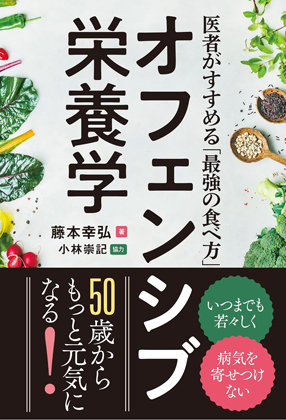
もちろん、僕は栄養学の本も書いていますし栄養の力を否定しているわけではありません。ただそれはあくまで抗酸化力を上げることでガンになりにくい身体を作る(ディフェンシブ栄養学)。または健康増進、つまり健康な人をより元気にするためです(オフェンシブ栄養学)。

適正体重を維持し、野菜や果物を十分に摂り、過度の飲酒を避ける。こうした生活習慣が、さまざまながんの発症リスクを下げることは、多くの疫学研究が示しています。{PMID: 29617715}

ただし、それは「がんになりにくくする医学」です。

定期的ながん検診なども「予防」として語られがちですが、厳密に言えば、あれは数ミリの小さながんを早期に見つけるためのもの。がんになりにくい体や生活習慣そのものを作っているわけではありません。

そして何より重要なのは、これらの「すでにできてしまったがんを治す医学」とは、まったく別の次元の話だということです。この違いを混同した瞬間、科学は心地よい物語になってしまいます。

病気になると、人は希望を探します。

だから手術を回避して「これだけで治る」という断言は、とても魅力的に響くのです。

しかし、命に関わる領域において、医療者は軽々しく断言をしてはいけないと僕は思っています。

「僕ならこう考えます。」

とは言えても、

「あなたもそうすべきです。」

とは簡単には言えません。

年齢も、病期も、体力も、そして人生の価値観も、一人ひとりまったく違うからです。だからこそ、医療者が提供すべきなのは、根拠のない確信ではなく、エビデンスに支えられた希望でなくてはなりません。

医学は進化中の学問であり、まだ完成していません。

だからこそ研究を続け、新しい可能性を探る価値があります。しかし、証明されていないことを、さも証明されたかのように語ってはいけない。それが、目の前の患者さんに対する最低限の誠実さだと僕は考えています。

予防や早期発見は、未来への投資です。

しかし治療医学は、今この瞬間の命を扱っています。

同じ医学という名の下にあっても、その重みはまったく違うのです。

がん医療の3つのレイヤー

第3層 治療(Treatment)
できてしまったがんを治す医学
手術
抗がん剤
放射線治療
免疫療法
分子標的薬
目的:命を救う

第2層 二次予防(Secondary Prevention)
がんを早期に見つける医学
人間ドック
がん検診
CT・MRI
内視鏡
腫瘍マーカー(一部)
目的:早く見つけて治療する

第1層 一次予防(Primary Prevention)
がんになりにくい身体をつくる医学
禁煙
適正体重
栄養
運動
睡眠
ワクチン(HPV・HBVなど)
目的:そもそも、がんを作らない

栄養が力を発揮するのは、主に「一次予防」。
できてしまったがんを治すのは「治療医学」。
この二つを混同すると、医学は誤解されてしまいます。

Medicine That Sells Hope, and Medicine That Cultivates Hope

Whenever I attend international medical conferences, the oncology sessions are always packed.

The latest advances are presented there—novel antibody therapies, immunotherapy, artificial intelligence, genomic analysis, and other cutting-edge research. Yet the central question is rarely, “What worked?”

It is always:

“Can we truly say that it worked?”

That single question defines modern cancer research.

By contrast, when you walk into a bookstore, you often find stacks of books claiming, “Eat this and cancer will disappear,” or “The miracle nutritional therapy.” If such claims were truly supported by evidence, oncologists around the world would begin using those treatments tomorrow.

Of course, I have written books on nutrition myself, and I certainly do not deny the power of nutrition. But its primary role is different.

Nutrition helps build a body that is less likely to develop cancer by enhancing antioxidant defenses—what I call defensive nutrition. It also promotes overall vitality, helping healthy people become even healthier—what I call offensive nutrition.

Maintaining a healthy body weight, eating plenty of fruits and vegetables, and avoiding excessive alcohol consumption have all been shown by numerous epidemiological studies to reduce the risk of developing various cancers (PMID: 29617715).

However, this is medicine that reduces the likelihood of developing cancer.

Cancer screening is also often described as “prevention,” but strictly speaking, it is not. Screening is designed to detect tiny cancers—often only a few millimeters in size—at an early stage. It does not create a body or lifestyle that is inherently resistant to cancer.

Most importantly, none of these approaches belong to the same category as medicine that treats cancer once it has already developed. The moment we confuse these fundamentally different concepts, science begins to turn into a comforting story rather than objective medicine.

When people become ill, they naturally search for hope.

That is why statements such as, “You can avoid surgery—this alone will cure your cancer,” can sound incredibly appealing.

Yet when lives are at stake, I believe physicians should never make such absolute promises.

I can say,

“This is how I would think about it.”

But I cannot easily say,

“This is what you should do.”

Every patient is different—their age, cancer stage, physical condition, and personal values all vary profoundly.

That is why healthcare professionals should offer not unfounded certainty, but hope supported by evidence.

Medicine is an evolving science. It is not yet complete.

That is precisely why research must continue and new possibilities should always be explored. But we must never present unproven ideas as though they have already been proven. To me, that is the minimum level of honesty we owe every patient sitting before us.

Prevention and early detection are investments in the future.

Treatment medicine, however, deals with a person’s life in the present moment.

Although both belong to the field of medicine, the weight they carry is fundamentally different.

The Three Layers of Cancer Care
Layer 3: Treatment

Medicine that treats cancer after it has developed

Surgery
Chemotherapy
Radiation therapy
Immunotherapy
Targeted therapy

Goal: Save lives.

Layer 2: Secondary Prevention

Medicine that detects cancer early

Comprehensive health examinations
Cancer screening programs
CT and MRI
Endoscopy
Tumor markers (selected indications)

Goal: Detect cancer early so that treatment can begin promptly.

Layer 1: Primary Prevention

Medicine that reduces the risk of developing cancer

Smoking cessation
Maintaining a healthy body weight
Good nutrition
Regular exercise
Adequate sleep
Vaccination (such as HPV and HBV)

Goal: Prevent cancer from developing in the first place.

Nutrition demonstrates its greatest strength primarily in primary prevention.

Treating cancer that has already developed belongs to therapeutic medicine.

When these two are confused, medicine itself becomes misunderstood.


カテゴリー