TakahiroFujimoto.com

HOME MAIL
HOME PROFILE BOOKS MUSIC PAPERS CONFERENCES BLOG MAIL CLOSE

BLOG 藤本幸弘オフィシャルブログ

カテゴリー:医療

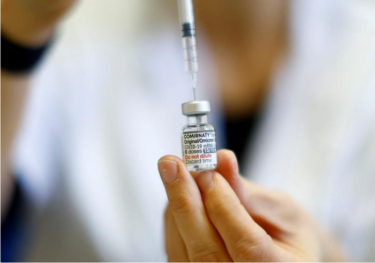
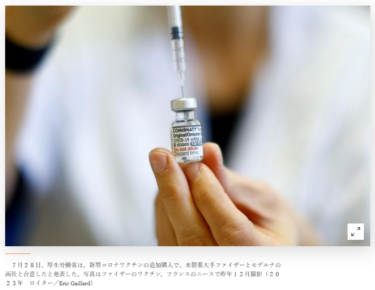
ワクチンの功罪

ワクチンの功罪について

良薬口に苦し。どんなによく効く薬にも必ず悪い作用はあります。

それはワクチンでも同じこと。

結局のところ、僕自身の考えはシンプルです。
致死率が高く、有効性が十分に証明されている感染症に対しては、ワクチンを積極的に検討すべきだと思っています。
一方で、すべてのワクチンを一律に同じ優先順位で考える必要はないでしょう。
年齢、基礎疾患、生活環境、そして将来どの国へ行く可能性があるのか。

その人の人生によって、必要なワクチンは変わってきます。

例えば、日本ではほとんど見かけない感染症でも、海外では今なお流行している地域があります。

これから世界を舞台に学び、働き、旅行する子どもたちにとっては、日本国内だけを基準に判断するのは十分とは言えないかもしれません。

そして何より大切なのは、最終的な判断は本人、あるいは保護者が行うべきだということです。

国は科学的根拠に基づいて推奨を示し、医療者は利益とリスクを説明する。

その上で、一人ひとりが納得して選択する。

僕は、その関係が本来あるべき姿だと思っています。

医学は、誰かに答えを押し付ける学問ではありません。

正しい情報を示し、患者さん自身が最善の選択をできるよう支えること。

それが、医療者の最も大切な役割なのではないでしょうか。

The Benefits and Risks of Vaccines

There is a saying: “Good medicine tastes bitter.” Even the most effective medicines come with potential side effects. Vaccines are no exception.

In the end, my own view is quite simple.

When it comes to infectious diseases with a high mortality rate and vaccines whose effectiveness has been well established, I believe vaccination should be seriously considered.

At the same time, I don’t think every vaccine needs to be given the same level of priority.

The vaccines a person may need depend on many factors, including age, underlying medical conditions, living environment, and even which countries they may visit or live in during the future.

In other words, the right vaccination strategy varies from person to person.

For example, some infectious diseases are now rarely seen in Japan, yet they continue to circulate in other parts of the world.

For children who will one day study, work, or travel internationally, making decisions based solely on the situation within Japan may not always be sufficient.

Most importantly, however, the final decision should belong to the individual—or, in the case of children, to their parents or legal guardians.

Governments should provide recommendations based on the best available scientific evidence, while healthcare professionals should clearly explain both the benefits and the potential risks.

With that information, each person can make an informed decision that aligns with their own circumstances and values.

To me, that is how the relationship between medicine and patients should work.

Medicine is not about imposing answers on people.

Its purpose is to provide accurate information and support patients in making the best decisions for themselves.

Perhaps that is the most important responsibility of all healthcare professionals.


ロボットが執刀する日

ニューヨークのホテルで朝のニュースを眺めていたら、「Robot Doctors Scrub In」という文字が目に飛び込んできました。

思わずコーヒーを置いてテレビに見入ってしまいました。

紹介されていたのは、カリフォルニア大学サンディエゴ校(UC San Diego)の研究チーム。人型ロボットが腹腔鏡手術を行うという、少し前までSF映画の中だけの話だった世界です。

もちろん、「AIが勝手に患者さんを手術する」という話ではありません。

外科医が遠隔から操作し、人型ロボットが人間と同じように鉗子を持ち、助手と協力しながら胆嚢摘出術を成功させたというニュースです。しかも今回は、人間とロボットのチームだけでなく、2台のロボットだけで協調して手術を完了したという点が世界初でした。

ここで興味深いのは、「ダヴィンチの次世代機」ができた、という話ではないことです。

現在の手術支援ロボットは巨大で高価です。一方、この研究で使われた人型ロボット「Surgie」は、人間と同じ手足を持ち、既存の手術室でそのまま人間用の器械を扱えるよう設計されています。専用の手術室を新たに造る必要がありません。

これは医療にとって、とても大きな意味があります。

地方の病院。
離島。
災害現場。
戦場。
あるいは将来の宇宙基地。

こうした場所では、高価な専用ロボットよりも、人間と同じ環境で働けるロボットの方がはるかに現実的です。研究チームも、医療格差を縮める可能性に期待を寄せています。

美容医療に携わる僕自身、このニュースを見ながら自然と別のことを考えていました。

レーザー照射は、実は「職人技」である一方で、「一定速度」「一定距離」「一定角度」を維持できるほど結果が安定する世界でもあります。

もしロボットアームが人間の手ぶれを完全になくし、術者の意図どおりに数万ショットを正確に再現できるなら──。

レーザー治療や脱毛施術、フラクショナル照射、マイクロニードルRFなどは、外科手術以上にロボットとの相性が良いかもしれません。

医師がいなくなる未来ではありません。

医師の能力が拡張される未来です。

診断し、適応を決め、患者さんと対話し、合併症に対応するのは、これからも人間でしょう。

しかし、「手」を貸してくれる存在は、人間の助手だけではなくなるのかもしれません。

ニューヨークの朝のニュースを見ながら、そんなことを考えていました。

もしかすると10年後、「ロボットが手術室にいる」という光景はニュースではなく、当たり前の日常になっているのでしょ
うか。

The Day Robots Step Into the Operating Room

While watching the morning news from my hotel room in New York, one headline immediately caught my eye:

“Robot Doctors Scrub In.”

I instinctively set down my coffee and turned my full attention to the screen.

The report featured a research team from the University of California, San Diego (UC San Diego), where humanoid robots are now performing laparoscopic surgery—a concept that, until recently, belonged more to the realm of science fiction than reality.

Of course, this was not a story about AI independently operating on patients.

Instead, surgeons remotely controlled humanoid robots that held laparoscopic instruments just as a human surgeon would, collaborating with assistants to successfully perform a cholecystectomy (gallbladder removal). Even more remarkably, this study marked the world’s first successful procedure completed not only by a human-robot team, but also through the coordinated work of two robots operating together.

What makes this development particularly fascinating is that it is not simply the next generation of the da Vinci surgical robot.

Today’s surgical robots are enormous, highly specialized, and extremely expensive. By contrast, the humanoid robot used in this research—called Surgie—has human-like arms and hands, allowing it to use the same surgical instruments and operate in the same operating rooms designed for people. Hospitals do not need to build entirely new robotic surgical suites.

That difference could have profound implications for healthcare.

Rural hospitals.

Remote islands.

Disaster zones.

Battlefields.

Or perhaps one day, even lunar or Martian bases.

In places like these, a humanoid robot capable of working in the same environment as humans may prove far more practical than a dedicated, multimillion-dollar surgical system. The research team also hopes that this technology could help reduce disparities in access to advanced medical care.

As someone working in aesthetic medicine, the story naturally led me to think about another field.

Laser treatment is, in many ways, a craft that depends on experience and technique. Yet it is also a field where outcomes become more consistent when the operator maintains a constant speed, constant distance, and constant angle.

If a robotic arm could completely eliminate hand tremor and reproduce tens of thousands of laser shots with perfect precision exactly as intended by the physician…

Laser resurfacing, hair removal, fractional laser treatments, and microneedling radiofrequency procedures might ultimately be even better suited to robotic assistance than many surgical operations.

This is not a future in which physicians disappear.

It is a future in which physicians are augmented.

Doctors will continue to diagnose, determine indications, communicate with patients, and manage complications. Those responsibilities will remain fundamentally human.

But the “hands” that assist us may no longer belong only to human assistants.

As I watched the morning news in New York, I found myself wondering about that future.

Perhaps ten years from now, seeing a robot in the operating room will no longer make headlines—it will simply be part of everyday medicine.


科学は疑うことから始まる

先日、「医学や健康の常識は常に変化する」というテーマで講演をしました。

僕の医師免許は平成一桁時代でしたが、そのほんの一世代前。

昭和の医学常識には、今振り返ると驚くものが少なくありません。

「卵は一日一個までよ」。

今から考えれば、なんとも懐かしい言葉です。しかし当時は、それが家庭の知恵であり、学校の保健指導であり、医療者の説明でもありました。卵黄にはコレステロールが多い。コレステロールは動脈硬化によくない。だから卵は控えた方がよい。実にわかりやすい理屈です。

医学の常識というものは、たいていこの「わかりやすさ」から始まります。

けれども、生体はそれほど単純ではありません。食事で摂ったコレステロールが、そのまま血液中のコレステロールになるわけではない。肝臓での合成、遺伝的背景、糖代謝、体重、運動、食事全体の質。それらが絡み合って、ようやく一人の人間の血液データになるのです。

胃潰瘍は、ストレスの病気だと考えられていました。責任感が強い人、神経を使う人、几帳面な人が胃を悪くする。そう説明されることが多かったのです。もちろんストレスは無関係ではありません。しかし、ピロリ菌の発見によって、胃潰瘍や十二指腸潰瘍の多くは、性格の問題ではなく、感染症として治療できる病気へと大きく位置づけが変わりました。

傷の治し方もそうです。

子どものころ、転んで膝をすりむくと、まず消毒。しみる薬を塗って、乾かして、かさぶたを作る。かさぶたができれば治ってきた証拠だと思っていました。ところが現在では、傷は適切な湿潤環境で管理した方が治りやすいことがわかっています。乾かせばよい、消毒すればよい、という単純な話ではなくなりました。

赤ちゃんの寝かせ方も変わりました。

かつては、うつ伏せ寝の方がよいと考えられた時期がありました。よく眠る。吐き戻しにくい。頭の形がよくなる。そうした説明には、一見もっともらしい響きがありました。しかし現在では、乳幼児突然死症候群との関係から、原則として仰向け寝が推奨されています。

腰痛についても、昔は「とにかく安静」でした。

腰が痛いなら寝ていなさい。動くと悪くなる。これも感覚的にはよくわかります。痛みがある場所を休ませる。医学以前の直感としては、むしろ自然です。しかし現在では、急性腰痛の多くにおいて、必要以上の長期安静は回復を遅らせることがあると考えられています。もちろん、麻痺やしびれ、排尿排便障害、骨折、感染、腫瘍などを疑う場合は別です。しかし、すべての腰痛を寝かせて治す時代ではありません。

子どもの熱にアスピリンを使う。

風邪をひけば抗生物質を出す。

運動中は水を飲むな。

マーガリンはバターより健康的。

心筋梗塞の後は、とにかく長期間寝ていなければならない。

こうした言葉を並べると、昭和の保健室や部活動、家庭の台所、病院のベッドサイドが次々と浮かんできます。

しかし、ここで大切なのは、昔の医学を笑うことではありません。

当時の医師や研究者が怠けていたわけではないのです。その時代に手に入る知識、検査、統計、治療法の中で、最も合理的だと思われた説明が、当時の常識になりました。問題は、その常識があまりにわかりやすく、あまりに生活に根づいたために、後から修正されにくくなったことです。

医学は、宗教ではありません。

一度決まった教義を守り続けるものではなく、常に仮説を立て、検証し、間違っていれば直す学問です。昨日まで正しかったことが、明日には「一部の人には正しいが、全員には当てはまらない」と変わることがあります。あるいは、「短期的にはよいが、長期的には注意が必要」と修正されることもあります。

医学において一番危険なのは、古い知識そのものではありません。古い知識を、更新しなくなることです。

これは、医師にとっても、患者さんにとっても同じです。

「卵は悪い」も違う。

「卵はいくら食べてもよい」も違う。

「安静が一番」も違う。

「痛くても絶対に動け」も違う。

「抗生物質を飲めば安心」も違う。

「薬は全部悪い」も、また違う。

医学の答えは、多くの場合、極端な場所にはありません。

年齢、体質、既往歴、生活習慣、飲んでいる薬、遺伝的背景、仕事、睡眠、食事、運動。その人の背景によって、正解は変わります。だからこそ医療には、標準化と個別化の両方が必要なのです。

医学や健康の知識は、科学的な根拠を持って新しい知識にアップデートしていかなければなりません。

宗教は、信じることから始まります。

科学は、疑うことから始まります。

これは、どちらが上でどちらが下という話ではありません。人間にとって、信じる力は必要です。けれども医学においては、信じるだけでは足りないのです。

その治療は本当に効いているのか。

その生活習慣は、本当に健康に良いのか。

その常識は、誰に対して、どの条件で成り立つのか。

害はないのか。

別の解釈はないのか。

こうして疑い、測定し、比較し、検証する。その積み重ねによって、医学は少しずつ前に進んできました。

昭和の医学常識を振り返ることは、昔を否定するためではありません。

むしろ、私たち自身が今信じている健康常識も、未来から見れば修正されるかもしれない。その謙虚さを持つためです。

医学は論文の中だけで変わるのではありません。

台所で、保健室で、運動場で、病室で、そして一人ひとりの生活の中で、少しずつ変わっていきます。

だからこそ、私たちは学び続けなければなりません。

信じる前に、少し疑う。

断言する前に、確かめる。

流行に乗る前に、根拠を見る。

そして、昨日の自分の常識を、今日の知識で静かに更新していく。

それが、医学と上手につき合うための、最も大切な姿勢なのだと思います。

講演が終わったあと、何人かの方が声をかけてくださいました。

「卵の話、覚えています」
「部活で水を飲ませてもらえませんでした」
「傷は乾かすものだと思っていました」

その言葉を聞きながら、僕は改めて思いました。

医学は、専門家だけのものではありません。

一人ひとりの生活の中で、毎日試され、選び直されている知恵なのです。

昭和の常識を振り返ることは、過去への旅であると同時に、未来の医学を考える入口でもあるのだと思います。

Science Begins with Doubt

The other day, I gave a lecture on how medical and health “common sense” is constantly evolving.

I obtained my medical license in the early years of the Heisei era. Yet even just one generation before that, many widely accepted medical beliefs from the Showa era seem astonishing when viewed through today’s lens.

“Only one egg a day.”

Looking back, the phrase feels almost nostalgic. At the time, however, it was repeated everywhere—at home, in school health classes, and even by healthcare professionals. Egg yolks contain cholesterol. Cholesterol causes atherosclerosis. Therefore, eating too many eggs must be bad for your health.

It was a wonderfully simple explanation.

And that is often how medical “truths” begin—with ideas that are easy to understand.

The human body, however, is rarely that simple.

The cholesterol we eat does not simply become the cholesterol circulating in our blood. Liver synthesis, genetic factors, glucose metabolism, body weight, physical activity, and the overall quality of one’s diet all interact before they finally appear as a single cholesterol value on a blood test.

The same applies to stomach ulcers.

For many years, ulcers were considered diseases caused by stress. People who were conscientious, anxious, or perfectionistic were thought to be especially susceptible. Stress certainly plays a role, but the discovery of Helicobacter pylori fundamentally changed our understanding. Many gastric and duodenal ulcers came to be recognized not as problems of personality, but as infectious diseases that could be treated successfully.

Wound care has undergone a similar transformation.

When I was a child, scraping your knee meant one thing: disinfect it. Apply a stinging antiseptic, let the wound dry, and wait for a scab to form. We believed that a scab was proof the wound was healing.

Today, we know that many wounds heal more effectively when maintained in an appropriately moist environment. Healing is no longer viewed as simply a matter of drying out the wound or applying disinfectants.

Even the way babies sleep has changed.

There was once a time when sleeping face down was recommended. It seemed logical: babies slept longer, spit up less, and were thought to develop better head shapes.

Today, however, because of the association with sudden infant death syndrome (SIDS), placing infants on their backs is now the standard recommendation.

Low back pain tells a similar story.

The traditional advice was simple: rest completely.

“If your back hurts, stay in bed.”

It sounds perfectly reasonable. Rest the painful area. From an intuitive perspective, it makes sense.

Yet today we know that for many cases of acute low back pain, prolonged bed rest may actually delay recovery. Of course, this does not apply when serious conditions such as paralysis, significant numbness, bowel or bladder dysfunction, fractures, infections, or tumors are suspected. But the era of prescribing bed rest for every episode of back pain has largely passed.

Children with fever were routinely given aspirin.

Antibiotics were prescribed for the common cold.

Athletes were told not to drink water during exercise.

Margarine was considered healthier than butter.

Patients recovering from a heart attack were expected to remain in bed for extended periods.

Each of these recommendations brings back images of school infirmaries, sports clubs, family kitchens, and hospital wards during the Showa era.

But the important point is not to laugh at the medicine of the past.

The physicians and researchers of those days were not careless or incompetent. They made the best judgments they could with the scientific knowledge, diagnostic tools, statistical evidence, and treatments available at the time.

Those judgments became the medical common sense of their era.

The challenge was that these explanations were so simple and became so deeply woven into everyday life that they proved remarkably difficult to revise.

Medicine is not a religion.

It does not preserve immutable doctrines. It generates hypotheses, tests them, and corrects them whenever the evidence demands it.

What was considered true yesterday may become, tomorrow, “true only for certain people,” or “beneficial in the short term but requiring caution over the long term.”

The greatest danger in medicine is not outdated knowledge itself.

It is failing to update that knowledge.

That applies equally to physicians and to patients.

“Eggs are bad.”

Not entirely true.

“You can eat unlimited eggs.”

Also not entirely true.

“Complete rest is always best.”

Not true.

“You should always push through pain.”

Also false.

“Antibiotics will solve everything.”

No.

“All medications are harmful.”

That, too, is incorrect.

Medical answers rarely exist at the extremes.

Age, genetics, medical history, lifestyle, medications, occupation, sleep, nutrition, exercise, and countless other factors all influence what is best for a particular individual.

That is why medicine requires both standardization and personalization.

Our understanding of medicine and health must continually be updated according to the best available scientific evidence.

Religion begins with belief.

Science begins with doubt.

This is not a matter of one being superior to the other.

Human beings need the ability to believe.

But in medicine, belief alone is not enough.

Does this treatment truly work?

Is this lifestyle genuinely beneficial?

For whom does this recommendation apply?

Under what circumstances?

What are its potential harms?

Could there be another explanation?

By asking these questions—by doubting, measuring, comparing, and testing—we have advanced medicine, one step at a time.

Looking back at the medical common sense of the Showa era is not about dismissing the past.

Rather, it reminds us that many of the health beliefs we confidently hold today may also be revised by future generations.

It teaches humility.

Medicine does not evolve only in scientific journals.

It changes gradually in our kitchens, school infirmaries, athletic fields, hospital rooms, and in the everyday lives of ordinary people.

That is precisely why we must continue learning.

Before believing, pause to question.

Before making absolute claims, verify them.

Before following the latest trend, examine the evidence.

And quietly update yesterday’s assumptions with today’s knowledge.

I believe that is the healthiest way to practice medicine—and the wisest way to live with it.

After my lecture, several audience members came to speak with me.

“I remember being told about the one-egg rule.”

“Our coaches never let us drink water during practice.”

“I always thought wounds should be left to dry.”

Listening to them, I was reminded of something important.

Medicine does not belong only to doctors.

It is a body of knowledge that is tested, questioned, and continually reinterpreted in each person’s daily life.

Looking back on the medical common sense of the Showa era is both a journey into the past and an invitation to imagine the medicine of the future.


医療は体験談ではなく比較

医学エビデンスで見るべきものは、「治療後に良くなったか」ではなく「プラセボより、どれだけ余分に良くなったか」です。

だからこそ医学は、体験談ではなく比較で判断します。

In evidence-based medicine, what matters is not whether a patient improved after treatment, but how much more they improved compared with a placebo. That is why medicine relies on controlled comparisons rather than anecdotal experiences when evaluating the effectiveness of a treatment.


NF-κBとNrf2 炎症のアクセルと抗酸化・解毒の司令塔

酸素を使って生きる生命は、酸素から逃げることができません。

私たちはミトコンドリアによって、酸素から莫大なエネルギーを取り出しています。しかしその一方で、酸素を使う以上、活性酸素という火花もまた避けることができない。

この火花は、少量であれば細胞のシグナルになります。免疫を立ち上げ、傷を治し、運動後の適応を促し、ミトコンドリアを鍛える。しかし過剰になれば、脂質を酸化し、DNAを傷つけ、タンパク質を変性させ、慢性炎症へとつながっていく。

つまり生命に必要なのは、活性酸素をゼロにすることではありません。

必要なのは、制御された活性酸素です。

ここで中心的な役割を担うのが、NF-κB と Nrf2 という二つの転写因子です。

NF-κBは、炎症のアクセルです。

感染、TNF-α、紫外線、喫煙、高血糖、そしてROS。こうした刺激が加わると、細胞内でIκBが分解され、NF-κBが核内へ移動します。そしてTNF-α、IL-1β、IL-6、COX-2、iNOS、接着分子などの遺伝子発現を促します。

これは本来、悪い反応ではありません。

感染が起きたとき、傷ができたとき、体は炎症を立ち上げなければならない。免疫細胞を呼び、外敵を排除し、組織修復を始める。そのためにNF-κBは必要です。NF-κBとIκBが免疫・炎症応答の中心にあることは、Baldwinの総説でも整理されています。Annu Rev Immunol. 1996;14:649-683 {8717528}。

問題は、このアクセルが踏まれっぱなしになることです。

NF-κBが慢性的に活性化すると、炎症性サイトカインが増え、MMPが増え、ROSが増えます。さらにDNA、脂質、タンパク質が傷つき、ミトコンドリア機能も低下していく。肌でいえば、慢性炎症、色素沈着、コラーゲン分解、老化促進の方向へ傾く。

一方で、Nrf2は抗酸化防御の司令塔です。

通常、Nrf2はKeap1というタンパク質に捕まえられ、細胞質で分解されやすい状態に置かれています。ところが酸化ストレスや電気親和性ストレスが加わると、Nrf2はKeap1から解放され、核内へ移動します。そしてAREという配列に結合し、HO-1、NQO1、GCLC/GCLM、グルタチオン系、SOD、カタラーゼ、グルタチオンペルオキシダーゼなどの発現を促します。

つまりNrf2は、活性酸素を直接消すだけの仕組みではありません。

細胞に対して、「防御体制を整えなさい」「解毒能力を上げなさい」「グルタチオンを維持しなさい」「ミトコンドリアを守りなさい」と命令する、遺伝子レベルの司令塔なのです。Nrf2が酸化ストレスと毒性応答を調節する中心因子であることは、Maの総説で詳しく整理されています。Annu Rev Pharmacol Toxicol. 2013;53:401-426 {23294312}。

このNF-κBとNrf2は、単純な敵味方ではありません。

NF-κBは必要です。
Nrf2も必要です。

炎症を立ち上げる力がなければ、感染に対応できない。
しかし炎症を鎮める力がなければ、組織は自分自身の炎症で傷ついていく。

健康とは、この二つが適切に切り替わることです。

火災報知器にたとえるなら、NF-κBは警報装置です。異常を知らせ、人を集め、緊急対応を始める。Nrf2は消火設備であり、修復班です。酸化ストレスを抑え、解毒を進め、組織環境を整え、次の炎上を防ぐ。

警報装置は必要です。

しかし、鳴りっぱなしでは暮らせません。

慢性炎症とは、まさにこの状態です。NF-κBが鳴り続け、ROSが増え、ミトコンドリアが傷つき、さらにROSが増える。そして、そのROSがまたNF-κBを刺激する。こうして炎症と酸化ストレスの悪循環が生まれます。

ここでNrf2が適切に働くと、流れは変わります。

抗酸化酵素が増え、グルタチオンが維持され、解毒が進み、ROSが抑えられます。その結果、NF-κBの過剰な活性化も鎮まりやすくなる。Nrf2とNF-κBの分子クロストークについては、Wardynらの総説でも、Nrf2の欠如がNF-κB活性やサイトカイン産生を増強しうることが論じられています。Biochem Soc Trans. 2015;43:621-626 {26551702}。

ここまで考えると、抗酸化とは単にビタミンCやビタミンEを摂ることではないとわかります。

抗酸化とは、炎症のアクセルであるNF-κBと、抗酸化・解毒の司令塔であるNrf2のバランスを整えることです。

NF-κBが過剰になれば、慢性炎症と酸化ストレスへ傾く。
Nrf2が適切に働けば、抗酸化、修復、恒常性維持へ向かう。

生命に必要なのは、ゼロROSではありません。

制御されたROSです。

そして健康とは、炎症を立ち上げる力と、それを静かに収める力が、必要なタイミングで切り替わることなのです。

NF-κB and Nrf2
The Accelerator of Inflammation and the Master Regulator of Antioxidant Defense

Life that depends on oxygen cannot escape oxygen.

Our mitochondria enable us to extract enormous amounts of energy from oxygen. Yet the very process of using oxygen inevitably produces reactive oxygen species (ROS)—the biological equivalent of sparks.

In small amounts, these sparks serve as essential cellular signals.

They activate immune responses.

They promote wound healing.

They drive adaptation after exercise.

They stimulate mitochondrial biogenesis.

But when produced in excess, they oxidize lipids, damage DNA, denature proteins, and ultimately contribute to chronic inflammation.

The goal of biology, therefore, is not to eliminate reactive oxygen species altogether.

What life requires is carefully regulated ROS.

Two transcription factors play central roles in maintaining this balance: NF-κB and Nrf2.

NF-κB is the accelerator of inflammation.

A wide variety of stimuli—including infection, tumor necrosis factor-α (TNF-α), ultraviolet radiation, cigarette smoke, hyperglycemia, and ROS themselves—trigger the degradation of IκB, allowing NF-κB to translocate into the nucleus.

Once activated, NF-κB promotes the expression of numerous inflammatory genes, including TNF-α, IL-1β, IL-6, COX-2, inducible nitric oxide synthase (iNOS), and various adhesion molecules.

This is not inherently a harmful process.

When infection occurs or tissue is injured, inflammation must be initiated.

The body needs to recruit immune cells, eliminate invading pathogens, and begin tissue repair.

NF-κB is indispensable for these protective responses. As Baldwin’s classic review described, the NF-κB/IκB signaling pathway is one of the central regulators of immune and inflammatory responses.

The problem arises when the accelerator remains pressed.

Chronic activation of NF-κB increases inflammatory cytokine production, elevates matrix metalloproteinases (MMPs), and promotes further ROS generation.

DNA, lipids, and proteins sustain cumulative damage.

Mitochondrial function gradually declines.

In the skin, this translates into chronic inflammation, hyperpigmentation, collagen degradation, and accelerated aging.

In contrast, Nrf2 serves as the master regulator of antioxidant defense.

Under normal conditions, Nrf2 is bound by the regulatory protein Keap1, which targets it for continuous degradation in the cytoplasm.

However, when oxidative or electrophilic stress occurs, Nrf2 is released from Keap1 and translocates into the nucleus.

There, it binds to Antioxidant Response Elements (AREs) and induces the expression of numerous protective genes, including heme oxygenase-1 (HO-1), NAD(P)H quinone oxidoreductase 1 (NQO1), GCLC/GCLM, glutathione-related enzymes, superoxide dismutase, catalase, and glutathione peroxidase.

In other words, Nrf2 does far more than directly neutralize reactive oxygen species.

It functions as a genomic command center, instructing cells to strengthen their defenses:

“Increase antioxidant capacity.”

“Enhance detoxification.”

“Maintain glutathione.”

“Protect the mitochondria.”

As summarized by Ma, Nrf2 is one of the body’s principal regulators of oxidative stress responses and cellular detoxification.

Importantly, NF-κB and Nrf2 are not simple enemies.

Both are essential.

Without NF-κB, the body could not mount an effective defense against infection.

Without Nrf2, inflammation would never properly resolve, and tissues would gradually become victims of their own inflammatory responses.

Health depends not on eliminating either pathway, but on allowing them to alternate appropriately.

A useful analogy is that of a building’s fire safety system.

NF-κB is the fire alarm.

It detects danger, alerts the building, and mobilizes emergency responders.

Nrf2 is the fire suppression and repair system.

It extinguishes the fire, repairs the damage, restores order, and prepares the building for future challenges.

A fire alarm is indispensable.

But no one could live comfortably in a building where the alarm never stopped ringing.

That persistent alarm is analogous to chronic inflammation.

NF-κB remains continuously activated.

ROS production increases.

Mitochondria become damaged.

Damaged mitochondria generate even more ROS.

Those additional ROS further stimulate NF-κB.

A vicious cycle of inflammation and oxidative stress is established.

When Nrf2 functions appropriately, however, the cycle begins to reverse.

Antioxidant enzymes increase.

Glutathione levels are maintained.

Detoxification pathways become more efficient.

ROS are brought under control.

As oxidative stress diminishes, excessive NF-κB activation also becomes easier to suppress.

The molecular crosstalk between Nrf2 and NF-κB has been extensively discussed by Wardyn and colleagues, who noted that impaired Nrf2 signaling may enhance NF-κB activation and inflammatory cytokine production.

Seen from this perspective, antioxidant medicine is clearly about far more than simply taking vitamin C or vitamin E.

Its true objective is to maintain the balance between NF-κB, the accelerator of inflammation, and Nrf2, the master regulator of antioxidant defense and detoxification.

When NF-κB dominates unchecked, chronic inflammation and oxidative stress prevail.

When Nrf2 responds appropriately, antioxidant defense, tissue repair, and cellular homeostasis are restored.

Life does not require zero reactive oxygen species.

It requires well-regulated reactive oxygen species.

Ultimately, health depends on possessing both the ability to initiate inflammation when necessary and the ability to resolve it once its purpose has been fulfilled.

The wisdom of biology lies not in perpetual activation, nor in complete suppression, but in knowing precisely when to accelerate—and when to apply the brakes.


カテゴリー