


















学歴という“過去の肩書き”にしがみつくとき
— 人はいつ、大学を卒業するのか —
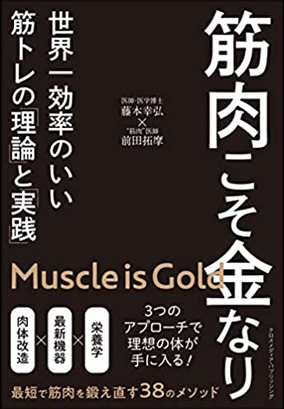
勧められて、先ほど一気に読み終えた一冊。
率直に、良書でした。
そして何より驚くのは、著者が2000年生まれであるという事実です。
実は、息子が今日から社会人になりました。
偶然にしては出来すぎたタイミングで、この本を手に取った気がしています。
「本当に頭の良い子とは、自分で課題を見つけ、考え、解決しながら、社会の中で自らの道を切り開いていける子のことです」
そう言い切るその筆致には、迷いがありません。
そしてその先に提示されるのは、旧来の“記憶力中心の受験的知性”ではなく、社会を生き抜くための非認知能力という視点です。
時代の変化を、驚くほど正確に捉えている。
その感覚の鋭さに、思わず唸らされました。
さて、話は少し変わります。
今でも会食の席で、ふとした違和感を覚えることがあります。
初対面。数分。まだ相手の輪郭すら見えていない段階で、自然な流れのように語られる「出身大学」。
その瞬間、会話は“現在”から“過去”へと引き戻される。
もちろん、学歴は事実であり、努力の結果でもある。それ自体に価値がないわけではありません。
しかし、それが自己紹介の中心に置かれたとき、その意味は、静かに変質します。
それは、“今の自分”ではなく、“過去のピークで自分を定義している状態”だからです。
人は本来、更新され続ける存在です。知識も、経験も、役割も、すべては上書きされていく。
時間とともに、自己は書き換えられていくはずです。
にもかかわらず、最初に語られるのが大学名であるとき、
そこには一つの心理が透けて見える。
「今の自分を語る言葉が、まだ定まっていない」
本来、成人以降の自己は、職業や社会的役割の中で再定義されていくものです。
だからこそ問われるのは、「どこを出たか」ではなく、「今、何をしているか」です。
大学は、確かに卒業している。
しかし、精神はまだキャンパスの中に留まっている。
興味深いのは、成熟した人ほど過去を語らないという点です。
彼らは現在進行形の仕事や、これからの構想を淡々と語る。
そこには、肩書きに依存しない“現在の重さ”があります。
学歴とは、スタート地点の座標にすぎません。
重要なのは、その後どれだけ移動したか。
どれだけ軌跡を描いてきたか。
もし会話の冒頭で大学名が語られるとすれば、それは地図の「出発点」を、何度も指差しているようなものです。
人は、いつ大学を卒業するのか。
それは卒業証書を受け取った日ではない。
過去ではなく、現在で自分を語れるようになった瞬間。
そのとき初めて、人は本当の意味で大学を卒業するのだと思います。

Clinging to Academic Credentials as a “Title of the Past”
— When Do We Truly Graduate from University? —
A book that was recommended to me—I finished it in one sitting just moments ago.
Quite frankly, it was an excellent read. What surprised me most, however, is the fact that the author was born in 2000.
As it happens, my son started his professional career today.
The timing felt almost too perfect, as if I had picked up this book for a reason.
“What truly intelligent individuals are those who can identify their own challenges, think through them, and solve them—while carving out their own path in society.”
There is no hesitation in that assertion.
What follows is not the conventional notion of intelligence centered on memory and exam performance, but rather a perspective that emphasizes non-cognitive skills necessary to navigate society.
It captures the changes of our time with remarkable precision.
I found myself deeply impressed by the sharpness of that insight.
Now, let me shift the topic slightly.
Even today, I sometimes feel a subtle discomfort at business dinners.
You meet someone for the first time. A few minutes pass. You have yet to grasp even the outline of who they are—and yet, almost as if by reflex, the conversation turns to the university they attended.
In that moment, the conversation is pulled back from the present into the past.
Of course, academic background is a fact—and the result of effort. It is not without value.
However, when it becomes the centerpiece of one’s self-introduction, its meaning quietly changes.
It begins to define a person not by who they are now, but by a peak in their past.
Human beings are, by nature, continuously updating themselves.
Knowledge, experience, roles—all are overwritten over time. The self is meant to evolve.
And yet, when the first thing spoken is the name of a university,
one underlying psychology begins to reveal itself:
“A lack of words to define who I am now.”
In principle, after entering adulthood, the self is redefined through one’s profession and social roles.
What matters, therefore, is not where you came from, but what you are doing now.
One may have formally graduated from university.
And yet, mentally, one may still remain on campus.
Interestingly, the more mature a person is, the less they speak of the past.
They speak calmly of their current work and future plans. There is a certain weight of the present in their words—one that does not rely on titles.
Academic history is nothing more than a set of starting coordinates.
What matters is how far one has moved since then—what kind of trajectory one has drawn.
If a university name appears at the very beginning of a conversation,
it is as if one is repeatedly pointing to the “starting point” on a map.
So when, then, do we truly graduate from university?
It is not the day we receive a diploma.
It is the moment we are able to speak about ourselves in the present, rather than the past.
Only then, I believe, do we truly graduate.