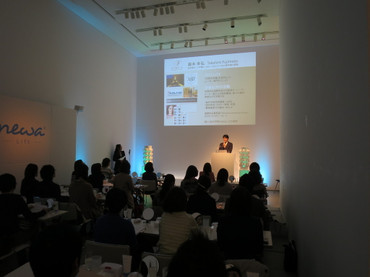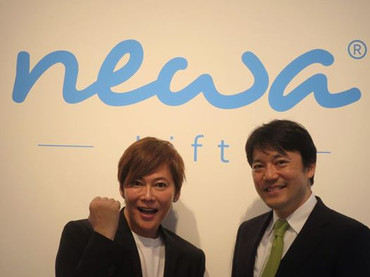















企業講演を終えました。
今回のテーマは
「美容機器メーカーとしてのBTL社のグローバルな存在感と技術力」
でした。
ただし、最初から「製品紹介をするつもり」はありませんでした。依頼内容をそのままなぞっても、社員の皆さんの行動や思考は変わらない。
そう感じた時点で、僕は週末を使って、講演スライドを一度すべて白紙に戻しました。
技術を説明しない講演、という選択
今回の講演で意識したのは、DBA(経営管理学博士)的視点です。
つまり、
「技術をどう説明するか」ではなく、
「その技術によって、企業は世界でどのような役割を担っているのか」という構造から、話を組み立て直しました。
技術力は、もちろん重要です。
しかし、技術力“そのもの”が主役になる講演は、翌日には忘れられます。記憶に残り、組織を動かすのは、技術が戦略の中でどのような意味を持っているのかという理解です。
当たり前の中に埋もれている「非凡さ」を可視化する
BTLの機器は、客観的に見ても世界トップクラスです。
講演ではまず、
BTLの製品が
どの領域において
どの未充足ニーズを
解決してきたのかを、俯瞰的に整理しました。
製品単体ではなく、
市場選択と意思決定の積み重ねとして捉え直すことで、
社員の皆さんが日常的に扱っている“当たり前”の中に、
実は極めて非凡な戦略が内包されていることが、自然と浮かび上がってきます。
社員の視点が変わると、組織の重心が変わります
質疑応答で、最も印象に残った言葉があります。
「自社製品を、こんな視点で考えたことがなかった」
これは単なる感想ではありません。
社員の視座が一段上がったサインです。
自社製品の価値を再定義する
企業が世界で果たしている役割を構造的に理解する
自分の仕事が、グローバル戦略のどこに位置づけられているのかを知る
このプロセスを経ることで、組織内には共通認識と誇りが生まれ、結果としてチームの一体感と判断の質が変わっていきます。
経営学的には、これは
Organizational Identity(組織アイデンティティ)の再構築に相当します。
独自の技術を持つ企業ほど「語り直し」が必要です
高度な技術を持つ企業ほど、
「分かっているはず」「今さら説明はいらない」という前提に縛られがちです。
しかし実際には、
語り直された技術だけが、社員の中で誇りとして定着し、行動規範になります。
技術の良さが“分かっているつもり”の状態では、
その価値は社内にも、そして社外にも、十分には伝わりません。
答えを出さない講演、という設計
今回の講演では、あえて5つの命題を提示して終えています。答えを教えることは簡単です。
しかし、それでは組織は変わりません。
命題を投げ、
組織が自ら考え、噛み砕き、次の一歩を選ぶ。
講演とは、その思考の起点をつくる装置だと、僕は考えています。
これからの企業講演に求められているのは、
モチベーションアップでもなく
製品理解の促進でもなく
「自分たちは何者なのか」を再定義する視点です。
技術、製品、歴史、そして現場。
それらを一段高い経営視座から再接続する。
企業に呼ばれて話す講演では、その役割を担うことが、今の僕の仕事なのだろうと思っています。
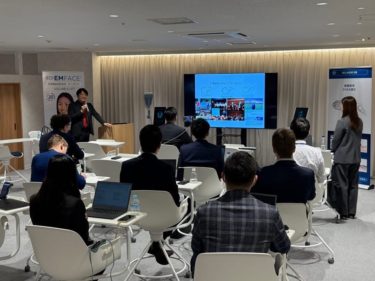

I’ve just finished a corporate lecture.
The theme this time was:
“BTL’s Global Presence and Technological Capabilities as an Aesthetic Medical Device Manufacturer.”
However, from the outset, I had no intention of giving a product presentation. Simply following the brief as given would not change how employees think or act.
Once I realized that, I spent the weekend wiping the presentation slides completely clean and starting over from scratch.
Choosing Not to Explain the Technology
What I focused on in this lecture was a DBA (Doctor of Business Administration) perspective.
In other words, instead of asking,
“How should we explain the technology?”
I reframed the talk around the question:
“What role does this technology enable the company to play in the world?”
From that structural viewpoint, I rebuilt the entire narrative.
Technological capability is, of course, important.
But lectures where technology itself is the protagonist are forgotten the very next day. What truly stays with people—and moves an organization—is an understanding of what that technology means within a broader strategy.
Making the “Extraordinary” Visible Within the Ordinary
Objectively speaking, BTL’s devices are among the best in the world.
At the beginning of the lecture, I organized a high-level overview of:
-
which domains BTL’s products operate in,
-
which unmet needs they have addressed,
-
and how those needs have been solved over time.
By reframing the products not as isolated items but as the result of accumulated market choices and strategic decisions, something became clear.
Within what employees handle every day as “business as usual,” there lies an exceptionally sophisticated strategy—one that often goes unnoticed precisely because it feels so normal.
When Employees’ Perspectives Change, the Center of Gravity Shifts
During the Q&A session, one comment stood out to me:
“I’ve never thought about our products from this perspective before.”
This was not merely feedback.
It was a signal that their frame of reference had shifted upward.
Redefining the Value of One’s Own Products
Understanding, in structural terms, the role the company plays globally.
Recognizing where one’s own work fits within a global strategy.
Through this process, shared understanding and pride emerge within the organization. As a result, team cohesion strengthens and the quality of decision-making improves.
From a management theory perspective, this corresponds to a reconstruction of Organizational Identity.
The More Advanced the Technology, the More It Needs to Be Reframed
Companies with highly advanced technologies are often constrained by assumptions such as:
“Everyone already understands this,” or
“There’s no need to explain it again.”
But in reality, only technology that has been re-articulated becomes a source of pride for employees and a genuine guide for action.
When people merely think they understand the value of a technology, that value is never fully communicated—neither internally nor externally.
Designing a Lecture That Does Not Provide Answers
In this lecture, I intentionally ended by presenting five propositions—without giving the answers.
Providing answers is easy.
But that does not change an organization.
Instead, I believe in posing questions, allowing the organization to think, digest, and choose its next step on its own.
A lecture, in my view, is a device designed to initiate that thinking process.
What Corporate Lectures Are Being Asked to Do Now
What is required of corporate lectures today is not:
-
boosting motivation,
-
nor simply deepening product understanding,
but offering a perspective that helps people redefine “who we are.”
Technology, products, history, and frontline operations—all reconnected from a higher managerial vantage point.
When I am invited to speak at companies, fulfilling that role is likely what my work is about now.