














先日、ゴルフ医科学研究所で少し変わった会を開きました。
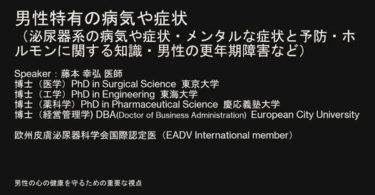
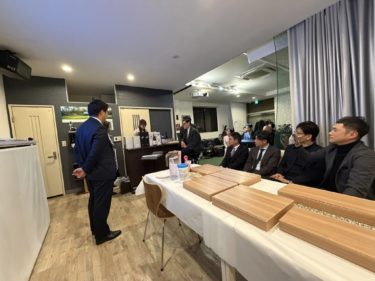
題して「男性のメンタルヘルス講演会 & 八海山飲み比べの会」。参加者は医師4名、レーザーアンチエイジング業界の社長6名、その他合わせて20名弱。盛況でした。
医療の世界にいると、男性のメンタルヘルスの問題は実に深いと感じます。女性に比べて相談行動が少なく、ストレスを内側に抱え込む傾向があることは、多くの研究でも指摘されています。例えば、男性は精神的困難を感じても医療機関を受診する率が低く、結果として自殺率が女性より高いことが知られています。また、社会的役割へのプレッシャーや孤立感が男性の精神健康に影響することも報告されています。そこで今回は、堅い医学講義だけで終わらないようにしました。
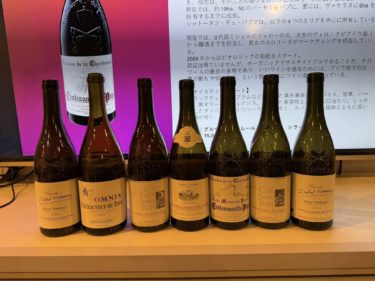
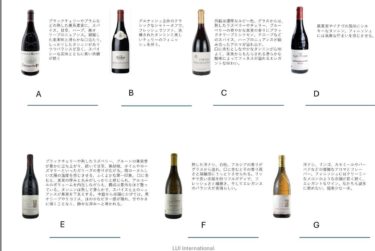
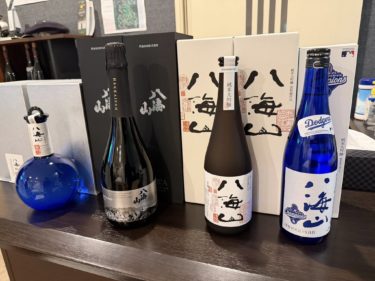
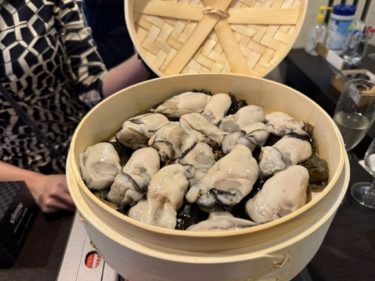
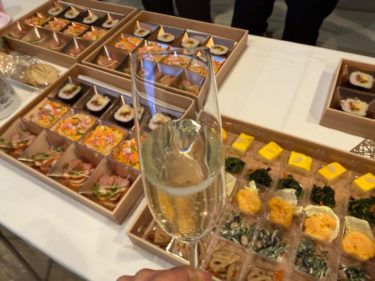
後半は、新潟・南魚沼の名酒「八海山」の飲み比べ。八海山より蔵元の方を呼んで、八海山全体でも0.2%あまりの販売量の貴重なお酒の説明をしてもらい、さらに飲み比べました。用意したおつまみに加えて大きな広島産の牡蠣の差し入れ。まさに牡蠣という食材は、亜鉛、タウリン、ビタミンB12、DHAといった神経機能に関わる栄養素の宝庫ですよね。同じ蔵でも、米の磨き方、水、発酵の時間で、香りと余韻がここまで変わるのかと改めて驚かされます。日本酒の面白さは、まさに「時間の芸術」だと思うのです。麹菌が静かに働き、酵母が糖をアルコールへ変え、発酵のリズムが香りを作る。ある意味では、これは人間の精神にも似ています。人の心もまた、急いで整えるものではなく、少し時間をかけて発酵するように回復していくものなのかもしれません。
ゴルフ医科学研究所というと、どうしてもスイングの角速度やトルクの話ばかりしているイメージがありますが(笑)
こういう夜も悪くない。
男性は「語らない生き物」ですが、盃を重ねると、不思議とぽつぽつ話が出てくる。メンタルヘルスの本質は、薬でも理論でもなく、「安心して語れる場所」なのかもしれませんね。
八海山の香りがふわりと漂う研究所の夜。医学と酒と人間の話が交差する、なかなか良い時間でした。
Men’s Mental Health and a Night with Hakkaisan
The other day, we held a rather unusual gathering at the Golf Medical Science Institute.
It was titled “Men’s Mental Health Lecture & Hakkaisan Sake Tasting.”
The participants included four physicians, six CEOs from the laser anti-aging industry, and several others—just under twenty people in total. It was a lively and well-attended event.
Working in the medical field, I often feel how deep and complex the issue of men’s mental health is. Compared with women, men are less likely to seek consultation and tend to internalize their stress. Many studies have pointed this out. For example, even when men experience psychological distress, they are less likely to visit medical institutions, and as a result the suicide rate among men is known to be higher than that among women. It has also been reported that pressure related to social roles and feelings of isolation can significantly affect men’s mental well-being.
So this time, we decided not to end the evening with a rigid medical lecture alone.
In the second half, we held a tasting of Hakkaisan, a renowned sake from Minami-Uonuma in Niigata. We invited a representative from the brewery, who explained several rare varieties that account for only about 0.2% of Hakkaisan’s total production, and we compared them while tasting. Alongside the prepared appetizers, someone kindly brought in large oysters from Hiroshima. Oysters are truly a treasure trove of nutrients related to neural function—zinc, taurine, vitamin B12, and DHA.
Even within the same brewery, the aroma and aftertaste can change dramatically depending on how the rice is polished, the water used, and the fermentation time. It reminds me once again how fascinating sake can be. In many ways, sake is truly “the art of time.” Koji mold works quietly, yeast converts sugar into alcohol, and the rhythm of fermentation shapes the aroma.
In a sense, this process resembles the human mind.
Perhaps the human spirit, too, does not recover instantly but slowly regains balance—almost as if it were fermenting over time.
When people hear “Golf Medical Science Institute,” they probably imagine us talking only about swing angular velocity and torque all day (laughs). But evenings like this are not bad at all.
Men are often described as “creatures who do not talk.” Yet once a few cups are shared, conversations begin to emerge little by little. The essence of mental health may lie not in medication or theory, but in having a place where one can speak freely and feel safe.
That night at the institute, with the gentle aroma of Hakkaisan in the air, medicine, sake, and stories about life intertwined—creating a truly wonderful time.