














眼耳鼻舌身 ― 経験の行き着く先
人はすぐに飽きてしまうものです。しかし、よく考えてみると飽きているのではなく、基準が上がっているのだと思います。
より素晴らしい絵や音楽に触れてしまうと、もう以前のものでは満足できなくなります。耳や目が肥えるほうが先だからです。
一流の演奏家の生演奏を聴くと、音の立ち上がりやフレーズの呼吸、ホールに消えていく残響まで身体が覚えてしまいます。すると次からは、その基準で音を聴くようになります。
絵画も同じです。本物の作品を見てしまうと、印刷物では満足できなくなります。光の深さや絵具の層、キャンバスの空気まで、目が覚えてしまうからです。
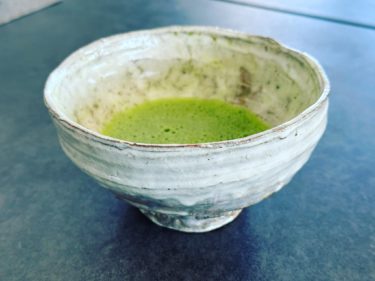
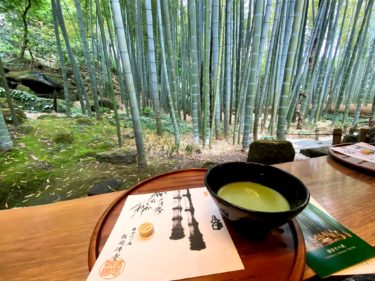
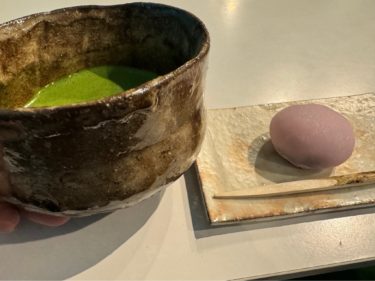
食事もまた同じでしょう。良い料理に出会うと舌が覚えます。出汁の取り方、火入れの差、塩の角の立ち方。そうしたものが分かるようになると、以前の味では満足できなくなります。
つまり人は、
目が肥え、耳が肥え、舌が肥えていきます。
そして最後に肥えるのは、経験そのものです。
若い頃は、どこへ行っても楽しいものです。
どんな街でも、どんなホテルでも、新しい体験はすべて刺激になります。
しかし世界を少し見てしまうと、経験の基準が変わります。
街の空気、建築の質、料理の完成度、文化の厚み。
身体がそれを覚えてしまうからです。
すると次第に、「普通の体験」では満足できなくなります。
物欲もまた同じだと思います。
時計や車、服やワイン。
欲しいものはいくらでもあります。
しかし良いものをいくつか手にしてしまうと、それ以上の物に対して、次第に心が動かなくなってきます。
さらに上を求めても、喜びはそれほど増えないことに気づくからです。
仏教では、人間の感覚を
眼耳鼻舌身(げんにびぜつしん)
と表します。
見る、
聞く、
嗅ぐ、
味わう、
触れる。
人間はこの五つの感覚を通して世界を体験しています。
そして考えてみると、人生とは、この眼耳鼻舌身をどこまで磨くかという旅でもあるのかもしれません。
しかし、面白いことに長く生きている人を見ていると、最後はだいたい同じ場所に戻ってくるように見えます。
より豪華なホテルでも、
より高級なレストランでもなく、
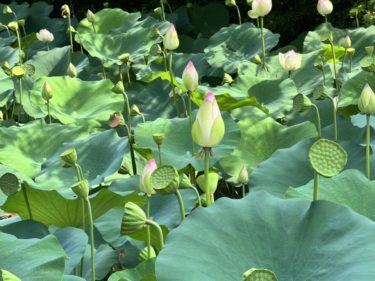
自然の豊かさです。
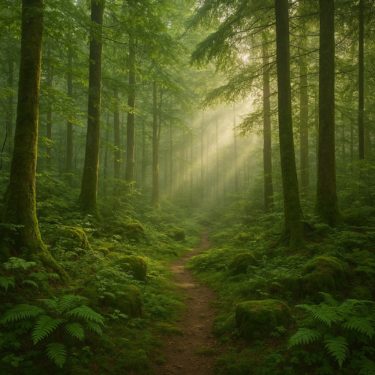
森林浴。
日光浴。
海水浴。
温泉浴。
よく見ると、どれも「浴」という言葉がついています。
風に包まれ、
光に包まれ、
海に包まれ、
湯に包まれる。
つまり人は最後、自然の中に浸かることを求めるのかもしれません。
文明の贅沢を一巡して、眼耳鼻舌身を存分に使い尽くしたあと
人が本当に豊かさを感じるのは、最初からこの地球にあったものなのかもしれません。

Eye, Ear, Nose, Tongue, Body — Where Experience Ultimately Leads
People tend to think we grow bored easily. But perhaps that isn’t quite true. More often, it’s simply that our standards have changed.
Once you encounter truly great art or music, what once satisfied you no longer feels quite enough. Our eyes and ears become refined first.
Listen to a live performance by a great musician and your body remembers it—the way a note begins, the breathing of a phrase, the lingering reverberation dissolving into the concert hall. After that, you begin to listen with a new reference point.
Painting is much the same. Once you have seen an original work, printed reproductions rarely satisfy you again. Your eyes remember the depth of the light, the layers of paint, even the quiet presence of the canvas itself.
Food follows the same path. When you encounter truly good cooking, your tongue remembers. The way a broth is drawn out, the precision of heat, the subtle edge of salt. Once you begin to notice such things, the flavors that once felt perfectly fine begin to feel incomplete.
In this way, our senses gradually sharpen.
Our eyes grow discerning.
Our ears grow discerning.
Our tongues grow discerning.
And eventually, what matures most is our experience itself.
When we are young, almost everything feels exciting. Any city, any hotel—every new place brings stimulation. But once you have seen a little of the world, the standard of experience quietly changes. The atmosphere of a city, the quality of its architecture, the refinement of its cuisine, the depth of its culture—your body remembers these things. And gradually, “ordinary experiences” no longer feel quite enough.
Material desires seem to follow a similar pattern. Watches, cars, clothes, wine—there are endless things to want. Yet once you have owned a few truly fine things, your heart becomes less easily stirred by more. At some point, you realize that chasing something even better does not necessarily bring much greater joy.
In Buddhism, the human senses are described as:
Eye, Ear, Nose, Tongue, Body.
To see.
To hear.
To smell.
To taste.
To touch.
We experience the world through these five gateways.
And in a way, life itself may be a journey of refining these senses.
Yet when you observe people who have lived long and full lives, something curious appears. In the end, many seem to return to the same place.
Not to more luxurious hotels,
nor to more expensive restaurants,
but to the richness of nature.
Forest bathing.
Sun bathing.
Sea bathing.
Hot-spring bathing.
Look closely and you’ll notice they all share the same word: bathing.
Bathing in the wind.
Bathing in light.
Bathing in the sea.
Bathing in warm water.
Perhaps, in the end, what we truly seek is simply to immerse ourselves in nature.
After circling through the luxuries of civilization—after fully exercising the senses of eye, ear, nose, tongue, and body—what finally makes us feel truly rich may be the things that have been here on Earth from the very beginning.