













本日はスタインウェイの調律です。
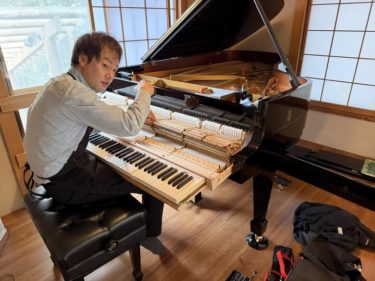
既に4時間ぐらい!

 藤本幸弘オフィシャルブログ
本日はスタインウェイの調律です。
既に4時間ぐらい!
中世の医師たちは、決して愚かではありませんでした。彼らは、その時代における最も整合性のある説明を採用していた。
宇宙と人体は対応する
生命力は移動する
権威は治療効果を持つ
そして何より、患者は時に回復した。自浄能力があるから。しかしこの「回復した」という事実が、理論を強固にしていきます。
■ 19世紀:善意が過剰になるとき
時代が進み、医学は理論を手に入れます。しかし同時に、介入は加速しました。アメリカ初代大統領は咽頭炎の治療のために瀉血され、それが原因で亡くなったといいます。
瀉血、水銀、ヒル療法などなど。
「何かをしなければならない」
その善意が、やがて患者の生理を上回っていく。ここで医学はようやく気づきます。やらないことも、治療であると。
アンチエイジングという最前線
かたや現代のアンチエイジング医療は、最も未来に近い領域です。
分子、遺伝子、再生、エネルギー。
言葉は洗練され、装置は高度化した。しかし、その現場に立つと、ある種の“懐かしさ”を感じることがあります。
理論的には正しそう
実感として効いている気がする
患者の満足度は高い
この三つが揃ったとき、治療は一気に広がるのです。しかしながら、治療結果は20年後にしかわかりません。
■ 構造は変わっていない
王の手が病を癒した時代。
瀉血が合理的だった時代。
そして今、分子やデバイスが語られる時代。
違うのは言語だけで、構造はほとんど同じです。
理論
体験
信念
この三つが揃うと、人はそれを“正しい”と認識する。
■ 静かな人体実験
アンチエイジング医療の現場では、日々小さな試行が行われています。
新しい組み合わせ。
新しい幹細胞。
新しい適応。
新しいプロトコル。
エクソームや幹細胞上澄み液などの新しい言葉。
試行は医学の本質でもあります。
しかし同時に、その位置づけが曖昧なまま臨床に乗る瞬間
そこに、19世紀の影が差し込むのです。
■ 善意は変わらない
ミイラを薬にした医師も、瀉血を行った医師も、現代の医師も、目指しているものは同じです。
「良くしたい」
しかし医学の歴史は、繰り返し教えてきました。善意は、ときに強すぎる。
しかし同時に、
その位置づけが曖昧なまま臨床に乗る瞬間
そこに、歴史の影が差し込む。
■ 結びに
医学は、例外が必ず存在する学問です。同じ治療でも、効く人と効かない人がいる。安全なはずの方法でも、予期しない反応が起こる。
この「不確実性」を前提として扱うことこそが、医学という営みの本質です。
だからこそ、その重みを知らないまま治療を語ることは、本来極めて慎重であるべきです。
医師免許とは、単なる資格ではありません。
この不確実性と責任を引き受けるためのものです。
それを持たない立場から治療を断言することは、どこかで責任の所在を曖昧にしてしまう。それはやはり、無責任と言わざるを得ないでしょう。
■ 最後の一行
医療とは、医学と異なり知識ではなく責任である。
瀉血は消えたのではない。形を変えて、今も続いている。
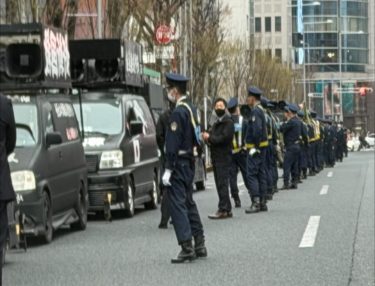
Treatments without evidence stand on a fence.
Medieval physicians were by no means foolish. They adopted the most coherent explanations available in their time.
The cosmos corresponds to the human body.
Vital force moves within it.
Authority itself has therapeutic power.
And above all, patients sometimes recovered—because of their innate capacity to heal. Yet this very fact of “recovery” only served to reinforce the theory.
19th Century: When Good Intentions Become Excessive
As time progressed, medicine acquired theory. But at the same time, interventions accelerated. It is said that the first President of the United States died after being treated for a throat infection with bloodletting.
Bloodletting, mercury, leech therapy, and more.
“We must do something.”
That good intention gradually began to override the patient’s own physiology. It was here that medicine finally realized: not doing can also be a form of treatment.
The Frontier of Anti-Aging Medicine
In contrast, modern anti-aging medicine lies closest to the future.
Molecules, genes, regeneration, energy.
The language has become refined, the devices increasingly sophisticated. Yet when you stand at the front lines, there is a certain sense of déjà vu.
It seems theoretically sound.
It feels effective in practice.
Patient satisfaction is high.
When these three align, treatments spread rapidly. And yet, the true outcomes may only become clear twenty years later.
The Structure Has Not Changed
An era when a king’s touch could heal disease.
An era when bloodletting was considered rational.
And now, an era where molecules and devices dominate the discourse.
Only the language has changed—the underlying structure remains nearly identical.
Theory.
Experience.
Belief.
When these three align, people perceive something as “true.”
Quiet Human Experimentation
In the field of anti-aging medicine, small trials are conducted every day.
New combinations.
New stem cells.
New indications.
New protocols.
New terms such as exosomes and stem cell supernatants.
Experimentation is the essence of medicine.
But at the same time, the moment something enters clinical practice without a clearly defined position—
that is when the shadow of the 19th century reappears.
Good Intentions Do Not Change
Physicians who used mummies as medicine, those who practiced bloodletting, and modern doctors all share the same goal:
“To make patients better.”
Yet the history of medicine has repeatedly taught us: good intentions can sometimes be too strong.
And at the same time,
when something enters clinical practice without clear positioning,
the shadow of history quietly falls upon it.
Conclusion
Medicine is a discipline in which exceptions always exist. The same treatment may work for one patient and not for another. Even methods considered safe can produce unexpected reactions.
To engage with this “uncertainty” as a fundamental premise—this is the very essence of medical practice.
That is precisely why speaking about treatment without fully understanding its weight demands extreme caution.
A medical license is not merely a qualification.
It is a commitment to bear this uncertainty and responsibility.
To make definitive claims about treatment without holding that responsibility inevitably obscures accountability. That, ultimately, must be called irresponsible.
Final Line
Healthcare, unlike medical science, is not about knowledge—it is about responsibility.
Bloodletting has not disappeared. It has merely changed its form, and continues to this day.
人の想いだけでは稼げない。ビジネスになる瞬間は、
「誰かの不便」×「解決手段」×「対価を払う意思」
この三つが重なったときです。
情熱はこの中に含まれていない。
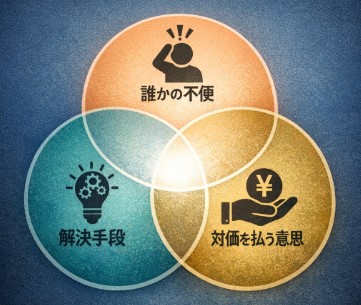
You can’t make money on people’s feelings alone. A business is born at the moment when these three overlap:
“someone’s inconvenience” × “a means of solving it” × “the willingness to pay.”
Passion isn’t included in this equation.
クリニックFの患者さんにいただきました!
せとか。おいしいです。
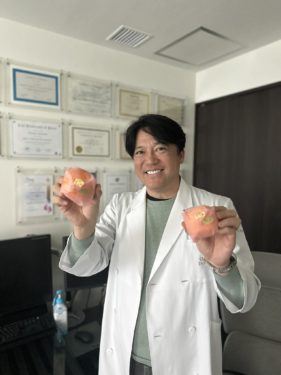
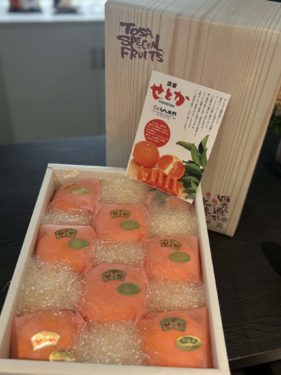
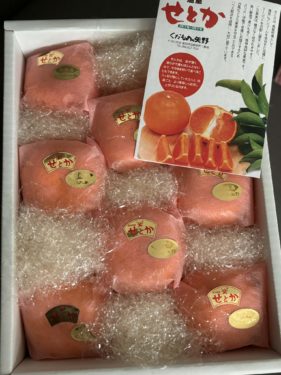
I received these from a patient at Clinic F—setoka oranges. They’re delicious!
週末はF1日本グランプリ。
今年は日本人ドライバーもおらず、日本のエンジンメーカーも活躍期待できず、推しのチームがありません。
ただアルピーヌが日本グランプリ用のキャップを作ったのが折り鶴のデザインで可愛くて、これは購入してみました。
でもサーキットじゃなくて、ゴルフ場で使う事になるのかなあ。笑。
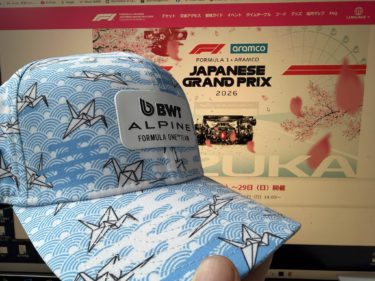
This weekend is the F1 Japanese Grand Prix. This year, there are no Japanese drivers, and we can’t really expect much from Japanese engine manufacturers either, so I don’t have a team to root for. Still, Alpine F1 Team made a special Japanese Grand Prix cap featuring an origami crane design, which is quite cute, so I went ahead and bought it. Though I wonder if I’ll end up using it not at the circuit, but on the golf course. Haha.