













TakahiroFujimoto.com

HOME MAIL
HOME PROFILE BOOKS MUSIC PAPERS CONFERENCES BLOG MAIL CLOSE

BLOG 藤本幸弘オフィシャルブログ

カテゴリー:新聞・TV・ラジオ・インターネット

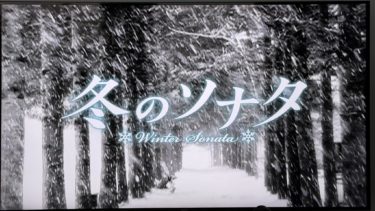
冬のソナタと感情のアンチエイジング

2026年、外来開始にあたって――『冬のソナタ』と「感情のアンチエイジング」
本日より、2026年のクリニックFの外来を開始いたします。本年もどうぞよろしくお願い申し上げます。
この連休中、僕は20年以上前の名作『冬のソナタ』を初めて鑑賞しました。年末年始の再放送を録画し、一気に全話を辿ってみたのです。
NHK地上波で再放送された2004年は僕も忙しい診療の中、夜は医学博士論文を仕上げるといった、ほとんどドラマやテレビと無関係な生活を送っていました。
今あらためて冷静に分解すれば、記憶喪失、異母兄弟疑惑、幾重にも重なる偶然の再会……。設定だけを見れば、正直「無理筋」のオンパレードです。
しかし、アンチエイジングに携わる医学者の視点で見ると、この作品は別の顔を見せてくれます。それは、当時の日本女性にとっての「感情の再生医療」(笑)、だったのではないか、という仮説です。
1. 国家の「教育」を飛び越えた、個人の「情緒」
日韓感情がたびたび冷え込む背景には、根深い歴史教育の問題があります。
教育は往々にして「国家」や「民族」を主語にし、対立の構図をアイデンティティとして植え付けます。
政治が冷え込むたび、脳内の「警戒アラート」が作動し、他者への不信感が募る。これは生物学的に見れば、慢性的なストレス状態に近いものです。
2002年の日韓W杯ですら、実際にはナショナリズムによる摩擦を強く刻み込み、集団感情を硬化させました。
その直後、まったく別のルートから入り込んだ『冬のソナタ』は、歴史を語らず、政治を持ち込まず、国家を主語にしないという手法で、個人の内側にある「回復されていなかった情緒」に直接アプローチしたのだと思います。
教育が植え付けた「不審な隣国」というフィルターを、個人の共感という「ドーパミンとオキシトシン」が鮮やかに上書きしてしまったのです。
2. 韓国では「流行」、日本では「救い」という名のアンチエイジング
ここで興味深いのが、日韓での受け止められ方の温度差です。
• 韓国でのリアル: 視聴層は主に中高生。ファッションが話題になる、若者向けトレンディドラマ。
• 日本でのリアル: 団塊世代から団塊ジュニア世代の女性が熱狂。「人生を救われた」と語られるほどの社会現象。
韓国の若者にとっての「流行」が、日本の成熟した世代にとっては「救い」になった。これは、長らく「感情の冬」を過ごしてきた世代が、この物語を浴びることで枯渇していた瑞々しい情緒を再起動させたことを意味します。
アンチエイジングとは単に見た目を整えることではなく、こうした「心の可塑性」を取り戻すことでもあります。
3. 「感情の安全設計」とペ・ヨンジュンの正体
なぜこれほどまでに刺さったのか。それは、この作品が徹底して「感情の安全設計」で作られていた点にあります。
暴力も、奪い合いも、殺伐とした競争もない。
「急かさない、壊されない」ことが保証されている世界。その中心にいたペ・ヨンジュンは、日本のドラマが描いてきた「無口で不器用な男」とは正反対の、「感情を言葉にし、相手を待ち、尊重する」という成熟した情緒のアイコンでした。
彼女たちが愛したのは韓国という国そのものではなく、「自分の心が求めていた、丁寧な扱い」を鏡のように映し出してくれる物語だったのでしょう。
設定はめちゃくちゃ、でも感情は本物
脚本術としては「盛りすぎ」な設定。
しかし、その非日常的なファンタジー性こそが、日常の酸化ストレスにさらされた心の「飢え」を正確に撃ち抜きました。
韓国側からすれば「なぜ今さらこれが?」という戸惑い(誤読)もあったでしょう。しかしその解釈のズレこそが、政治や教育という「上からの構造」を無効化し、感情のレベルで相手を「怖くない存在」に変えてしまった。
『冬のソナタ』は、いわば当時の日本女性の個人的な片思いであり、韓国サイドは冷ややかに見ていたので、日韓関係を構造的に変えたわけではありません。
しかし、「美しい感情に触れることで、人は他者への警戒を解き、それこそ内側から若返ることができる」という事実を、外交やスポーツよりも先に示してくれました。
21世紀の日韓感情史において、本作は一度だけ訪れた、静かで幸福な春だったのかもしれませんね。
ーーーーーーーーー
21世紀以降の日韓感情をまとめるとこんな感じでしょうか?。
欧州でもそうですが、隣り合った国というのは主義主張も異なり、共存は難しいですね。
【第1期】2000–2002年:形式的な友好、感情は未整理
21世紀初頭、日本と韓国は「未来志向」を掲げていました。
その象徴が、FIFAワールドカップの日韓共催です。
制度・外交レベルでは前進。
しかし感情レベルでは――
ナショナリズムの顕在化
誤審・不公平感の記憶
「競争による摩擦」
結果として、表向きは協力、内心では不信という、ねじれた状態を残しました。
【第2期】2003–2006年:文化が感情を先に溶かした
この「感情の宙ぶらりん状態」に、まったく別ルートから入ってきたのが、冬のソナタです。重要なのはタイミング。
韓国放送:2002年
日本受容:2003–2004年
W杯の“後処理”の時期に、日本社会へ浸透した。
ここで起きたのは、
国家理解 → ×
歴史和解 → ×
個人的親近感 → ◎
とくに日本の中年女性層において、
「韓国=感情的に安全な他者」という印象が形成されました。
これは外交史的には異例です。文化が、感情レベルで外交を追い越した瞬間でした。
【第3期】2007–2012年:揺り戻しと現実化
感情の雪解けは永続しません。
領土問題
教科書問題
歴史認識の再燃
この時期、日本では
「韓流は好きだが、政治は別」
という分離認知が広がります。
つまり、感情は溶けたが、記憶は消えなかった。
【第4期】2013–2017年:再び冷却、しかし断絶せず
政治的緊張が高まる一方で、K-POPやドラマは若年層を中心に定着。
嫌韓/好韓という二極化
世代による温度差
ここで日韓感情は、「一様に冷たい」状態から、「層によって違う」状態へ移行します。
【第5期】2018年以降:分断されたまま共存
2018年前後を境に、日韓感情は「良い・悪い」では測れなくなります。
政治・安全保障:冷
エンタメ・生活文化:温
個人レベル:無関心〜実利的
つまり現在は、感情がバラバラに分散した状態です。

2026: The Start of Outpatient Services — Winter Sonata and “Emotional Anti-Aging”

As of today, we begin our outpatient services at Clinic F for 2026.
I sincerely appreciate your continued support this year as well.

During the recent holiday break, I watched the classic Winter Sonata for the very first time—more than twenty years after its original release. I had recorded the year-end and New Year rebroadcast and watched all episodes in one stretch. When it was rebroadcast on NHK terrestrial television in 2004, I myself was immersed in a demanding clinical schedule and spending my nights finishing my doctoral dissertation in medicine—living a life almost entirely disconnected from television dramas.

Viewed calmly and analytically now, the story is full of familiar tropes: amnesia, suspicions of half-siblings, layers upon layers of coincidental reunions. Judging by its plot devices alone, it is frankly a parade of implausibilities.

However, when viewed through the eyes of a physician engaged in anti-aging medicine, this work reveals a very different face. One might hypothesize that it functioned as a kind of “emotional regenerative medicine” (with a smile) for Japanese women at the time.


1. Personal Emotion That Leapt Over National “Education”

One background factor behind the recurring chill in Japan–Korea relations lies in deeply rooted issues of historical education. Education often takes the “nation” or “ethnicity” as its subject, embedding confrontation as part of identity. Whenever politics cools, an internal “alert system” is triggered, heightening distrust toward others. From a biological perspective, this resembles a state of chronic stress.

Even the 2002 Japan–Korea World Cup, in reality, strongly etched friction born of nationalism and hardened collective emotions.

Immediately afterward, Winter Sonata entered through a completely different route. It spoke neither of history nor politics, and it did not take the nation-state as its subject. Through this approach, it directly accessed the “unrecovered emotions” within individuals.

The filter of “the suspicious neighboring country” implanted by education was vividly overwritten by dopamine and oxytocin generated through personal empathy.


2. “A Trend” in Korea, “A Salvation” in Japan — Anti-Aging by Another Name

What is particularly intriguing is the stark difference in how the series was received in the two countries.

  • The Korean reality:
    The main audience consisted of middle and high school students. It was a trendy youth drama, with fashion becoming a topic of conversation.

  • The Japanese reality:
    Women from the baby boomer generation through the boomer junior generation were enthralled. It became a social phenomenon, with some saying it “saved their lives.”

What was a “trend” for Korean youth became a “salvation” for Japan’s mature generations. This suggests that a generation that had long endured an “emotional winter” reactivated the fresh emotional vitality that had been depleted, simply by immersing themselves in this story. Anti-aging is not merely about refining outward appearance; it is also about restoring this kind of emotional plasticity.


3. “Emotional Safety by Design” and the True Nature of Bae Yong-joon

Why did it resonate so deeply? Because the series was meticulously constructed around “emotional safety.” There is no violence, no struggle for possession, no brutal competition. It is a world in which one is guaranteed not to be rushed or broken.

At its center stood Bae Yong-joon—an icon of mature emotionality who stood in stark contrast to the “taciturn, awkward man” often depicted in Japanese dramas. He verbalized emotions, waited for the other person, and showed respect.

What these women loved was not Korea as a nation, but a story that mirrored back the “careful, respectful treatment” their own hearts had been yearning for.


Absurd Settings, Genuine Emotions

From a screenwriting perspective, the plot is undeniably overstuffed. Yet it was precisely this extraordinary, fantastical quality that struck accurately at the “hunger” of hearts exposed daily to oxidative stress in ordinary life.

From the Korean side, there may well have been confusion—“Why is this resonating now?”—a kind of misreading. But that very gap in interpretation neutralized the “top-down structures” of politics and education, transforming the other into someone who no longer felt frightening at an emotional level.

Winter Sonata was, in a sense, a personal one-sided love affair of Japanese women at the time, observed coolly from the Korean side. It did not structurally transform Japan–Korea relations. Yet it demonstrated—earlier than diplomacy or sports—that by encountering beautiful emotions, people can release their guard toward others and genuinely rejuvenate from within.

In the emotional history of Japan–Korea relations in the 21st century, this work may have been a single, quiet, and happy spring.


A Rough Periodization of Japan–Korea Emotional Relations Since the 21st Century

Perhaps it can be summarized as follows. As in Europe, neighboring countries often differ in ideologies, making coexistence inherently difficult.

Phase 1: 2000–2002 — Formal Friendship, Unprocessed Emotions

At the start of the 21st century, Japan and Korea championed a “future-oriented” relationship.
The symbol was the jointly hosted FIFA World Cup.

  • Institutional and diplomatic progress

  • Yet emotionally:

    • The surfacing of nationalism

    • Memories of controversial refereeing and perceived unfairness

    • Friction born of competition

The result was a twisted state: cooperation on the surface, distrust beneath.


Phase 2: 2003–2006 — Culture Melted Emotions First

Into this emotionally suspended state entered Winter Sonata from an entirely different route. Timing was crucial.

  • Broadcast in Korea: 2002

  • Reception in Japan: 2003–2004

It permeated Japanese society during the “post–World Cup cleanup” phase.

What occurred was:

  • National understanding → ✕

  • Historical reconciliation → ✕

  • Personal sense of closeness → ◎

Especially among middle-aged Japanese women, an image formed of “Korea as an emotionally safe other.”
From a diplomatic-historical perspective, this was exceptional—a moment when culture overtook diplomacy at the level of emotion.


Phase 3: 2007–2012 — Recoil and Reality

Emotional thaw does not last forever.

  • Territorial disputes

  • Textbook controversies

  • Renewed debates over historical recognition

In Japan, a form of cognitive separation spread:

“I like Korean pop culture, but politics is another matter.”

Emotions had softened, but memories had not disappeared.


Phase 4: 2013–2017 — Cooling Again, Without Rupture

While political tensions intensified, K-pop and dramas took root among younger generations.

  • Polarization into pro- and anti-Korea sentiments

  • Generational temperature gaps

Japan–Korea emotions shifted from being “uniformly cold” to “layered and differentiated.”


Phase 5: From 2018 Onward — Coexistence Amid Fragmentation

Around 2018, Japan–Korea emotions could no longer be measured simply as good or bad.

  • Politics and security: cold

  • Entertainment and daily culture: warm

  • At the personal level: indifference to pragmatism

In short, we now live in a state where emotions are dispersed and fragmented.


TBS ザ・ロイヤルファミリー

昨日はザロイヤルファミリーの最終回でしたね。


友人の間でも話題になっていて、僕もNetflixで追いつこうと頑張ったのですが、あと数話を残して観終らず、最終話は録画しておきました。

Netflix観てると、デフォルトモードネットワークが働くのか、色々思いついて、ブログを書きたくなってしまうんです。

週末に幾つも投稿が上がったのはそんな理由です。

学生の時にダービースタリオンにハマって散々やったので、競馬用語や血統は覚えているのですが、賭け事があまり好きじゃないので、思えば僕は馬主とは縁がなかったなあ。笑。


Yesterday was the final episode of The Royal Family. It was a hot topic among my friends as well, and I tried to catch up on Netflix, but I ended up leaving a few episodes unwatched and recorded the finale instead.

Whenever I watch Netflix, my default mode network seems to kick in—I start coming up with all sorts of ideas and feel like writing blog posts. That’s why several posts went up over the weekend.

I was really into Derby Stallion when I was a student and played it endlessly, so I still remember a lot of horse-racing terms and bloodlines. But since I’m not that fond of gambling, I guess I was never really meant to be a racehorse owner. Haha.


日銀利上げを読み解く

日銀利上げを読み解く、三つの要素——

日銀が19日の利上げの発表を考えていると報道がありました。

「日銀は18〜19日に開く金融政策決定会合で政策金利を現在の0.5%から引き上げる最終調整に入る。0.25%引き上げて0.75%とする案が有力で、1995年以来30年ぶりの金利水準に達することになる。

植田和男総裁ら執行部は利上げの議案を提出する意向を示唆している。日本経済新聞社の取材では、正副総裁を含めて9人の政策委員のうち過半数が執行部案を支持する見通しだ。」

日銀が利上げした場合

基本シナリオは「円高・株安」
ただし、短期と中長期、業種別で動きは分かれる、ここが重要です。

①為替:なぜ円高になるのか
日銀が利上げすると、
日本の金利 ↑
日米金利差 ↓
円を売ってドルを買う理由が弱まる

その結果、
円安トレンドは止まり、円高方向に振れやすくなります。
実際、金利と為替の関係は非常に教科書的です。

これまで円は、「持っているだけで損をする通貨」だった。
だから売られ続けた。
利上げは、その前提を静かに崩す。
円安は加速するのではない。
止まり、揺り戻される余地が生まれる。

② 株式市場:なぜ株安になりやすいのか
● 短期(最初の反応)
金利上昇 → 企業の借入コスト ↑
割引率 ↑ → 株価の理論価値 ↓
そのため全体指数(日経平均・TOPIX)は下がりやすい。

利上げのニュースが出ると、
株式市場はまず売る。
これは恐怖というより、
再計算だ。

株安とは、
崩壊ではない。
見直しである。

要素③ 時間 —— 短期と長期は、別の物語

多くの誤解は、
「今」と「これから」を混ぜてしまうことから生まれる。
短期では、
円は乱高下し
株は不安定になる
だが時間を置くと、景色は変わる。

金利が“ある世界”では、
企業の体力差が見える
為替に頼らない経営が評価される
市場の質が上がる
利上げとは、
未来を壊す行為ではない。
時間を取り戻す政策だ。

▲ 下がりやすい
輸出企業(自動車・電機)
→ 円高=利益圧迫
高PERグロース株
→ 金利上昇に弱い
▲ 上がりやすい/耐性がある
銀行・保険
→ 金利マージン改善
内需・ディフェンシブ
→ 為替影響が小さい

金利。
株価。
そして時間。
それらを混ぜないこと。
そこから、
本当の理解が始まる。


— Three Key Elements for Interpreting the Bank of Japan’s Rate Hike —

Reports have emerged that the Bank of Japan (BOJ) is considering announcing an interest rate hike on the 19th.

“The Bank of Japan is entering the final stage of coordination to raise the policy interest rate from the current 0.5% at its Monetary Policy Meeting scheduled for the 18th–19th. A 0.25 percentage point increase to 0.75% is seen as the most likely option, which would bring interest rates to a level not seen in 30 years, since 1995.

Governor Kazuo Ueda and other members of the executive leadership have signaled their intention to submit a proposal for a rate hike. According to reporting by Nikkei, a majority of the nine policy board members, including the deputy governors, are expected to support the executive proposal.”


If the BOJ Raises Interest Rates

The baseline scenario is:
a stronger yen and weaker equities.

However, this is where nuance matters.
Market reactions differ between the short term and the medium-to-long term, and by sector.


① Foreign Exchange: Why the Yen Tends to Appreciate

When the BOJ raises interest rates:

  • Japanese interest rates ↑

  • The Japan–U.S. interest rate differential ↓

  • The incentive to sell yen and buy dollars weakens

As a result, the yen’s depreciation trend is likely to stall and tilt toward appreciation.
In fact, the relationship between interest rates and exchange rates is highly textbook.

Until now, the yen had been a currency that “cost money simply to hold.”
That is why it continued to be sold.

A rate hike quietly dismantles that assumption.
The yen’s weakness does not accelerate.
Instead, it pauses—and creates room for a corrective rebound.


② Equity Markets: Why Stocks Tend to Decline

● Short Term (Initial Reaction)

  • Interest rates rise → corporate borrowing costs increase

  • Discount rates rise → the theoretical value of equities declines

As a result, broad indices such as the Nikkei 225 and TOPIX tend to fall.

When news of a rate hike emerges,
the stock market sells first.

This is not fear—
it is recalculation.

A market decline does not mean collapse.
It means reassessment.


Element ③: Time — Short-Term and Long-Term Are Different Stories

Many misunderstandings arise from conflating
“now” with “what comes next.”

In the short term:

  • the yen fluctuates sharply

  • equities become unstable

But with time, the landscape changes.

In a world where interest rates exist:

  • differences in corporate financial strength become visible

  • management that does not rely on currency depreciation is rewarded

  • overall market quality improves

A rate hike is not an act that destroys the future.
It is a policy that restores time.


Sectors Likely to Decline

  • Exporters (automobiles, electronics)
    → A stronger yen compresses profits

  • High-PER growth stocks
    → Vulnerable to rising interest rates

Sectors Likely to Rise / Show Resilience

  • Banks and insurance companies
    → Improved interest margins

  • Domestic demand & defensive sectors
    → Limited exposure to exchange-rate movements


Interest rates.
Stock prices.
And time.

Do not mix them together.
From that separation,
true understanding begins.


韓国・李在明大統領、「光復節」の8月に異例の来日…「歴史直視」求めつつ現実主義―読売新聞

朝鮮併合に対して「植民地」という言葉を使うのは間違っている。

併合当時の朝鮮は、草ばかりの、列強が植民地にする価値もないような冷涼な土地だった。

胡椒や、カカオ、金銀などの貴金属、石炭石油などのエネルギー。もしくは労働力。これらが取れる土地だから列強は植民地にしたのだ。

アジアの近代化と教育を与えることを使命とした当時の日本国の、朝鮮への投資額は多い年は国家予算の三分の一を占めており、当然の様に、その回収額よりもはるかに多い。

搾取ではなく投資。むしろ感謝されるべき。

国際連盟のつくった「委任統治領」や、国際連合のつくった「信託統治領」に近い概念だとおもう。

歴史にIFはないけれど、いっそ、韓国が日本ではなく、当時の列強の搾取型の植民地にされていたと想定してみたら、韓国の大統領も、理解が深まるんじゃないかな。

韓国・李在明大統領、「光復節」の8月に異例の来日…「歴史直視」求めつつ現実主義(読売新聞オンライン) – Yahoo!ニュース


カテゴリー