












TakahiroFujimoto.com

HOME MAIL
HOME PROFILE BOOKS MUSIC PAPERS CONFERENCES BLOG MAIL CLOSE

BLOG 藤本幸弘オフィシャルブログ

カテゴリー:音楽・オペラ・バレエ・ミュージカル

佐渡裕さんの第九

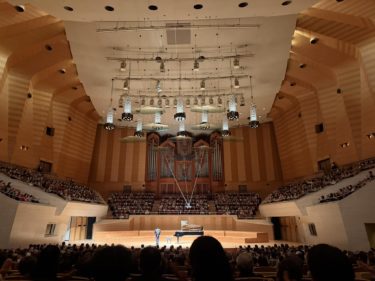
本日はオペラシティにて佐渡裕さん指揮の第九でした。


——なぜこの国では、年末に人々が「歓喜」を歌うのでしょうか——

考えてみれば、日本ほど、交響曲第9番が生活に溶け込んでいる国は多くありません。おそらく世界でもっともこの曲が演奏されるのは日本です。

12月になると、全国のホールで合唱団が集い、プロもアマチュアも関係なく、多くの人が同じ旋律を口ずさみます。日本では第九は「聴く音楽」ではなく、参加する音楽として親しまれてきました。

欧米全体|12月は「クリスマス音楽」

くるみ割り人形
アメリカやヨーロッパでは、
12月=クリスマスシーズン。
その中心にあるのが《くるみ割り人形》です。
・家族
・子ども
・夢
・贈り物
年末は「総括」ではなく、
物語とノスタルジーの時間として扱われます。

オーストリア・ドイツ圏|新年は「祝祭」と軽やかさ
こうもり(Die Fledermaus)
ウィーンを中心としたドイツ語圏では、
大晦日といえば《こうもり》が定番です。
・仮装
・勘違い
・シャンパン
・身分の入れ替わり
——物語は徹頭徹尾「人間くさく、陽気」。

年の終わりは
反省よりも笑い、厳粛さよりも祝祭。
これがドイツ語圏の年越しの美学です。

英語圏|宗教的年末

メサイア
イギリス、アメリカでは
12月に《メサイア》、特に「ハレルヤ・コーラス」。
ここでは年末は
救済史の一部です。
・誕生
・受難
・復活
音楽は「年を越える道具」ではなく、
信仰暦の一環として存在しています。

ーーーーーーー

始まりは「祈り」でした

日本で第九が初演されたのは1918年、第一次世界大戦のさなかです。
徳島の坂東捕虜収容所で、ドイツ人捕虜によって演奏されたことはよく知られています。異国の地で奏でられた「歓喜」は、勝利の音楽ではなく、耐え、越え、共に在るための音楽として日本人の心に届きました。
この受け止め方こそが、その後の日本における第九の位置づけを決定づけたと言えるでしょう。

2なぜ「年末」なのでしょうか

年末は、日本人にとって区切りと浄化の時間です。
大掃除、除夜の鐘、年越し――一年を振り返り、未完のままでも次へ進む準備をします。
第九終楽章の合唱は、その時間感覚と不思議なほど重なります。
Alle Menschen werden Brüder
すべての人は兄弟となる

これは理念の宣言というより、一年を生き抜いた人々が声をそろえる行為として響いています。

「聴く音楽」から「歌う音楽」へ

日本では、第九は鑑賞作品にとどまりませんでした。合唱に参加し、時に音程を外し、隣の声に支えられながら、数百人、数千人で一つの和音を作ります。この身体的な体験が、第九を文化へと押し上げました。「一万人の第九」に象徴されるように、完成度よりも集うことそのものに価値が置かれてきたのです。

宗教なき社会の祝祭音楽

キリスト教的背景を持つ作品でありながら、第九は日本では宗教色を帯びませんでした。それは、日本が宗教を排する社会ではなく、宗教性を生活に溶かす社会だからです。第九は信仰告白ではなく、年に一度、声を合わせるための儀式音楽として再解釈されました。

なぜ今も歌われ続けるのでしょうか

分断や孤立が進む現代において、人は「同じ場で、同じ呼吸をする」体験を求めています。第九の合唱は、常に少し不完全で、しかし前へ進みます。それでもよいと教えてくれる点が、毎年必要とされる理由なのでしょう。

日本人にとっての第九とは

日本の年末は「祝祭」ではなく「総括」です

日本の年末は、
・大掃除
・仕事納め
・除夜の鐘
に象徴されるように、一年を振り返り、整え、静かに閉じる時間です。そこにあるのは、一度すべてをリセットする感覚です。

「苦悩→統合」という構造は、日本人の人生観そのものです
第九は、最初から明るくありません。むしろ重く、暗く、葛藤に満ちています。心理学的に言えば、これは感情の否認をしない構造です。

日本文化には、
我慢
忍耐
積み重ね
を経て、最後に静かに報われるという物語が多く存在します。

第九は、
「最初からポジティブであれ」とは言いません。
苦しんだままで、最後に一緒になる音楽です。

日本人は「一人で救われる」より「一緒に整う」ことを選びますが
西洋の宗教音楽は、個人と神の関係を軸にします。


Beethoven’s Ninth at Year’s End

Tonight, at Opera City, I heard Beethoven’s Ninth Symphony conducted by Yutaka Sado.

— Why, in this country, do people sing of “joy” at the end of the year? —

When you think about it, there are few countries where Symphony No. 9 is woven so deeply into everyday life as in Japan. In fact, Japan is likely the place where this work is performed most frequently in the world.

As December arrives, choirs gather in concert halls across the country. Professionals and amateurs alike raise their voices to the same melody. In Japan, the Ninth has never been merely music to be listened to; it has long been music to participate in.


The West: Music for December

Europe and North America — December as “Christmas music”

The Nutcracker

In the United States and Europe, December means Christmas season. At its heart is The Nutcracker.

  • Family

  • Children

  • Dreams

  • Gifts

The end of the year is treated not as a time of reckoning, but as a season of stories and nostalgia.


Austria and the German-speaking world — New Year as celebration and lightness

Die Fledermaus

In Vienna and the German-speaking regions, New Year’s Eve belongs to Die Fledermaus.

  • Disguises

  • Mistaken identities

  • Champagne

  • Social reversals

The story is, from beginning to end, delightfully human and cheerful.

Here, the year ends not with reflection, but with laughter; not with solemnity, but with festivity. This is the aesthetic of the German-speaking world’s New Year.


The English-speaking world — A religious year’s end

Messiah

In Britain and the United States, December brings Messiah, especially the “Hallelujah Chorus.”
Here, the end of the year is part of salvation history.

  • Birth

  • Suffering

  • Resurrection

Music is not a tool for crossing into a new year, but an element of the liturgical calendar.


It Began as a Prayer

Beethoven’s Ninth was first performed in Japan in 1918, during World War I. It was played by German prisoners of war at the Bando POW camp in Tokushima. This episode is well known.

The “Ode to Joy” performed on foreign soil was not heard as music of victory. It reached Japanese listeners as music for enduring, for overcoming, and for coexisting. This way of receiving the Ninth would ultimately define its place in Japanese culture.


Why the End of the Year?

For the Japanese, the year’s end is a time of closure and purification.
Deep cleaning, the tolling of temple bells, crossing into the New Year—people look back on the year just passed and prepare to move forward, even if everything remains unfinished.

The final choral movement of the Ninth overlaps uncannily with this sense of time.

Alle Menschen werden Brüder
“All people shall become brothers.”

This sounds less like a declaration of ideals, and more like an act—voices joining together after having lived through another year.


From Listening to Singing

In Japan, the Ninth did not remain a work to be admired from a distance. People joined choirs, missed notes, leaned on the voices beside them, and together—hundreds, sometimes thousands—formed a single chord.

This physical, communal experience elevated the Ninth into culture. As symbolized by events like “The Ninth with Ten Thousand Voices,” value has been placed not on perfection, but on gathering itself.


Festival Music in a Non-Religious Society

Despite its Christian background, the Ninth never became overtly religious in Japan. This is not because Japan rejects religion, but because it absorbs religiosity into everyday life.

The Ninth was reinterpreted not as a confession of faith, but as ritual music—a once-a-year occasion to breathe and sing together.


Why Is It Still Sung?

In an age of increasing division and isolation, people yearn for the experience of being in the same place, sharing the same breath.

The choral finale of the Ninth is always slightly imperfect, yet it moves forward. Perhaps this reassurance—that imperfection is acceptable—is why it is needed every year.


What the Ninth Means to the Japanese

Japan’s year-end is not a festival; it is a reckoning.

Marked by:

  • deep cleaning

  • the closing of work

  • the tolling of bells

it is a quiet time to look back, to put things in order, and to close the year gently. There is a sense of resetting everything once again.


From Suffering to Integration

The Ninth does not begin brightly. It is heavy, dark, and full of conflict. Psychologically speaking, it does not deny difficult emotions.

Japanese culture holds many stories in which:

  • endurance

  • patience

  • accumulation of effort

are finally rewarded, quietly, at the end.

The Ninth does not say, “Be positive from the start.”
It is music that allows suffering to remain—and still brings people together in the end.

The Japanese tend to choose “being restored together” over “being saved alone,”
while Western religious music centers on the relationship between the individual and God


アインシュタインの場合それはバイオリン

仕事として選んだ医学では他人を幸せにできると思う。

でも自分が幸せになるには やはり音楽なんだなあ。

アインシュタインの場合、それはバイオリンだったと聞く。

そういえば、そのアインシュタインはレーザー誕生に深くかかわっていることをご存じでしたか?

昔僕もこちらのブログの中で書いていますので、リンクを貼っておきますね

レーザーの歴史 その壱 レーザー発想の誕生と黎明期  | 新国際学会周遊記 – クリニックF院長 藤本幸弘オフィシャルブログ


若林顕さん 人がピアノ協奏曲に惹かれる理由

なぜ 「人はピアノ協奏曲にこれほど心を奪われるのか」

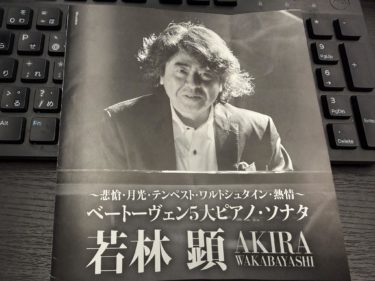
お付き合いしている会計事務所さんのご縁でコンサートに行ってきました。

還暦のヴィルトゥオーゾ・ピアニスト若林顕さんが、三曲ものピアノ協奏曲を一日で弾かれたコンサートでした。


どの曲も体力を使う大曲ですが

ショパンは繊細に

チャイコフスキーは壮大に

ラフマニノフは甘美に

まさに三曲三様の表現で弾かれ、さらに終了後にラヴェルのソナチネ2番と、ショパンの革命をさらっとアンコールで弾かれて終了。

素晴らしいコンサートでした。

ちなみにヴィルトゥオーゾとは何か?

音楽学の定義では

「超常的技巧+個性的解釈を両立する演奏家」

とされています。

しかし実際にホールで聴くと、もっと直接的で、

● 時間が止まる

● 空気が震える

● 観客が息をするのを忘れる

● 心臓の鼓動が演奏に同期する

といった“生理学的な現象”が起きる。

ヴィルトゥオーゾとは

聴衆の脳と身体の両方を“支配できる”演奏家のこと

と定義できるのではないでしょうか。

閑話休題

僕は昔からピアノの音色が好きでしたが、特に交響楽団とピアノの独奏が聴くことができるピアノ協奏曲が大好きでした。

今でも空いた時間があると、ピアノコンチェルトの題目のコンサートを探してしまいます。

ピアノ協奏曲が脳科学的にも良い理由を幾つか考えてみました。

1. ピアノ協奏曲は「人間の物語」を描くから

協奏曲は、独奏者(自分) vs オーケストラ(世界)という構図の音楽です。
これは心理学的に、人がもっとも共感しやすい形式といわれています。

主題が立ち上がる=自分の声を世界に投げかける瞬間

管弦楽が応じる=社会との対話

カデンツァ=孤独な内面の独白

終結部=世界と調和していくプロセス

人間の人生の縮図を、20〜40分のスケールでドラマとして見せてくれる。

だから“聴く側がいつのまにか主人公になる”のです。

◆ 2. ピアノの音は「人の声帯と周波数が近い」から心に刺さる

ピアノの平均的主成分は 250〜4,000 Hz の帯域で、これは人間の音声とほぼ重なります。

つまり脳はピアノを“自分と同じ声の仲間”として処理しやすい。

とくに協奏曲のようにオーケストラの中でピアノが際立つと、「私の声が大きく世界に響く」という錯覚的快感が生まれます。

◆ 3. 協奏曲は「旅の風景」と似ている

世界のホールを回ると痛感するのですが、協奏曲ほど“都市の空気に左右される音楽”はありません。

ラフマニノフ2番 → 冬のロンドンやモスクワの湿度

ラフ3 → カーネギーホールの鋼のような残響

モーツァルト20 → ウィーン黄金ホールの柔らかな吸音

プロコフィエフ3 → バルセロナの硬質な石壁の反射

都市の“温度・歴史・建築”がそのままサウンドに溶け込むため、協奏曲鑑賞は 「音楽による都市体験」 と非常に近いのです。

旅好きの人が協奏曲に惹かれるのは、ごく自然なこと。

◆ 4. ピアノ協奏曲は「脳の報酬系をもっとも強く刺激する構造」になっている

神経科学研究では、「音楽のクライマックスの直前でドーパミンが最も分泌される」ことがfMRI研究で確認されています。

協奏曲はその構造上

独奏が登場(期待)

緊張の高まり

カデンツァのピーク

オーケストラとの統合

爆発的な終止

という“脳が最も快感を感じる流れ”を必ず踏みます。

映画よりもドラマ性が高く、オペラよりも直接的で、ソナタよりも外界との対話が大きい。

つまり協奏曲は 「脳が快楽として感じる構造の完成形」 なのです。

◆ 5. 医学的には“適度なストレス+解放”が気持ちよさを作る

とくにラフマニノフやブラームスは開始直後に低音の衝撃を与えて交感神経を刺激し、そのあとで旋律美によって副交感神経を引き戻します。

この“交感 → 副交感”の往復が心地よいと感じるのは音楽療法でも繰り返し示されている反応で、一種の“聴覚マッサージ”のような効果があるのです。

◆ 6. 協奏曲は「人間の限界への挑戦」を目撃する芸術

ソリストがステージ中央でオーケストラを背負い、約40分間極度の集中で精神を燃やす。

これはスポーツの世界とも重なる“人間の極限”。

心理学的には、人は他者が危機や緊張を乗り越える瞬間に強く共感しやすい。

ピアノ協奏曲のカデンツァは、ソリストがひとりで「運命と取っ組み合う」時間。

観客はそこに自分の感情を投影し、だから“胸が熱くなる”。

◆ 結論:なぜ人はピアノ協奏曲が好きなのか

おそらく理由はこうです。

● ピアノ=人間の声質に近く、親密な響きだから

● 協奏曲=人生のドラマを20〜40分で体験させてくれる形式だから

● 旅をしてきた感性に、都市の響きが重なるから

● 医学的にも脳が快楽として感じる構造になっているから

● ソリストが人間の限界に挑む姿が、深い共感を呼ぶから

つまり、ピアノ協奏曲は“人生・都市・精神・科学”が最も美しく交差する音楽形式なのです。

ちなみに、自分が10大ピアノコンチェルトを選ぶとしたらこんな感じでしょうか?

①ラフマニノフ:ピアノ協奏曲第2番 ハ短調 Op.18

モスクワ音楽院の冬、氷点下の街に立ちのぼる白い息。

この曲の冒頭の和音を聴くたび、僕はいつもロシアの湿度のある寒さを思い出します。

あの2楽章の旋律は「癒し」ではなく「立ち上がる意志」そのもの。

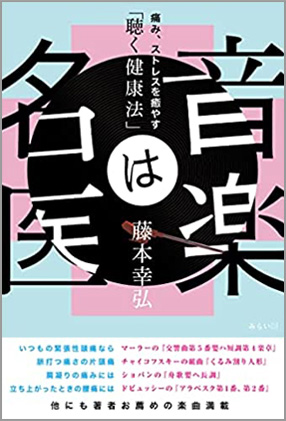
世界中のホールで同曲を聴いてきましたが、「音楽は名医」で一生に一度しか指揮のチャンスがないかもしれないと選んだのが、超難曲でしたが、この曲でした。

② ラフマニノフ:ピアノ協奏曲第3番 ニ短調 Op.30

ニューヨークのカーネギーホール——。

ラフマニノフ自身が1909年にここで初演したことはよく知られています。

いまも、この曲を聴くと舞台袖に漂う“本番前の金属的な緊張”が蘇ります。

ピアノ単音から始まる旋律は、単なる難曲ではない。

3楽章に向かう頃には、ピアニストの精神が研ぎ澄まされ、会場全体が“ひとつの肺”のように呼吸を止めるのです。

演奏が終わった瞬間の静寂は、他の協奏曲にはない特別な質感です。

③ チャイコフスキー:ピアノ協奏曲第1番 変ロ短調 Op.23

冒頭の“強打する和音”は、作曲者がアメリカ滞在中に見た“新世界の荒々しい自然”を象徴しているとも言われます。

僕自身、子供のころに父親のエミールギレリスの演奏のLPレコードを擦り切れるほど聞きました。

第一楽章のピアノの独奏からの金管の輝き、第二楽章の甘い小品的世界から、終楽章の民族舞曲の爆発まで——

“ロシアとアメリカの間に架かる一本の橋”のような協奏曲です。

④ ベートーヴェン:ピアノ協奏曲第5番《皇帝》変ホ長調 Op.73

ウィーンの楽友協会で聴いた《皇帝》。

黄金の間の装飾が、1楽章の主題の堂々たる歩みにぴたりと重なる。この曲が作られた1809年、ベートーヴェンはナポレオン軍の侵攻で砲声の中にいました。

だから《皇帝》は“戦いの勝利”ではなく「混乱の只中で見失わない尊厳」の音楽なのです。

第二楽章の静謐さは、その証。

⑤ モーツァルト:ピアノ協奏曲第20番 ニ短調 K.466

モーツァルトが残した数少ない“短調協奏曲”。

この曲の闇の深さは、ウィーンの評判紙でも“激情のモーツァルト”と記されています。

僕が初めてこの曲を生で聴いたのは楽友協会。

金色のホールにもかかわらず、音は天井へ抜けず“沈むように消えていった”。

まるで光を吸い込むヴェルヴェットのよう。

オペラ的運命感を帯びた協奏曲です。

⑥ ブラームス:ピアノ協奏曲第1番 ニ短調 Op.15

ハンブルクの冬の空は重い。

その空気の色が、そのままこの曲の1楽章の和声になったような気がします。

ブラームスはこの曲で“交響曲を書こうとして失敗した”と自嘲していますが、実際には交響曲以上に青春の激情が詰まっている。

特にティンパニとピアノが対峙する場面は、若者の叫びのようで胸を打ちます。

⑦ ブラームス:ピアノ協奏曲第2番 変ロ長調 Op.83

南ドイツの広い草原を思わせる大曲。

4つの楽章は“旅の四季”のようで、特に第3楽章のチェロ独奏は名演が多い。

初演時、評論家が「これはピアノ協奏曲に姿を借りた交響曲だ」と評したのも有名。

ハーモニーの美しさは宇宙を彷彿とさせます。長旅を終えた後の満足感は、この曲が随一でしょう。

⑧ プロコフィエフ:ピアノ協奏曲第3番 ハ長調 Op.26

スペインのホールで客席にいたときアタッカで飛び込んでくる主題が壁に反射し、“光の粒”になって踊るようでした。

プロコフィエフはこの曲を“最もバランスの良い協奏曲”と述べています。鋭く、しかしユーモアがあり、20世紀の機械文明のリズムをまとった傑作。

⑨ バルトーク:ピアノ協奏曲第3番 Sz.119

アメリカ亡命中の晩年、病床の妻ディッタのために書いた曲。

“死の影と祈りの光”が不思議に共存している。

この協奏曲を聴くと、ニューヨークの晩秋の公園の静けさを思い出します。

民族音楽の熱は薄れ、余計な力を抜いた“透明な感情”が残る。

⑩ ショパン:ピアノ協奏曲第1番 ホ短調 Op.11

弱冠20歳の若きショパンがワルシャワで書いた青春そのものの協奏曲。

当時の新聞にも“香気を伴う若き才能”と記されています。

ワルシャワの夜、街灯の滲む雨の通りでこの曲を聴いたとき、第二楽章の“恋文のような旋律”が空気に溶けていくのを忘れられません。

グリーグ:ピアノ協奏曲 イ短調

サン=サーンス:協奏曲第2番

ラヴェル:左手のための協奏曲

ラフマニノフ:パガニーニ狂詩曲

ショスタコーヴィチ:ピアノ協奏曲第2番

このあたりも入れたかったんですけれどねえ。


Why Are People So Captivated by Piano Concertos?

Thanks to an introduction from our partner accounting firm, I had the chance to attend a concert. It featured the virtuoso pianist Akira Wakabayashi—now sixty years old—who performed three piano concertos in a single day.

Each piece alone demands immense stamina, yet he played Chopin with delicacy, Tchaikovsky with grandeur, and Rachmaninoff with sensual richness—three entirely different worlds. And after finishing all three, he casually offered Ravel’s Sonatine (2nd movement) and Chopin’s Revolutionary Étude as encores.

It was a magnificent concert.

So—what exactly is a virtuoso?

Musicology defines a virtuoso as
“a performer who unites supernatural technique with deeply individual interpretation.”

But when you listen in a concert hall, the experience feels much more direct:

● Time stops
● The air begins to tremble
● The audience forgets to breathe
● Your heartbeat synchronizes with the performance

These are almost physiological phenomena.

A virtuoso, then, could be defined as
a performer capable of taking command of both the audience’s brain and body.

–––

I’ve always loved the sound of the piano, but especially piano concertos—where the piano’s solitary voice meets the vast landscape of the orchestra.

Even now, whenever I have a free moment, I find myself searching for concerts with piano concertos on the program.

Here are a few neuroscientific and psychological reasons why piano concertos are so compelling.


1. Piano concertos tell “human stories.”

A concerto is structured as soloist (the self) vs orchestra (the world).
Psychologically, this is said to be one of the most relatable forms of expression.

The theme emerges = the moment you cast your voice into the world
The orchestra responds = dialogue with society
The cadenza = solitary inner monologue
The finale = reconciliation with the world

A concerto compresses the arc of a human life into 20–40 minutes of drama.

The listener becomes the protagonist without even realizing it.


2. The piano’s sound is close to the human voice.

The piano’s main frequency components lie roughly between 250–4,000 Hz—
almost identical to the human vocal range.

This makes the brain perceive the piano as a “voice akin to our own.”
And in a concerto—where the piano rises above the orchestra—
we experience a sort of illusory pleasure:

“My voice is resonating through the world.”


3. Concertos resemble “landscapes of travel.”

Traveling across concert halls around the world, I’m struck by how strongly concertos are shaped by the air of each city:

Rachmaninoff No.2 → damp winter air of London or Moscow
Rach 3 → the steel-like resonance of Carnegie Hall
Mozart No.20 → the soft acoustics of Vienna’s Golden Hall
Prokofiev No.3 → the stone reflections of Barcelona

Because a city’s temperature, history, and architecture melt into the sound,
listening to a concerto becomes a kind of urban experience through music.

No wonder travelers feel drawn to concertos.


4. Concertos strongly stimulate the brain’s reward system.

Neuroscience shows that
dopamine peaks right before the musical climax.

Structurally, a concerto always passes through:

— Entrance of the soloist (anticipation)
— Rising tension
— Cadenza peak
— Reintegration with the orchestra
— Explosive conclusion

It is the exact flow the brain finds most pleasurable.

More dramatic than film, more direct than opera,
and more dialogic than a sonata.

A concerto is a perfected architecture of musical pleasure.


5. Medically, they offer “stress and release.”

Especially in Rachmaninoff and Brahms:

Low, thunderous openings stimulate the sympathetic nervous system,
then lyrical melodies pull us back toward the parasympathetic.

This oscillation—sympathetic → parasympathetic—
creates the deeply pleasant sensation often described in music therapy.
Like a kind of auditory massage.


6. Concertos let us witness “human limits.”

A soloist stands at center stage, carrying the orchestra on their back,
burning mental focus for nearly forty minutes.

This resembles athletic extremity—the limit of human capability.

Psychologically, people empathize strongly when witnessing another person
overcome tension or crisis.

The concerto cadenza is the moment the soloist “wrestles with fate” alone.
The audience projects their emotions into it—
and that is why our hearts swell.


Conclusion: Why do we love piano concertos?

Perhaps for reasons like these:

● The piano feels intimate because its spectrum resembles the human voice
● The concerto lets us live a full life’s drama in under an hour
● We sense the resonance of cities and travel through sound
● Its structure aligns with the brain’s reward system
● We witness a performer challenging the limits of human ability

In other words,

A piano concerto is where life, cities, the spirit, and science intersect most beautifully.


If I were to choose my “Top 10 Piano Concertos,” they would be:

1. Rachmaninoff – Piano Concerto No.2 in C minor, Op.18

The winter of the Moscow Conservatory; breath rising white in the subzero air.
The opening chords always bring back that damp Russian cold.

The second movement is not “healing,” but the very will to rise again.
Of all the halls where I’ve heard this piece, it remains the music I chose—
though a formidable challenge—when conducting what might be my one chance in a lifetime.


2. Rachmaninoff – Piano Concerto No.3 in D minor, Op.30

Carnegie Hall, New York.
Famous as the site of Rachmaninoff’s own 1909 premiere.

Whenever I hear this piece, that metallic tension backstage returns.
The opening single-note melody is not merely difficult;
by the third movement the pianist’s spirit is sharpened to its edge,
and the audience seems to hold its breath as one single lung.

The silence after the final note has a quality unlike any other concerto.


3. Tchaikovsky – Piano Concerto No.1 in B-flat minor, Op.23

The opening hammered chords are said to reflect the wild nature
Tchaikovsky saw during his time in America.

As a child, I wore out my father’s LP of Emil Gilels playing this piece.
The brilliance of the brass after the piano’s first solo,
the tender second movement, the folk-dance explosion of the finale—
a bridge between Russia and America.


4. Beethoven – Piano Concerto No.5 “Emperor” in E-flat major, Op.73

I heard the Emperor at Vienna’s Musikverein.
The hall’s golden glow perfectly matched the noble stride of the first theme.

In 1809, Beethoven wrote this amid Napoleon’s invasion and cannon fire.
So the “Emperor” is not triumph over war, but

the dignity one refuses to lose in the midst of chaos.

The serenity of the second movement proves it.


5. Mozart – Piano Concerto No.20 in D minor, K.466

One of Mozart’s rare minor-key concertos.
Even early Viennese reviews called it “Mozart in a state of passion.”

The first time I heard it live at the Musikverein,
the sound didn’t rise to the ceiling—it sank, like velvet absorbing light.
An operatic sense of fate permeates the work.


6. Brahms – Piano Concerto No.1 in D minor, Op.15

Hamburg’s winter sky hangs heavy—just like the harmony of the first movement.
Brahms joked that he “failed to write a symphony,”
but in truth it contains more youthful fire than a symphony.

When the timpani and piano confront each other,
it feels like a young soul crying out.


7. Brahms – Piano Concerto No.2 in B-flat major, Op.83

A vast landscape reminiscent of southern Germany.
Four movements like the four seasons of a long journey.
The third movement’s cello solo has countless celebrated performances.

A critic once wrote:
“This is a symphony disguised as a piano concerto.”
The harmonic beauty is almost cosmic.


8. Prokofiev – Piano Concerto No.3 in C major, Op.26

In a Spanish hall, the opening theme shot forward attacca,
and the reflections on the stone walls danced like particles of light.

Prokofiev called it his “most balanced concerto”—sharp, witty,
and pulsing with the rhythm of the machine age.


9. Bartók – Piano Concerto No.3, Sz.119

Written during his final years in America for his ailing wife, Ditta.
A strange coexistence of shadow and prayer.

It always reminds me of late-autumn quiet in a New York park—
folk intensity stripped away, leaving a transparent emotion.


10. Chopin – Piano Concerto No.1 in E minor, Op.11

Written by a 20-year-old Chopin—pure youth.
Contemporary newspapers spoke of “a fragrant young genius.”

One rainy night in Warsaw,
I heard the second movement’s love-letter-like melody dissolve into the air.
I’ve never forgotten it.


Grieg’s A minor Concerto,
Saint-Saëns No.2,
Ravel’s Left-Hand Concerto,
Rachmaninoff’s Rhapsody on a Theme of Paganini,
Shostakovich No.2…

I would have loved to include those as well.


Kバレエ くるみ割り人形


〜Kバレエのくるみ割り人形と、冬にだけ現れる「舞台の魔法」〜

年末になると、くるみ割り人形を観たくなる。世界の劇場で何度となく観てきた作品だけれど、Kバレエの『くるみ割り人形』には、日本の冬にしか立ち上がらない透明な魔法がある。

勧められるがままにコロナ後に観始めて、すっかりハマり、今年で三年連続。

客席に座ると、ふとサンクトペテルブルクで観たあの公演を思い出した。

氷点下の冬……ではない。

白夜の季節、真夜中なのに薄明るい“夜とも昼ともつかぬ”時刻に観た『くるみ割り人形』。

劇場を出ても、外は宵闇に沈まない。

眠らない都市の白い光とバレエの余韻が混ざり、夢と現実の境界が曖昧になる。

あの不思議な空気は、ロシアの劇場でしか味わえない特別な時間だった。

それに対して、東京の冬は凛として乾いている。

照明が入る瞬間、白い光が粉雪のように舞い、劇場の空気がきゅっと引き締まる。

——日本の冬には、日本の夢のかたちがある。

二本立てが生んだ「短い夢」の構造

今回教えてもらい僕も初めて知ったのだけれど、チャイコフスキー三大バレエの中で『くるみ割り人形』だけが短いのは、この作品がオペラ《イオランタ》との二本立てとして作られたからなのだそう。

《イオランタ》は盲目の王女が“光”を知る物語。
『くるみ割り人形』は少女が“夢”を見る物語。

片方は視覚の獲得、もう片方は幻想の冒険。
まるで“光を得た者が、その光で見る夢”のように響き合っている。

初演時の批評には、《イオランタ》の深い余韻に観客がやや疲れ、その後に続く『くるみ割り人形』のクリスマス・イヴの喧騒が客席を一気に軽くしたと記録されている。

つまり、最初から

「重→軽」「現実→夢」
という構造で設計されているのだ。

そのため、くるみ割り人形は長くしすぎてはいけなかった。

夢は“短い”からこそ密度を保つ。

Kバレエの夜に戻る

幻想の扉が開くと、クララは夢の世界へ滑り込む。

ネズミの大軍に追われる場面の緊張感、そしてくるみ割り人形が凛と立ち向かう瞬間。

ふと僕は思う。

「この作品は、夢そのものの構造でできている」

《白鳥の湖》の悲劇性とも、『眠れる森の美女』の宮廷絢爛とも違う。

“ふっと現れて、ふっと消える”——その儚さが、年末の空気にしっくり馴染む。

井田勝大さんの指揮:

〜テンポの呼吸と、Kバレエの“冬の透明度”〜

今回も指揮者・井田勝大さんの作る“冬の呼吸”のようなテンポだ。

井田さんのチャイコフスキー。特に印象的だったのは次の三つ。

第1幕

「クリスマス・パーティ」
——子どもたちが駆け回るシーンで、テンポをわずかに前へ押す。その“ほころび”が舞台全体を温めてくれる。

「雪のワルツ」
——Kバレエの透明美学を最大化するため、テンポは極限まで速く振る。他の劇団にはまずない演出。踊り手の動きが光に溶けるように感じられ、また舞台に降る雪の量が半端なく、毎回凄いと思わず声が出る、何度でも観たい美しい演出。

第2幕

「金平糖の精」
——音が遠くから結晶になって落ちてくるようなアタック。
バレリーナの足先が一点で空気を切り裂く瞬間、指揮と舞が完全に一致する。

海外公演で聴くチャイコフスキーはもっと“色気が濃い”場合もあるが、井田さんのそれは“冬の透明度”を宿している。
Kバレエの美術と相性が良い理由がよくわかる。

舞台美術:
〜ヨーロッパの伝統と、日本の冬光が融合する場所〜
Kバレエの『くるみ割り人形』は、舞台美術がとても洗練されている。

色温度のコントロール
雪の場面で使われる青白い光が、東京の乾いた冬にぴたりとはまる。ヨーロッパの公演よりも“光の粒子感”が強い。

舞台セットの陰影
ドロッセルマイヤーの部屋の深い影は、旧き良きヨーロッパの重厚さを残しつつ、日本的なミニマリズムを感じさせる構図にまとめられていた。

バレエ団ならではの軽やかな動線
クララが空間を移動するたびに、舞台が一瞬で“別の世界”になる。世界各地の踊り子たちが登場するシーンでは、次の踊り子がマントをかぶって登場、そのマントが斜め上にパッと飛び、踊り子が現れる。この切り替えの巧さは、海外カンパニーでは観ないものだ。

東京の冬空の下で

終演後、劇場を出ると街路樹がシャンパンゴールドに輝いていた。十九世紀のサンクトペテルブルクと令和の東京。

距離も時代も違うのに、同じ音楽が冬の夜を満たし、同じ夢の入口をそっと開けてくれる。

終幕後、舞台裏で、指揮者の井田さんにご挨拶。

温かな笑顔のまま「またお会いできてよかったです!」とお互い自然に親愛のハグ。僕も感動を伝えるにはそれが一番速かったんですよね。笑。

その瞬間、舞台の余韻がもう一段深く沈んでいった。今年も本当に、美しく豊かな夜だった。


K-Ballet’s Nutcracker and the “Theater Magic” That Appears Only in Winter〜

As the year draws to a close, I find myself wanting to watch The Nutcracker. I’ve seen countless productions around the world, yet K-Ballet’s Nutcracker possesses a kind of transparent magic that only rises in the Japanese winter.

I started watching it after being encouraged to do so in the post-Covid years, and before I knew it, I was hooked—this year makes it three in a row.

Sitting in the audience, I suddenly remembered the performance I once saw in St. Petersburg.

Not in the sub-zero winter.

But during the season of the white nights, that faintly bright hour when midnight is neither quite night nor day. Even after leaving the theater, the city never sank into dusk.

The pale light of the sleepless city mingled with the lingering afterglow of the ballet, blurring the boundary between dream and reality.

That strange atmosphere was a special experience one could only feel in a Russian theater.

In contrast, Tokyo’s winter is crisp and dry.

The moment the lights come up, the white beams scatter like fine snow, and the air in the theater tightens sharply.

—Japan has its own shape of dreams in winter.


The “Brief Dream” Born from a Double Bill

I learned this for the first time only recently: among Tchaikovsky’s three great ballets, The Nutcracker is the only one that is short because it was created as part of a double bill with the opera Iolanta.

Iolanta is the story of a blind princess who comes to know “light.”
The Nutcracker is the story of a girl who experiences a “dream.”

One is the gaining of vision; the other, an adventure in fantasy.
They resonate with each other—almost like “the dream seen by someone who has just obtained light.”

Early reviews recorded that the deep aftertaste of Iolanta left the audience slightly fatigued, and the bustling Christmas Eve scenes of The Nutcracker that followed immediately lightened the mood of the hall.

In other words, from the start it was designed with the structure:

“Heavy → Light”
“Reality → Dream”

This is why The Nutcracker was never meant to run long.

A dream keeps its density precisely because it is brief.


Returning to K-Ballet’s Night

When the door to fantasy opens, Clara slips into the world of dreams.

The tension of the scene where she is chased by the army of mice, and the moment the Nutcracker stands firm to face them—

I find myself thinking:
“This work itself is constructed like a dream.”

It’s neither the tragedy of Swan Lake nor the courtly opulence of The Sleeping Beauty.

It appears softly and disappears softly—its very transience fits perfectly with the atmosphere of year’s end.


The Conducting of Katsuhisa Ida:

—The Breath of Tempo and K-Ballet’s “Winter Transparency”—

Once again this year, conductor Katsuhisa Ida shaped the music with a tempo that felt like the gentle breathing of winter.

Three moments of his Tchaikovsky particularly struck me:

Act I

“The Christmas Party”
—In the scene where the children run about, he pushes the tempo ever so slightly forward. That subtle “unraveling” warms the entire stage.

“Waltz of the Snowflakes”
—To maximize K-Ballet’s aesthetic of purity, he drives the tempo to the absolute limit—something rarely seen in other companies. The dancers’ movements seem to dissolve into the light, and the sheer volume of falling snow is astonishing every time. It’s a scene I could watch again and again.

Act II

“The Sugar Plum Fairy”
—The attack of the notes feels like crystals dropping from afar. At the instant when the ballerina’s pointe slices the air at a single point, the conducting and the dancing become completely one.

Abroad, Tchaikovsky is sometimes played with a richer sensuality, but Ida’s interpretation holds a “winter clarity.”
It’s easy to see why it harmonizes so well with K-Ballet’s visual world.


Stage Art:

—Where European Tradition Meets Japanese Winter Light—

K-Ballet’s Nutcracker is remarkably refined in its stage design.

Color temperature control
The blue-white light used in the snow scene fits Tokyo’s dry winter perfectly. Compared with European productions, the “particle quality” of the light feels more pronounced.

Shadowing of the sets
The deep shadows in Drosselmeyer’s room retain the weight of old European grandeur, yet the overall arrangement evokes a Japanese sense of minimalism.

Fluid movement unique to a ballet company
Each time Clara moves through space, the stage transforms instantly into “another world.”
In the scene where dancers from around the world appear, the next dancer enters cloaked in a mantle, which is then whisked diagonally upward—revealing the dancer beneath. This quick transition is something I’ve never seen in overseas companies.


Under the Winter Sky of Tokyo

After the performance, the street trees outside the theater glowed with champagne-gold lights.
Nineteenth-century St. Petersburg and Reiwa-era Tokyo.

Separated by distance and time, yet the same music fills the winter night and gently opens the same door to a dream.

After the final curtain, I greeted conductor Ida backstage.

With a warm smile he said, “I’m so glad we could meet again!” and we naturally exchanged a friendly hug. Honestly, it was simply the quickest way to convey what I felt. (Laughs)

In that moment, the afterglow of the stage sank one note deeper.
It was, again, a truly beautiful and abundant night.


楽しかった恋の記憶は美肌を作る


〜“恋愛記憶 × 音楽 × 美肌”という若返りの方程式〜

「若かった頃の恋愛の成功体験を思い出す」

この行為には、驚くほど強い“生物学的若返り効果”があります。

しかも、それは単なる気分の問題ではなく、
測定機器で確認できる“数値の若返り”として現れる。

では、その仕組みを丁寧に紐解いていきましょう。

1. 恋愛記憶が「エストロゲン」を押し上げる理由

恋愛で味わった
・ときめき
・成功感
・求められた実感
・自己肯定感
これらは脳の報酬系を動かし、視床下部—下垂体—性腺系(H-P-G axis)にスイッチを入れます。

その結果——

エストロゲン分泌が上がる
幸福ホルモン(オキシトシン)が増える
ストレスホルモン(コルチゾール)が下がる
特に「成功体験」を思い出すことは、
“自分は価値がある”という脳の再確立
になり、ホルモン環境を若々しい方向へ戻す。

2. エストロゲンは“肌そのものを若返らせるホルモン”

エストロゲンは美肌の三本柱で作用します。
① コラーゲン合成アップ
皮膚のハリ・弾力をつくる主役。
加齢で減るが、エストロゲンはその合成を促す。
② 保湿力アップ(ヒアルロン酸産生)
肌の“潤い保持力”を高める。
乾燥肌・小じわに直結。
③ 皮膚の血流改善
血色・透明感・ふっくら感が増す。
つまり、
弾力・ツヤ・みずみずしさ
はエストロゲンの領域。
実際、皮膚弾性測定器(カットメーターやスキンコンダクタンス)で測っても、
弾力度↑
水分量↑
皮膚の回復速度↑
といった“数字の若返り”が確認されやすい。

3. 音楽がこの効果をさらに強化する

ショパンのような
・滑らかな旋律
・中低域中心
・ゆっくりしたテンポ
は副交感神経を優位にし、ホルモン分泌環境を整えます。

特に
「恋愛の記憶 × 音楽」
この組み合わせは、
感情想起が強くなる
自己肯定感が上がる
恋愛脳回路が活性化

結果として、エストロゲン分泌の“ブースター”になる。
まさに、
感情 × 音 × 記憶 = 生体若返りの三重奏
です。
4. しかし——“シミ・色”は別領域
ここが非常に重要。

エストロゲンが得意な領域
・ハリ
・弾力
・うるおい
・血色

苦手な領域
・シミ
・色ムラ
・肝斑
・日光性色素沈着
なぜならこれらは
メラニン × 紫外線 × 表皮代謝
の問題であり、
ホルモンでは動かない領域だからです。
だから結論は明快。

5. 結論

肌内部(弾力・潤い)を若くしたいなら
恋愛記憶 × 音楽は非常に有効。

肌表面(色・シミ)を若くしたいなら
レーザー治療が最適解。
特に—

6. 名言としてまとめると
「感情は真皮を若返らせ、レーザーは表皮を整える。」
どちらも必要。
どちらも役割が違う。
そして両方そろったとき——
“本当の若さ”が完成する。

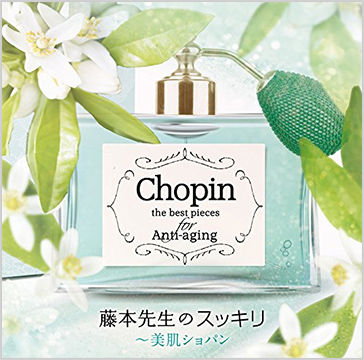
〜“美肌ショパン” TOP10 〜肌は音から若くなる〜

美容医療の世界でよく議論されるのが——
「肌は鏡。生活と感情を正確に映す。」
睡眠不足
ストレス
緊張
自律神経の乱れ
これらはすべて、

血流低下
乾燥
くすみ
炎症
コラーゲン低下
につながり、肌を老けさせる。

つまり美肌とは——
“血流 × 副交感神経 × 睡眠 × ストレスコントロール”
この4本柱で成立する。

そしてショパンの音楽は、この4つに驚くほど相性がいい。
なぜか?

ゆっくり
レガート(滑らか)
中低音中心
情緒をほぐす
呼吸と同期する
つまり——
ショパンは“肌が回復する環境”を作る音楽。
では、“美肌の観点”で選んだ10曲を深掘りしていきましょう。

① ノクターン Op.9-2

◎ 呼吸が深くなり、皮膚血流が上がる
滑らかな旋律が呼吸を整え、顔面や末梢の血流がふっと改善。
血流は美肌の酸素と栄養の運搬路。
◎ 力みが抜け、表情筋が柔らかくなる
噛みしめ・額の緊張はシワを固定化させる。
この曲は表情を“ゆるむ方向”へ導く。
◎ 夜の静けさで睡眠導入を助ける
質の良い睡眠=成長ホルモン=コラーゲン生成。

② ノクターン Op.27-2

◎ 情緒が整い、ストレス炎症が下がる
ストレスは肌の炎症・赤み・ニキビを悪化させる。
この曲は“心の圧”を静かに落とす。
◎ 透明感のある響きが“肌のトーン”を整える
感情が落ち着くと顔色は明るくなる。
肌の明るさは血行と直結。

③ 雨だれ前奏曲 Op.28-15

◎ 一定リズムが自律神経を安定
ゆっくりした反復は副交感神経を優位に。
副交感神経が働くほど保湿力は高まる。
◎ “涙の代わり”になる浄化作用
感情を溜め込むと肌はくすむ。
涙と同じように、この曲は心の排出を助ける。

④ エチュード Op.10-3「別れの曲」

◎胸郭が緩み、酸素供給が増える
胸周りの筋緊張がゆるむと、血流と酸素が肌に届きやすくなる。
◎感情の鎮静で肌ストレスをリセット
怒り・焦りは老化ホルモンを上げる。
この曲は“ため息のような落ち着き”を作る。

⑤ ワルツ Op.64-2

◎ “揺れ”が副交感神経を優位に
ゆりかごのような三拍子は身体を緩ませる。
肌はリラックスの時に修復される。
◎軽い明るさが血色を押し上げる
明るすぎない——ここが肌に優しい。

⑥ バラード第1番

◎深い呼吸と“内側を整える時間”
肌は外側ではなく内側の循環で変わる。
この曲は内観を促し、精神疲労を抜く。
◎クライマックス後の静けさが回復ゴールデンタイム
緊張→解放のあとの静寂は、肌修復のスイッチ。

⑦ マズルカ Op.17-4

◎体の余分な力が抜け、顔のむくみが軽減
むくみは筋緊張と血行不良。
この曲の“曖昧な明るさ”が緊張を溶かす。
◎沈んだ気持ちに寄り添い、炎症反応を抑える
悲しみを否定しない音こそ、肌に優しい。

⑧ 舟歌 Op.60

◎水面の揺れのようなリズムが血流を整える
揺れは血管を柔らかくし、肌のハリにつながる。
◎長いフレーズが呼吸を深くし保湿力UP
呼吸×副交感神経=皮膚バリア回復。

⑨ レント・コン・グラン・エスプレッシオーネ(遺作)

◎“涙の代替”として感情を浄化
抑え込んだ感情=肌のくすみ。
出せた瞬間、肌色は変わる。
◎静かな内省で睡眠前の神経を落とす
眠りの質は肌の質。

⑩ 子守歌 Op.57

◎深い眠りへ誘導——美肌の本丸
美肌ホルモン(成長ホルモン・メラトニン)は睡眠中に分泌。
この曲は眠りへの最短ルート。
◎緊張ゼロの音構造
肌は緊張が大嫌い。
緩むことが“若返り”。

“美肌ショパン”の聴き方

夜に小さな音で
肌修復は夜が本番
4秒吸って6秒吐く呼吸で
血流と副交感神経が最大化
ベッド or ソファで脱力
筋緊張が下がるほど肌は潤う

結論
美肌は化粧品だけで作られない。
レーザーだけでも作られない。
美肌は“回復できる状態”で作られる。
ショパンは——
肌に負担をかけず
心をほどき
血流と睡眠を整える音楽。
つまり、美肌への“環境デザイン”。

~ The “Love Memory × Music × Beautiful Skin” Formula for Rejuvenation ~

“Recalling successful romantic experiences from your younger years.”
This simple act has a surprisingly strong biological rejuvenating effect.
And it’s not just about feeling better—
it can actually appear as measurable improvements on diagnostic devices.
Let’s break down the mechanism step by step.


1. Why Romantic Memories Boost Estrogen

Moments you experienced in past relationships—
• that flutter of excitement
• the sense of success
• feeling desired
• enhanced self-worth

All of these activate the brain’s reward system and switch on the hypothalamic–pituitary–gonadal axis (H-P-G axis).

As a result:

  • Estrogen levels rise

  • Oxytocin (“the love hormone”) increases

  • Cortisol (the stress hormone) decreases

In particular, recalling experiences of success helps your brain re-establish the belief that
“I am valuable,”
which shifts your hormonal environment toward a more youthful state.


2. Estrogen: The Hormone That Literally Rejuvenates the Skin

Estrogen works on the three pillars of beautiful skin:

1) Increased collagen synthesis
Collagen creates firmness and elasticity.
It naturally declines with age, but estrogen promotes its production.

2) Improved hydration (via hyaluronic acid production)
This enhances the skin’s moisture retention—
a key factor in dryness and fine lines.

3) Better microcirculation
More blood flow means better tone, clarity, and plumpness.

In other words,
firmness, radiance, and dewiness
belong to estrogen’s domain.

Instruments like cutometers or skin conductance meters often show:

  • increased elasticity

  • higher moisture levels

  • faster skin recovery

These are the numeric signs of rejuvenation.


3. Music Enhances This Effect Even Further

Music like Chopin—
• smooth melodies
• mid–low frequency tones
• slow, gentle tempo—
activates the parasympathetic nervous system and optimizes hormonal balance.

Especially:

Romantic memories × Music
= stronger emotional recall
= higher self-esteem
= activation of “romantic brain circuits”

This becomes a booster for estrogen release.

It’s truly a triad:
Emotion × Sound × Memory = Biological Rejuvenation.


4. But—Pigmentation and Dark Spots Are a Different Field

This point is extremely important.

Areas estrogen is good at improving:

  • firmness

  • elasticity

  • hydration

  • healthy tone

Areas it is NOT effective for:

  • dark spots

  • uneven pigmentation

  • melasma

  • sun damage

Why?
Because these issues come from
melanin × UV exposure × epidermal turnover,
which hormones do not directly change.

Therefore:


5. Conclusion

If you want to rejuvenate the inner skin—its firmness and moisture—
romantic memories × music are highly effective.

If you want to rejuvenate the surface of the skin—its color and spots—
laser treatments are the optimal solution.


6. Summarized as a Quote

“Emotion rejuvenates the dermis; lasers perfect the epidermis.”
Both are necessary.
Both play different roles.
And when they come together—
true youth is complete.


~ “Chopin for Beautiful Skin” Top 10: How Music Makes Your Skin Younger ~

In aesthetic medicine, we often say:
“Skin is a mirror—it reflects lifestyle and emotion with precision.”

Lack of sleep
Stress
Tension
Autonomic imbalance

All of these lead to:

  • reduced circulation

  • dryness

  • dullness

  • inflammation

  • loss of collagen

In other words, beautiful skin is built on four pillars:
blood flow × parasympathetic balance × sleep × stress control

And Chopin’s music matches these four astonishingly well.
Why?

  • slow pace

  • legato phrasing

  • mid/low register

  • emotional softening

  • synchronizes with breathing

Chopin creates an environment where the skin can repair itself.

Here are ten pieces selected from the perspective of “skin beauty.”


① Nocturne Op. 9 No. 2

◎ Deepens breathing, enhances facial and peripheral circulation
◎ Releases facial tension, softens expression muscles
◎ Nighttime calmness supports sleep—
and good sleep = growth hormone = collagen production


② Nocturne Op. 27 No. 2

◎ Calms emotion, reducing stress-related inflammation
◎ Clear, transparent resonance brightens the skin tone through improved blood flow


③ Raindrop Prelude Op. 28 No. 15

◎ Its steady rhythm stabilizes the autonomic nervous system
◎ Acts as an emotional “purification,” preventing dullness caused by emotional stagnation


④ Étude Op. 10 No. 3 “Tristesse”

◎ Loosens the chest area, increasing oxygen supply to the skin
◎ Emotional quieting resets stress-related aging hormones


⑤ Waltz Op. 64 No. 2

◎ The gentle rocking of triple meter encourages parasympathetic dominance
◎ Soft brightness improves complexion without overstimulation


⑥ Ballade No. 1

◎ Encourages introspection and mental reset—skin changes from internal circulation
◎ The calm after the climax creates a prime window for recovery


⑦ Mazurka Op. 17 No. 4

◎ Releases unnecessary bodily tension, reducing puffiness
◎ Its tender melancholy soothes the mind and softens inflammatory reactions


⑧ Barcarolle Op. 60

◎ Wave-like rhythm improves vascular flexibility and skin firmness
◎ Long phrases deepen breathing, enhancing moisture barrier recovery


⑨ Lento con Gran Espressione (Posthumous)

◎ Acts as an emotional “substitute for tears,” clearing dullness
◎ Quiet introspection settles the nervous system before sleep


⑩ Berceuse Op. 57

◎ Guides the mind into deep sleep—critical for skin regeneration
◎ Completely tension-free structure promotes youthfulness through relaxation


How to Listen to “Chopin for Beautiful Skin”

  • Play at low volume at night

  • Nighttime is when skin repair peaks

  • Breathe: 4 seconds in, 6 seconds out

  • Relax fully in bed or on a sofa

  • Lower muscle tension = better hydration


Final Message

Beautiful skin isn’t created by cosmetics alone.
Nor by lasers alone.
It is created by a state of recovery.

Chopin’s music—
• soothes without strain
• unwinds the heart
• optimizes blood flow and sleep—

is a form of environmental design for beautiful skin.


カテゴリー