












TakahiroFujimoto.com

HOME MAIL
HOME PROFILE BOOKS MUSIC PAPERS CONFERENCES BLOG MAIL CLOSE

BLOG 藤本幸弘オフィシャルブログ

カテゴリー:書籍・雑誌・漫画・文藝

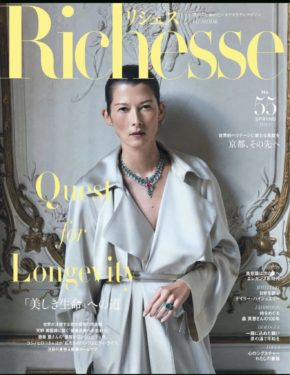
取材は 若く見られる食材について

本日は朝から診療に取材に打ち合わせに忙しく、エンジン全開で、全く休みなく動いています。


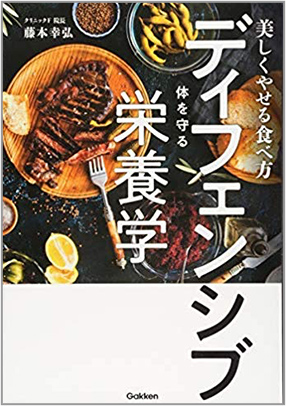
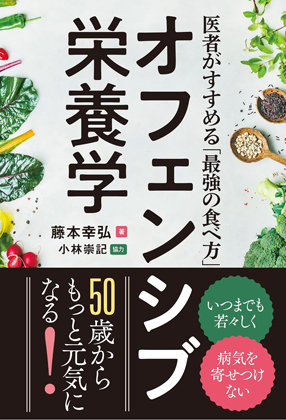
若く見られる食材。オフェンシブ栄養学についても取材を受けました!


栄養は身体の基本。サプリメントに頼らずに、年代別にギアチェンジをしながら栄養素を補っていくのがコツです。


Today has been non-stop, with medical consultations, interviews, and meetings since this morning. I’ve been running on full throttle with absolutely no time to rest. I also had an interview about offensive nutrition—nutrition for looking youthful, specifically. Nutrition is the foundation of the body. The key is to replenish nutrients without relying on supplements, by adjusting your intake according to your age and needs.


製本

今まで僕が書いてきた英文論文集ですが、今回綺麗に製本しました。

vol.1とvol.2。

これ以外に医学、工学、薬学、経営管理学と4つの博士論文を書いてきましたので、国会図書館に置いてあるはずのそれらの正論文を加えるともっと分厚くなりますが、とりあえず出版されたもののみ。


でもこの厚み。なんだか嬉しいものです。60歳までにvol.3も出せるかな?


These are the collections of English papers I’ve written so far, and this time I had them beautifully bound—Volume 1 and Volume 2.
In addition to these, I’ve written four doctoral dissertations in medicine, engineering, pharmaceutical sciences, and management, and the official versions of those should all be stored in the National Diet Library. If I were to include those as well, the collection would be even thicker, but for now I’ve compiled only the published works.

Still, this thickness—there’s something quietly satisfying about it.
I wonder if I’ll manage to publish Volume 3 before I turn sixty.


初めて乗ったマカオ航空 夏目漱石三部作

初めて乗ったマカオ航空 夏目漱石三部作

A320の小ぶりな機体で、座席にはディスプレイもなく、もちろんWifiもない。今どき珍しい“空白の時間”だが、こういうときほど読書は進む。


青空文庫に入れてある、高校生の頃から親しんできた、夏目漱石や谷崎潤一郎。

今回は久しぶりに、漱石の初期三部作の中の門を読み返していた。

初期三部作はロンドンから帰国したばかりの漱石が、あたかも研究者のように 「日本人の心の変容」 をテーマに据えて書き始めた時期の作品群だ。

明治という時代が生んだ、近代個人の“目覚め・行動・内省”。

三作はその三段階を、静かに、しかし鋭く照らしていく。

同じテーマを角度を変えて検証する、精緻な連作実験のようでもある。

これらは朝日新聞の連載小説だったが、言ってみれば、当時のいわゆる“朝ドラ”だった。

ただし、物語を楽しむだけではない。

日本人が「近代をどう生きるか」を毎朝紙面で議論する――

そんな 思想のライブ放送 でもあった。

新聞を開けば、そこに漱石の続きがある。学生も会社員も主婦も、皆が同じ物語の一行に心を寄せ、その日の日本の世論を動かしていたともいえる。

この共同体験の中で発表されたのが、漱石の 初期三部作 である。

1) 『三四郎』——“目覚め”の物語 1908年

熊本から東京へ出てきた三四郎は、文明開化の空気と、美禰子という不可思議な女性に翻弄されながら、世界の広さと自分の未熟さに気づいていく。

恋をしてもまだ動けない。

気持ちは揺れるのに、決断の回路がまだ育っていない。
大人になって読み返すと、若さの輪郭がいかに曖昧で、そして瑞々しいものだったかがよくわかる。

2) 『それから』——“決断”とその代償 1909年

三部作で最も劇的な作品だ。
主人公・代助は、知的には冴えているのに、社会的には宙ぶらりん。

高等遊民としての気ままな生活に浸っている。
しかし、ここで彼は三部作唯一の「愛のために行動する男」となる。友人の妻・三千代を愛し、そして選ぶ。

その決断によって、代助はついに“社会の壁”に激突し、転落していく。

漱石はこの作品で、

「行動する自我は必ず痛みを伴う」


という 近代人の宿命を描き出している。

行動は美しく、代償は容赦ない。

そこに、近代の個人が抱える宿命的な孤独が浮かび上がる。

3) 『門』——“救い”の静かな領域へ 1910年

『それから』の続編にあたるこの作品は、前作の激情を包み込むような静けさに満ちている。

宗助とお米は、古都の禅寺を訪れ、過去の傷とどう折り合いをつけるかを探っていく。大きな事件は起こらない。

しかしページをめくるたびに、二人の沈黙が深く沁みてくる。これは、「人はどうやって自分を許していくのか」という、とても大人の問いを扱った物語だ。

結びに

マカオ行きの空の上で、画面も音楽もない機内で、ただ文字だけと向き合う時間の中で、漱石の三部作があらためて

「自分はどこから来て、どこへ向かうのか」

という問いを投げかけてきた。

文明が発展しても、通信が高速化しても、人が迷ったり、選んだり、後悔したりする構造、結局人間の心の成長は、100年前とそう変わらないのかもしれない。

旅と読書は、いつだって時代と時代をつなぐ。

通信もエンタメもない静かな空間で、漱石の三部作は、「大人になることとは何か」を改めて問い直してくる。

My First Flight with Air Macau — Reading Natsume Sōseki’s Early Trilogy

The A320 was a compact little aircraft, with no seatback screens and, of course, no Wi-Fi. In today’s world, it’s rare to have such a stretch of “empty time,” but it’s precisely in moments like these that reading seems to progress best.

On Aozora Bunko I keep a collection of authors I’ve been familiar with since high school—Natsume Sōseki and Jun’ichirō Tanizaki among them.

This time, I found myself rereading The Gate, one of Sōseki’s early trilogy.

These early novels were written just after Sōseki returned from London, during a period when he began, almost like a scholar, to explore the theme of “the transformation of the Japanese psyche.”

The Meiji era had awakened the modern individual—awakening, action, introspection.
The three novels illuminate these three stages quietly, yet with striking sharpness. They read almost like a series of finely tuned experiments, each examining the same theme from a different angle.

Originally serialized in the Asahi Shimbun, they were, in a sense, the “morning drama series” of their time.

But they were more than entertainment.

Every morning, people opened their newspapers to engage with a public debate on how the Japanese should live in the modern age.
It was, in a way, a live broadcast of ideas.
Students, office workers, and housewives all followed the same line of the same story each day, and that collective attention helped shape the public sentiment of the time.

It was within this shared cultural experience that Sōseki’s early trilogy appeared.


1) Sanshirō — The Story of Awakening (1908)

Sanshirō leaves Kumamoto for Tokyo and, caught between the winds of Westernization and the enigmatic presence of a woman named Mineko, slowly awakens to the vastness of the world and his own immaturity.

He falls in love, yet cannot act.

His emotions waver, but the circuitry for decisive action has not yet formed.
Reading it again as an adult, one realizes how vague—and how fresh—the contours of youth truly are.


2) And Then — The Cost of Decision (1909)

This is the most dramatic of the trilogy.
The protagonist Daisuke is intellectually brilliant yet socially adrift, immersed in the carefree life of a kōtō yūmin—a gentleman of leisure.

But here he becomes the trilogy’s only man who “acts for love.” He falls in love with Michiyo, the wife of his friend, and chooses her.
That choice brings him crashing into the “walls of society,” and leads to his downfall.

In this novel, Sōseki depicts the modern fate that
“the self that chooses to act must inevitably suffer.”

Action is beautiful; its cost is merciless.
And within that collision emerges the existential loneliness borne by the modern individual.


3) The Gate — Toward a Quiet Realm of Redemption (1910)

As the sequel to And Then, this novel is filled with a stillness that seems to envelop the passion of its predecessor.

Sōsuke and O-Yone visit a Zen temple in an ancient city, searching for a way to make peace with the wounds of their past. Nothing dramatic occurs.

Yet with each page, their silence seeps in more deeply.
This is a story that asks a very adult question: How does a person learn to forgive themselves?


In Closing

Somewhere above the South China Sea on my way to Macau—in a cabin free of screens, free of music, with only words before me—Sōseki’s trilogy once again posed the question:

“Where have you come from, and where are you going?”

Even as civilization advances and communication accelerates, the structure of human uncertainty—of hesitation, choice, and regret—may not differ so much from what it was a century ago.

Travel and reading have always connected one era to another.

In that quiet space without connectivity or entertainment, Sōseki’s trilogy gently but firmly asks again:
What does it mean to become an adult?


「チ。」➖理性という名の火を継ぐ者たちへ


「チ。」――理性という名の火を継ぐ者たちへ

第26回手塚治虫文化賞マンガ大賞受賞をはじめ数々の賞を受賞し、2024年10月放送開始予定のアニメ化でも話題沸騰!『チ。-地球の運動について-』

Netflixでアニメを最後まで観ました。近年稀にみる素晴らしい作品ですね。日本のコンテンツは素晴らしい。

15世紀末、まだ「太陽は地球のまわりを回る」と信じられていた時代。

その常識を覆そうとした者たちは、異端として火刑に処された。

漫画『チ。―地球の運動について―』(魚豊)は、その「思考の罪」を描く物語。

■ 知を求める者の系譜
登場人物たちは、誰もが「正しさ」よりも「真実」を追う。
たとえそれが命を削る道であっても、
「地球が回っている」という確信を次の人へと渡す。
知のバトンは、血と涙で受け継がれていく。
そしてその行為こそが、科学史の起点であり、人類の祈りそのものなのだ。

■ 理不尽の中の理性
僕がこの作品に深く惹かれたのは、暴力に屈しない静かな理性の姿だ。
「考えること」を禁じられた世界で、それでも人は考える。
その光は、現代にも通じている。
SNSの炎上、空気の支配、同調圧力。
形は違えど、「思考の自由」を奪う力はいまも生きている。
『チ。』の登場人物たちは、
現代に生きる僕たち一人ひとりの良心の投影でもあるのだ。

■ 光と闇の絵画的対比
魚豊氏の描線は、まるでレンブラントの宗教画を思わせる。
光は人物の信念を照らし、闇は時代の圧政を包む。
沈黙の場面ほど雄弁で、
「知ることは、信じることを裏切る」というテーマを、痛いほど浮かび上がらせている。

■ 「チ。」とは何か
作中で「チ。」という音が象徴するのは、
血(chi)であり、知(chi)であり、地(chi)である。
命を賭けて継がれた小さな音節が、やがて地動説という革命を生んだ。
それは、人間が「考える存在」である証明だった。
科学も芸術も、宗教も哲学も、
すべてはこの「チ。」という一点から始まるのだ。

■ 沈黙の祈り
最後のページを閉じるとき、僕は静かに息をのむ。
それは悲しみではなく、ある種の祈りだった。
「考えることを恐れるな。
思索の炎は、世界のどこかで必ず誰かが受け継いでいる。」
『チ。』は、過去の物語ではない。
いまこの瞬間にも、誰かが「考える勇気」を奪われている。
だからこそ、この作品は未来への遺書であり、宣言でもあるのだ。

■ 「世界は回っている」という危険な思想
15世紀末のヨーロッパ。
宗教がすべての真理を独占していた時代に、たったひとつの疑問がすべてを揺るがした。
「本当に、太陽が地球のまわりを回っているのか?」
コペルニクスは『天球の回転について』(1543)で、地動説を理論化する。
その書は死の直前に刊行され、彼自身は異端審問を免れた。
だが、その後を継いだ者たちは命を賭けることになる。

■ ジョルダーノ・ブルーノ ― 知の殉教者
ブルーノ(1548–1600)は、宇宙を「無限」と唱えた。
それは神の絶対性を相対化する思想だった。
彼は「無限の神が、無限の世界を創らぬはずがない」と信じたがゆえに、教会は彼を異端と断じ、8年に及ぶ尋問の果てに火刑に処した。
燃え上がる炎の中で、ブルーノは沈黙したまま空を見上げたという。
その瞳が見ていたのは、恐らくまだ誰も知らぬ宇宙だった。

■ ガリレオ・ガリレイ ― 理性の沈黙
17世紀、望遠鏡を手にしたガリレオは、木星の衛星を発見し、天動説を崩す決定的証拠を得た。
しかし、彼の発見はローマ教会の怒りを買い、1633年に裁かれる。
伝説によれば、彼は退廷時にこう呟いたという。
「それでも地球は回っている(E pur si muove.)」
実際には記録に残っていない。
だが、その言葉は、理性が権力に屈してもなお回り続ける世界の象徴として、
永遠に語り継がれることになった。

■ ニュートン ― 数式で祈る者
やがて17世紀末、ニュートンは『プリンキピア』(1687)で運動の法則と万有引力を定式化した。
人類はついに「宇宙を神の奇跡ではなく、方程式で理解する」地点に到達する。
だがニュートン自身は、単なる科学者ではなかった。
神秘思想と錬金術に傾倒し、彼にとって数式は祈りであり、宇宙は「神の言語」だった。
理性と信仰は、ここで再び融合していたのである。

■ 炎から方程式へ、そして光へ
『チ。』の登場人物たちが命を賭けて守った「知る勇気」は、
ブルーノの炎を経て、ガリレオの沈黙を抜け、ニュートンの方程式へと続いた。
その道のりは、単なる科学革命ではなく、精神の革命でもあった。
思考すること。
疑うこと。
そして、信じること。
この三つが交わるところに、常に「光」がある。

■ 終章 ― その火は、今も回っている
21世紀の今、我々は再び「真理の編集」に直面している。
AIが情報を整え、政治が言葉を操作し、社会が空気を作る。
しかし、地球は回り続けている。

理性の炎は消えていない。

僕らが「考える」ことをやめない限り、ブルーノも、ガリレオも、そして『チ。』の若者たちも、この回転の輪の中で、静かに息づいているのだ。


“Chi.” — To Those Who Inherit the Fire Called Reason

Winner of numerous awards, including the 26th Tezuka Osamu Cultural Prize Grand Award,
and soon to become a major Netflix anime in October 2024,
Chi: On the Movements of the Earth (Chi: Chikyū no Undō ni Tsuite) has captured hearts and minds across the world.

I watched the entire series on Netflix.
It is one of the most extraordinary works in recent years—
a reminder that Japanese storytelling is among the finest in the world.

At the end of the 15th century,
when people still believed that the sun revolved around the Earth,
those who dared to challenge that “truth”
were branded heretics and burned at the stake.

The manga Chi. by Uoto is a story about that “sin of thinking.”


The Lineage of Those Who Seek Knowledge

Every character in Chi. chooses truth over rightness.
Even when the path costs them their lives,
they pass on the conviction that the Earth moves
to the next bearer of the flame.

The baton of knowledge is handed down
through blood and tears.
And that act itself is not merely history—
it is the beginning of science,
and the purest prayer of humankind.


Reason Amid the Irrational

What moved me most deeply about this work
was its portrayal of quiet reason that refuses to kneel before violence.

In a world where thinking itself is forbidden,
people still think.

That light shines even today—
in the age of social media outrage,
the tyranny of “the atmosphere,”
and the pressures of conformity.

The characters of Chi. are mirrors of our own consciences,
living here, now, in the modern world.


A Painterly Contrast of Light and Darkness

Uoto’s lines evoke the sacred chiaroscuro of Rembrandt’s religious paintings.

Light illuminates conviction.
Darkness wraps the oppression of an era.
The silences speak the loudest—
revealing, with painful clarity,
the theme that to know is to betray belief.


What Is “Chi.”?

In the story, the sound “Chi” embodies three meanings:
blood, knowledge, and Earth
chi, chi, and chi.

A single syllable, carried at the risk of life itself,
became the seed of the heliocentric revolution.

It was proof that human beings are thinking creatures.

Science, art, religion, and philosophy—
all begin from this single point,
this small sound: Chi.


A Prayer in Silence

When I closed the final page, I drew a silent breath.
It was not sadness I felt, but something closer to prayer.

“Do not fear to think.
Somewhere in the world,
someone is still carrying the flame of thought.”

Chi. is not a story of the past.
Even now, someone is being stripped of the courage to think.
That is why this work stands
as both a testament and a declaration—
a will addressed to the future.


The Dangerous Thought That “The Earth Moves”

Late 15th-century Europe—
a time when religion claimed a monopoly on truth.
One question shattered that order:

“Does the sun truly revolve around the Earth?”

In 1543, Copernicus published On the Revolutions of the Celestial Spheres,
formulating the heliocentric theory.

The book appeared on his deathbed,
and he escaped the Inquisition’s grasp.
But those who followed him would stake their lives on that truth.


Giordano Bruno — The Martyr of Knowledge

Bruno (1548–1600) declared that the universe was infinite
a thought that relativized the absoluteness of God.

He believed: An infinite God must have created infinite worlds.
For this, the Church condemned him as a heretic.

After eight years of interrogation,
he was burned at the stake.

As the flames rose, Bruno is said to have looked silently toward the sky.
Perhaps what he saw was a cosmos
that no one else had yet imagined.


Galileo Galilei — The Silence of Reason

In the 17th century, Galileo raised his telescope to the heavens,
discovering Jupiter’s moons—
proof that the heavens did not revolve around the Earth.

His findings enraged the Roman Church.
In 1633, he stood trial.

Legend has it that upon leaving the courtroom,
he whispered: “E pur si muove”And yet, it moves.

No record confirms this,
but the words became eternal—
a symbol that even if reason is silenced by power,
the world continues to turn.


Isaac Newton — The One Who Prayed in Equations

By the end of the 17th century, Newton published Principia (1687),
formulating the laws of motion and universal gravitation.

Humanity had finally reached the point
of understanding the cosmos not as divine miracle,
but as mathematical order.

And yet, Newton was not merely a scientist.
He was a mystic and an alchemist;
for him, equations were a form of prayer,
and the universe, the language of God.

Here, reason and faith were fused once more.


From Flame to Formula — and to Light

The courage to know, which the characters of Chi. protected with their lives,
passed through Bruno’s fire,
Galileo’s silence,
and Newton’s equations.

That journey was not only a scientific revolution—
it was a revolution of the human spirit.

To think.
To doubt.
And to believe.

Where these three intersect,
there is always light.


Epilogue — The Fire Still Turns

In the 21st century,
we once again face the editing of truth.

AI organizes information,
politics manipulates language,
and society manufactures consensus.

Yet the Earth keeps turning.

The flame of reason has not gone out.

As long as we do not stop thinking,
Bruno, Galileo, and the young seekers of Chi.
will continue to breathe quietly
within this great, revolving world.


チ。を観て リ。の時代へ

理不尽が思考を止めるとき

――『チ。』を観て

帰国後の夜、以前漫画で読んだ

『チ。―地球の運動について―』をネットフリックスでアニメーションで観た。

サカナクションの「怪獣」。天才的な音楽で、一度も早送りせずに聞きましたが、そのテーマとともに、死を賭けても真理を追求したいと思う登場人物たちの気持ちに、胸の奥がじんと熱くなった。

思えば、理不尽なことほど、人間の思考とやる気を止めるものはない。

どんなに努力しても報われない。

どんなに正しくても認められない。

そんな現実に直面すると、誰もが無意識に「考えること」をやめてしまう。

けれど、歴史を振り返れば、理不尽の中でなお考え続けた人たちがいた。

彼らは沈黙ではなく、知をもって抗い、やがて時代を動かした。

『チ。』の登場人物たちは、その象徴のように見える。

今の政治を見ていると、あまりにも理不尽だと感じる。

説明のない政策、責任の所在が曖昧な決定、それらは人々の思考を奪い、無力感を植えつける。

だからこそ、高市首相の支持率が80%を超えるような事態になっている。

次の時代は「理」を取り戻す政治でなければならない。

理にかなう判断、理に基づく議論、理をもって人を導くこと。

それが、本来あるべき知のあり方だと思う。

理不尽の時代を越え、「理」の時代へ。

その始まりは、ひとりひとりが再び「考えること」からだ。


When the Absurd Brings Thought to a Halt

—After Watching Chi: On the Movements of the Earth

One night after returning to Japan, I watched Chi: On the Movements of the Earth on Netflix—an animated adaptation of the manga I had once read.

The theme song, “Kaiju” by Sakanaction, was sheer genius. I listened without skipping a single second. As the song played, I felt a quiet heat in my chest, stirred by the characters who were willing to risk their lives in pursuit of truth.

When I think about it, nothing stops human thought and motivation more completely than the absurd.

No matter how hard you work, you may not be rewarded.
No matter how right you are, you may not be recognized.

When faced with such reality, anyone would unconsciously stop thinking.

And yet, if we look back through history, there were always those who kept thinking even amid absurdity.
They did not choose silence—they resisted with knowledge, and in time, they changed the course of history.

The characters in Chi seem to embody that very spirit.

Watching today’s politics, I cannot help but feel the same sense of absurdity.
Policies are made without explanation.
Decisions are taken with no clear sense of responsibility.
Such actions rob people of the will to think and plant a deep sense of helplessness.

Perhaps that is why Prime Minister Takaichi’s approval rating has exceeded 80 percent.

The next era must be one in which reason is restored to politics—
decisions grounded in reason, debates guided by logic, and leadership founded on understanding.

That, I believe, is the true nature of knowledge.

Beyond an age of absurdity, toward an age of reason.
It all begins when each of us chooses, once again, to think.


カテゴリー