TakahiroFujimoto.com

HOME MAIL
HOME PROFILE BOOKS MUSIC PAPERS CONFERENCES BLOG MAIL CLOSE

BLOG 藤本幸弘オフィシャルブログ

カテゴリー:栄養・健康・サプリメント

デンバーにて、「疲労」という見えない変数を測る

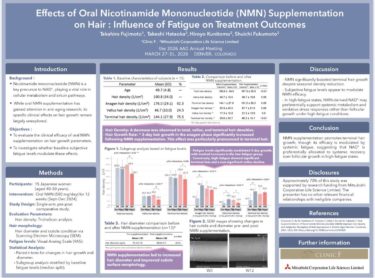
コロラド州デンバー。標高1600mを超えるこの都市は、身体の生理そのものに「負荷」という実験条件を静かに与えてくる場所でもあります。そんな環境で開催された米国皮膚科学会American Academy of Dermatology Annual Meetingにおいて、今回一つのポスター発表を行います。

テーマは――
「NMN(ニコチンアミドモノヌクレオチド)経口摂取が毛髪に与える影響、そして“疲労”がその効果をどのように変調させるか」

一見すると、アンチエイジング文脈で語られがちなNMNですが、今回の焦点はもう少し臨床的で、そして現場的です。

NMNは本当に“毛を増やす”のか

NMNはNAD⁺の前駆体として知られ、細胞代謝やサーチュイン経路に関与します。ここまでは、教科書的な理解です。
しかし今回の結果は、少し興味深いものでした。

総毛髪密度:減少
軟毛・硬毛:ともに減少傾向

一方で、成長期(anagen)の毛髪成長速度は上昇
つまり、「本数」ではなく「質と成長速度」に影響している可能性が示唆されました。

さらに電子顕微鏡レベルでは、

毛径の増加
キューティクル構造の改善

といった、“見た目の若返り”に直結する変化が確認されました。

疲労という“第4のパラメータ”
今回の研究で最も重要だったのは、ここかもしれません。被験者を主観的疲労(VAS)で層別化すると、結果は明確に分かれます。

低疲労群:→ 成長速度の上昇、毛髪改善が顕著
高疲労群:→ 毛髪の改善は限定的、むしろ密度低下が目立つ

ここから見えてくるのは、NMNによって増加したNAD⁺が、どこに“使われるか”は身体の状態に依存するという事実です。

疲労が強い状態では、NAD⁺は毛包ではなく、

全身代謝
酸化ストレス応答

といった“生存優先系”に振り分けられる可能性がある。
これは臨床感覚とも非常に一致します。

美容医療は「余剰エネルギーの医学」である

この結果をどう解釈するか。

僕は一つの仮説として、こう考えています。

美容的改善とは、身体に余剰があるときに初めて起こる現象である疲労が強い、つまりエネルギーが不足している状態では、身体はまず“生きるための修復”を優先します。

その段階では、毛髪や皮膚といった“非必須領域”への投資は後回しになる。NMNは確かに強力な代謝ブースターですが、それは万能薬ではなく、「どのシステムを優先するかを身体が選ぶための材料」に過ぎません。

臨床への示唆

今回の発表から導かれる実践的なポイントはシンプルです。

NMN単独での効果を過信しない
疲労管理(睡眠・栄養・ストレス)を前提条件とする
美容治療は“全身状態の上に乗る二次的現象”として捉える
これは、レーザーでも、HIFEMでも、そして再生医療でも同様です。

■ 参考文献
Fukomoto S, Kunitomo H, Hataoka T, Fujimoto T et al. Oral NMN supplementation improves hair quality in middle-aged women. Cosmetics. 2025;12(5):204.
Yoshino J, Baur JA, Imai SI. NAD⁺ intermediates: the biology and therapeutic potential of NMN and NR. Cell Metabolism. 2018;27(3):513–528.
Verdin E. NAD⁺ in aging, metabolism, and neurodegeneration. Science. 2015;350(6265):1208–1213.

Measuring the Invisible Variable of “Fatigue” in Denver

Denver—a city sitting at an elevation of over 1,600 meters—quietly imposes an experimental condition of “physiological load” on the human body itself. It was in this environment that I presented a poster at the American Academy of Dermatology Annual Meeting.

The theme was:

“The Effects of Oral NMN (Nicotinamide Mononucleotide) Supplementation on Hair, and How ‘Fatigue’ Modulates Those Effects.”

At first glance, NMN is often discussed in the context of anti-aging. However, the focus of this study is more clinical—and grounded in real-world practice.

Does NMN Really “Increase Hair”?

NMN is known as a precursor of NAD⁺ and is involved in cellular metabolism and sirtuin pathways. Up to this point, that is textbook knowledge.

However, the results this time were somewhat intriguing:

Total hair density: decreased
Vellus and terminal hair: both showed a decreasing trend
Meanwhile, hair growth rate during the anagen phase increased

In other words, the findings suggest that NMN may influence not the number of hairs, but rather their quality and growth rate.

Furthermore, at the electron microscopy level:

Increased hair shaft diameter
Improved cuticle structure

These changes are directly associated with a more “youthful” appearance of hair.

Fatigue as the “Fourth Parameter”

This may be the most important aspect of the study.

When subjects were stratified based on subjective fatigue (VAS), the results diverged clearly:

Low-fatigue group:
→ Increased growth rate and marked hair improvement
High-fatigue group:
→ Limited improvement, with more pronounced reduction in density

What emerges here is a key insight:
Where the increased NAD⁺ is “allocated” depends on the physiological state of the body.

Under conditions of high fatigue, NAD⁺ may be preferentially diverted not to hair follicles, but to:

Systemic metabolism
Oxidative stress response

In other words, toward systems essential for survival.

This aligns closely with clinical intuition.

Aesthetic Medicine as the “Medicine of Surplus Energy”

How should we interpret these results?

One working hypothesis is:

Aesthetic improvements occur only when the body has surplus energy.

When fatigue is high—i.e., when energy is limited—the body prioritizes repair mechanisms necessary for survival.

At that stage, investment in “non-essential” domains such as hair and skin is deferred.

NMN is indeed a powerful metabolic booster. However, it is not a panacea. Rather, it serves as a substrate that allows the body to decide which systems to prioritize.

Clinical Implications

The practical takeaways from this presentation are straightforward:

Do not overestimate the effects of NMN alone
Fatigue management (sleep, nutrition, stress) is a prerequisite
Aesthetic treatments should be understood as secondary phenomena built upon systemic health

This applies equally to laser therapies, HIFEM, and regenerative medicine.

References
Fukomoto S, Kunitomo H, Hataoka T, Fujimoto T et al. Oral NMN supplementation improves hair quality in middle-aged women. Cosmetics. 2025;12(5):204.
Yoshino J, Baur JA, Imai SI. NAD⁺ intermediates: the biology and therapeutic potential of NMN and NR. Cell Metabolism. 2018;27(3):513–528.
Verdin E. NAD⁺ in aging, metabolism, and neurodegeneration. Science. 2015;350(6265):1208–1213.


老化を「遅らせる」のではなく、「設計し直す」という発想 長寿物質ランキング2026 (私見)

老化を「遅らせる」のではなく、「設計し直す」という発想 長寿物質ランキング2026 (私見)

ロンドン滞在も最終日となりました。冬の朝、まだ太陽が低く、石畳がわずかに湿っている時間に目が覚めると、老化とは何かを考える瞬間があります。老化は病気ではありません。しかし、確実に進行する「現象」です。そして医学の本質とは、病気を治すこと以上に、この現象の速度をどこまで制御できるかという問いにあります。

これまで世界中の研究を見てきて確信しているのは、老化は単一の原因ではなく、エネルギー、炎症、修復能力、この三つの低下によって起こるということです。したがって、対策もこの三つに対して同時に介入しなければなりません。

第一層 エネルギーを回復させる

老化の本質は、ミトコンドリア機能の低下です。細胞が十分なエネルギーを生産できなくなると、修復も再生も止まります。ここで重要なのが、NAD⁺系の維持です。NAD⁺は年齢とともに確実に減少します。この低下は、疲労、筋力低下、認知機能低下のすべてに関係しています。
そのため僕は、NAD⁺の前駆体を補うことを基本にしています。これにより細胞は再び若い頃の代謝状態に近づきます。
同時に、クレアチンも極めて重要です。クレアチンは単なる筋肉の物質ではなく、ATPという生命エネルギーの緩衝装置です。これは脳でも同様に機能します。脳の疲労は、エネルギー不足そのものだからです。

第二層 炎症を抑制する

老化した細胞の特徴は、慢性的な微小炎症です。これは自覚症状のない静かな炎症でありながら、血管、神経、皮膚、すべてを劣化させます。これを抑制する最も基本的な要素が、オメガ3脂肪酸です。細胞膜の構造そのものを安定化させ、炎症反応を根本から変化させます。ビタミンDも同様に重要です。これは単なるビタミンではなく、遺伝子発現を調整するホルモンです。不足すると、免疫、神経、血管のすべてが不安定になります。レスベラトロールは補助的に使用します。主役ではありませんが、細胞のストレス耐性を高める作用があります。

第三層 修復能力を維持する

最も重要で、そして最も過小評価されているのが運動です。
運動は唯一、
・ミトコンドリアを増やし
・炎症を抑え
・DNA修復を促進し
・脳の神経新生を促進する
ことが確認されている介入です。
サプリメントは補助にはなりますが、運動の代わりにはなりません。特に重要なのは、筋肉への刺激です。筋肉は単なる運動器ではなく、内分泌臓器です。筋収縮によって放出される物質は、脳を保護し、老化を遅らせます。

第四層 最も重要な要素

そして最後に、最も重要なものがあります。それは睡眠です。睡眠中にのみ、脳は老廃物を排出し、細胞は修復されます。どれほど高価なサプリメントも、睡眠不足の前では無力です。

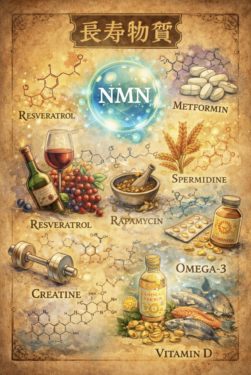
長寿物質ランキング(2026年版) 注)あくまで私見です

第1位 NMN(ニコチンアミド・モノヌクレオチド)

最も有望な長寿物質です。
NMNはNAD⁺の前駆体であり、NAD⁺は細胞のエネルギー代謝、DNA修復、ミトコンドリア機能の中心にあります。加齢とともにNAD⁺は減少し、これが老化の本質のひとつと考えられています。
NMN投与により
・インスリン感受性改善
・筋機能改善
・ミトコンドリア機能改善
がヒトで確認されています。
老化の根本原因に直接作用する点で、現在もっとも本質的な分子です。

第2位 メトホルミン

唯一、「長寿薬として大規模試験が進んでいる」薬です。
糖尿病薬ですが、
・癌発生率低下
・心血管死亡低下
・全死亡率低下
が多数の研究で確認されています。AMPK活性化により、細胞は「カロリー制限状態」と同じ代謝モードになります。これは老化抑制の最も確立したメカニズムです。

第3位 ラパマイシン

動物実験では最も強力な寿命延長物質です。mTORという「老化のスイッチ」を抑制します。マウスでは寿命を最大30%延長。ヒトではまだ長寿目的の正式適応はありませんが、老化研究の中心にある分子です。

第4位 ビタミンD

地味ですが、実は非常に重要です。ビタミンではなく、ホルモンです。
低値の人は
・死亡率上昇
・認知症増加
・癌増加
が明確に確認されています。
多くの人が不足しています。

第5位 オメガ3脂肪酸(EPA・DHA)

細胞膜そのものを構成する物質です。
・抗炎症作用
・動脈硬化抑制
・脳機能保護
があります。
慢性炎症は老化の本体であり、それを抑制します。

第6位 クレアチン

本来は筋肉用サプリですが、実は脳にも重要です。
ATPエネルギー供給を安定させます。
筋肉だけでなく、
・認知機能
・疲労耐性
・神経保護
にも関与します。

第7位 スペルミジン

オートファジーを活性化します。
オートファジーは細胞の「掃除機」です。
老化はゴミの蓄積です。
それを除去します。

第8位 レスベラトロール

有名ですが、順位はこの位置です。理由は単純で、理論は強い。しかしヒトでの効果はまだ限定的だからです。SIRT1活性化は魅力的ですが、体内での利用効率が低いのが問題です。

結論

老化は避けられません。しかし、その速度は確実に変えられます。
重要なのは、単一の物質に期待することではなく、
エネルギー
炎症
修復
この三つを同時に整えることです。これが、現在の医学が到達している「現実的な長寿戦略」です。老化とは時間の問題ではありません。それは、細胞の環境の問題なのです。

Rethinking Aging: Not “Slowing It Down,” but Redesigning It
Longevity Molecule Ranking 2026 (Personal View)
Today is my final day in London. On winter mornings, when the sun is still low and the cobblestones remain slightly damp, I sometimes wake up reflecting on what aging truly is. Aging is not a disease. Yet it is undeniably a progressing phenomenon. The essence of medicine is not merely curing disease, but asking how much we can control the speed of this phenomenon.
After reviewing research from around the world, I am convinced that aging does not stem from a single cause. It arises from the decline of three core systems: energy production, inflammation control, and repair capacity. Therefore, any meaningful strategy must intervene in all three simultaneously.
________________________________________
Layer 1: Restoring Energy
At its core, aging is mitochondrial decline. When cells can no longer produce sufficient energy, repair and regeneration slow down.
Central to this is maintaining the NAD⁺ system. NAD⁺ levels decline steadily with age, contributing to fatigue, muscle weakness, and cognitive decline.
For this reason, I consider supplementation with NAD⁺ precursors fundamental. This helps cells return closer to a youthful metabolic state.
Creatine is also critically important. It is not merely a “muscle supplement,” but a buffer system for ATP—the currency of biological energy. This applies to the brain as well. Mental fatigue is, fundamentally, an energy deficit.
________________________________________
Layer 2: Suppressing Inflammation
A hallmark of aging cells is chronic low-grade inflammation. It is often silent, yet it gradually degrades blood vessels, nerves, and skin.
Omega-3 fatty acids are foundational here. They stabilize cell membrane structure and fundamentally shift inflammatory signaling.
Vitamin D is equally essential. It is not simply a vitamin, but a hormone regulating gene expression. Deficiency destabilizes immune, neural, and vascular systems.
Resveratrol plays a supportive role. It is not central, but it enhances cellular stress resistance.
________________________________________
Layer 3: Maintaining Repair Capacity
The most important—and most underestimated—intervention is exercise.
Exercise is the only intervention confirmed to:
• Increase mitochondrial density
• Suppress inflammation
• Promote DNA repair
• Stimulate neurogenesis in the brain
Supplements can assist, but they cannot replace exercise. In particular, muscular stimulation is crucial. Muscle is not merely a mechanical organ—it is an endocrine organ. Substances released during muscle contraction protect the brain and slow aspects of aging.
________________________________________
Layer 4: The Most Important Factor
Finally, the most essential element: sleep.
Only during sleep does the brain clear metabolic waste and cells undergo repair. No matter how expensive a supplement may be, it is powerless against chronic sleep deprivation.
________________________________________
Longevity Molecule Ranking (2026 Edition)
Note: This reflects my personal view.
1st Place: NMN (Nicotinamide Mononucleotide)
Currently the most promising longevity molecule.
NMN is a precursor to NAD⁺, which lies at the center of cellular energy metabolism, DNA repair, and mitochondrial function. NAD⁺ declines with age, and this decline is believed to be one of the fundamental drivers of aging.
Human studies show that NMN administration improves:
• Insulin sensitivity
• Muscle function
• Mitochondrial function
Because it directly targets a root mechanism of aging, it ranks first.
________________________________________
2nd Place: Metformin
The only drug currently undergoing large-scale trials specifically as a longevity intervention.
Originally a diabetes medication, numerous studies associate it with:
• Reduced cancer incidence
• Reduced cardiovascular mortality
• Reduced all-cause mortality
Through AMPK activation, it shifts cells into a metabolic mode similar to caloric restriction—the most established anti-aging mechanism known.
________________________________________
3rd Place: Rapamycin
In animal studies, this is the most powerful lifespan-extending compound identified. It suppresses mTOR, often described as a “switch” of aging.
In mice, lifespan extension of up to 30% has been observed. While not yet formally approved for longevity in humans, it remains central in aging research.
________________________________________
4th Place: Vitamin D
Understated but critically important. It functions as a hormone rather than a simple vitamin.
Low levels are clearly associated with:
• Increased mortality
• Increased dementia risk
• Increased cancer risk
Deficiency is widespread.
________________________________________
5th Place: Omega-3 Fatty Acids (EPA & DHA)
Structural components of cell membranes.
They provide:
• Anti-inflammatory effects
• Atherosclerosis suppression
• Neuroprotection
Since chronic inflammation is a core driver of aging, omega-3s are foundational.
________________________________________
6th Place: Creatine
Traditionally considered a muscle supplement, but equally important for the brain.
It stabilizes ATP energy supply and supports:
• Cognitive function
• Fatigue resistance
• Neuroprotection
________________________________________
7th Place: Spermidine
Activates autophagy—the cell’s “cleaning system.”
Aging can be viewed as the accumulation of cellular waste.
Spermidine promotes its removal.
________________________________________
8th Place: Resveratrol
Well-known, but ranked here for a reason.
The theoretical foundation is strong. However, human evidence remains limited, and bioavailability is low. SIRT1 activation is attractive, but practical efficacy remains modest.
________________________________________
Conclusion
Aging is inevitable.
But its speed is modifiable.
The key is not placing hope in a single molecule, but simultaneously optimizing:
• Energy
• Inflammation
• Repair
This is the most realistic longevity strategy modern medicine has currently reached.
Aging is not fundamentally a matter of time.
It is a matter of the cellular environment.


検診大国日本で病気は減っているのか

検診大国・日本で、病気は減っているのか?

昨日、若手経営者とお酒をご一緒する機会があり、人間ドックや健康診断には行くべきかどうか、という話題になりました。

日本は世界でも突出した“検診大国”であり、これほど定期的に国民が健診を受けている国は、他にはほとんど存在しないと言ってよいでしょう。

まず結論から申し上げると、「死ななくはなったが、病気は減っていない」。

これが国際比較で見た、日本の実像であると感じます。

検診でわかるのは“早期発見”であって“予防”ではないということです。

寿命と健康寿命の乖離

日本は平均寿命では長年、世界トップクラスを誇っています。

しかしながら、健康寿命との差、すなわち「不健康な期間」は決して短くありません。

日本の平均寿命:世界トップクラス

健康寿命との差:約9〜12年

この「長い不健康期間」は、病気を早く見つけ、その後も長く付き合っている結果ともいえます。

GBD Japan の解析でも、日本は

循環器疾患
糖尿病
筋骨格系疾患

といった慢性疾患の有病率が、高止まりしていることが明らかになっています。

検診は「発症を減らした」のか?

この問いに対しては、やや冷静に見る必要があります。

結論としては「重症化は減らしたが、発症そのものは減っていない」と言えるでしょう。

たとえば、がん検診では、早期がんの発見率は上昇し、5年生存率も改善しています。しかし一方で、年齢調整罹患率は横ばい〜微増という現象も確認されています。

これは過剰診断の影響も含め、病気の発症を減らすというよりも、「病気としてカウントされる期間を延ばしている」

という側面があると、New England Journal of Medicine(2012; 367:1995–2005)でも指摘されています。

日本の医療費は、どこに使われているのか?

次に浮かぶ疑問は、「保険診療だけでは医療機関がやっていけないから、検診や周辺医療で財務補填しているのではないか?」というものです。

この点については、半分正解と言えるかもしれません。

日本の保険診療は

診療単価が非常に低い
手間が診療報酬に反映されにくい
慢性疾患の長期管理では収益性が低い

といった構造的な制限を抱えています。

OECD の国際比較でも、日本は

医師の労働時間が長い
診療報酬単価が低い

という、いわゆる「高密度・低報酬モデル」とされています
(OECD Health at a Glance, 2023)。

その結果として、検診や画像診断、あるいは自費併用診療が、経営上の緩衝材になっている医療機関は少なくありません。

「病気を減らす」インセンティブの欠如

日本の医療システムをひと言で表すならば、「病気を減らすインセンティブが弱い構造」と言えるでしょう。

病気が早く見つかる → 医療行為が増える
長く通院する → 診療報酬が発生する
完全に健康 → 医療からの評価はゼロ

この構造では、予防が進めば進むほど、医療機関の収益は減ってしまいます。

Lancet の数字が示すこと

2019年、The Lancet に掲載されたGlobal Burden of Disease Study 2017 は、この問いに冷静かつ圧倒的なデータで答えを提示しました。

Global burden of 87 risk factors in 204 countries and territories, 1990–2017
The Lancet, 2019; 393:1958–1972

健康寿命を規定する因子の内訳は、おおよそ以下の通りです。

医療:10〜15%
遺伝:20%前後
生活・環境・社会構造:60%以上

つまり、「病院でどれだけ頑張っても限界がある」「健康は診察室の外で決まる」──

この結論は、もはや一部の極論ではありません。

予防医学や公衆衛生の世界では、共通認識として広く受け入れられているのです。

慢性疾患の多くは、症状が出る何年も前から、生活の中で静かに進行しているものです。

医療は非常に強力ですが、それは「壊れた後」に働く力であり、「壊さない力」ではありません。

──ここまでは、多くの専門家が一致する前提です。

意見A:だから、検診は意味がない

この前提に立つならば、

「検診をどれだけ受けても、健康にはなれない」

という結論に至るのは、むしろ自然な流れです。

検診で見つかるのは、すでに成立した病変、あるいはその直前の状態です。

しかし、その根本原因は生活の中にあり、検診では捉えきれません。

また、検診が高度化するほど、治療の必要がない異常や、経過観察で済む所見まで拾ってしまい、不安と医療介入がかえって増えてしまうことも知られています(New England Journal of Medicine, 2012; 367:1995–2005)。

健康は、数値を並べただけでは手に入りません。検診は「健康を作る手段」ではなく、単なる可視化に過ぎないのです。

もちろん、家族性のがんなど遺伝的リスクが高い方は、専門的な健診を受けるべきです。

反面、私が医師になった頃、国民的知名度を誇った日本テレビの逸見政孝アナウンサーは若くして胃がんで亡くなりました。

彼は家族歴から慎重で、半年に一度は胃カメラを飲んでいたそうです。それでも、病気は避けられなかったのです。

Lancet の数字を真正面から読むならば、「検診に力を注ぐ前に、生活構造そのものを変えるべきだ」という結論になるのです。

意見B:だからこそ、検診はした方がいい

とはいえ、同じ前提に立ちながら、違う結論に至ることもあるのです。

確かに、健康を決める最大の因子は「生活」です。

医療の寄与はたった10〜15%にすぎません。

しかし、その10〜15%こそが、「失敗が許されない領域」でもあるのです。

生活を整えていても

遺伝的素因
加齢
環境因子

といった要素によって、病気は一定の確率で起こります。

検診の役割は「健康を作ること」ではなく、「取り返しがつかなくなる前に逸脱を見つけること」です。

とくにがんや心血管疾患のように、発見時期で生存率や予後が大きく変わる病気に対しては、早期発見が生命を左右することが知られています(New England Journal of Medicine, 2013; 368:1279–1290)。

大切なのは、検診を「お守り」にしないことです。

検診を受けたから大丈夫、ではありません

生活が整っているから検診は不要、でもありません

Lancet の数字は、検診そのものを否定しているのではなく、検診の位置づけを正しく捉えなさいと警鐘を鳴らしているのです。

あなたは、どちらを信じますか?

意見Aと意見B。

正反対のようで、どちらも医学的に根拠があります。

どちらの道を選ぶかは、あなたが健康をどう捉えるかにかかっています。

未来の自分の健康を、検査室に任せるか、あるいは日々の生活の中で作り上げていくか──その選択の一助になれば幸いです。
Does Disease Really Decrease in “Health Checkup Nation” Japan?

Yesterday, I had the opportunity to share drinks with a group of young business leaders, and the topic came up as to whether one should undergo regular medical checkups and comprehensive health screenings. Japan is an exceptionally prominent “health checkup nation,” and it would not be an exaggeration to say that few other countries have populations that undergo routine medical examinations as regularly as Japan does.

To begin with the conclusion: people have become less likely to die, but disease itself has not decreased. This, in my view, is the true picture of Japan when seen through international comparison. What health checkups provide is early detection, not prevention.

The Gap Between Life Expectancy and Healthy Life Expectancy

Japan has long boasted one of the highest average life expectancies in the world.
However, the gap between life expectancy and healthy life expectancy—that is, the period of life spent in poor health—is by no means short.

Average life expectancy in Japan: among the highest globally

Gap with healthy life expectancy: approximately 9–12 years

This long period of ill health can also be understood as the result of detecting diseases early and then living with them for a long time thereafter.

Analyses by GBD Japan have shown that the prevalence of chronic diseases such as

cardiovascular disease,

diabetes, and

musculoskeletal disorders

remains persistently high in Japan.

Have Health Checkups Reduced the Onset of Disease?

This question requires a calm and measured assessment.
The conclusion is that health checkups have reduced disease severity, but not disease incidence itself.

For example, in cancer screening, detection rates of early-stage cancers have increased and five-year survival rates have improved. At the same time, however, age-adjusted incidence rates remain flat or have slightly increased.

This phenomenon—including the effects of overdiagnosis—suggests that rather than reducing disease occurrence, screening may be extending the period during which a condition is labeled as a disease. This point was also noted in the New England Journal of Medicine (2012; 367:1995–2005).

Where Is Japan’s Medical Spending Going?

A natural follow-up question is whether medical institutions rely on health checkups and ancillary services to compensate financially because insurance-based medical care alone is unsustainable. On this point, the answer may be partly yes.

Japan’s insurance-based medical system faces structural constraints, including:

extremely low unit prices for medical services,

insufficient reflection of labor intensity in reimbursement, and

low profitability in the long-term management of chronic diseases.

International comparisons by the OECD characterize Japan as a so-called “high-density, low-compensation model,” marked by long physician working hours and low reimbursement rates (OECD Health at a Glance, 2023).

As a result, many medical institutions use health checkups, diagnostic imaging, and mixed private-pay services as financial buffers.

The Lack of Incentives to “Reduce Disease”

If Japan’s healthcare system were to be summarized in one phrase, it would be a structure with weak incentives to reduce disease.

Early detection of disease → more medical interventions

Long-term outpatient care → continued reimbursement

Perfect health → no evaluation from the medical system

In this structure, the more prevention succeeds, the more medical revenue declines.

What the Lancet Data Show

In 2019, The Lancet published the Global Burden of Disease Study 2017, which addressed this issue with overwhelming data:

Global burden of 87 risk factors in 204 countries and territories, 1990–2017
(The Lancet, 2019; 393:1958–1972)

The approximate breakdown of factors determining healthy life expectancy is as follows:

Medical care: 10–15%

Genetics: around 20%

Lifestyle, environment, and social structure: over 60%

In other words, there is a clear limit to what hospitals can do, and health is largely determined outside the examination room. This conclusion is no longer an extreme view, but a widely accepted consensus in preventive medicine and public health.

Most chronic diseases progress quietly within daily life for years before symptoms appear. Medicine is extraordinarily powerful, but it is a force that works after something has broken, not a force that prevents it from breaking. Up to this point, most experts are in agreement.

Opinion A: Therefore, Health Checkups Are Meaningless

From this premise, it is almost natural to conclude that no matter how many checkups one undergoes, they do not lead to health.

What checkups detect are already established lesions or states immediately preceding them. Their root causes lie in daily life and cannot be fully captured by screening. Moreover, as screening becomes more sophisticated, it also detects abnormalities that require no treatment or only observation, increasing anxiety and unnecessary medical intervention (NEJM, 2012; 367:1995–2005).

Health cannot be obtained simply by lining up numerical values. Health checkups are not a means of creating health; they are merely a form of visualization.

Of course, individuals with high genetic risk—such as familial cancer—should undergo specialized screening. On the other hand, Masataka Itsumi, a widely known Japanese television announcer when I first became a physician, died young of gastric cancer. He was cautious due to family history and reportedly underwent gastroscopy every six months. Even so, the disease could not be avoided.

If one reads the Lancet data head-on, the conclusion is clear: before investing more in checkups, we should change the structure of daily life itself.

Opinion B: Precisely Because of That, You Should Get Checkups

That said, starting from the same premise can also lead to a different conclusion.

It is true that lifestyle is the dominant determinant of health, and medical care contributes only 10–15%. However, that 10–15% represents a domain where failure is not acceptable.

Even with a well-regulated lifestyle, disease occurs at a certain probability due to:

genetic predisposition,

aging, and

environmental factors.

The role of health checkups is not to create health, but to detect deviations before they become irreversible. For diseases such as cancer and cardiovascular conditions—where timing of detection dramatically affects survival and prognosis—early detection can be decisive (NEJM, 2013; 368:1279–1290).

What matters is not turning checkups into a talisman.
Having a checkup does not mean you are safe.
Having a good lifestyle does not mean checkups are unnecessary.

The Lancet data do not deny health checkups themselves; they warn us to position them correctly.

So, which do you believe?
Opinion A or Opinion B.

They appear to be opposites, yet both are medically grounded.
Which path you choose depends on how you define health.

Will you entrust your future health to the examination room,
or will you build it day by day through your daily life?

I hope this helps inform that choice.


河合隼雄の最終講演

河合隼雄の最終講演──フロイトとユングの「あいだ」に立つということ

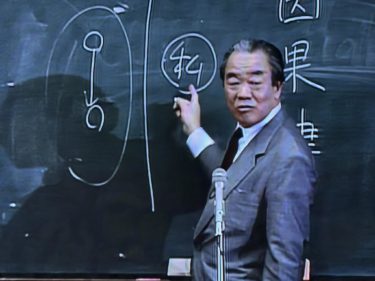
ちょうど1992年の河合隼雄の最終講演がテレビでやっていたので、思わず手を止めて画面の前に座り直した。

京都大学理学部出身で、心理学史の整理で言えば

河合隼雄はユング心理学を日本に根づかせた人物

という位置づけになる。

荒い映像。少し遅れる音声。そこに映っていたのは、結論を急がない語りだった。

一言で言うと、

精神医学は「病気として心を扱う学問」

心理学は「人間として心を扱う学問」。

もう少し噛み砕けば

精神医学:診断し、薬や治療で「症状を下げる」

心理学:理解し、言葉や関係性で「意味を探る」

だが1992年の最終講演を見ていると、彼がユングの代弁者で終わらなかった理由がよく分かる。

◇ジークムント・フロイト(1856–1939)

フロイトの凄さは、心という曖昧な領域を、医学の言葉で語り切ろうとした執念にある。

医学部出身
神経内科医
19世紀科学主義のど真ん中

それまで「性格」「気質」「魂」で済まされていたものを、彼は症状・原因・構造として切り分けた。

無意識、抑圧、転移、夢分析。

今では当たり前の概念だが、当時としては相当乱暴な仮説でもあった。

それでも彼は引かなかった。

心は説明できる

説明できなければ、医学にならない

この一点突破力こそが、フロイトの凄さだ。

心理学を「学問」にした功労者と言っていい。

ユングの凄さ──医学を捨てる勇気を持ったこと

◇カール・グスタフ・ユング(1875–1961)

ユングも出発点は医学だ。しかも、フロイトの後継者と目されていた。

普通なら、そのポジションを守る。だがユングは、そこを捨てた。

神話 宗教 錬金術 象徴

これらを心理学に持ち込むのは、当時の医学界から見ればほぼ自爆行為だ。

それでもユングは

人間は原因だけでは動かない

意味を失った瞬間に壊れる

という直感を信じた。

集合的無意識や元型は、科学的には扱いづらい。

だが人生後半の実感には、驚くほど合致する。

ユングの凄さは、心理学を「生き方の学問」に拡張した度胸にある。

この二人のリビドー対立は有名だが、1992年の河合隼雄はそのどちらにも完全には寄りかからない位置に立っていた。

河合隼雄は「どちらが正しいか」を決めなかった

講演の中で河合は、フロイト的な原因論を否定しない。

同時に、ユング的な象徴解釈を絶対化もしない。

むしろ、こうした態度が一貫している。

分かったつもりにならない
解釈を閉じない
意味を“確定”しない

フロイトなら「それは幼児期に原因がある」と言い

ユングなら「それは人生後半の課題だ」と言う場面で

河合は一拍、沈黙を置く。

通常、最終講演というものは、これまでの理論を整理し、後進に向けたメッセージを残す場になる。

だが河合隼雄は、最後まで「途中の話」をしていた。

それはまるで、

フロイトが切り開いた分析の鋭さ
ユングが示した象徴の広がり

その両方を知ったうえで、どちらにも回収されない生身の人生を、そのまま差し出しているようだった。

思えば1992年。日本社会は、拡大と成功の物語を失い、「原因を探しても、意味を与えても、しっくりこない」そんな空気に包まれ始めていた。

フロイト的に原因を突き止めても、救われない。

ユング的に意味づけしても、納得しきれない。

その時代に、河合隼雄は答えを出さないこと自体を、一つの成熟として示した。

テレビを消したあとに残ったもの映像が終わっても、「なるほど」という理解は残らない。

代わりに残ったのは、
分からないままでいい
途中で止まっていい
人生は未完でいい
という、奇妙な安心感だった。

フロイトでもなく、ユングでもなく、河合隼雄という“姿勢”そのもの。

1992年の最終講演は、心理学の総括ではなく、生き方の余白を残す講演だったのだと思った。

Hayao Kawai’s Final Lecture — Standing “Between” Freud and Jung

By chance, a broadcast of Hayao Kawai’s final lecture from 1992 happened to be on television. I found myself stopping what I was doing and sitting back down in front of the screen.

Kawai, originally trained in the Faculty of Science at Kyoto University, is generally positioned in the history of psychology as the figure who firmly rooted Jungian psychology in Japan.

The footage was rough. The audio slightly out of sync. And there he was, speaking without rushing toward conclusions.

Put simply:

Psychiatry is a discipline that treats the mind as illness.
Psychology is a discipline that treats the mind as human.

To break it down a bit further:

Psychiatry: diagnoses and lowers “symptoms” through medication and treatment.
Psychology: seeks understanding and searches for “meaning” through language and relationships.

Yet, watching Kawai’s final lecture from 1992, it becomes clear why he did not end his career merely as a spokesperson for Jung.

Sigmund Freud (1856–1939)

Freud’s greatness lies in his obsession with explaining the vague territory of the mind entirely in the language of medicine.

Trained in medicine
A neurologist
Standing squarely within 19th-century scientific positivism

What had previously been dismissed as “personality,” “temperament,” or “soul,” Freud dissected into symptoms, causes, and structures.

The unconscious. Repression. Transference. Dream analysis.
These concepts feel obvious today, but at the time they were bold—almost reckless—hypotheses.

Still, Freud did not retreat.

The mind can be explained.
If it cannot be explained, it cannot be medicine.
This singular force of conviction is what makes Freud remarkable.
It is fair to say he made psychology into an academic discipline.

Carl Gustav Jung (1875–1961)

Jung’s Greatness — Having the Courage to Abandon Medicine

Jung, too, began in medicine—and was even regarded as Freud’s successor.

Most people would have protected that position. Jung did not. He let it go.

Myth
Religion
Alchemy
Symbols

To bring these into psychology was, from the standpoint of the medical establishment at the time, almost an act of self-destruction.

And yet Jung trusted his intuition:

Human beings are not moved by causes alone.
The moment meaning is lost, we break.

Concepts such as the collective unconscious and archetypes are difficult to handle scientifically.

But they resonate uncannily with the lived experience of the latter half of life.

Jung’s greatness lies in the audacity with which he expanded psychology into a “discipline of how to live.”

The opposition between Freud and Jung over libido is well known.
But in his 1992 final lecture, Hayao Kawai stood at a position that leaned fully on neither.

Kawai Hayao Did Not Decide “Who Was Right”

In the lecture, Kawai does not reject Freudian causality.

At the same time, he does not absolutize Jungian symbolic interpretation.

Rather, his stance is consistently this:

Not pretending to understand
Not closing off interpretation
Not “fixing” meaning

Where Freud might say, “The cause lies in early childhood,”
and Jung might say, “This is a task of the second half of life,”
Kawai pauses—leaving a beat of silence.

Usually, a final lecture is a place to organize one’s theories and leave a clear message for the next generation.

But Kawai spoke, to the very end, as if he were still “in the middle.”

It was as though—knowing both
the analytical sharpness Freud opened up,
and the symbolic breadth Jung revealed—
he was offering an unreduced, living human life that could not be fully claimed by either.

It was 1992.
Japanese society was beginning to lose its narrative of growth and success, and a mood was settling in:
neither searching for causes nor assigning meaning felt quite right anymore.

Even if one identifies the cause in Freudian terms, one is not saved.
Even if one assigns meaning in Jungian terms, one does not feel fully convinced.

In such a time, Kawai showed that not producing an answer could itself be a form of maturity.

After turning off the television, what remained was not a sense of “I understand.”

Instead, what lingered was a strange kind of reassurance:

It’s okay not to know.
It’s okay to stop halfway.
It’s okay for life to remain unfinished.

Neither Freud nor Jung, but Hayao Kawai himself—as a stance.

His final lecture in 1992 was not a summary of psychology, but a lecture that left open a margin for how to live.


健康寿命と長寿寿命は別のものだった

健康寿命と長寿寿命は別モノだった:日本の地域差を読む

「日本は長寿国である」

この言葉に、どれだけの実感がこもっているだろうか。

長く生きる。

しかし、その時間は「健康」なのか?

それとも、誰かの手を借りなければならない「寿命」なのか。

今回は、都道府県別に見る「平均寿命」と「健康寿命」のズレから、人生の質を決める「生活の構造」を見つめてみたい。

「健康寿命」と「平均寿命」は違う

平均寿命:何歳まで生きるか(死亡統計)

健康寿命:どこまで「自立して生きられるか」(日常生活に制限がない期間)

日本人は、平均すると

男性:約9年
女性:約12年

を「不健康な状態」で過ごしていることになる。

そのギャップを埋めるカギは何か。

医療ではなく、「生活構造」が寿命を決めている

この言葉が、今回の本質である。

平均寿命を伸ばすのは…

医療の介入
薬の処方
延命技術や制度

健康寿命を伸ばすのは…

毎日の運動
社会参加
適度な医療
心のゆとり

つまり、健康寿命は「日々をどう生きるか」にかかっている。

これは医療の世界に身を置く者としても、痛烈な事実だ。

どんなに高価な医療機器があっても、毎日を健やかに生きる力を直接“注入”することはできない。

都会 vs 地方:どちらが健康か?

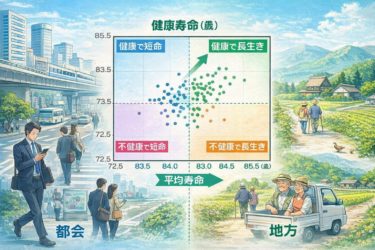
都市には最新の医療機関が揃い、情報も人も溢れている。一見、健康寿命にも有利な環境のように見える。だが、統計は違う顔を見せている。

都市部の実態:

移動は車か電車。歩かない。

隣人と顔を合わせることがない。孤立。

情報過多・交感神経優位な生活。

労働ストレスと医療過信。

これでは、健康寿命は延びない。

地方の強さ:

日常的に体を動かす環境(農作業・坂道・買い物)

家族構造が残り、会話も多い

「役割」が地域にある

医療は必要なだけ、過剰ではない

そして何より──

“無理をしないで生きられる経済設計”

(例:生活コスト、地代、税率)が成立している。

これは都市部での“頑張らなきゃ生きていけない構造”と対照的である。

本当の意味で「長生き」とは

医療の世界ではよく「延命」について議論される。

だが、平均寿命をいくら延ばしても、健康寿命が伴わなければ、生きている時間が「人生」になるとは限らない。

健康寿命を延ばすとは、「余生」ではなく「現役時間」を伸ばすこと。社会に関わり、役割を持って、自分で歩いていく時間を、1年でも長くすること。

もし本気で国や地域が「健康長寿」を目指すなら、すべきことは明らかだ。

医療へのアクセスより、「歩く道」を作ること

薬よりも、「話し相手」を増やすこと

高齢者施設よりも、「地域に居場所」を用意すること

そうすれば、平均寿命ではなく、健康寿命が延びていく。

「何歳まで生きたか」よりも、「どう生きられたか」を、私たちはもっと見つめるべき時代に入っている。

長寿国家・日本の真の課題は、その“長さ”に“質”を加えることだろう。

Healthy Life Expectancy and Longevity Are Not the Same: Reading Japan’s Regional Differences

“Japan is a long-lived nation.”

How much lived reality is actually contained in that phrase?

Yes, people live long.
But are those years lived in good health?
Or are they years of mere survival—years that require constant assistance from others?

In this essay, I would like to examine the structure of daily life that determines quality of life, by looking at the gap between life expectancy and healthy life expectancy across Japan’s prefectures.

Healthy Life Expectancy vs. Life Expectancy

Life expectancy: how long people live (based on mortality statistics)

Healthy life expectancy: how long people can live independently, without limitations in daily activities

On average, Japanese people spend:

about 9 years (men)

about 12 years (women)

in a state of poor health.

What, then, is the key to closing this gap?

Not Medicine, but the Structure of Daily Life Determines Longevity

This is the core message.

What extends life expectancy:

medical intervention

prescription drugs

life-prolonging technologies and systems

What extends healthy life expectancy:

daily physical activity

social participation

appropriately limited medical care

mental and emotional breathing room

In other words, healthy life expectancy depends on how we live each day.

This is a painful truth, especially for those of us who work in medicine. No matter how advanced or expensive medical technology becomes, it cannot directly inject the ability to live well into people’s daily lives.

Cities vs. Rural Areas: Which Is Healthier?

Cities are filled with cutting-edge medical facilities, information, and people. At first glance, they seem advantageous for healthy longevity. Yet the statistics tell a different story.

The reality of urban life:

Movement by car or train—little walking

Rarely seeing or speaking with neighbors—social isolation

Information overload and chronically heightened sympathetic nervous activity

Work-related stress and overreliance on medical care

Under these conditions, healthy life expectancy does not increase.

The strengths of rural areas:

Environments that naturally encourage daily movement (farming, hills, walking to shops)

Family structures that remain intact, with frequent conversation

Clearly defined social roles within the community

Medical care that is sufficient, but not excessive

And above all—
an economic structure that allows people to live without constant strain
(lower living costs, land prices, and tax burdens).

This stands in stark contrast to the urban structure in which “you have to keep pushing yourself just to survive.”

What “Living Long” Really Means

In medicine, we often debate life prolongation. But no matter how much we extend life expectancy, if healthy life expectancy does not follow, time alive does not necessarily become life.

Extending healthy life expectancy means extending not “old age,” but one’s active years—years in which people remain socially engaged, have roles to play, and can walk forward on their own feet, even if only for one more year.

If nations and regions are truly serious about achieving healthy longevity, the path forward is clear:

Build walkable paths, not just access to hospitals

Increase people to talk to, not just prescriptions

Create places of belonging in the community, not just elder-care facilities

Do this, and it is healthy life expectancy—not just average lifespan—that will grow.

We are entering an era in which we must look more closely at how people lived, not just how long.

Japan’s true challenge as a long-lived nation is to add quality to that length.


カテゴリー