TakahiroFujimoto.com

HOME MAIL
HOME PROFILE BOOKS MUSIC PAPERS CONFERENCES BLOG MAIL CLOSE

BLOG 藤本幸弘オフィシャルブログ

カテゴリー:教育

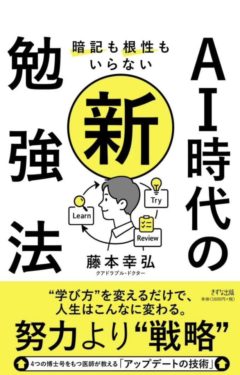
僕の著作「AI時代の新勉強法」

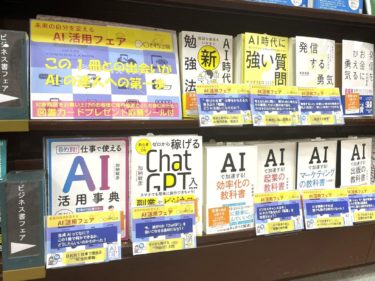
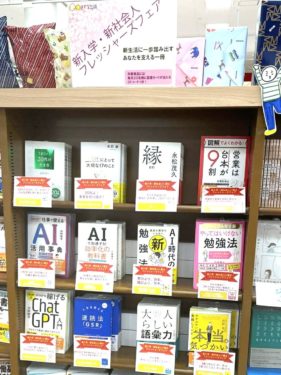
僕の著作である「AI時代の新勉強法」。少しづつですが知名度が上がってきました。

MBA(経営管理学修士)の上級学位である、僕のDBA(経営管理学博士)号の学位取得論文のテーマでした。

AI時代には有能な人間の評価基準も変わってきます。無駄な努力はせずに、戦略的に知識を体系化して学んでいきましょう。

AI時代の新勉強法

Screenshot

My book, “A New Method of Learning in the Age of AI,” has been gradually gaining recognition.

It was originally the theme of my doctoral dissertation for my DBA (Doctor of Business Administration), an advanced degree beyond the MBA.

In the age of AI, the criteria for evaluating capable individuals are also changing. Rather than relying on inefficient effort, we should learn strategically—systematizing knowledge in a structured way.


なぜ私たちは“知識中毒”になったのか ― AI時代に問う、本当の賢さ

最近、ふと考えるのです。なぜここまで私たちは「知識」に執着する社会を作ってしまったのだろう、と。

覚えていること。
暗記していること。
テストで正解できること。

それが長らく「優秀」の定義でした。

原因は単純ではありません。けれど歴史を振り返ると、流れが見えてきます。

近代国家という巨大装置

産業革命以降、国家は大量の人材を必要としました。正確に計算し、命令を理解し、規律を守れる人材。ここで重要だったのは「再現性」です。
再現できる力は測定できる。測定できるものは選抜できる。
知識はここで強い武器になりました。
入学試験は公平性の象徴です。
しかし公平であるためには、短時間で、客観的に、大量に採点できなければならない。
すると自然に「一つの正解」に収束します。
この瞬間、思考より答えが価値を持ちます。
塾はその構造の中で生まれました。塾が作ったのではなく、制度が市場を生んだのです。

高度成長と学歴の黄金期

戦後日本では
学歴=就職  就職=安定  安定=成功
という明快な方程式が成立しました。知識は人生を守る保険になった。親が子に知識を求めたのは、愛情でもあったのです。

そしてAIの登場

ところが今、知識は溢れています。検索すれば論文も統計も即座に出る。AIは知識を整理し、要約し、提示する。つまり知識は「希少」ではなくなった。

ここで初めて気づきます。知識は道具であって、目的ではなかったということに。

測れる安心

人は不安が嫌いです。点数は安心をくれます。順位は自己肯定感をくれます。知恵は測れない。だから怖い。だから私たちは、測れる知識を選び続けたのかもしれません。

これから必要なもの

AI時代に価値を持つのは
・問いを立てる力
・文脈を読む力
・責任を持って決める力

つまり知恵です。

覚える人ではなく、決められる人。
知識の量ではなく、方向を示せる人。

時代は静かに移行しています。

今は「知識を集める時代」から「知識を使いこなす時代」へ。

そしてその先にあるのは、知恵という、古くて新しい力なのだと思います。

Why Have We Become Addicted to Knowledge?
— What True Intelligence Means in the Age of AI

Lately, I find myself wondering: how did we end up building a society so obsessed with “knowledge”?

What you remember.
What you have memorized.
What you can answer correctly on a test.

For a long time, these defined what it meant to be “excellent.”

The reasons are not simple. But if we look back at history, a pattern emerges.

The Modern Nation as a Massive System

After the Industrial Revolution, modern states required large numbers of capable workers—people who could calculate accurately, understand instructions, and follow rules. What mattered most was reproducibility.

What can be reproduced can be measured.
What can be measured can be selected.

Knowledge became a powerful tool.

Entrance examinations came to symbolize fairness. But to be fair, they had to allow for objective, rapid, large-scale grading. Naturally, this led to convergence on “one correct answer.”

At that moment, answers gained more value than thinking itself.

Cram schools did not create this structure; rather, the system created the market for them.

The Golden Age of Academic Credentials

In postwar Japan, a clear equation took hold:

Academic credentials = employment
Employment = stability
Stability = success

Knowledge became insurance for one’s life. When parents demanded knowledge from their children, it was also an expression of love.

The Arrival of AI

Now, however, knowledge is everywhere. With a search, academic papers and statistics appear instantly. AI can organize, summarize, and present information.

Knowledge is no longer scarce.

And only now do we realize: knowledge was never the goal. It was a tool.

The Comfort of What Can Be Measured

Human beings dislike uncertainty. Scores provide reassurance. Rankings offer self-esteem.

Wisdom cannot be easily measured. That makes it unsettling.

Perhaps that is why we have continued to choose measurable knowledge.

What We Will Need Going Forward

In the age of AI, what holds value is:

  • The ability to formulate questions
  • The ability to read context
  • The ability to make responsible decisions

In other words, wisdom.

Not the person who memorizes, but the person who decides.
Not the one who accumulates knowledge, but the one who can give it direction.

The shift is already underway.

We are moving quietly from an era of collecting knowledge to an era of mastering its use.

And beyond that lies wisdom—a power both ancient and new.


脳は、0–5歳のスキンシップで設計される

脳は、0–5歳のスキンシップで設計される

「人間の能力は、いつ設計されるのでしょうか。」

ロンドンのホテルで原稿を書いていると、最先端の医療機器の話をしているはずなのに、ふともっと根源的なことに思い至る瞬間があります。それは、人間の脳はどのようにして完成するのか、という問いです。レーザーの波長やエネルギー密度を議論することも重要ですが、そのレーザーを理解し、使いこなす「脳」そのものが、いつ、どのように作られたのかを考えると、医療の本質はずっと手前にあることに気づきます。

大学受験の直前に塾へ通い、100万円単位の教育投資を行うことは珍しくありません。しかし、本当に重要な投資は、そのずっと前、0〜5歳の間にあると言われています。この時期に親がどれだけそばにいて、抱っこし、触れ、声をかけたか。それが、その後の人生の基盤を決めます。

AIが計算を行い、翻訳を行い、知識を瞬時に提示する時代に入りました。知識や処理能力そのものの価値は、相対的に下がっています。しかし、初対面でも自然に関係を築ける力や、困っている人に手を差し伸べることができる力は、機械には代替できません。こうした非認知能力は、教育によって後から付け加えられるものではなく、幼少期の関係性の中で形成されます。だからこそ、抱っこすること、触れること、声をかけることが重要になります。

人間の脳は、知識によって完成するのではなく、まず安心によって設計されるのです。

人間の脳は、生まれた瞬間にはまだ完成していません。出生時には約25%しか完成しておらず、5歳までに約90%まで成熟します。この期間に起きているのは、知識の蓄積ではなく、神経回路の配線です。どの回路を強くし、どの回路を残し、どの回路を刈り込むか。その選択は、環境との相互作用によって決まります。つまり形成されているのは知識ではなく、「脳の使い方」そのものです。情動の安定、社会性、自己調整能力といった、人間の基盤がこの時期に形作られていきます。

ここで重要なのは、「何を教えるか」ではなく、「どう関わるか」です。

抱っこする
声をかける
目を合わせる
読み聞かせをする

こうした行為は単なる愛情表現ではありません。神経回路の構築そのものです。身体的な接触は安心という感覚を生み、それが神経回路の安定化につながります。脳は安心しているときに、最も効率よく発達するからです。
昨日、ラファエロの《小椅子の聖母》についてブログを書きましたが、その絵を見たとき、このことを強く思い出しました。円形の画面の中で、聖母マリアは幼いキリストをしっかりと抱き寄せています。その腕は単に支えているのではなく、包み込むように、守るように、完全に身体を預けさせています。キリストは安心しきった表情で、その腕の中に収まっている。そこには教育も訓練もありません。ただ「存在を受け入れられている」という、絶対的な安心があります。

ラファエロは宗教的な意味を描いたのかもしれません。しかし同時に、あの絵は、人間の脳が形成される最も重要な瞬間を描いているようにも見えました。人間はまず抱かれることで世界を知り、抱かれることで自分の存在を確信します。知識はその後に積み重なりますが、その土台となるのは安心という感覚です。

興味深いのは、この時期に形成されるのが、いわゆる知能そのものではないという点です。計算力や記憶力のような能力は後からでも伸ばすことができます。しかし、自己を信じる力や、他者を信頼する力、困難に直面しても折れない力といった、人間の根幹を支える部分は、もっと早い時期にその基盤が作られます。それは教育によって与えられるものではなく、関係性の中で自然に形成されていくものです。

読み聞かせは、その象徴的な行為のひとつです。内容を理解しているかどうかは、本質ではありません。同じ時間を共有し、同じページをめくり、同じ物語の中に身を置く。その経験そのものが、子どもにとっては「世界は安全である」という確信になります。膝の上で感じる体温、声の振動、ページをめくる静かな時間。それらすべてが、脳の中に安心という基準点を作ります。

そしてこれは、AI時代においてますます重要になります。

計算
翻訳
知識検索

これらはすでにAIが人間を超えています。しかしAIが持てないものがあります。

信頼を築く力
共感する力
場の空気を変える力

これらは知識ではなく、幼少期の愛着形成によって生まれます。抱っこされ、守られ、受け入れられた経験が、自分自身と他者への信頼の基盤になります。

医療の世界では、病気を治すことが中心になります。しかし、本当の意味での予防は、もっと早い段階から始まっています。それは薬でも装置でもありません。人と人との関係です。抱っこされること。声をかけられること。見守られていると感じること。そうした経験の積み重ねが、将来の精神的な安定性や社会性の基盤になります。

振り返ってみると、最先端の科学技術も、すべては人間の脳から生まれています。その脳の設計が、親の腕の中で静かに始まっていると考えると、これほど壮大なプロセスはありません。

ラファエロの描いたあの腕の中で、キリストはまだ何も学んでいません。しかし、すでにすべてを得ています。

抱っこされるという経験こそが、人間という存在の最初の設計作業なのだと思います。

The Brain is Designed by Touch (Ages 0–5)
“When, exactly, is human potential designed?”
Writing my manuscript in a London hotel, I find myself drifting from the specifics of cutting-edge medical equipment to a more fundamental realization. It is the question of how the human brain truly reaches completion. While discussing laser wavelengths and energy density is vital, realizing that the “brain” which understands and masters those lasers was formed much earlier makes me see that the essence of medicine lies far upstream.
It is common for parents to invest millions of yen in cram schools and education just before university entrance exams. However, it is said that the truly critical investment occurs much earlier—between the ages of zero and five. How much a parent was present, how often they held, touched, and spoke to their child—these moments define the foundation of a lifetime.
We have entered an era where AI performs calculations, handles translations, and presents knowledge instantaneously. The value of raw information and processing power is declining relatively. However, the ability to build natural relationships with strangers or to extend a helping hand to someone in need cannot be replaced by machines. These “non-cognitive skills” are not something added later through formal education; they are formed within early childhood relationships. This is why holding a child, touching them, and speaking to them is so vital.
The human brain is not completed by knowledge; it is designed first by a sense of security.
The Architecture of the Early Brain
The human brain is not finished at birth. It is only about 25% complete when we enter the world, maturing to about 90% by age five. What happens during this period is not the accumulation of knowledge, but the “wiring” of neural circuits. Which circuits to strengthen, which to keep, and which to prune—these choices are determined by interaction with the environment. In other words, it is not knowledge being formed, but the “operating system” of the brain itself. The human foundations—emotional stability, sociality, and self-regulation—are shaped during this time.
The key here is not “what to teach,” but “how to relate.”
• Holding them
• Speaking to them
• Making eye contact
• Reading aloud
These acts are not merely expressions of affection; they are the very construction of neural pathways. Physical contact creates a sense of safety, which leads to the stabilization of neural circuits. The brain develops most efficiently when it feels secure.
________________________________________
Lessons from Raphael
Yesterday, I blogged about Raphael’s Madonna della Seggiola. Looking at that painting, I was reminded powerfully of this truth. Within the circular frame, the Virgin Mary holds the infant Christ close. Her arms do not just support him; they envelop and protect him, allowing him to lean his entire weight into her. Christ rests within that embrace with an expression of total peace. There is no education there, no training—only the absolute security of having one’s existence accepted.
Raphael may have intended a religious meaning, but to me, the painting captures the most critical moment of human brain formation. Humans first learn about the world by being held, and they confirm their own existence through that embrace. Knowledge is layered on later, but the foundation is the sensation of being safe.
Interestingly, what is formed during this period is not “intelligence” in the traditional sense. Abilities like calculation or memory can be improved later in life. However, the core pillars of a human being—the power to believe in oneself, to trust others, and the resilience to stay upright in the face of hardship—are established much earlier. These are not granted by education; they emerge naturally through relationships.
Reading aloud is a symbolic act of this. Whether the child understands the content is secondary. Sharing the same time, turning the same pages, and inhabiting the same story—that experience itself becomes a conviction for the child that “the world is safe.” The warmth felt on a lap, the vibration of a voice, the quiet moment of a page turning—all of these create a baseline of security within the brain.
The Human Advantage in the Age of AI
In the age of AI, this becomes increasingly significant.
• Calculation
• Translation
• Knowledge retrieval
In these areas, AI has already surpassed humans. But there are things AI cannot possess:
• The power to build trust
• The capacity for empathy
• The ability to change the “atmosphere” of a room
These do not come from knowledge; they are born from the formation of attachment in early childhood. The experience of being held, protected, and accepted becomes the bedrock of trust in oneself and others.
In medicine, we focus on curing disease. However, true “prevention” begins much earlier. It involves neither drugs nor devices, but human connection. Being held. Being spoken to. Feeling watched over. The accumulation of such experiences forms the basis for future mental stability and social integration.
Looking back, even the most advanced science and technology spring from the human brain. When you consider that the design of that brain begins quietly within a parent’s arms, there is no process more magnificent.
In those arms painted by Raphael, Christ has not yet learned anything. And yet, he has already gained everything.
The experience of being held is, I believe, the very first “design phase” of being human.


パワハラと教育の境

パワハラと教育の境

昨日のゴルフの終了後、一緒にラウンドした大病院の元トップや、いわゆる大企業の社員さんたちとの会話で、パワハラ対策の話が出ました。

組織が大きくなり、多くの人が関わればかかわるほど、言葉のとらえ方は変わります。権利主張を始める人が出てくると、本当に難しいですよね。

パワハラ対策の流れそのものは、出発点としては正しい。

明らかに理不尽な暴力、人格否定、逃げ場のない圧迫から「弱い立場の人」を守る。

これは近代国家として当然の責務です。

本来パワハラとは、

「立場の非対称性を利用して人格を壊し、逃げ道を塞ぎ、尊厳を奪う行為のこと」でした。

ところが今は、

指摘される前に
責任を問われる前に
成果を求められる前に

「それ、パワハラですよね?」

というカードを先に切る部下が出てくる。

これは被害者保護ではなく、評価回避の技術ですよね。

どこかで線がずれてきたのです。

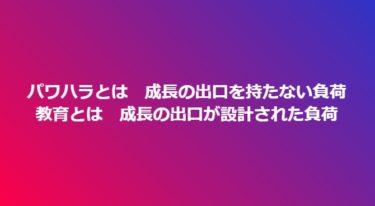
本来、教育には必ず「負荷」があるんですよね。

スポーツも、音楽も、医療も、研究も、経営も。

一定の緊張、失敗、叱責、修正、やり直し——

それを通過しないと「できるようにならない」。

ところが今は、

厳しい指摘=パワハラ
高い要求=圧迫
失敗の指摘=人格否定

と、教育と攻撃の区別がつかない社会になりつつある。

教育自体がパワハラとされて、リスクとなりうるので、

上司は何も言えなくなる
中間管理職が一番消耗する
挑戦的な人材から辞めていく
残るのは「言われないこと」に適応した人だけ

結果どうなるかというと、

「何も言わない上司」
「責任を取らせない組織」
「挑戦させない環境」

が量産される。

これは優しさではなく、放置です。

「弱いものを守る」という大義が、いつのまにか
「強くなるプロセスそのものを否定する」方向に倒れている。

国家の成長も、組織の進化も、人の成熟も、本来は

厳しさ
不均衡
世代間の非対称性
の上に成り立つ。

教える側は常に未熟な相手より強い立場にあるし、その非対称性を前提に「責任を持って導く」ことが教育だったはずです。

今起きているのは、
弱いものを守る

弱いままでいる権利を守る

強くなる努力を要求できない

社会全体が静かに劣化する
という、かなり危うい流れ。

パワハラをなくすことと、教育を成立させることは、本来は両立できる。

必要なのは「厳しさの放棄」ではなく、

目的の共有
評価基準の透明化
人格ではなく行為を問うこと
逃げ道ではなく成長ルートを用意すること

なんですよね。

守るべきは「弱さ」ではなく、強くなろうとする可能性のほうだと思います。

この視点を失った社会は、一見やさしく、内側から静かに衰えていく。いま、その分岐点に立っている感じがします。

パワハラという言葉を
「逃げ道」にしてしまった瞬間、その人は成長のルートを一つ自分で閉じている。

本当に守るべきなのは、

叱られない権利ではなく、

叱られても立ち直れる力のほうなんでしょうね。

The Boundary Between Power Harassment and Education

After yesterday’s round of golf, a conversation with a former top executive of a major hospital and employees from large corporations turned to the topic of power harassment prevention.

As organizations grow larger and involve more people, the interpretation of words inevitably shifts. Once rights-based arguments enter the picture, things become genuinely difficult.

The original intent behind power harassment policies is sound.
They are meant to protect people in vulnerable positions from clearly unreasonable violence, personal degradation, and inescapable pressure.
That is a fundamental responsibility of any modern society.

At its core, power harassment was defined as:
the act of exploiting positional asymmetry to damage someone’s人格, block their escape routes, and strip them of dignity.

But today, a different pattern is emerging.

Before being corrected.
Before being held accountable.
Before being asked for results.

Some subordinates play the card first:
“Isn’t that power harassment?”

This is no longer about protecting victims—it’s a technique for avoiding evaluation.
Somewhere along the way, the line has shifted.

Education, by nature, always involves load.
In sports, music, medicine, research, or management alike.

Tension.
Failure.
Reprimand.
Correction.
Doing it over again.

Without passing through these stages, people simply do not improve.

And yet, we are increasingly living in a society where:
harsh feedback equals harassment,
high expectations equal oppression,
pointing out failure equals a personal attack.

The distinction between education and aggression is being lost.

When education itself becomes a legal or reputational risk, managers fall silent.
Middle management burns out the fastest.
Those with ambition and resilience leave first.
What remains are those who adapt to “not being told anything.”

The result is predictable:
silent supervisors,
organizations that avoid accountability,
environments that discourage challenge.

This is not kindness.
It is neglect.

A principle that began as “protecting the vulnerable” has quietly tipped into
“denying the very process of becoming stronger.”

The growth of nations, organizations, and individuals has always rested on:
rigor,
imbalance,
and generational asymmetry.

Those who teach are, by definition, in a stronger position than those who are learning. Education was never about denying that asymmetry, but about taking responsibility for guiding others through it.

What we are witnessing now is a dangerous sequence:

protect the weak
→ protect the right to remain weak
→ become unable to demand effort toward strength
→ society quietly deteriorates

Eliminating power harassment and sustaining real education are not mutually exclusive.
What is needed is not the abandonment of rigor, but:
shared purpose,
transparent evaluation criteria,
judging actions rather than人格,
and offering growth pathways instead of escape routes.

What deserves protection is not weakness itself, but the potential to become stronger.

A society that loses this perspective may appear gentle on the surface, while slowly eroding from within. It feels as though we are standing at that crossroads now.

The moment “power harassment” becomes an escape hatch,
a person closes off one path of growth for themselves.

What truly needs protecting is not the right to never be scolded,
but the ability to recover—and grow—after being scolded.


良い大学に行くことが人生の設計図にならなくなった理由

「良い大学に行くこと」が、人生の設計図にならなくなった理由

僕たちの親世代にとって、大学選択はそのまま人生の設計図でした。

ものづくりのための東大工学部。

官僚になるための東大法学部。

そして時代が進み、安定と専門性を同時に確保できる選択としての医学部。

少なくとも日本では、

「受験に勝ち、良い大学に入ること」=赤絨毯に乗ること

だった時代が、確かに存在していました。

この構図は、長いあいだ疑われることがなかった。

なぜそれが成立していたのか

理由はシンプルです。

社会が直線的に成長していた
職業構造が安定していた
知識と資格が希少だった
一度獲得した専門性が長期間有効だった

だからこそ、

「どの大学・学部に入るか」は将来をほぼ規定する強力な変数だった。

受験は、人生最大の分岐点だったのです。

ところが、生成AIの登場によって、この前提条件が根底から崩れました。

知識は希少ではなくなった
情報処理能力は人間の専売特許ではなくなった
定型業務・標準解法はAIが最速でこなす
専門性は「保有」ではなく「更新」が必要になった

つまり、

大学で何を学んだかより、社会で何を組み立て続けられるか

のほうが重要な時代に入ったのです。

誤解してほしくないのは、良い大学に入る努力自体を否定しているわけではありません。

難関大学に合格するには、集中力、持続力、自己管理能力が必要です。

それは立派な能力です。

ただし、それはもはや人生の勝ちパターンを保証する切符ではない。

生成AIの時代において、受験で測られる能力は、既存の問題を既存の枠組みで正確に解く力です。

しかし社会が求めているのは、

問いそのものを立て直す力
正解がない状況に耐える力
人間にしかできない価値判断
文脈を読み、意味を編集する力

このズレは、今後さらに拡大していきます。

受験が「オワコン」なのではない

受験“だけ”がオワコンなのだ

重要なのはここです。

受験が無意味になったのではありません。

受験をゴールに据える設計思想が、時代遅れになった。

良い大学に行けば安心
専門職に就けば一生安泰
レールに乗れば外れない

この発想自体が、すでに過去のものになっています。

これからの時代の「赤絨毯」はどこにあるか
生成AIの時代における赤絨毯は、もはや大学の入学式には敷かれていません。

それは、

複数の領域を横断できる人
技術を使いこなす側に回れる人
正解を出すより、意味を作れる人
学び直しを前提に設計できる人

の足元に、断続的に敷かれるものです。

一度乗れば終わり、ではない。何度も敷き直される赤絨毯です。親世代の成功モデルを、そのまま子どもに渡してはいけない

親世代が成功した地図は、その世代には正しかった。

でも、地形が変わった地図をそのまま子どもに渡すのは、親切ではありません。

今の時代に必要なのは、

学歴より、学習速度
正解より、問い
安定より、更新可能性

を軸にした人生設計です。

受験して良い大学に行くこと。それ自体が悪いわけではない。ただし、それを人生の完成形だと思った瞬間に、設計図は古くなる。

「良い大学」は、努力の証明にすぎなくなったのです。

生成AIの時代において、人生は「一度決めて終わり」の構造ではなくなった。

だからこそ、教育も、進路も、可変であることを前提に考える必要がある。

それが、今の時代における、いちばん現実的な教育論だと思っています。
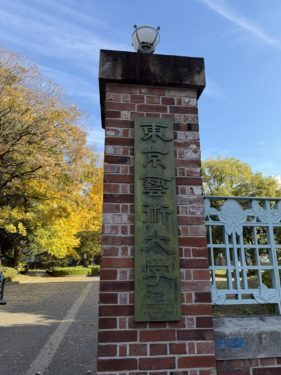
Why “Getting into a Good University” Is No Longer a Life Blueprint

For our parents’ generation, choosing a university was essentially choosing a life blueprint.

The University of Tokyo’s engineering faculty for building things.
Its law faculty for becoming a bureaucrat.
And as time went on, medical school as a path that promised both stability and professional expertise.

At least in Japan, there was undeniably a time when
“winning the entrance exams and getting into a good university” meant stepping onto a red carpet.

This framework went largely unquestioned for a long time.

Why did it work?

The reasons were simple:

society was growing in a linear way

occupational structures were stable

knowledge and credentials were scarce

once acquired, expertise remained valuable for a long time

Because of this,
which university and faculty you entered was a powerful variable that almost determined your future.
Entrance exams were the biggest turning point in life.

But with the arrival of generative AI, these assumptions have collapsed at their foundation.

knowledge is no longer scarce

information processing is no longer a human monopoly

routine tasks and standardized solutions are handled fastest by AI

expertise now needs to be continuously updated, not merely possessed

In other words,
what matters more than what you studied at university is what you can continue to build in society.

I don’t want to be misunderstood: I am not denying the value of striving to enter a good university.

Getting into a highly selective university requires concentration, perseverance, and self-discipline.
These are real and admirable abilities.

However, they are no longer tickets that guarantee a winning life pattern.

In the age of generative AI, entrance exams measure the ability to solve existing problems accurately within existing frameworks.

But what society increasingly demands is:

the ability to reframe the question itself

the strength to endure situations with no clear answer

value judgments that only humans can make

the ability to read context and edit meaning

This gap will only continue to widen.

Entrance exams are not “obsolete.”
What has become obsolete is entrance exams alone.

This distinction is crucial.

Entrance exams have not become meaningless.
What has become outdated is the design philosophy that treats them as the goal.

“Get into a good university and you’re safe.”
“Choose a professional career and you’re set for life.”
“Stay on the rails and you won’t go wrong.”

This way of thinking itself already belongs to the past.

So where is the “red carpet” now?

In the age of generative AI, the red carpet is no longer laid out at university entrance ceremonies.

Instead, it appears—intermittently—beneath the feet of those who:

can move across multiple domains

position themselves as users, not victims, of technology

create meaning rather than merely produce correct answers

design their lives with relearning as a given

It is not a red carpet you step onto once and never leave.
It is one that gets rolled out again and again.

We must not hand our children our generation’s success model unchanged.

The map that led the parent generation to success was valid—for that generation.

But handing the same map to children after the terrain has changed is not kindness.

What is needed today is a life design built around:

learning speed rather than academic pedigree

questions rather than answers

updatability rather than stability

Taking entrance exams and going to a good university is not wrong in itself.
But the moment we mistake it for a completed life design, that blueprint becomes outdated.

A “good university” has become nothing more than proof of effort.

In the age of generative AI, life is no longer structured as “decide once and you’re done.”

That is precisely why education and career paths must be designed with changeability as a premise.

I believe this is the most realistic theory of education for our time.


カテゴリー