














リオハの町Laguardiaから届いたスペインワイン
昨日のゴルフ医科学研究所は、少し趣向の違う会でした。
スペイン・リオハ地方の小さな城塞都市、Laguardiaからワイン生産者をお呼びしてのテイスティング会です。
慶應義塾大学の薬学系研究科でお世話になった先生方も久しぶりにお会いできて、楽しい会になりました。
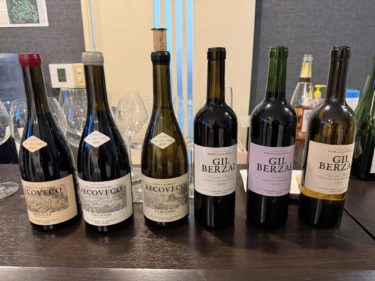


リオハといえば、スペインを代表するワイン産地。
その中心となるブドウは
Tempranillo
Garnacha
この二つを主体とした赤ワインは、果実味と熟成香のバランスが実に美しい。
スペインの太陽と土壌の力強さがそのままグラスに現れるような味わいでした。
昨日のプレゼンテーションはとても興味深く、スライドは西暦500年頃のヨーロッパから始まっていました。
中世のヨーロッパでは、実は水が必ずしも安全な飲み物ではありませんでした。
井戸水や川の水はしばしば腐敗し、疫病の原因になることもあったからです。
そのため人々は、ワインを日常の水分補給として飲んでいたと言われています。
発酵によって保存性が高く、カロリーもある。
大きなガロンボトルに入れて取引される、いわば「液体の食料」でもあったわけです。
ところが19世紀後半、このヨーロッパのワイン文明を揺るがす事件が起きます。
それがフィロキセラ事件です。
Phylloxera。
日本語では「ブドウネアブラムシ」と呼ばれる昆虫で、体長はわずか1mmほど。
しかしこの小さな虫が、ヨーロッパのブドウ畑を壊滅的な状態に追い込みました。
フィロキセラはもともと北米のブドウに寄生する昆虫でした。
19世紀、ヨーロッパでは植物研究のためにアメリカからブドウ苗が輸入されます。
その苗にフィロキセラが付着していたのです。最初に被害が確認されたのはフランス南部ローヌ地方、1863年頃。
そこから被害は瞬く間に広がり、フランス、イタリア、スペイン、ドイツとヨーロッパ全域に拡大していきました。
この事件はスペインにも影響しましたが、結果としてリオハ地方の発展を加速させることになります。
理由は単純です。
フランスのボルドーが壊滅的被害を受けたため、フランスのワイン商人たちがスペインに移動したのです。
彼らはそこで
樽熟成技術
近代的な熟成法
を持ち込みました。
こうして、現在私たちが知る近代リオハワインが形作られていきます。
歴史を振り返ると、文明の転換点はしばしば驚くほど小さな存在から始まります。
体長1mmほどの昆虫が、ヨーロッパのワイン文化を一度崩壊させ、そして新しいワインの時代を生んだ。
昨日のグラスの中にあったリオハのワインは、そんな歴史の積み重なりの上に存在しているのだと改めて感じた夜でした。


A Spanish Wine from Laguardia in Rioja
Yesterday’s gathering at the Institute of Golf Medical Science was a little different from our usual meetings.
This time we invited a wine producer from the small fortified town of Laguardia in Spain’s Rioja region for a tasting event. It was also a pleasure to reconnect with professors from the Graduate School of Pharmaceutical Sciences at Keio University, whom I had not seen in quite some time. Altogether, it turned into a very enjoyable evening.
Rioja, of course, is one of Spain’s most celebrated wine regions.
At the heart of Rioja wines are two grape varieties:
Tempranillo
Garnacha
Red wines built around these grapes show a beautiful balance between vibrant fruit and the complex aromas that develop with aging. In a sense, the strength of the Spanish sun and soil seems to appear directly in the glass.
Yesterday’s presentation by the producer was particularly fascinating. The first slide took us all the way back to Europe around the year 500.
In medieval Europe, water was not always a safe drink. Well water and river water could easily spoil and sometimes caused disease. For this reason, wine was often consumed as a daily source of hydration. Thanks to fermentation it was more stable, contained calories, and could be transported in large gallon-sized containers. In many ways, it functioned as a kind of “liquid food.”
But in the latter half of the 19th century, an event occurred that shook the very foundation of Europe’s wine civilization.
The culprit was phylloxera.
Phylloxera is a tiny insect—known in Japanese as the grape root aphid—measuring barely one millimeter in length. Yet this small creature devastated vineyards across Europe.
Originally, phylloxera lived on grapevines in North America. During the 19th century, European botanists imported American grape seedlings for plant research. Unbeknownst to them, those seedlings carried the insect.
The first serious damage was recorded around 1863 in the Rhône region of southern France. From there the destruction spread rapidly—to France, Italy, Spain, Germany, and eventually throughout Europe.
Spain was affected as well. Yet ironically, this crisis helped accelerate the development of the Rioja region.
The reason was simple.
Because Bordeaux had been so severely damaged, many French wine merchants moved south into Spain.
They brought with them new techniques—
barrel-aging methods
and more modern approaches to maturation.
Through this exchange, the foundations of what we now recognize as modern Rioja wine began to take shape.
Looking back at history, the turning points of civilization often begin with surprisingly small things.
An insect barely one millimeter long nearly collapsed the wine culture of Europe—and in doing so helped usher in a new era of winemaking.
As I looked into my glass of Rioja last night, I was reminded that the wine before me existed because of this long accumulation of history.