













TakahiroFujimoto.com

HOME MAIL
HOME PROFILE BOOKS MUSIC PAPERS CONFERENCES BLOG MAIL CLOSE

BLOG 藤本幸弘オフィシャルブログ

カテゴリー:Energy based medical devicesレーザー・光治療・高周波・プラズマ他機器別

三菱商事ライフサイエンスグループとの共同研究実験

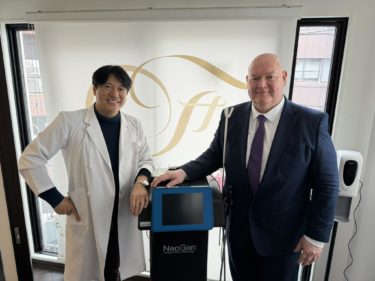
本日は診療前に、三菱商事ライフサイエンスグループとの新たな共同研究実験でした。

集中してレーザーを照射する事15名。NMNとレーザーの相乗効果を検証しようと思っています。

NMN とレーザー —— 作用機序に見られる「意外な共通点」

NMN(Nicotinamide Mononucleotide)と低出力レーザー(Photobiomodulation, PBM)。

一見まったく別物に見えるこの二つですが、細胞レベルまで降りていくと、驚くほど似た振る舞いをしていることがわかってきます。

1. 共通の舞台は「ミトコンドリア」

NMNもレーザーも、最終的に狙っている主戦場はミトコンドリアです。

NMN
→ NAD⁺の前駆体として細胞内に取り込まれ、電子伝達系・
TCA回路を通じてATP産生を底上げする。

レーザー(PBM)
→ 主にミトコンドリア内膜に存在するシトクロムcオキシダーゼ(Complex IV)が光を吸収し、電子伝達効率が向上する。

つまり両者とも、「エネルギー通貨ATPを増やす」方向に働く点で一致しています。

2. NAD⁺と電子伝達系 —— 同じ回路を別方向から叩く
もう一段深く見ると、電子の流れという共通キーワードが浮かび上がります。

NMN → NAD⁺増加 → NADH供給増加 → Complex I から電子供給
レーザー → Complex IV 活性化 → 電子の“出口”が広がる

入口(NMN)と出口(レーザー)は違っても、同じ電子伝達系という川の流れを太くしているわけです。

つまり

「NMNは燃料、レーザーはタービン調整」

という役割です。

3. ROSは敵か味方か —— シグナルとしての共通利用

興味深いのは、どちらもROS(活性酸素)を完全には消さない点です。

NMN:代謝活性化に伴い軽度のROS増加
レーザー:一過性のROS上昇をシグナルとして利用

この「軽い酸化ストレス」は、

NRF2
SIRT1
PGC-1α

といった細胞防御・ミトコンドリア新生経路を活性化します。

完全にROSをゼロにするのではなく、使いこなすという思想が共通しています。

4. 「直接治療」ではなく「環境改善」

NMNもレーザーも、抗生物質や手術のように直接何かを除去する治療ではありません。

細胞が本来持っている

回復力
適応力
エネルギー産生能力

を引き出す医療である点が、本質的に同じです。

だからこそ、効きすぎない 効かなさすぎない

使い方で結果が変わる

という、いかにも「調律型医療」らしい特徴を持ちます。

まとめ 異なる入口、同じ出口

NMNとレーザーの共通点を一言で言えば、

「ミトコンドリアの時間を若返らせる介入」

です。

分子(NMN)と光(レーザー)。

アプローチは違っても、細胞が向かう先は同じ。

国際学会を巡っていて、これほど美しい収束を見る瞬間は、そう多くありません。

次に考えるべきテーマは、「併用は相加か、相乗か」です。こうご期待。

Today, prior to clinical consultations, we conducted a new collaborative experimental study with the Mitsubishi Corporation Life Sciences Group.
Fifteen participants underwent focused laser irradiation, and we aim to investigate the synergistic effects of NMN and laser therapy.

NMN and Laser Therapy — An Unexpected Convergence in Mechanism of Action

NMN (Nicotinamide Mononucleotide) and low-level laser therapy, or photobiomodulation (PBM).
At first glance, these two interventions appear entirely unrelated.
However, when we descend to the cellular level, it becomes clear that they exhibit remarkably similar behaviors.

1. A Shared Battlefield: The Mitochondria

Both NMN and laser therapy ultimately target the mitochondria as their primary site of action.

NMN
→ Taken up into cells as a precursor of NAD⁺, enhancing ATP production via the electron transport chain and the TCA cycle.

Laser (PBM)
→ Light is absorbed primarily by cytochrome c oxidase (Complex IV) in the inner mitochondrial membrane, improving the efficiency of electron transport.

In short, both interventions converge on the same goal: increasing the production of ATP, the cell’s energy currency.

2. NAD⁺ and the Electron Transport Chain — Targeting the Same Pathway from Different Directions

Looking one level deeper, the common keyword that emerges is electron flow.

NMN → increased NAD⁺ → increased NADH supply → enhanced electron input at Complex I

Laser → activation of Complex IV → expansion of the electron “exit”

Although the entry point (NMN) and the exit point (laser) differ, both effectively widen the same river—the electron transport chain.

In this sense:
“NMN supplies the fuel, while the laser fine-tunes the turbine.”

3. ROS: Enemy or Ally? — A Shared Use as a Signaling Molecule

Another intriguing similarity is that neither intervention seeks to eliminate reactive oxygen species (ROS) entirely.

NMN: mild ROS increase accompanying metabolic activation

Laser: transient ROS elevation utilized as a signaling trigger

This “mild oxidative stress” activates key cytoprotective and mitochondrial biogenesis pathways, including:

NRF2

SIRT1

PGC-1α

Rather than reducing ROS to zero, both approaches share the philosophy of harnessing ROS appropriately.

4. Not “Direct Treatment,” but “Environmental Optimization”

Neither NMN nor laser therapy removes pathogens or tissues directly, as antibiotics or surgery do.

Instead, both aim to draw out the cell’s inherent capacities for:

recovery

adaptation

energy production

This fundamental similarity places them squarely within what might be called “tuning-based medicine.”

As a result, outcomes depend critically on dosage and application—
neither too strong, nor too weak—
a hallmark of regulatory rather than destructive interventions.

Conclusion: Different Entrances, the Same Exit

If the commonality between NMN and laser therapy were to be summarized in a single phrase, it would be this:

“An intervention that rejuvenates mitochondrial time.”

One is a molecule; the other, light.
The approaches differ, but the destination of the cell is the same.

Having traveled across international scientific conferences, I can say that moments of such elegant convergence are rare.

The next question to be addressed is clear:
Is their combined use merely additive—or truly synergistic?

Stay tuned.


技術を説明しない講演

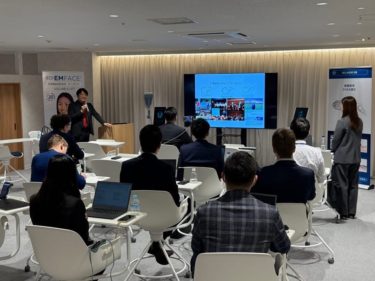
企業講演を終えました。

今回のテーマは

「美容機器メーカーとしてのBTL社のグローバルな存在感と技術力」

でした。

ただし、最初から「製品紹介をするつもり」はありませんでした。依頼内容をそのままなぞっても、社員の皆さんの行動や思考は変わらない。

そう感じた時点で、僕は週末を使って、講演スライドを一度すべて白紙に戻しました。

技術を説明しない講演、という選択

今回の講演で意識したのは、DBA(経営管理学博士)的視点です。

つまり、
「技術をどう説明するか」ではなく、
「その技術によって、企業は世界でどのような役割を担っているのか」という構造から、話を組み立て直しました。

技術力は、もちろん重要です。

しかし、技術力“そのもの”が主役になる講演は、翌日には忘れられます。記憶に残り、組織を動かすのは、技術が戦略の中でどのような意味を持っているのかという理解です。

当たり前の中に埋もれている「非凡さ」を可視化する

BTLの機器は、客観的に見ても世界トップクラスです。

講演ではまず、
BTLの製品が
どの領域において
どの未充足ニーズを
解決してきたのかを、俯瞰的に整理しました。

製品単体ではなく、
市場選択と意思決定の積み重ねとして捉え直すことで、
社員の皆さんが日常的に扱っている“当たり前”の中に、
実は極めて非凡な戦略が内包されていることが、自然と浮かび上がってきます。

社員の視点が変わると、組織の重心が変わります

質疑応答で、最も印象に残った言葉があります。
「自社製品を、こんな視点で考えたことがなかった」

これは単なる感想ではありません。
社員の視座が一段上がったサインです。

自社製品の価値を再定義する

企業が世界で果たしている役割を構造的に理解する
自分の仕事が、グローバル戦略のどこに位置づけられているのかを知る

このプロセスを経ることで、組織内には共通認識と誇りが生まれ、結果としてチームの一体感と判断の質が変わっていきます。

経営学的には、これは
Organizational Identity(組織アイデンティティ)の再構築に相当します。

独自の技術を持つ企業ほど「語り直し」が必要です

高度な技術を持つ企業ほど、
「分かっているはず」「今さら説明はいらない」という前提に縛られがちです。

しかし実際には、
語り直された技術だけが、社員の中で誇りとして定着し、行動規範になります。

技術の良さが“分かっているつもり”の状態では、
その価値は社内にも、そして社外にも、十分には伝わりません。

答えを出さない講演、という設計

今回の講演では、あえて5つの命題を提示して終えています。答えを教えることは簡単です。

しかし、それでは組織は変わりません。

命題を投げ、
組織が自ら考え、噛み砕き、次の一歩を選ぶ。

講演とは、その思考の起点をつくる装置だと、僕は考えています。

これからの企業講演に求められているのは、

モチベーションアップでもなく
製品理解の促進でもなく
「自分たちは何者なのか」を再定義する視点です。

技術、製品、歴史、そして現場。
それらを一段高い経営視座から再接続する。

企業に呼ばれて話す講演では、その役割を担うことが、今の僕の仕事なのだろうと思っています。


I’ve just finished a corporate lecture.

The theme this time was:
“BTL’s Global Presence and Technological Capabilities as an Aesthetic Medical Device Manufacturer.”

However, from the outset, I had no intention of giving a product presentation. Simply following the brief as given would not change how employees think or act.

Once I realized that, I spent the weekend wiping the presentation slides completely clean and starting over from scratch.


Choosing Not to Explain the Technology

What I focused on in this lecture was a DBA (Doctor of Business Administration) perspective.

In other words, instead of asking,
“How should we explain the technology?”
I reframed the talk around the question:
“What role does this technology enable the company to play in the world?”

From that structural viewpoint, I rebuilt the entire narrative.

Technological capability is, of course, important.

But lectures where technology itself is the protagonist are forgotten the very next day. What truly stays with people—and moves an organization—is an understanding of what that technology means within a broader strategy.


Making the “Extraordinary” Visible Within the Ordinary

Objectively speaking, BTL’s devices are among the best in the world.

At the beginning of the lecture, I organized a high-level overview of:

  • which domains BTL’s products operate in,

  • which unmet needs they have addressed,

  • and how those needs have been solved over time.

By reframing the products not as isolated items but as the result of accumulated market choices and strategic decisions, something became clear.

Within what employees handle every day as “business as usual,” there lies an exceptionally sophisticated strategy—one that often goes unnoticed precisely because it feels so normal.


When Employees’ Perspectives Change, the Center of Gravity Shifts

During the Q&A session, one comment stood out to me:
“I’ve never thought about our products from this perspective before.”

This was not merely feedback.
It was a signal that their frame of reference had shifted upward.


Redefining the Value of One’s Own Products

Understanding, in structural terms, the role the company plays globally.
Recognizing where one’s own work fits within a global strategy.

Through this process, shared understanding and pride emerge within the organization. As a result, team cohesion strengthens and the quality of decision-making improves.

From a management theory perspective, this corresponds to a reconstruction of Organizational Identity.


The More Advanced the Technology, the More It Needs to Be Reframed

Companies with highly advanced technologies are often constrained by assumptions such as:
“Everyone already understands this,” or
“There’s no need to explain it again.”

But in reality, only technology that has been re-articulated becomes a source of pride for employees and a genuine guide for action.

When people merely think they understand the value of a technology, that value is never fully communicated—neither internally nor externally.


Designing a Lecture That Does Not Provide Answers

In this lecture, I intentionally ended by presenting five propositions—without giving the answers.

Providing answers is easy.
But that does not change an organization.

Instead, I believe in posing questions, allowing the organization to think, digest, and choose its next step on its own.

A lecture, in my view, is a device designed to initiate that thinking process.


What Corporate Lectures Are Being Asked to Do Now

What is required of corporate lectures today is not:

  • boosting motivation,

  • nor simply deepening product understanding,

but offering a perspective that helps people redefine “who we are.”

Technology, products, history, and frontline operations—all reconnected from a higher managerial vantage point.

When I am invited to speak at companies, fulfilling that role is likely what my work is about now.


美容機器の安定性とは何か

美容機器の「安定性」とは何か
――派手さの裏側で、臨床を支えているもの――

学会会場を歩いていると、いつも同じ光景に出会う。
ブースの中央には、最新機種。
大型スクリーンには、劇的なビフォーアフター。
そして耳に心地よい言葉が並ぶ。
「最短」「最強」「最新」「ノーダウンタイム」。

だが、長年この世界を歩いてきた者ほど、自然と足が止まるのは別の場所だ。
「その機械は、何年同じ出力を出し続けられるのか」
ここに、美容機器の本質がある。

安定性とは「効く」ことではない

美容医療における機器の安定性は、しばしば誤解される。
それは「強い出力が出る」ことでも、「一回で変化が出る」ことでもない。

安定性とは、同じ条件で、同じ結果が、長期間再現できること。

レーザー、RF、HIFEM、超音波。
どのエネルギーデバイスであっても、生体に与える刺激は「量」と「時間」で決まる。この二つが毎回微妙にズレれば、臨床結果もズレる。

実際、レーザー医療の基礎論文では、“energy stability over time” が治療成績に直結することが繰り返し示されている。

たとえば Anderson & Parrish による選択的光熱融解理論の後続研究では、設定値と実測値の乖離が、組織反応のばらつきを生むことが指摘されている
(Lasers in Surgery and Medicine, 1983; 1: 263–276)。

出力の安定性は「内部構造」で決まる

国際学会を巡ると、同じ波長・同じスペックを謳う機器が溢れている。
しかし分解写真を見ると、内部構造はまったく異なる。

電源部の余裕設計
冷却系の冗長性
センサーのフィードバック精度
キャリブレーション頻度

これらはカタログにはほとんど書かれない。
だが、5年後、10年後の安定性を決めるのはここだ。

RFデバイスに関するレビューでは、
出力制御のフィードバック機構がない機器ほど、
長期使用でエネルギー誤差が拡大することが報告されている
(Gold et al., Dermatologic Surgery, 2011; 37: 889–898)。

生体側から見た「安定性」

もう一つ重要なのは、生体の側だ。

人間の皮膚は、日によって状態が違う。
年齢、ホルモン、睡眠、炎症。
それでも結果を揃えるためには、機械側がブレないことが絶対条件になる。

ここでも鍵になるのは「最大出力」ではなく、毎回同じ刺激を届けられるかという一点だ。

安定性は「地味」だが、裏切らない

派手な新製品は、確かに楽しい。展示会場では人だかりもできる。だが、10年後も診療室の片隅で静かに稼働しているのは、
たいてい“地味な顔”の機械だ。

長期フォローアップ研究では、初期効果よりも合併症率と再現性が最終的な評価を決めることが示されている
(Alster & Tanzi, Lasers in Surgery and Medicine, 2004; 34: 241–247)。

美容医療は、短距離走ではない。患者さんの人生に伴走する、長い時間の医療だ。

リバースエンジニアリングと後発品

——「似せる技術」と「積み上げる技術」の決定的な違い——

学会の展示会場を歩いていると、
ある瞬間に、ふと足が止まることがある。

「……あれ? これ、見たことがある構造だな」

筐体の曲線、ハンドピースの重量感、
UIの配置、説明の言い回しまで、どこか既視感がある。

それが、リバースエンジニアリングによって生まれた後発品だ。

リバースエンジニアリングとは何か

リバースエンジニアリングとは、
完成した製品を分解・解析し、

形状
材質
出力
回路構成

を後追いで再構築する技術を指す。

工学的には、決して違法でも邪道でもない。
航空機、半導体、自動車産業でも日常的に行われている。

問題は、医療機器、とくにエネルギーデバイスにこれを適用したときに起きる。

医療機器で「再現できないもの」

後発品メーカーが再現できるのは、主に以下だ。

最大出力値
周波数レンジ
照射時間
外形寸法

いわば「静止した数値」である。

しかし、臨床で効いているのは、
数値ではなく挙動だ。

出力の立ち上がり速度
微細な揺らぎ(フラクチュエーション)
連続使用時のドリフト
温度・負荷変化に対する補正
安全域に入る直前の制御ロジック

これらは、

分解しても分からない
マニュアルにも書いていない
長年の失敗と改良の履歴そのもの

つまり、時間の層だ。

リバースエンジニアリングは、
「形」は真似できても、
「時間」は真似できない。

後発品が抱える構造的限界

後発品が臨床で問題を起こしやすい理由は、
技術力不足というより、開発プロセスの省略にある。

本来、オリジナル機器は

基礎実験
動物試験
ヒト初期試験
不具合の修正
再設計
長期使用テスト

という、遠回りの塊でできている。

後発品は、この②〜⑤を
「市場で埋め合わせる」構造になる。

結果として、

個体差が大きい

ロットごとに挙動が違う

長時間使用で不安定化

トラブル対応が後手に回る

という現象が起きる。

FDAも医療機器後発化について、

医療機器における同等性評価は、
工学的同等性を示すものであり、
臨床的同一性を保証するものではない

U.S. FDA, Guidance for Industry, 2018

と明確に述べている。

旅を続けてわかったこと

ヨーロッパでも、アメリカでも、アジアでも。
評価され続けているメーカーに共通するのは、
「安定性を哲学として持っているかどうか」だった。

新しいことをしない、という意味ではない。むしろ逆だ。変わり続けるために、変えてはいけない核を守っている。


What Does “Stability” Mean in Aesthetic Medical Devices?

—What Truly Supports Clinical Practice Behind the Flash—

When walking through the halls of a medical conference, one is always greeted by the same scene.
At the center of each booth stands the latest model.
Large screens display dramatic before-and-after images.
And a series of pleasant-sounding words fills the air:
“Fastest,” “Most powerful,” “Latest,” “No downtime.”

Yet the longer one has walked this path, the more naturally one’s feet stop elsewhere.
At a different question entirely:

“How many years can this machine continue to deliver the same output?”

Here lies the essence of aesthetic medical devices.


Stability Does Not Mean “Power”

Stability in aesthetic medicine is often misunderstood.
It does not mean “high output,” nor does it mean “visible change in a single session.”

Stability means that, under the same conditions, the same results can be reproduced consistently over a long period of time.

Laser, RF, HIFEM, ultrasound—
Regardless of the energy modality, the biological stimulus is determined by dose and time.
If either fluctuates even slightly from session to session, clinical outcomes will inevitably fluctuate as well.

Indeed, foundational laser medicine literature has repeatedly shown that energy stability over time directly correlates with treatment outcomes.

For example, follow-up studies to the theory of selective photothermolysis proposed by Anderson and Parrish point out that discrepancies between set values and actual measured output lead to variability in tissue response
(Lasers in Surgery and Medicine, 1983; 1: 263–276).


Output Stability Is Determined by Internal Architecture

At international congresses, devices claiming the same wavelength and specifications are everywhere.
Yet when one examines teardown images, their internal structures differ completely.

  • Power supply headroom

  • Redundancy in cooling systems

  • Precision of sensor feedback

  • Calibration frequency

These factors are rarely mentioned in brochures.
However, they are precisely what determine stability five or ten years later.

A review of RF devices reports that systems lacking output-feedback control mechanisms exhibit increasing energy deviation with long-term use
(Gold et al., Dermatologic Surgery, 2011; 37: 889–898).


Stability from the Biological Perspective

Another crucial aspect is the patient’s body.

Human skin changes from day to day.
Age, hormones, sleep, inflammation—all fluctuate.
To achieve consistent outcomes despite this, the machine itself must remain unwavering.

Once again, the key is not maximum output, but whether the device can deliver the same stimulus every single time.


Stability Is “Unflashy,” but It Never Betrays

Flashy new products are undeniably exciting. Crowds gather around them at exhibitions.
But ten years later, the machines still quietly operating in the corner of the clinic are usually the ones with the most unassuming appearance.

Long-term follow-up studies demonstrate that complication rates and reproducibility, rather than initial effects, ultimately determine clinical evaluation
(Alster & Tanzi, Lasers in Surgery and Medicine, 2004; 34: 241–247).

Aesthetic medicine is not a sprint.
It is a long-distance practice—one that walks alongside a patient’s life.


Reverse Engineering and Follow-On Devices

—The Decisive Difference Between “Imitation” and “Accumulation”—

While walking through conference exhibition halls, there are moments when one suddenly stops.

“…Wait—haven’t I seen this structure before?”

The curvature of the housing, the weight of the handpiece,
the UI layout, even the phrasing of the explanations—
all feel strangely familiar.

This is the hallmark of products born through reverse engineering.


What Is Reverse Engineering?

Reverse engineering refers to the process of disassembling and analyzing a completed product in order to reconstruct:

  • Shape

  • Materials

  • Output

  • Circuit configuration

From an engineering standpoint, it is neither illegal nor unethical.
It is routinely practiced in aviation, semiconductors, and the automotive industry.

The problem arises when this approach is applied to medical devices—particularly energy-based devices.


What Cannot Be Reproduced in Medical Devices

What follow-on manufacturers can reproduce are mainly the following:

  • Maximum output values

  • Frequency ranges

  • Irradiation time

  • External dimensions

In other words, static numbers.

But what truly works in clinical practice is not numbers—it is behavior.

  • Output ramp-up speed

  • Micro-fluctuations

  • Drift during continuous use

  • Compensation for temperature and load changes

  • Control logic just before entering safety thresholds

These elements:

  • Cannot be understood through disassembly

  • Are not written in manuals

  • Represent the accumulated history of failures and refinements

They are, in essence, layers of time.

Reverse engineering can imitate form,
but it cannot imitate time.


The Structural Limitations of Follow-On Devices

The reason follow-on devices are more prone to clinical issues lies not so much in technical inferiority as in the omission of the development process.

Original devices are built through a long detour of:

  • Basic experiments

  • Animal studies

  • Early human trials

  • Failure correction

  • Redesign

  • Long-term durability testing

Follow-on products effectively outsource steps ②–⑤ to the market itself.

As a result:

  • Individual variability increases

  • Behavior differs between production lots

  • Stability deteriorates with prolonged use

  • Troubleshooting becomes reactive rather than proactive

The FDA has also clearly stated regarding medical device equivalence:

“Substantial equivalence determinations demonstrate engineering equivalence,
not clinical sameness.”

(U.S. FDA, Guidance for Industry, 2018)


What I Learned from Continuing the Journey

In Europe, America, and Asia alike, manufacturers that continue to be respected share one common trait:

They hold stability as a philosophy.

This does not mean they avoid innovation—quite the opposite.
They protect the unchanging core precisely so that they can continue to evolve.


10分類

エネルギーベースの美容医療機器の10分類

専門医資格を取得しながらも、保険診療の構造そのものに違和感を覚え、僕がレーザー医療の世界に足を踏み入れたのは、ちょうど世紀が切り替わる25年ほど前のことだった。

当時、「エネルギーベースの医療機器」と言えば、ほぼイコールでレーザーを指していた時代である。

しかし四半世紀という時間は、この分野の地形を完全に塗り替えた。

光だけだった世界に、電気、音、磁場、冷却といった異なる物理学が次々と加わり、美容医療機器はもはや単一の技術では語れない“群島”のような存在になった。

国際学会の展示ホールを歩くたびに、その変化を実感する。

同じ「若返り」を掲げながら、アプローチも思想もまったく異なる装置たちが、静かに並んでいるのだ。

この文章では、そうしたエネルギーベースの美容医療機器を、物理原理と臨床的役割の視点から10に分類し、現在地を整理してみたい。

これは機器の優劣を論じるための一覧ではない。

どこを、何で、どう変えるのか──その設計図を描くための地図である。

① アブレイティブ・レーザー

― 皮膚を一度、白紙に戻すという選択 ―
アブレイティブ・レーザーは、美容医療の中で最も「覚悟」を要する技術だと思っています。

皮膚を削る、蒸散させる、つまり一度壊す。この潔さは、他の機器にはありません。

表皮が消失し、真皮が露出することで、皮膚は強制的に再生モードへ入ります。

コラーゲンは作り直され、瘢痕や深い皺は確実に変わる。

その代わり、ダウンタイムとリスクも等価交換で背負う。
これは「若返り」ではなく、再構築です。

設計を間違えれば破綻するし、決まれば圧倒的。
今でもこのカテゴリーが消えない理由は、結果が最も分かりやすいからです。

② ノンアブレイティブ/フラクショナルレーザー

― 壊さずに、内部から立て直す ―

アブレイティブの対極にあるのが、このカテゴリーです。
皮膚は守りながら、真皮だけに熱刺激を与える。

点状、あるいは面状に与えられた熱は、線維芽細胞を「もう一度働け」と静かに起こします。
変化は劇的ではないけれど、積み重ねるほど裏切らない。
毛穴が整い、肌理が揃い、触ったときの質感が変わる。
患者さんが「何か違う」と言うのは、たいていこの領域です。
派手さはない。
でも日常診療の中心に据えるなら、最も信頼できる存在です。

③ ピコ秒・ナノ秒レーザー

― 熱ではなく、衝撃で世界を変えた技術 ―
狙っているのは熱ではなく、一瞬の衝撃。
色素を焼くのではなく、砕く。
真皮に空間を作り、再構築のスイッチを入れる。
シミが軽くなる、くすみが抜ける、肌が“薄く”感じられる。それはリフトでもタイトニングでもない、質量感の変化です。
ただし、構造は動かない。

ピコレーザーは、あくまで「表情を明るくする装置」。
骨格や下垂を任せる相手ではありません。

④ IPL・LED

― 派手さはないが、肌を整える名脇役 ―
IPLやLEDは、主役になろうとしません。
広く、浅く、優しく。
だからこそ、調子を整える力がある。
赤み、色むら、炎症。
どれも単独では大きな問題ではないけれど、
積み重なると「老けて見える原因」になる。
このカテゴリーは、劇的な変化よりも、土台を平らにする役割を担っています。

派手な機器の前後に入ると、治療全体が安定する。
地味だけれど、外すと困る。
そんな存在です。

⑤ RF(高周波)

― 皮膚を温め、縮めるという直感的な治療 ―
RFは、理屈がとても分かりやすい。
電気を流し、抵抗で熱を生む。
温まったコラーゲンは縮み、やがて作り直される。
即時的な引き締まりと、数ヶ月後の再構築。
この二段構えが、RFの美点です。
ただし、動かせるのは真皮まで。
SMASには届かない。
だからこそ、初期たるみや質感改善に向いている。
HIFUほど強くなく、レーザーほど繊細でもない。
その中間にある、扱いやすい熱源です。

⑥ HIFU(焦点式超音波)

― 非侵襲で「位置」を変えにいく唯一の技術 ―
HIFUが特別なのは、美容医療で初めて構造そのものを扱った点です。
焦点にだけエネルギーを集めSMASや脂肪隔壁に点状の凝固を作る。
これにより、皮膚ではなく“支点”が動く。フェイスラインが上がる理由は、皮膚が引き締まったからではありません。吊っている場所が変わったからです。
ただし、肌質は変わらない。

HIFU単独で若返ると思うと、必ず限界にぶつかる。
これは「骨組み担当」です。

⑦ 平行式超音波(Sofwave)

― 真皮だけを、均一に張り直す ―
Sofwaveは、HIFUと同じ超音波でも、思想が真逆です。
焦点を作らず、真皮中層を帯状に加熱する。

結果として起きるのは、均一なコラーゲン刺激。
ハリ、弾力、触感。
リフトではない。
でも「疲れて見える顔」を戻す力がある。
ダウンタイムを嫌う層にとって、このカテゴリーは非常に相性が良い。
構造を触らず、皮膚だけをきれいにする。
割り切りの美学です。

⑧ 冷却・脂肪破壊系

― 脂肪は、寒さに弱い ―
このカテゴリーは、生理学の勝利です。
脂肪細胞は冷えに弱い。

その弱点を、静かに突く。
脂肪は数ヶ月かけて減っていく。
派手な変化はないが、確実に体積が減る。
ただし、皮膚は別問題。

脂肪が減れば、たるみが目立つこともある。
だからこれは、単独で完結する治療ではない。
設計図の一部として使うと、非常に強力です。

⑨ プラズマ・複合エネルギー

― 境界領域にこそ、進化が起きる ―

この領域は、まだ定義が固まっていません。
だからこそ面白い。
単一の物理原理では足りない。
レーザーだけ、RFだけでは限界がある。
その発想から生まれたのが、このカテゴリーです。
表層と深部を同時に。
異なるエネルギーを重ねる。
設計思想は、メーカーごとにまったく違う。
理解せずに使うと迷走する。
でも理解できると、一気に視界が開ける。
実験場であり、未来の原型です。

⑩ 電磁・電気刺激系(HIFEM HIFES)

― 初めて「筋肉」を直接扱った美容医療 ―
HIFEMが登場したとき、
美容医療は一段階、次元が変わったと思いました。
皮膚でも脂肪でもない。
筋肉そのものをターゲットにする。
超極大収縮によって、筋肉は鍛えられ、緊張が変わり、支持力が変わる。
顔でも体でも、「形を支える力」が変化する。
ただし、皮膚は変わらない。

HIFEMは土台。
仕上げは別の機器が必要です。

総括
この10分類は、
美容医療を「層」で考えるための言語です。
表層
真皮
構造
体積
支持力
どこを、どの順で触るか。
それを考えるための地図です。

Ten Categories of Energy-Based Aesthetic Medical Devices

Although I had obtained board certification as a specialist, I felt a growing sense of discomfort with the very structure of insurance-based medicine. It was around the turn of the century—about 25 years ago—that I stepped into the world of laser medicine.

At that time, the term “energy-based medical devices” was almost synonymous with lasers.

However, a quarter of a century has completely redrawn the landscape of this field.

What was once a world defined solely by light has expanded to include electricity, sound, magnetic fields, and cooling—diverse branches of physics layered one upon another. Aesthetic medical devices are no longer a single technology, but rather an archipelago of distinct approaches.

Each time I walk through the exhibition halls of an international congress, I am reminded of this transformation.

Devices that all claim “rejuvenation,” yet differ entirely in philosophy and approach, stand quietly side by side.

In this essay, I would like to organize energy-based aesthetic devices into ten categories, based on their physical principles and clinical roles, in order to clarify where we currently stand.

This is not a list meant to rank superiority or inferiority.

It is a map—one meant to help design a blueprint:
where to change, with what, and how.


① Ablative Lasers

— The choice to return the skin to a blank slate —

Among aesthetic technologies, ablative lasers demand the greatest degree of resolve.

They remove tissue. They vaporize. In other words, they deliberately destroy.
This decisiveness is unmatched by any other modality.

When the epidermis is eliminated and the dermis exposed, the skin is forcibly pushed into regeneration mode.

Collagen is rebuilt. Scars and deep wrinkles change definitively.

In exchange, downtime and risk must be accepted at equal value.
This is not “rejuvenation.” It is reconstruction.

If the design is wrong, it fails catastrophically.
If it is right, the results are overwhelming.

This category has never disappeared, because its outcomes are the most immediately apparent.


② Non-Ablative / Fractional Lasers

— Rebuilding from within, without destroying —

At the opposite pole of ablative lasers lies this category.

The epidermis is preserved while thermal stimulation is delivered only to the dermis.

Heat applied in dots or planes quietly tells fibroblasts, “Get back to work.”

The changes are not dramatic, but they are dependable when accumulated.
Pores refine. Skin texture aligns. The tactile quality changes.

When patients say, “Something feels different,” it is often this domain at work.

Not flashy.
But as a foundation of daily practice, it is the most reliable tool.


③ Picosecond / Nanosecond Lasers

— A technology that changed the world through impact, not heat —

The target here is not heat, but instantaneous shock.

Pigment is not burned—it is shattered.
Microcavities are created within the dermis, triggering reconstruction.

Spots lighten. Dullness clears. The skin feels “thinner.”
This is not lifting or tightening, but a change in mass perception.

However, structure does not move.

Picosecond lasers are devices that brighten expression.
They are not meant to address skeletal support or sagging.


④ IPL / LED

— Unspectacular, yet indispensable supporting players —

IPL and LED do not seek the spotlight.

Broad, shallow, gentle.
And precisely because of that, they stabilize the skin.

Redness, color irregularity, inflammation—
none dramatic on their own, yet cumulatively responsible for an aged appearance.

This category flattens the ground rather than reshaping it.

Inserted before or after more aggressive treatments, it stabilizes the entire plan.
Subtle, but sorely missed when absent.


⑤ RF (Radiofrequency)

— An intuitive treatment: warming and contracting the skin —

RF is easy to understand.

Electric current flows, resistance generates heat.
Heated collagen contracts, then gradually rebuilds.

Immediate tightening followed by delayed reconstruction—
this two-step effect is RF’s strength.

However, its reach is limited to the dermis.
It does not extend to the SMAS.

Thus, it is ideal for early laxity and texture improvement.
Less aggressive than HIFU, less delicate than lasers.

A practical and versatile heat source that sits squarely in between.


⑥ HIFU (High-Intensity Focused Ultrasound)

— The only non-invasive technology that changes “position” —

What makes HIFU unique is that it was the first aesthetic modality to address structure itself.

Energy is focused precisely, creating point coagulation in the SMAS or fibrous septa.

As a result, it is not the skin but the supporting anchor that moves.
The face lifts not because the skin tightens, but because the suspension point shifts.

That said, skin quality does not change.

Expecting rejuvenation from HIFU alone inevitably leads to disappointment.
This modality is responsible for the framework.


⑦ Parallel Ultrasound (Sofwave)

— Uniformly re-tensioning the dermis alone —

Though it uses ultrasound like HIFU, Sofwave’s philosophy is the opposite.

Rather than creating focal points, it heats the mid-dermis evenly in bands.

The result is uniform collagen stimulation.
Firmness, elasticity, tactile improvement.

This is not a lift.
But it restores a face that looks “tired.”

For patients who dislike downtime, this category is an excellent fit.
No structural manipulation—only skin refinement.

Aesthetic minimalism, by design.


⑧ Cooling / Fat Reduction Technologies

— Fat is vulnerable to cold —

This category represents a triumph of physiology.

Fat cells are sensitive to cold.
That weakness is quietly exploited.

Over several months, fat volume decreases.
The change is subtle but reliable.

However, skin is a separate issue.

As fat diminishes, laxity may become more noticeable.
Thus, this treatment rarely stands alone.

When used as part of a broader design, it becomes extremely powerful.


⑨ Plasma / Combined Energy Devices

— Evolution happens at the boundaries —

This domain is still undefined—and that is precisely why it is compelling.

A single physical principle is no longer enough.
Lasers alone, RF alone—each has limits.

From that realization, this category was born.

Surface and depth treated simultaneously.
Multiple energies layered together.

Design philosophies differ radically between manufacturers.

Used without understanding, these devices lead to confusion.
Understood properly, they expand one’s perspective dramatically.

This is an experimental field—and a prototype of the future.


⑩ Electromagnetic / Electrical Stimulation (HIFEM, HIFES)

— The first aesthetic technology to directly target muscle —

When HIFEM emerged, I felt aesthetic medicine shift to a new dimension.

Not skin. Not fat.
But muscle itself.

Through supramaximal contractions, muscles are strengthened, tone changes, and support improves.

In both face and body, the power that maintains form is altered.

However, the skin does not change.

HIFEM builds the foundation.
Finishing requires other devices.


Conclusion

These ten categories form a language for thinking about aesthetic medicine in layers:

  • Surface

  • Dermis

  • Structure

  • Volume

  • Support

Where to intervene—and in what sequence.

This framework is a map for answering those questions.


カテゴリー