TakahiroFujimoto.com

HOME MAIL
HOME PROFILE BOOKS MUSIC PAPERS CONFERENCES BLOG MAIL CLOSE

BLOG 藤本幸弘オフィシャルブログ

カテゴリー:経営学

医療ベンチャーに必要なのは、夢より先にスケールの計算

今日は、とある医療系ベンチャーの識者座談会に参加してきました。ところが、話を聞いてみると、正直なところ内容はかなり厳しかった。医療的に意味があるかどうか以前に、そもそも事業としてどこまで大きくするつもりなのか、そのスケール感がほとんど見えてこなかったのです。

医療系ベンチャー企業を興したい、または興した方々から相談を受ける機会がよくあります。時間などの関係で全てをお受けすることはできませんが、タイミングが良いもので役に立てそうなものはお引き受けすることもあります。

若い方も多く、時に厳しい話をしてしまうこともありますが、そこも含めてお声がけいただいてると思っています。僕自身もそうですが、大人になると厳しいことを言ってくれる人は周りにどんどんいなくなってしまう。薄く耳に心地良い話をする方が楽なことも多いですが、せっかく声をかけて頂く以上、嫌われても良いので、正直な感想を伝えたいと思っています。

僕自身、これまでに株式会社の上場に関わった経験があります。今でも四季報には大株主として名前が載っています。だからこそ、今日の話を聞いていて余計に違和感がありました。上場というのは、単に会社を作って、売上を伸ばして、資金を集めれば到達できるものではありません。実際には、その前にいくつもの戦いがあります。公認会計士との戦いがある。監査法人との戦いがある。主幹事証券との戦いがある。そして上場審査の段階では、東証の担当者との非常に細かなやり取りが続く。会計処理は適切か、内部統制は十分か、関連当事者取引に問題はないか、取締役会は本当に機能しているか、事業計画に無理はないか、売上認識は適切か、将来予測に根拠はあるか。一つずつ、数字と資料で説明しなければならない。

上場とは、会社そのものを何年もかけて精密検査にかけるようなものです。何十回、何百回という小さな審査や交渉を、一つずつクリアしていかなければ最後にはたどり着かない。だから僕は、「上場を目指します」という言葉を聞くと、まずその先の数字を考えます。この会社は最終的にいくらの企業価値になるのか、と。

企業価値は、少なくとも考え方としては純資産法とDCFで将来キャッシュフローを置けば見えてきます。もちろんスタートアップでは不確実性が大きいので、計算通りにはいきません。それでも、100億円、300億円、1000億円という規模を目指せる構造なのかどうかは、最初から考えておくべきでしょう。小さくて良い会社を作ることと、外部資金を入れて上場企業を作ることは、まったく別の競技です。

自分のお金で始めて、売上数億円、利益もしっかり出る会社を作る。それは立派な経営です。むしろ経営者としては非常に幸せな形かもしれない。しかし、エンジェル投資家やVCなどから何億円もの資金を集めるのであれば話は変わります。その瞬間から、「いくら集められるか」ではなく、「その資金を使って、幾ら株主にお返しして最終的にいくらの企業価値を作るのか」を考えなければいけない。

売上はいくらを目指すのか。そのために何人の顧客が必要なのか。単価はいくらなのか。国内だけで届くのか。海外展開が必要なのか。粗利率はいくらなのか。何年で黒字化するのか。これは夢ではなく、積分値です。

そして新規ビジネスには、もう一つ必要なものがあると思っています。それが、顧客が感じる「奇跡的な感動」です。「こんなものがあったのか」「これは今までと全然違う」「一度使ったら元には戻れない」。新規事業は、既存の商品より10%良い程度ではなかなか広がりません。人は慣れたものを簡単には変えないからです。人を動かすには、驚くほどの差が必要になる。

そして、その感動を一人で終わらせず、10万人、100万人、1000万人に届けられる仕組みに変える。感動が需要を生み、その需要を大きな市場へ変換する。僕は、新規事業にはこの二つが必要だと思っています。一つは、100億円以上の企業価値を目指せる事業構造。もう一つは、人が思わず誰かに話したくなるほどの感動です。

iPhoneが初めて登場した時もそうだったでしょう。Google Mapを初めて触った時もそうだった。ChatGPTを初めて使った時にも、多くの人が同じ種類の感覚を持ったと思います。

単に便利なのではない。予想を超えているのです。

数字だけあってもダメです。感動だけあってもダメです。奇跡的な感動を、再現可能なビジネスモデルに変える。そこまで設計されて初めて、外部資金を入れて大きくする意味が出てくる。

今日の座談会では、技術や理念の話はありました。でも僕が一番聞きたかったのは、「この会社を、どうやって100億円以上の企業価値にするのか?」という資本政策の話でした。株主からお金をお借りして上場を目指すな
ら、その問いから逃げることはできません。

残念ながら、今日の話からは、その答えが最後までほとんど見えてきませんでした。

東証はグロース市場について制度を厳格化しており、2030年3月1日以降は「上場5年経過後、時価総額100億円以上」という新しい上場維持基準が適用されます。現在の「上場10年後40億円」から、かなりハードルが上がる方向です。

では、企業価値100億円を維持できる会社には何が必要か。

結局はかなり単純で、

① 売上規模
② 利益率
③ 成長率
④ その成長が続くという市場からの信用

この4つです。

たとえば売上20億円の会社を考えてみます。

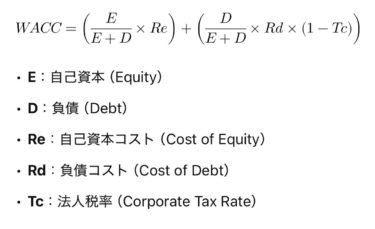
営業利益率20%なら営業利益4億円。税引後利益をざっくり3億円とすると、PER30倍で90億円。PER35倍なら105億円です。
つまり、

売上20億円 × 高利益率 × 高成長性

ぐらいまで持っていけば、100億円が見えてくる。

逆に売上5億円で利益5000万円の会社を100億円と評価してもらうにはPER200倍。これはよほど巨大な将来市場や圧倒的技術がなければ維持できません。

僕なら、上場を本気で狙うベンチャーには、最初からこんな目標を置きます。

「売上20〜30億円、営業利益3〜5億円、前年比成長率20〜30%以上」

ここまで来ると、PER20〜30倍でも企業価値100億円が現実的になります。

もっと重要なのは、単年度で100億円をつけることではありません。

IPOの瞬間だけ100億円を超えても意味がない。

市場が見ているのは、

「この会社は来年30億、再来年40億、その次50億になるのか?」

ということです。

だから、100億円企業になる条件をさらに分解すると、

巨大な市場がある。

その市場の中で明確な競争優位がある。

売上が再現性をもって増える。

売上が増えるほど利益率が上がる。

創業者依存から脱却して組織で成長できる。

資本政策とガバナンスが整っている。

そして投資家に成長物語を説明できる。

この7つでしょう。

特に僕が重要だと思うのは、「売上の再現性」です。

医療ベンチャーでありがちなのは、

「この技術はすごい」
「先生方から評価されている」
「論文があります」
「特許があります」

で終わってしまうこと。

しかし株式市場が評価するのはそこではない。

技術 → 商品 → 顧客 → 売上 → 利益

まで変換できて、初めて企業価値になります。

さらに100億円を超えて、その先300億、500億を目指すなら、
人を増やすと売上が増える会社では弱い。

人員が2倍にならなくても売上を5倍、10倍にできる構造、つまりソフトウェア、プラットフォーム、ライセンス、知財、継続課金、消耗品など、スケーラビリティが必要になります。

なので式にしてしまうと、

企業価値= 現在の利益 × 成長期待 × 持続可能性 × 信用

です。

僕ならさらに乱暴に、
上場する会社を作るなら、「上場できる会社」を作ってはいけない。最初から「100億円を超えて残れる会社」を設計する。
と考えます。

医療系ベンチャーの話につなげるなら、ここがかなり重要です。「良い医療技術を作る話」と「100億円企業を作る話」は、実はまったく別の能力を要求されるのです。

Before the Dream, Do the Math: Medical Startups Need to Think About Scale

Today, I took part in a roundtable discussion with several experts on medical startups.
But after listening to the discussion, I have to be honest: the situation seemed quite difficult.
Before even asking whether the business had genuine medical significance, I found myself wondering about something more fundamental:
How big does this company actually intend to become?
The scale of the business was almost impossible to see.
I often have opportunities to advise people who are thinking about starting a medical startup, as well as those who have already done so. I cannot accept every request because of time constraints, but when the timing works and I feel I can genuinely be of help, I sometimes agree to get involved.
Many of them are young, and occasionally I end up saying some fairly tough things.
But I assume that is also part of the reason they reach out to me.
As we get older, people who are willing to tell us difficult things tend to disappear from our surroundings. It is often easier to tell someone what they want to hear.
But if someone has taken the trouble to ask for my opinion, I would rather be honest—even if it means being disliked.
I have personally been involved in taking a company public, and my name is still listed as a major shareholder in the Shikiho, Japan’s leading company directory.
That is probably why today’s discussion struck me as particularly unsettling.
Going public is not something you accomplish simply by starting a company, increasing sales, and raising capital.
In reality, there are many battles to fight before you ever get there.
You have to deal with certified public accountants.
You have to deal with the auditing firm.
You have to deal with the lead underwriter.
And during the listing examination, there are countless detailed exchanges with the Tokyo Stock Exchange.
Are the accounting treatments appropriate?
Are the internal controls adequate?
Are there any problems with related-party transactions?
Is the board of directors actually functioning?
Is the business plan realistic?
Is revenue being recognized appropriately?
Are the assumptions behind the company’s future projections sufficiently supported?
Every one of these questions has to be answered with numbers and documentation.
An IPO is almost like putting the entire company through a meticulous medical examination that lasts for years.
You cannot reach the finish line without clearing dozens, even hundreds, of small examinations, negotiations, and questions one by one.
That is why whenever I hear someone say, “We’re going to aim for an IPO,” my mind immediately goes to the numbers beyond that statement.
What will this company ultimately be worth?
At least conceptually, enterprise value can be estimated using approaches such as net asset valuation and discounted cash flow based on future cash flows.
Of course, startups face enormous uncertainty, so things rarely unfold exactly according to the calculations.
Even so, you should think from the very beginning about whether the business model has the potential to reach a scale of ¥10 billion, ¥30 billion, or ¥100 billion in enterprise value.
Building a small, highly profitable company and building a publicly traded company with outside capital are two completely different games.
Starting with your own money and building a company that generates several billion yen in annual revenue with solid profits is a perfectly respectable form of entrepreneurship.
In fact, it may be one of the happiest forms of business ownership there is.
But once you start raising hundreds of millions or even billions of yen from angel investors or venture capital firms, the equation changes.
From that moment on, the question is no longer simply:
“How much money can we raise?”
It becomes:
“How much value can we create with that capital, and ultimately how much can we return to our shareholders?”
How much revenue are you targeting?
How many customers will you need to reach that number?
What will the average price be?
Can you achieve it in Japan alone?
Will you need to expand overseas?
What will your gross margin be?
How many years until you become profitable?
These are not dreams.
They are the integral of the business.
And I believe a new business needs one more thing.
That is the kind of “miraculous delight” that customers experience.
Something that makes them think:
“I didn’t know something like this existed.”
“This is completely different from what I’ve used before.”
“Once I’ve used this, I can’t go back.”
A new business rarely takes off simply because it is 10 percent better than an existing product.
People do not easily abandon what they are already accustomed to.
To make people change their behavior, you need a difference that is almost startling.
And you cannot stop there.
You have to turn that moment of delight into a system capable of delivering it to 100,000 people, then one million, then ten million.
Delight creates demand.
The business then has to convert that demand into a large market.
To me, a successful new business requires two things.
First, a business structure capable of reaching an enterprise value of at least ¥10 billion.
Second, an experience so powerful that people instinctively want to tell someone else about it.
Think about when the iPhone first appeared.
Or the first time you used Google Maps.
Or the first time you tried ChatGPT.
I think many people experienced the same kind of reaction.
It wasn’t simply that these products were convenient.
They exceeded expectations.
Numbers alone are not enough.
Delight alone is not enough.
You have to turn extraordinary customer delight into a repeatable business model.
Only when that entire system has been designed does it make sense to bring in outside capital and attempt to scale the company.
At today’s roundtable, there was plenty of discussion about technology and philosophy.
But what I most wanted to hear was the answer to one question:
“How are you going to turn this company into a business worth more than ¥10 billion?”
If you are borrowing money from shareholders and asking them to invest in your vision with the goal of eventually going public, you cannot avoid that question.
Unfortunately, by the end of today’s discussion, I still had very little sense of what the answer was.
The Tokyo Stock Exchange has been tightening the rules surrounding its Growth Market. From March 1, 2030, a new continued-listing requirement will apply: companies will need to maintain a market capitalization of at least ¥10 billion five years after listing.
That represents a significant increase in the hurdle from the current requirement of ¥4 billion ten years after listing.
So what does it take to build a company capable of maintaining a ¥10 billion valuation?
In the end, it comes down to four fairly simple things:
1. Revenue scale
2. Profit margin
3. Growth rate
4. The market’s confidence that the growth will continue
Take a company generating ¥2 billion in annual revenue.
If its operating margin is 20 percent, operating profit is ¥400 million.
If we assume roughly ¥300 million in net income after tax, a P/E ratio of 30 gives you a ¥9 billion valuation.
At a P/E of 35, you reach ¥10.5 billion.
In other words:
¥2 billion in revenue × high profitability × high growth
can bring a ¥10 billion valuation into realistic territory.
Conversely, if a company generates only ¥500 million in revenue and ¥50 million in profit, valuing it at ¥10 billion would imply a P/E of 200.
That kind of valuation is extremely difficult to sustain unless the company has an enormous future market or truly overwhelming technology.
If I were advising a startup that was serious about going public, I would set a target like this from the very beginning:
“Annual revenue of ¥2–3 billion, operating profit of ¥300–500 million, and year-on-year growth of at least 20–30 percent.”
At that level, a ¥10 billion valuation becomes realistic even at a P/E multiple of 20–30.
But there is something even more important.
The goal is not simply to hit ¥10 billion for one year.
It means very little if your market capitalization exceeds ¥10 billion only at the moment of your IPO.
What the market really wants to know is:
“Will this company generate ¥3 billion next year, ¥4 billion the year after, and ¥5 billion the year after that?”
So if we break down what it takes to become a ¥10 billion company, I would say it comes down to seven things:
• There is a large enough market.
• You have a clear competitive advantage within that market.
• Revenue can grow in a repeatable and predictable way.
• Profit margins improve as revenue grows.
• The company can continue to grow as an organization rather than depending on its founder.
• Capital allocation and corporate governance are sound.
• You can clearly communicate the company’s growth story to investors.
Of these, the one I consider particularly important is revenue repeatability.
A common pattern among medical startups is to stop at:
“The technology is amazing.”
“Doctors really like it.”
“We have published papers.”
“We have patents.”
But that is not what the stock market ultimately values.
It is the ability to convert:
technology → product → customers → revenue → profit
That conversion is what creates enterprise value.
And if you want to go beyond ¥10 billion—to ¥30 billion, ¥50 billion, or more—the issue of scalability becomes even more important.
A company where revenue grows only by adding more people has limited potential.
You need a structure that can increase revenue fivefold or tenfold without having to increase your headcount twofold.
That means scalability through software, platforms, licensing, intellectual property, recurring subscriptions, consumables, and other mechanisms that allow revenue to grow disproportionately to the resources required to generate it.
So, if I were to reduce it to a formula:
Enterprise Value = Current Profit × Growth Expectations × Sustainability × Trust
And I would put it even more bluntly:
If you want to build a company that can go public, don’t build a company that can merely qualify for an IPO. Build, from day one, a company designed to grow beyond ¥10 billion in value—and stay there.
And this is where the distinction becomes particularly important for medical startups.
Building a good medical technology and building a ¥10 billion company require two completely different sets of capabilities.


税金

仮に11.7兆円を1ドル160円で介入したなら、売ったドルは約731億ドル。

このドルを平均100円で取得していたと仮定すれば、売却額11.7兆円-取得額約7.3兆円=約4.4兆円の利益。

税金下げて欲しい。

If Japan’s Ministry of Finance spent ¥11.7 trillion on currency intervention at an exchange rate of ¥160 per U.S. dollar, it would have sold approximately US$73.1 billion.

Assuming those dollars had originally been acquired at an average exchange rate of ¥100 per dollar, the government’s cost basis would have been roughly ¥7.3 trillion.

That implies a realized gain of approximately ¥4.4 trillion:

¥11.7 trillion (sale proceeds) − ¥7.3 trillion (acquisition cost) = approximately ¥4.4 trillion in profit.

Maybe it’s time to give taxpayers a tax cut.


経営について思うこと

経営で一番の教材は、成功ではなくトラブル。

順調な時は仕組みの弱点が見えません。

クレーム、離職、資金難、失敗は、会社の病変部が表に出た診断材料。

人を責めず、仕組みを直す。

失敗を知恵に変えた数だけ、経営者も会社も強くなるのだと思います。

In business, success is a poor teacher compared with adversity.

During periods of growth and stability, structural weaknesses often remain invisible. It is only through customer complaints, employee departures, financial strain, and operational failures that an organization’s hidden vulnerabilities are exposed.

These challenges should not be viewed as reasons to blame individuals, but as opportunities to improve the system itself.

Failure, when examined honestly, becomes knowledge. Knowledge, when applied repeatedly, becomes strength. Organizations—and the leaders who guide them—grow stronger in direct proportion to their ability to convert setbacks into wisdom.


戦国史に学ぶ経営の四法則

組織論としての戦国史〜「信長・光秀・秀吉・家康」に学ぶ経営の四法則

歴史とは、勝者の記録であると同時に、組織の失敗事例集でもあります。

織田信長は未来を見た男でした。明智光秀は、その未来の足元から生まれた反作用でした。

豊臣秀吉は、信長の破壊を物語に変換し、徳川家康はそれを制度へと沈殿させました。

ここに、現代の経営者が学ぶべき四つの法則があります。

「信長の原理」

「光秀の定理」

「秀吉の法則」

「家康の構造」

これは単なる戦国武将論ではありません。

イノベーション、組織崩壊、事業拡大、制度設計の四段階を、日本史がすでに見事に示していたというお話です。

戦国史を単なる武将の成功物語として読むと、「信長は天才で、光秀は裏切り者で、秀吉は成り上がりで、家康は忍耐の人」という話で終わってしまいます。

しかし、経営や組織論として読み直すと、ここには現代にもそのまま通じる法則が隠されているのです。

1. 信長の原理:未来を見た者は、現在の秩序を破壊せざるを得ない

信長の本質は、戦が強かったことではありません。

「古い秩序を、機能しないものとして見抜いたこと」です。

安土城下での楽市楽座、城下町整備、兵農分離、寺社勢力との対立、鉄砲の集団運用。

つまり信長は、室町的な「しがらみの秩序」から、近世的な「機能の秩序」へと日本を動かした人物でした。

【信長の原理】

未来を作る人間は、古い共同体の情緒を破壊する。

合理性、速度、機能、成果を優先するため、周囲の感情処理が追いつかなくなる。

これを現代の経営に置き換えると、「イノベーターは市場には勝つが、組織内の感情には負けることがある」という教訓になります。

2. 光秀の定理:能力が高くても、承認されなければ人は裏切る

光秀は無能な人間ではありません。むしろ有能で、教養があり、交渉もでき、軍事もできた人物です。

だからこそ、信長の変化の速さ、処遇の不安定さ、そして自分の将来の不透明さに、最も敏感だったのだと思います。

本能寺の変の要因には諸説(怨恨説や黒幕説など)ありますが、近年では光秀が進めていた長宗我部氏との和平交渉が、信長の四国政策転換によって崩れたことを重視する見方もあります。

【光秀の定理】

人は報酬だけでは動かない。

自分の能力が正しく理解され、尊重され、未来の居場所があると感じた時に忠誠を保つ。

逆に、有能な人間ほど、尊厳を傷つけられた時に危険な変数になる。

経営で言えば、「優秀なナンバー2を、単なる駒として扱ってはいけない」ということです。

3. 秀吉の法則:破壊された秩序は、物語と制度に変換した者が継承する

秀吉のすごさは、信長の革新をそのまま継いだことではありません。

信長が破壊したものを、自分の出世物語と国家制度に変換したことです。

信長が壊した。光秀が止めた。しかし、そこで歴史は終わりませんでした。

秀吉は、信長の遺産を引き継ぎつつ、それを「天下統一」というわかりやすい物語に変えました。

さらに太閤検地や刀狩によって、土地、身分、武器、年貢、支配の単位といった実務的な制度を整えていきます。

【秀吉の法則】

革命は、破壊した者ではなく、物語化した者によって広がる。

そして、物語は制度に落とし込まれた時に、初めて社会を動かす。

経営で言えば

「創業者の直感を、営業資料、組織図、人事制度、評価制度、ブランドストーリーに翻訳できる人間が、事業を拡大させる」

のです。

信長はOSを壊した。秀吉は新しいUIを作った。ここが違うのです。

4. 家康の構造:最終的に残るのは、天才がいなくても回る仕組みである

家康は、信長ほど速くありません。

秀吉ほど華やかでもありません。

しかし、最終的に最も長く残りました。

理由は明快です。

個人の才能ではなく、制度で支配したからです。

江戸幕府は、武家諸法度、幕藩体制、参勤交代などを通じて、大名を統制する仕組みを作りました。

【家康の構造】

一代の天才に依存する組織は脆い。

人が変わっても回る制度、反乱が起きにくい配置、利害が固定される仕組みを作った者が、最後に歴史を支配する。

経営で言えば

「カリスマ経営者の会社は伸びるが、制度化された会社だけが残る」

ということです。

信長は変えた。秀吉は広げた。家康は固めた。この違いです。

まとめ:四つの法則が示す「組織のライフサイクル」

この四つの法則を一行でまとめると、こうなります。

信長の原理:未来を作る者は、古い秩序を壊す。

光秀の定理:壊された秩序の中で、尊厳を失った有能者は内側から未来を刺す。

秀吉の法則:破壊された秩序を、物語と制度に変換した者が拡大する。

家康の構造:最後に残るのは、個人の才能ではなく、才能がなくても回る仕組みである。

天才は時代を動かします。しかし、天才だけでは国(組織)は残りません。

未来を作るには信長が必要であり、内側の反乱を避けるには光秀を理解しなければならず、拡大するには秀吉が必要で、永続させるには家康が必要なのです。

あなたの組織は今、どの段階にあり、誰の役割を必要としているでしょうか?

Sengoku History as Organizational Theory
Four Laws of Management Learned from Nobunaga, Mitsuhide, Hideyoshi, and Ieyasu

History is not only a record of victors.
It is also a vast archive of organizational failures.

Oda Nobunaga was a man who saw the future.
Akechi Mitsuhide was the backlash generated from beneath the feet of that future.
Toyotomi Hideyoshi transformed Nobunaga’s destruction into narrative.
Tokugawa Ieyasu sedimented that narrative into enduring institutions.

Within these figures lie four principles modern leaders should study:

The Principle of Nobunaga
The Theorem of Mitsuhide
The Law of Hideyoshi
The Structure of Ieyasu

This is not merely a discussion of Sengoku warlords.

Rather, it is the realization that Japanese history had already illustrated — with remarkable clarity — the four stages of innovation, organizational collapse, business expansion, and institutional design.

If one reads Sengoku history merely as a collection of heroic biographies, the story becomes simplistic: Nobunaga the genius, Mitsuhide the traitor, Hideyoshi the social climber, and Ieyasu the patient survivor.

But when reread through the lens of management and organizational theory, one discovers principles that remain directly applicable today.

1. The Principle of Nobunaga
Those Who See the Future Must Inevitably Destroy the Present Order

Nobunaga’s true genius was not simply military strength.

It was his ability to recognize that the existing order no longer functioned.

The free-market reforms of Azuchi Castle town, the restructuring of urban systems, the separation of warriors and farmers, his confrontations with religious institutions, and the organized deployment of firearms — all of these represented a transition from the entangled feudal order of the Muromachi era toward a functional early modern state.

The Principle of Nobunaga

Those who create the future inevitably destroy the emotional structures of old communities.

Because they prioritize rationality, speed, functionality, and results, the surrounding emotional ecosystem cannot keep pace.

Translated into modern management, the lesson becomes this:

Innovators may defeat the market, yet still lose to the emotions inside their own organizations.

2. The Theorem of Mitsuhide
Even Highly Capable People Will Betray an Organization If They Are Not Recognized

Mitsuhide was not incompetent.

On the contrary, he was highly capable — educated, diplomatic, and militarily skilled.

Precisely because of that, he may have been the most sensitive to Nobunaga’s accelerating pace of change, unstable treatment of retainers, and the uncertainty surrounding his own future.

There are many theories surrounding the Honnō-ji Incident — resentment theories, conspiracy theories, and others. In recent years, however, some historians have emphasized the collapse of Mitsuhide’s peace negotiations with the Chōsokabe clan after Nobunaga abruptly changed his Shikoku policy.

The Theorem of Mitsuhide

People are not motivated by rewards alone.

Loyalty is maintained only when individuals feel that their abilities are properly understood, respected, and connected to a meaningful future within the organization.

Conversely:

The more capable a person is, the more dangerous they become when their dignity is wounded.

In management terms:

Never treat an exceptional second-in-command merely as a disposable piece on the board.

3. The Law of Hideyoshi
Destroyed Orders Are Inherited by Those Who Transform Them into Narrative and Institutions

Hideyoshi’s greatness did not lie in simply inheriting Nobunaga’s innovations.

His genius was transforming what Nobunaga destroyed into both a national narrative and an administrative system.

Nobunaga shattered the old order.
Mitsuhide interrupted him.
But history did not end there.

Hideyoshi inherited Nobunaga’s legacy and reframed it into the compelling story of “the unification of the realm.”

At the same time, through measures such as the Taikō land survey and the sword hunt, he established practical systems governing land, class, weapons, taxation, and political control.

The Law of Hideyoshi

Revolutions spread not through those who destroy systems, but through those who narrativize them.

And:

Narratives only move society once they are translated into institutions.

In business terms:

The people who scale organizations are those capable of translating a founder’s intuition into sales materials, organizational charts, HR systems, evaluation frameworks, and brand stories.

Nobunaga destroyed the operating system.
Hideyoshi created the new user interface.

That is the difference.

4. The Structure of Ieyasu
In the End, What Survives Is a System That Functions Without Geniuses

Ieyasu was not as fast as Nobunaga.
Nor was he as flamboyant as Hideyoshi.

Yet in the end, he endured the longest.

The reason is simple:

He ruled not through personal genius, but through institutions.

The Tokugawa shogunate established mechanisms such as the Buke Shohatto, the feudal domain system, and the Sankin-kōtai system, creating structural controls over the daimyō.

The Structure of Ieyasu

Organizations dependent on the genius of a single generation are fragile.

The individuals who ultimately dominate history are those who design systems that continue functioning even after people change — systems where rebellion is difficult and incentives are structurally stabilized.

In management terms:

Charismatic companies may grow rapidly, but only institutionalized companies survive.

Nobunaga transformed.
Hideyoshi expanded.
Ieyasu stabilized.

That is the essential distinction.

Conclusion: The Organizational Lifecycle Revealed by Four Laws

The four principles can ultimately be summarized in a single sequence:

The Principle of Nobunaga: Those who create the future destroy the old order.
The Theorem of Mitsuhide: Within destroyed orders, capable individuals who lose their dignity strike the future from within.
The Law of Hideyoshi: Those who convert destruction into narrative and institutions achieve expansion.
The Structure of Ieyasu: In the end, what survives is not individual talent, but systems that function even without exceptional talent.

Geniuses move history.

But genius alone cannot preserve a nation — or an organization.

To create the future, one needs Nobunaga.
To avoid internal revolt, one must understand Mitsuhide.
To expand, one needs Hideyoshi.
And to endure, one ultimately needs Ieyasu.

The question is:

At which stage is your organization now — and whose role does it most urgently require?

当社では cookies を使用しています

Cookie はサイトの機能維持、利用状況の測定、マーケティング支援に役立ちます。Cookie の設定はいつでも管理できます。詳しくは Cookie ポリシーをご覧ください。


医療経営と「営業」という見えにくいリスク

日本の医療機関の経営が極めて困難になりつつあります。診療報酬の抑制、人件費の上昇、物価高、そして患者の行動変容。こうした複合的な圧力の中で、医療の質とは別の次元で「経営判断」が問われる場面が確実に増えてきました。

スポーツの世界におけるプレイングマネージャーのように、医療においても同様の構造が静かに進行しています。医師としてはクオリティを極限まで高めたい。一方で経営者としてはコストを抑制しなければならない。この二律背反を同時に成立させることは、想像以上に消耗の大きい営みです。

大学時代、ある准教授が酒席で語っていた言葉が今でも記憶に残っています。「精神的余裕、時間的余裕、金銭的余裕、この三つがなければ本来医業は成り立たない」。当時は一つの理想論にも聞こえましたが、今振り返ると、それはむしろ医療の本質を突いた言葉だったのだと思います。そして現在、その前提条件そのものが急速に失われつつある。ここに、現代の医療経営の難しさがあります。

努力を重ねて医師となりながら、保険診療の価格構造や過重労働に直面し、キャリアの早い段階で自由診療領域へ移行するケースも少なくありません。しかしどの分野であれ、外から見える“華やかさ”と実態には必ず乖離があります。他人の芝は青く見えるだけであり、どの世界にも固有の困難と構造的制約が存在する。この前提を見誤ると、判断は容易に揺らぎます。

そうした環境の中で、多くの医師が直面するのが“営業”という領域です。医療は本来、需要を恣意的に創出することが許されない分野です。そのため、外部から持ち込まれる提案と、それを評価する側の理解度との間に、構造的な非対称性が生まれやすい。

典型的なものとして、ホームページ制作、出版、YouTube・SNS運用代行、そして集患コンサルティング。いずれも無視できない要素ですが、共通しているのは「成果の評価が曖昧なまま投資が先行しやすい」という点です。そして本質的には、これらが本来医療者自身が理解しておくべき構造であるにもかかわらず、外部に委ねやすい領域であるという点にあります。

では、どう向き合うべきか。

クリニックFでは開業以来、いわゆる集客に対して直接的な費用を投じてきませんでした。代わりに徹底してきたのは、最新機器への先行投資とコンセプトの明確化です。誰に何を提供するのかを定義し、その軸をぶらさない。その結果として、患者側が選び、同時に医療側も患者を選ぶという関係性が成立します。医療には相性がある。この前提に立つことで、無理のない持続性が生まれます。

そして「口コミに優る集客はない」。満足度が高ければ自然と紹介が生まれ、リピート率が安定する。結果として新患に過度に依存することなく、医療のクオリティを高めることに集中できる。この状態こそ、一つの理想形だと考えています。

その上で、外部の提案に対しては明確な原則を持つ必要があります。

目的を定義すること。小さく試すこと。数値で評価すること。そして最終的に内製化すること。さらに言えば、医学に閉じない複数の専門性を持ち、提案を評価できる側に立つこと。そして最後に残るのは、極めてシンプルな一点です。

「その選択は、自分の医療の質を高めるのか、それとも下げるのか。」

この問いに対して明確に答えられない提案であれば、どれほど魅力的に見えても一度立ち止まるべきです。

世界の学会で繰り返し確認されるように、医療は最終的に再現性と客観性に還元されます。経営もまた例外ではありません。

華やかさではなく構造を見る。

短期的な効果ではなく、長期的な持続性で判断する。

医療経営とは、突き詰めればこの繰り返しなのだと思います。

The Invisible Risk of “Sales” in Medical Management

The management of medical institutions in Japan is becoming increasingly difficult. Suppressed reimbursement rates, rising labor costs, inflation, and shifts in patient behavior—amid these compounded pressures, situations are steadily increasing in which management decisions are tested on a dimension separate from the quality of care itself.

Much like the concept of a playing manager in sports, a similar structure is quietly emerging in medicine. As physicians, one seeks to maximize quality to its utmost limits; as managers, one must simultaneously control costs. Sustaining these two opposing demands at once is far more exhausting than it may appear.

I still remember the words of an associate professor who once spoke at a gathering during my university days: “Without mental, temporal, and financial leeway, medical practice cannot truly function.” At the time, it sounded somewhat idealistic. In retrospect, however, it was a remark that captured the very essence of medicine. Today, those very prerequisites are rapidly eroding. This is where the core difficulty of modern medical management lies.

Even after years of effort to become a physician, many encounter the constraints of the insurance-based pricing structure and excessive workloads, prompting some to shift early in their careers toward private practice. Yet in any field, there is always a gap between outward appearance and reality. The grass only seems greener on the other side; every domain has its own inherent difficulties and structural constraints. Misjudging this premise can easily lead to flawed decisions.

Within such an environment, many physicians inevitably confront the domain of “sales.” Medicine, by its nature, does not permit the arbitrary creation of demand. As a result, structural asymmetry tends to arise between externally proposed services and the level of understanding on the evaluating side.

Typical examples include website development, publishing, outsourced management of YouTube and social media, and patient acquisition consulting. None of these can be dismissed outright; however, they share a common feature: investments tend to precede outcomes, while the evaluation of results remains ambiguous. More fundamentally, although these areas involve structures that healthcare professionals themselves should understand, they are often readily outsourced.

So how should one engage with this?

Since its founding, Clinic F has not invested directly in what is typically considered marketing. Instead, we have consistently prioritized early investment in advanced equipment and the clarification of our core concept. We define clearly who we serve and what we provide, and we do not waver from that axis. As a result, a relationship emerges in which patients choose the clinic, and at the same time, the medical provider also chooses the patient. There is such a thing as compatibility in medicine. By acknowledging this premise, a sustainable and balanced model naturally takes shape.

Moreover, there is no form of patient acquisition more powerful than word of mouth. High satisfaction naturally generates referrals, and repeat visit rates stabilize. This allows us to avoid excessive dependence on new patients and instead focus on enhancing the quality of care. This, I believe, represents one form of an ideal state.

At the same time, it is essential to establish clear principles when evaluating external proposals:
Define the objective. Start small. Evaluate quantitatively. And ultimately, internalize the capability.

Beyond that, one should cultivate multiple areas of expertise beyond medicine, positioning oneself as the evaluator of proposals rather than the recipient. And in the end, what remains is a remarkably simple question:

“Does this choice enhance the quality of my medical care, or does it diminish it?”

If a proposal cannot provide a clear answer to this question, no matter how attractive it may seem, it warrants a pause.

As repeatedly confirmed in international academic forums, medicine ultimately reduces to reproducibility and objectivity. Management is no exception.

Focus not on appearances, but on structure.
Judge not by short-term effects, but by long-term sustainability.

In the end, medical management is nothing more—and nothing less—than the continual repetition of these principles.


カテゴリー