












TakahiroFujimoto.com

HOME MAIL
HOME PROFILE BOOKS MUSIC PAPERS CONFERENCES BLOG MAIL CLOSE

BLOG 藤本幸弘オフィシャルブログ

カテゴリー:ゴルフ

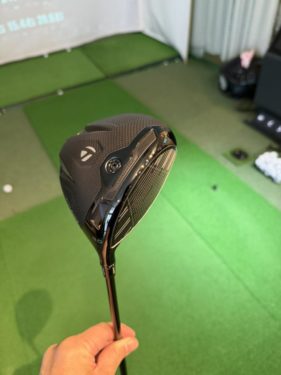
全く大きさが違う

パーシモン、メタル、初期チタン、後期チタン。

全く大きさが違います。

そしてパーシモン難しい〜!

全く真芯にあたりません。

昔のゴルファーすごかったんだなあ。

Persimmon, metal, early titanium, and modern titanium. They’re all totally different in size. And persimmon is incredibly difficult—I can’t find the sweet spot at all. It really makes you appreciate how great golfers used to be.


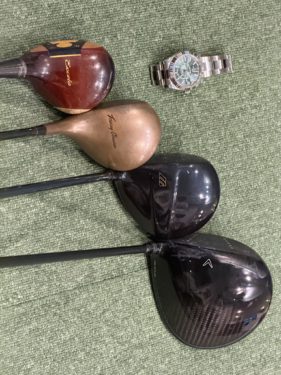
パーシモンのフェアウェイウッドとメタルヘッドドライバー

もう一つ面白いので持ってきたもの。

父親が使っていた40年前のパーシモンのフェアウェイウッドと数年で消えたメタルヘッドドライバー。

当時出たばかりのチタンドライバーのミズノTzoid。

今やお宝の部類ですね。
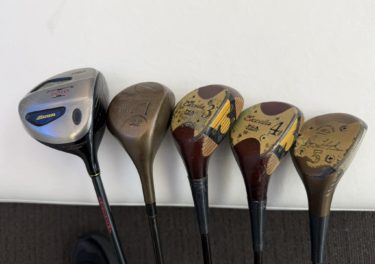
しかし、よくもまあこんなに小さいクラブで打ってたなあ。

Here’s another interesting find I brought back with me. A persimmon fairway wood my father used some forty years ago, alongside a metal-head driver from a brief era that disappeared within just a few years. And there’s also a Mizuno T-Zoid titanium driver—brand new at the time. These are practically collector’s items now. Still, I can’t help but marvel at how people managed to hit the ball with clubs this small.


スライスの正体は方向ではなく

スライスの正体は「方向」ではなく「向き」

ゴルフを始めたばかりの頃、初期に悩むのは、スライスです。

実は、ボールの初期方向と曲がりを決めているのは、スイング軌道そのものではなく、インパクト瞬間のフェース向きです。

スイングの動画を何度撮っても、スライスが治らないのはそのせいです。以前に計算しましたが、物理学的にはスイング軌道自体の原因よりも、フェースの開きの方が4倍の影響があるんです。

フェースの開きを観察するのは、トラックマンのような測定機器を使用するしか無いんですよね。

初期打ち出し方向:インパクト時のフェース向きの影響が約8割

曲がり(スピン量・方向):フェース向きと軌道の“差”(Face to Path)によって起こるボールの擦れ

つまり——

フェースが開いて当たれば、どんな軌道でもスライス回転は入るのです。

よくある誤解として

スイング軌道が「アウトサイドインだからスライスする」

というものがありますが、実際には「アウトサイドインかつフェースが軌道に対して開いているからスライスする」のですよね。

極端な話、

アウトサイドインでもフェースがスクエア〜ややクローズなら

 → プル or プルフック

インサイドアウトでもフェースが開いていれば

 → プッシュスライス

では、なぜ多くの人が「方向のせい」だと思うのか

理由はシンプルで、多くのアマチュアは

① アウトサイドイン
② フェースオープン

を同時に起こしているから。

でも、原因と結果を分けて考えないと修正できない。

修正の優先順位としては

まずフェースを閉じて当てられるか
その上で 軌道を整える

逆はNGです。

軌道だけ直しても、フェースが開いたままなら永遠に右です。逆にフェースを閉じれば綺麗なフェード球に。

スライスは「振り方」ではなく

「当たり方(インパクトの顔)」の問題

ここを理解した瞬間、スイング改造は一気にシンプルになります。

相模カンツリー倶楽部

本日はマイナス気温の中、お誘いを受けて相模カンツリー倶楽部へ。

本年3度目のゴルフでした。

相模大野駅から徒歩圏内の、最も利便性の高い名門クラブではないでしょうか。


Screenshot

まさに名門クラブでコースも運営も素晴らしかったのですが、強風のため凍えてゴルフ。どのホールも砲台で、しかも凍ったグリーンに乗せても弾かれてしまうコンディション。

パー5を2度バーディチャンスがあったもののどちらもカップを外してしまい、不完全燃焼のゴルフでした。

またリベンジにきます!

ほろ酔いで田園都市線に乗ってゴルフ場から帰京する経験は、なかなか貴重でした。

Today, despite subzero temperatures, I was kindly invited to play at Sagami Country Club. It was my third round of golf this year.
Given that it’s within walking distance of Sagami-Ono Station, it may well be one of the most conveniently located prestigious clubs around.
As expected of a classic, well-established club, both the course and its management were excellent—but the strong winds made for a freezing round of golf.
Every hole features elevated greens, and with the greens frozen solid, even well-struck shots would bounce right off.
I had birdie chances twice on a par 5, but missed both putts, leaving me with a somewhat unsatisfying round.
I’ll definitely be back for revenge.
Riding the Tokyu Den-en-toshi Line back into Tokyo slightly tipsy after a round of golf was a rather rare and memorable experience.


ゴルフで「待たされる」こと

ゴルフで「待たされる」と、心と身体に何が起きているのか

ゴルフほど、待ち時間が人の本性をあぶり出すスポーツはないと思う。ショットそのものよりも、むしろ「打てない時間」にこそ、その人の心理と生態が露わになる。

今日はあえて、ゴルフで待たされることだけに話を絞ってみたい。

ゴルフは「時間設計」のスポーツである

ゴルフは止まっているようで、実は常に内部では動いている。

歩くテンポ
呼吸のリズム
次の一打を組み立てる思考速度
自分なりの“間(ま)”

これらが重なり合って、個人固有の時間の流れができている。

ラウンド中、人は無意識に

「このホールはこのくらいの時間で流れる」

という内部スケジュールを持っている。

ところが、前の組が詰まり始めた瞬間、その前提が音もなく崩れる。待たされると、脳は「宙吊り」になる問題は、待つこと自体ではない。待たされることだ。

自分の意思では動けない
しかし完全に休めるわけでもない
集中を切るには惜しい
この状態は、脳にとって最も処理が難しい。

結果として起きるのが、

思考の空回り
注意の行き場喪失
交感神経だけがじわじわ上がる

という、エネルギー過剰なのに放出口がない状態だ。

ゴルフ場での待ち時間の苛立ちは、相手への怒りというより、「自分の時間を勝手に切り取られた」という感覚に近い。

仕事の待ち時間ならまだ納得できる。

交通渋滞も、ある程度は想定内だ。

しかしゴルフは本来、自分のテンポを取り戻すための時間として選ばれている。

その場でテンポを奪われると、脳は軽い裏切りとして受け取る。

待たされている人をよく観察すると、

無意味な素振り
足踏み
貧乏ゆすり
クラブを持ち替える

こうした動きが増える。

これはマナーの悪さではない。

溜まった神経エネルギーを逃がすための生理反応だ。

本来なら、

歩く → 構える → 打つ

という流れで消費されるはずのエネルギーが、行き場を失っているだけ。

さらに

待ち時間が長いと、一打ごとの再現性が落ちる

リズムが断続的に切れる
判断が遅れる or 早まる
結果として、ミスが増える。

これは技術の問題ではなく、時間の断絶による神経の再同期失敗だ。

待たされるほど、

「今この一打」よりも
「いつ打てるのか」が意識を占拠する。

上手いゴルファーほど、待ち時間を嫌う

面白いことに、技術レベルが上がるほど、待ち時間への耐性は下がる傾向がある。理由は単純で、自分のテンポを精密に作っている。

1打ごとの内部準備が速い
無駄な時間を必要としない

からだ。

これは短気ではない。

時間解像度が高いだけだ。

ゴルフで待たされるとき、試されているのは忍耐力ではない。

自分の時間感覚を保てるか

他人のペースに神経を預けすぎないか

「使えない時間」をどう処理するか

その人の成熟度が、静かに問われている。

まとめとして

ゴルフで待たされるときに起きているのは、

波動の問題でも
性格の問題でもなく
時間と神経の設計ミスだ。

待たされて不快になるのは自然。

むしろ、何も感じない方が不自然かもしれない。

大切なのは、「待たされないように怒る」ことではなく、待たされても、自分のテンポを失わない仕組みを持つこと

ゴルフは

スコアカードに残らない部分で

実は一番多くのことを教えてくれるスポーツなのだと思う。

Screenshot

What Happens to the Mind and Body When You’re “Made to Wait” in Golf

I can’t think of many sports that reveal a person’s true nature as clearly as golf does when you’re forced to wait.
More than the shot itself, it is the time when you cannot hit that lays bare a player’s psychology and behavioral patterns.

Today, I’d like to focus deliberately on just one aspect: being made to wait on the golf course.

Golf Is a Sport of “Time Design”

Golf may appear static, but internally, it is always in motion.

Walking tempo

Breathing rhythm

The speed of thinking through the next shot

One’s personal sense of ma—the pause or interval

All of these overlap to create an individual, highly personal flow of time.

During a round, players unconsciously carry an internal schedule:
“This hole should take about this long.”

The moment the group ahead begins to stall, that assumption collapses—silently, but completely.

When You’re Made to Wait, the Brain Is Left Hanging

The problem isn’t waiting itself.
It’s being made to wait.

You can’t move by your own will

Yet you can’t fully rest

You don’t want to lose focus, but there’s nothing to focus on

This state is one of the most difficult for the brain to process.

What follows is:

Thoughts spinning in place

Attention with nowhere to land

A gradual rise in sympathetic nervous system activity

In other words, excess energy with no outlet.

The irritation people feel during delays on the golf course is less about anger toward others and more about the sensation that their time has been taken without consent.

Waiting at work is easier to accept.
Traffic jams are, to some extent, expected.

But golf is chosen precisely as a time to regain one’s own rhythm.
When that rhythm is taken away on the spot, the brain registers it as a mild form of betrayal.

The Body Reveals the State of the Nervous System

If you watch people who are being made to wait, you’ll notice:

Meaningless practice swings

Shifting weight from foot to foot

Restless leg movements

Repeatedly changing clubs

This isn’t poor etiquette.
It’s a physiological response—an attempt to release accumulated neural energy.

Energy that should normally be spent in the sequence
walk → address → swing
has simply lost its destination.

The Longer the Wait, the More Performance Suffers

Extended waiting leads to:

Reduced shot-to-shot consistency

Fragmented rhythm

Decisions that become either delayed or rushed

The result is more mistakes.

This isn’t a technical issue.
It’s a failure of neural resynchronization caused by temporal discontinuity.

The longer you’re made to wait, the more your awareness shifts from
“this shot, right now”
to
“when will I finally be able to hit?”

Better Golfers Tend to Hate Waiting

Interestingly, the higher a player’s skill level, the lower their tolerance for waiting tends to be.

The reason is simple:

Their personal tempo is finely calibrated

Internal preparation for each shot is fast

They don’t require unnecessary time

This isn’t impatience.
It’s high time resolution.

What’s Really Being Tested

When you’re made to wait in golf, what’s being tested isn’t patience.

It’s:

Whether you can maintain your own sense of time

Whether you hand your nervous system over too easily to someone else’s pace

How you process “unusable time”

Quietly, your level of maturity is being examined.

In Summary

What happens when you’re made to wait in golf is:

Not a matter of vibes

Not a personality flaw

But a design mismatch between time and the nervous system

Feeling uncomfortable when forced to wait is natural.
In fact, feeling nothing might be more unnatural.

What matters isn’t getting angry to avoid being made to wait,
but having a system that allows you to keep your own tempo even when you are.

Golf, perhaps more than any other sport, teaches us the most
in the parts that never appear on the scorecard.


カテゴリー