














――マディーナ最終日:学びと家族の国で――
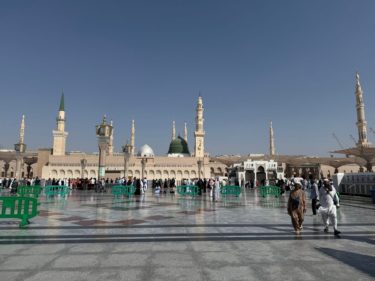
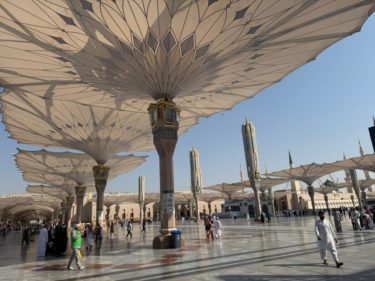
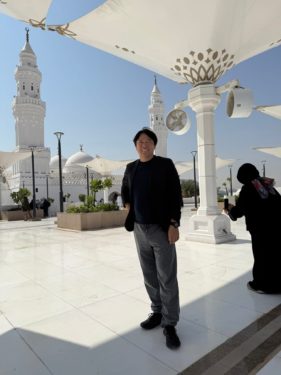
サウジアラビア最終日。
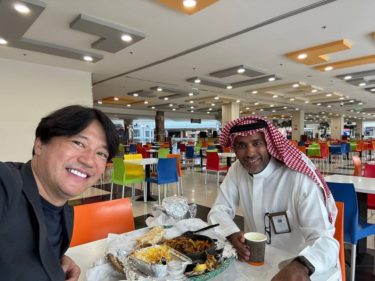
聖地マディーナでの案内をお願いしたガイドさんと、見学が終わったあと昼食をご一緒することになった。
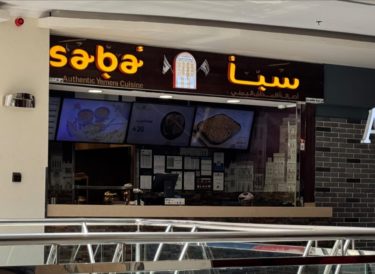
せっかくだからと「現地のものが食べたい」とお願いすると、彼は迷うことなく地元の食堂へ連れていってくれた。
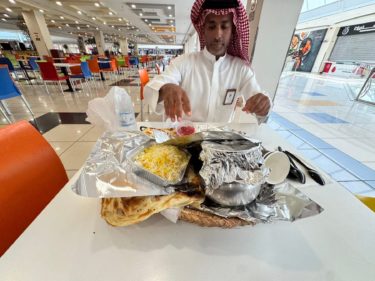
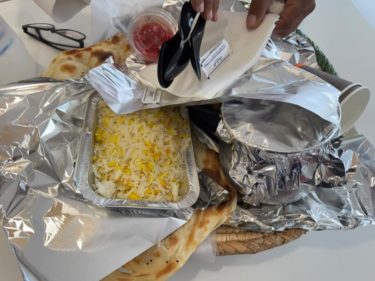
メニューは羊肉の煮込みと、サフランの香りが漂う長粒米。味付けはシンプルだが、食材の力がそのまま舌に届く。
食後はそのままプライベートカーで空港まで送ってもらった。ありがたや。
教育は「国の贈り物」
昼食での話題は、自然と家族と教育のことになった。
お互い、大学を卒業する年頃の子どもがいるという共通点もあり、会話は途切れなかった。
「サウジでは、大学を卒業するまでの学費はすべて無料なんです」と彼は言った。
思わず聞き返した。
「高校までではなく、大学まで?」
「ええ。12年間の教育すべてが国費です。」
教育の無償化――それはイスラムの理念の一つ、「知への道はすべての信徒に開かれるべき」という考え方の延長なのだろう。
日本では、子どもの教育費を捻出することが家庭の最大の課題のひとつになっている。
それに比べ、サウジアラビアでは学ぶことそのものが「国からの贈り物」になっているのだ。
世界が学びに来る国
さらに驚いたのは、世界中からアラビア語を学びに来る留学生たちの学費まで、国の奨学金で賄われているということだった。
宗教の言葉を通して文化を理解してもらうこと――。
それは単なる語学支援ではなく、「イスラムを正しく知ることが、誤解を減らす外交になる」という戦略でもある。
“Education is diplomacy.”
教育とは、最も静かな形の外交なのだ。
家族という社会の最小単位
食事の席で彼は笑いながら言った。
「私は二人の妻と、六人の子どもがいます。」
イスラム社会では特別なことではないが、実際に本人の口から聞くと、なかなかの迫力だ。
少子化に悩む日本とは対照的に、人口の伸びはここにある生活様式にも理由がある。
ただ一方で、サウジアラビアでも女性の社会進出は確実に進んでいる。
教師、医師、研究者――
かつて家の中に留まっていた女性たちは、今や社会のあらゆる場所で活躍しているという。
彼は笑いながら続けた。
「男性はお金を稼ぐと家族を作りたがる。でも女性はお金を稼げるようになると、“夫はいらない”と言い出すんです。なぜなら女性のほうが仕事ができるから。日本はどうですか?」
耳が少し痛い。
だが、世界の構造変化はここにも見える。
イスラムの国でも、時代の波は確実に届いているのだ。
旅の終わりに思うこと
教育が国家の柱であり、家族が社会の単位であり、
信仰が日常のリズムを刻む国――サウジアラビア。
この国の未来は、石油ではなく「人」そのものに宿っている。
子どもを育て、学びを与える。
それがこの国の最も強い資源なのだと、ガイドとの短い対話の中で深く感じた。
飛行機の窓から見えたマディーナの街が遠ざかる。
静かな感謝の気持ちと多くの学びともに、僕のサウジの旅は終わりを迎えた。

Final Day in Medina: In the Land of Learning and Family—
My last day in Saudi Arabia.
After finishing my tour of the holy city of Medina, my local guide kindly invited me to join him for lunch.
When I said I wanted to try something “truly local,” he didn’t hesitate—he drove straight to a small neighborhood eatery.
The meal was a stew of tender lamb served with long-grain rice fragrant with saffron.
The seasoning was simple, yet the flavor of the ingredients spoke directly to the tongue.
After lunch, he offered to drive me to the airport in his private car. I was deeply grateful.
Education as “A Gift from the Nation”
Our lunchtime conversation naturally turned to family and education.
It turned out we both had children around university age, and the talk never stopped flowing.
“In Saudi Arabia, all education up to university is free,” he said.
I blinked in surprise.
“Not just high school—but university too?”
“Yes,” he smiled. “All twelve years of schooling are fully funded by the government.”
Free education—perhaps this stems from one of Islam’s core principles:
“The path to knowledge should be open to all believers.”
In Japan, the cost of education is one of the heaviest burdens on families.
In contrast, in Saudi Arabia, learning itself is seen as a gift from the state.
A Country the World Comes to Learn From
What surprised me even more was that Saudi scholarships also cover the tuition of international students who come from around the world to study Arabic.
Through the language of religion, the kingdom seeks to share its culture and values.
It’s not just about teaching a language—it’s a form of diplomacy:
helping others understand Islam correctly, to reduce misunderstanding.
“Education is diplomacy,” I thought.
Indeed, education is the quietest—and perhaps most profound—form of diplomacy.
Family: The Smallest Unit of Society
At one point, my guide chuckled and said,
“I have two wives and six children.”
In Islamic society, that’s not unusual—but hearing it firsthand carried a certain weight.
Unlike Japan, which struggles with a declining birthrate, here population growth seems woven into the very fabric of daily life.
At the same time, women’s participation in society is clearly increasing in Saudi Arabia.
Teachers, doctors, researchers—
Women who once stayed within the home are now active in every field.
He laughed again.
“When men start earning money, they want to build a family.
But when women start earning, they say, ‘I don’t need a husband.’
Because, honestly, women are better workers!
How is it in Japan?”
I had to laugh, though the question stung a little.
But it was a glimpse of a global shift—
proof that even in Islamic countries, the waves of change have arrived.
Reflections at Journey’s End
A nation where education is the foundation,
family is the unit of society,
and faith sets the rhythm of everyday life—
That is Saudi Arabia.
Its future does not lie in oil, but in its people.
To raise children and nurture learning—
that, I realized in my brief talk with my guide, is the country’s greatest resource.
From the airplane window, I watched Medina slowly fade into the desert horizon.
With quiet gratitude and many lessons in my heart,
my journey through Saudi Arabia came to an end.