














ジェッダで“場所”を失う。紅海に揺れるGPSと旅人の身体感覚 ―
ジェッダに到着してすぐのこと。
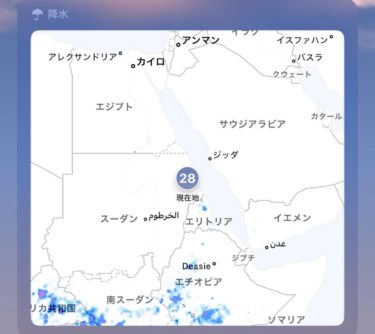
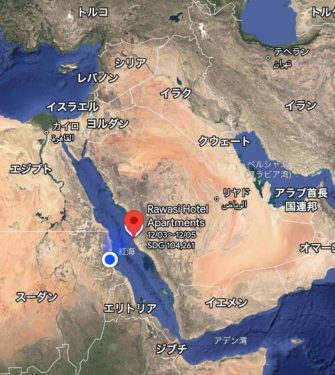
スマートフォンを開いた瞬間、目に飛び込んできたのはスーダンの海岸線だった。
思わず画面を二度見する。
ピンは完全に紅海の対岸を指しており、
地図の上では僕はすでに別の国に“到着”していた。
こちらの抗議を無視するかのように、スマホは自信満々の姿勢である。
そしてその影響はすぐ日常に現れる。
まずUberが呼べない。
位置情報がズレると、配車アプリは旅人に冷たい。
さらに、iPhoneの時刻が1時間遅く、スーダン時間に勝手に修正される。機械式時計を持っていたので、すぐ間違いに気づいた。
旅先で「時間」と「場所」が同時に揺らぐというのはなかなか独特の感覚だ。
思考と身体が、少しだけ解けてしまうような、あの不思議な浮遊感。
■「ああ、それ普通ですよ」という返事の重み
現地の人に話すと、返ってきた言葉は意外なほど淡々としていた。
「ジェッダなら、それはよくあることです。」
どうやらこの地域では、
船舶や航空機の動きが錯綜する海域特有の事情で、
GPSが不安定になったり、多少“引っ張られたり”することがあるらしい。
大きな船舶の座礁事故もあるとか。
つまり、
ここではGPS情報が常に揺らぎうるものなのだ。
■ それでも旅は続く
ではどうするか。
まず、地図に頼りきらないことだ。
待ち合わせをするときには、
建物の名前や入口の向き、目の前に見える看板など、
自分の言葉で場所を説明する。
Uber が迷うときは、
「ホテルの正面、ガラス張りの入口前にいます」
と短い一文を送るだけで、状況はすっと整う。
時計が狂っても慌てる必要はない。
自分で時刻を合わせれば、それでいい。
便利さの中にいると忘れがちだが、
本来、旅は「自分で確かめながら進むもの」だったはずだ。
■ 身体で「ここにいる」を取り戻す
私が本当に“ジェッダにいる”ことを教えてくれたのは、
地図ではなく、身体だった。
床に触れる足の裏。
海の方から吹いてくる乾いた風。
コーヒーカップから立つわずかな熱。
遠くで聞こえる夕方の礼拝の声。
そのすべてが、
「あなたはここにいる」と確かに伝えていた。
スマホがどこを指していようと、
世界はちゃんとそこにあった。
僕は、地図上ではスーダンにいた。
面白いことにスーダンにいたのポケモンも捕まえる事ができた。笑。
「場所は外部の指標ではなく、感覚がつくる」という
旅の原点を静かに思い出させてくれた。

Losing My “Place” in Jeddah
— GPS Drifting on the Red Sea and the Traveler’s Sense of Body —
It happened right after I arrived in Jeddah.
The moment I unlocked my smartphone, what appeared before my eyes was the coastline of Sudan.
I blinked and looked again.
The pin was pointing squarely to the opposite shore of the Red Sea—
on the map, I had already “arrived” in another country.
Ignoring my silent protest, the phone displayed this false confidence,
as if to insist, “Yes, you’re in Sudan.”
And soon enough, the effects began to show in daily life.
First, I couldn’t call an Uber.
When your location drifts, ride-hailing apps become strangely unforgiving.
Then my iPhone automatically adjusted its clock—one hour behind—
switching itself to Sudan time.
Fortunately, I was carrying a mechanical watch and noticed the error right away.
To have both time and place flicker at once while traveling
creates an oddly unique sensation.
It feels as though your thoughts and body come slightly undone—
that strange, floating feeling.
■ The Weight of “Oh, That Happens All the Time”
When I told a local about it, the response came back surprisingly calm:
“In Jeddah? Yeah, that’s normal.”
Apparently, in this region—where the movements of ships and aircraft overlap in complex ways—
GPS signals often become unstable, sometimes even dragged off course.
There have even been reports of large vessels running aground because of it.
In other words,
here, GPS data is something that can always waver.
■ And Yet, the Journey Goes On
So what can one do?
First, stop relying entirely on the map.
When arranging to meet someone,
describe the location in your own words—
the building’s name, the direction of the entrance, the sign you see in front of you.
If Uber gets confused,
just send a simple line like,
“I’m in front of the hotel, by the glass entrance.”
That’s often enough to set things right.
And when your clock goes wrong, there’s no need to panic.
Just set it yourself—that’s all.
It’s easy to forget in our age of convenience,
but once upon a time, travel was something we navigated by verifying the world ourselves.
■ Reclaiming “I Am Here” Through the Body
What truly told me that I was in Jeddah
was not the map, but my own body.
The soles of my feet touching the floor.
The dry wind blowing in from the sea.
The faint warmth rising from a coffee cup.
The distant sound of the evening call to prayer.
All of these whispered to me,
“You are here.”
No matter where my phone claimed I was,
the world was right there, steady and real.
On the map, I was in Sudan.
Amusingly, I could even catch Pokémon “in Sudan.” Ha.
It quietly reminded me of something essential:
that place is not defined by external markers,
but created by our own senses.