














表参道、ポップアートと物語のあいだ——アンディ・ウォーホル展と、原田マハさんの対談会
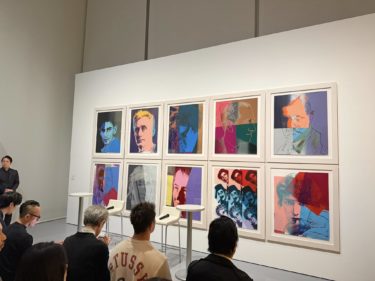
表参道のルイ・ヴィトン 表参道店で開催されているアンディ・ウォーホル展と、原田マハさんの対談に足を運びました。
Screenshot
現代美術の価値観そのものを変えたと言っても過言ではないのが、アンディ・ウォーホルの仕事です。
ウォーホル以前、芸術とは「天才が一回きりで生み出す、唯一無二のもの」でした。
ウォーホルはそれを、反復でき、量産でき、流通できるものへと変えました。
シルクスクリーン、ファクトリー、アシスタント。
制作工程そのものが、ひとつのシステムとして成立していました。
だから彼の凄さは、マリリンを描いたことでも、スープ缶を描いたことでもありません。
「何が芸術か」を決めるルールそのものを書き換えた点にあります。
それ以降、現代美術は
「何を描いたか」ではなく、「どう成立させたか」を問われる世界になりました。
大量生産、反復、消費社会。
それらの価値観は、ルイ・ヴィトンのようなアパレルやラグジュアリーブランドにも、大きな影響を与えたと言えるでしょう。
アンディ・ウォーホルは、つくづく「未来の同時代人」だと思います。
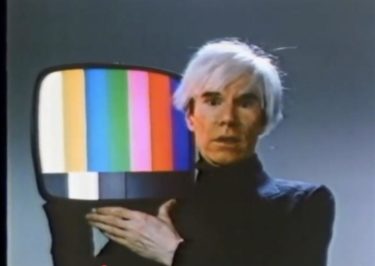
そういえば、アンディ・ウォーホルが生前、日本のCMに出演していたのを覚えている方もいらっしゃるかもしれません。
TDKのビデオテープのCMで、「赤、緑、群青色、綺麗」と呟く、あの映像です。
現在もYouTubeにコピーが残っていますので、興味のある方は検索してみてください。
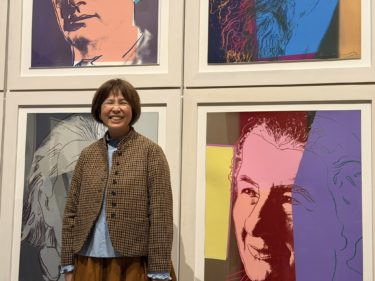
原田マハさんの講演
美術画キュレーターとして第一線で仕事をしながら、稀代のストーリーテラーとして小説を書く。原田マハさんの言葉には、作品を「解説」するのではなく、「物語の入口」へと連れていく力があります。
トークも非常に巧みで、60分があっという間に感じられました。
彼女の小説で、僕自身が購入して読んだのは
『楽園のカンヴァス』と『暗幕のゲルニカ』です。
前者は、アンリ・ルソーの絵画をめぐる知的な追走劇であり、後者は、ピカソの《ゲルニカ》という「20世紀の傷口」を、静かに、しかし容赦なく抉り出す作品でした。
ウォーホルの展示と、原田マハさんの言葉。
ポップアートと物語が交差する、表参道らしい夜でした。
Omotesando: Between Pop Art and Storytelling
— The Andy Warhol Exhibition and a Talk with Maha Harada
I attended the Andy Warhol exhibition currently being held at the Louis Vuitton Omotesando store, along with a talk by Maha Harada.
It would not be an exaggeration to say that Andy Warhol fundamentally changed the very values of contemporary art.
Before Warhol, art was understood as something singular and irreplaceable—created once by a genius.
Warhol transformed that idea into something repeatable, mass-producible, and distributable.
Silkscreen printing, the Factory, assistants—
the production process itself functioned as a complete system.
That is why Warhol’s true greatness lies not in painting Marilyn Monroe or soup cans.
It lies in rewriting the very rules that define what art is.
From that point on, contemporary art became less about what was depicted,
and more about how the work came into being.
Mass production, repetition, consumer society—
these values can be said to have had a profound influence on fashion and luxury brands such as Louis Vuitton.
Andy Warhol truly feels like a “contemporary of the future.”
Some of you may remember that Warhol even appeared in Japanese television commercials during his lifetime.
In a TDK videotape commercial, he softly murmurs, “Red, green, ultramarine—beautiful.”
Copies of the commercial can still be found on YouTube, so those interested may want to look it up.
Maha Harada’s Talk
While working at the forefront of the art world as a curator, Maha Harada also writes novels as a rare and gifted storyteller.
Her words do not merely explain artworks; they guide the audience to the entrance of a story.
Her talk was so engaging that the 60 minutes passed in what felt like an instant.
The novels of hers that I personally purchased and read are
The Canvas of Paradise and
Guernica Behind the Curtain.
The former is an intellectual pursuit centered on the paintings of Henri Rousseau,
while the latter quietly yet relentlessly excavates Guernica—the “wound of the 20th century.”
Warhol’s exhibition and Harada’s words.
It was a night very much in the spirit of Omotesando, where pop art and storytelling intersect.