














ワーグナー《ニーベルングの指環》について――そして、この作品が本当に示しているもの
リヒャルト・ワーグナーの《ニーベルングの指環》は、《ラインの黄金》《ワルキューレ》《ジークフリート》《神々の黄昏》の4作から成る巨大な楽劇で、僕も何度もこのブログに取り上げてきました。
北欧神話とゲルマン伝承を素材に、神々の興亡、英雄の死、世界の終焉が描かれます。聴くごとに理解が深まり、ワーグナーが込めた謎を解くような気になります。
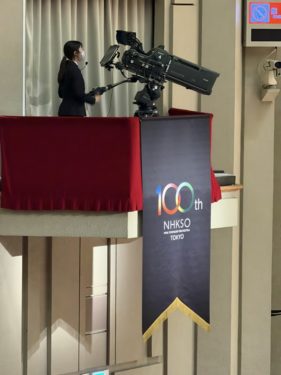
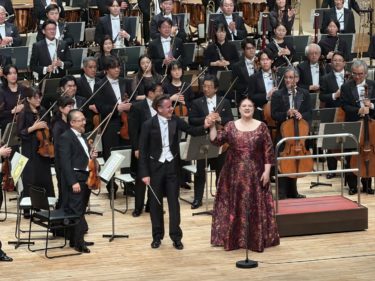
先日、16時間に及ぶ、この大曲の締めくくりである、「ブリュンヒルデの自己犠牲」をN響で聴く機会がありました。
今年はN響100周年の年。ちょうどシーズンチケットを買っている方からこの日のチケットをいただいたのです。
素晴らしいソプラノと、巨大なオーケストラ、半音を多用したワーグナー音階を聴いていると、デフォルトモードネットワークが働くのでしょうか。様々な発想がわいてきますね。
《指輪》は一般には、権力批判や資本主義批判、あるいは神話的終末論として語られることが多い作品ですが、それだけではどうしても説明しきれない「妙な後味」が残ります。
なぜワーグナーは、ここまで徹底して描きながら、正しい世界像を一切示さなかったのか。なぜ英雄も、神も、制度も、すべてが失敗する必要があったのか。そこに、少し別の読み口があるように思えます。
《指環》を丁寧に追っていくと、この世界を壊した明確な悪役は存在しません。アルベリヒは合理的でしたし、ヴォータンは責任感のある支配者でした。ジークフリートは疑いようのない善良さを持ち、ブリュンヒルデは倫理的な判断を下します。
つまり彼らは皆、その時点では「正しい選択」をしています。
それでも世界は終わる。
ここが《リング》の一番不気味なところです。
僕はこの作品を、四つの選択の連続として読んでいます。
《ラインの黄金》では力を選び、《ワルキューレ》では愛を試し、《ジークフリート》では無垢を信じ、それでも《神々の黄昏》で世界は終わる。
力も愛も無垢も、人間が信じうる最善の価値です。
それらをすべて試したうえで、なお世界が維持できなかった。
これは失敗談ではなく、人類が取りうる最善手をすべて使い切った記録だと思います。
あまり語られませんが、《指環》は「知ってしまう物語」でもあります。
物語が進むにつれて、登場人物たちは次々に分かってしまう。
契約が矛盾していること、制度が愛を殺すこと、英雄が構造を理解できないこと、延命はできても解決にはならないこと。
そして最後に、ブリュンヒルデがすべてを理解してしまう。
彼女は世界を救う方法も、続ける方法も、壊さずに済ませる方法も分かったうえで、それでも「続けられない」という結論に至る。
死に至るブリュンヒルデの行為は、しばしば自己犠牲や愛による救済として語られます。しかし僕には、かなり冷静な決断に見えます。
彼女が引き受けたのは世界を良くする役割ではなく、終わらせる責任でした。
誰かを救うためでも、未来を保証するためでもなく、これ以上誤魔化して続けないために、すべてを炎に返す。感情ではなく、知性による選択です。
《リング》が示しているのは、文明が未熟だから壊れるという話ではありません。
むしろ逆で、世界は悪によって壊れるのではなく、理解されすぎたときに維持できなくなる。
《指環》は、人類が賢くなりすぎた瞬間の記録です。だからこの物語は神話でありながら、極めて現代的に響く。
その先にワーグナーは《パルジファル》を書きますが、そこではもはや世界を救う話は語られません。
壊れたあとの世界で、どう振る舞うか。同じ過ちを繰り返さないとは、どういう態度か。《指環》が「終わらせる知性」だとすれば、《パルジファル》は「繰り返さないための姿勢」です。
ワーグナーは最後まで幸福な未来像を描かなかった。
ただ、分かってしまった人間が、それでもどう生きるかを静かに置いていった。
その冷たさと誠実さこそが、《リング》の核心なのだと思いました。
On Wagner’s Der Ring des Nibelungen—and What This Work Truly Reveals
Richard Wagner’s Der Ring des Nibelungen is a monumental music drama consisting of four works—Das Rheingold, Die Walküre, Siegfried, and Götterdämmerung. I have written about it many times on this blog.
Drawing on Norse mythology and Germanic legends, it depicts the rise and fall of the gods, the death of heroes, and ultimately the end of the world. Each time I listen, my understanding deepens, and I feel as though I am gradually unraveling the riddles Wagner embedded in the work.
Recently, I had the opportunity to hear “Brünnhilde’s Immolation Scene,” the culmination of this sixteen-hour epic, performed by the NHK Symphony Orchestra. This year marks the N響’s 100th anniversary, and I happened to receive a ticket for that evening from someone who holds a season subscription.
Listening to a magnificent soprano, a massive orchestra, and Wagner’s chromatic language with its frequent use of semitones, I wondered if my default mode network had kicked in—ideas and associations kept bubbling up one after another.
The Ring is often discussed as a critique of power, of capitalism, or as a mythological vision of apocalypse. Yet those readings alone leave behind a peculiar, unresolved aftertaste.
Why did Wagner depict everything so thoroughly, and yet never present a single image of a “correct” or ideal world? Why did heroes, gods, and institutions alike all have to fail? I feel there may be another way of reading this work.
If one follows The Ring carefully, there is no clear villain who destroys the world. Alberich is rational. Wotan is a ruler with a strong sense of responsibility. Siegfried possesses unquestionable innocence and goodness. Brünnhilde makes ethical judgments.
In other words, each of them makes what seems, at the time, to be the “right choice.” And yet the world still comes to an end. This is the most unsettling aspect of The Ring.
I read this work as a succession of four choices. In Das Rheingold, power is chosen. In Die Walküre, love is tested. In Siegfried, innocence is trusted. And despite all this, in Götterdämmerung, the world ends.
Power, love, and innocence are among the finest values humanity can believe in. And yet, even after exhausting all of them, the world could not be sustained. This is not a story of failure; rather, I think it is a record of humanity having played every best possible hand it had.
Less often noted is that The Ring is also a story about “coming to know.” As the drama unfolds, the characters come to understand one thing after another: that contracts are internally contradictory, that institutions kill love, that heroes cannot grasp the structures they inhabit, that prolonging life is not the same as solving a problem.
Finally, Brünnhilde understands everything. She knows how the world could be saved, how it could be continued, how it might avoid destruction—and yet she arrives at the conclusion that it cannot be continued.
Brünnhilde’s final act, leading to her death, is often described as self-sacrifice or redemption through love. To me, however, it appears to be an extraordinarily calm and lucid decision. What she accepts is not the role of improving the world, but the responsibility of ending it.
Not to save someone, nor to guarantee a future, but to refuse to carry on through further deception—she returns everything to the flames. It is a choice made not from emotion, but from intellect.
What The Ring shows is not that civilizations collapse because they are immature. Quite the opposite: the world is not destroyed by evil, but becomes impossible to sustain once it is understood too well.
The Ring is a record of the moment humanity becomes too intelligent. That is why, despite being a myth, it resonates so powerfully with the modern world.
After this, Wagner goes on to write Parsifal, but there he no longer tells a story about saving the world. Instead, he asks how one should behave in a world after it has broken, and what it means not to repeat the same mistakes.
If The Ring represents an “intellect that knows how to end,” then Parsifal represents an “attitude that refuses repetition.”
Wagner never depicted a happy vision of the future. He simply, quietly, left us with the question of how human beings—once they have understood too much—might still live. I came to feel that this coldness, and this honesty, form the true core of The Ring.