














〜サン=サーンス《白鳥》と“痛みの神経学”〜
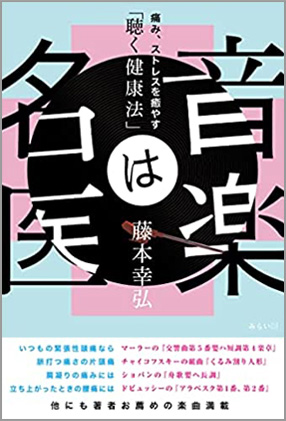
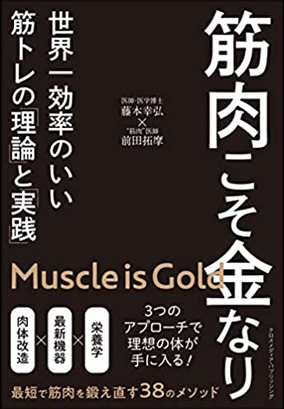
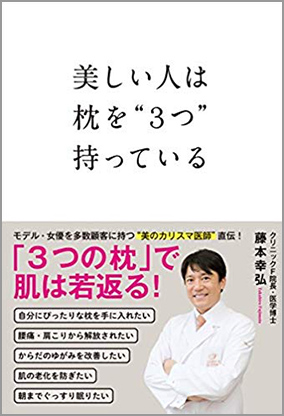
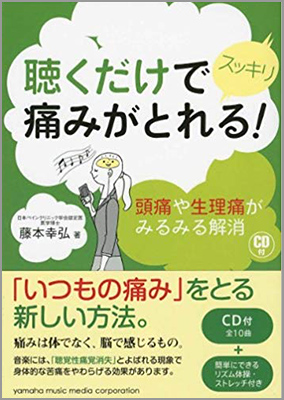
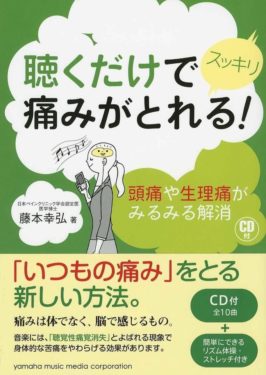
2010年。YAMAHA出版から刊行された拙著『聴くだけで痛みが取れる』。CD付きという、今となっては少し懐かしい形態でした。
発売後しばらくしてから「ほんまでっか!?TV」で取り上げていただき、さらにユニバーサルミュージックから“スッキリ・クラシック”が6作連続で世に出ることになった——あれは、医学と音楽が初めて大きく交差した瞬間を、自分自身が目撃した時代でもありました。
しかし、ページを開き直してみると、15年という時間が静かに問いかけてきます。
「医学は進歩している。お前もアップデートできているか。」
そう痛感させたのは、科学そのものの変化でした。
21世紀に入り、ファンクショナルMRI(fMRI)が登場し、脳の領域ごとの血流変化をリアルタイムで“見える化”できるようになった。この技術革新によって、それまで主観的な言葉でしか捉えられなかった“痛みの軽減”が、客観的・定量的に評価できるようになったのです。
実際、疼痛関連領域(insula, ACC, thalamus)の活動が音楽聴取で低下することが報告され(Roy et al., Journal of Pain, 2008, 9:405–413)、さらに情動系が痛み知覚を制御する神経ネットワークが存在することも明らかになりました(Apkarian et al., Pain, 2005, 114:1–16)。
言い換えれば——
音楽は気休めではなく、脳科学の俎上に載った“生理的介入”となった。
2010年当時、私たちはその入り口に立っていたにすぎません。
そして今、再び振り返ると、あの本は“始まりの記録”だったのだと気づかされるのです。
新しい測定技術が現れた瞬間、医学は一段飛ばしで進化する。
その象徴がfMRIであり、痛みと音楽研究の夜明けでした。
さて——ここから先は、15年目の“続編”ともいえる物語です。
「痛みには、音楽が効く。そして《白鳥》は、その条件を満たしている。」
《白鳥》が“特定の痛み治療曲”として医学的に証明されているわけではない。しかし“痛みを軽減しやすい音響条件”を持つことは、科学的に説明できる。
では、証拠を旅のように辿っていきましょう。
1. 痛みを和らげるメカニズムは「自律神経」
痛みの強さは、
交感神経(緊張) ↑ で痛みが増し、
副交感神経(リラックス) ↑ で痛みが減る。
Villemure C, Bushnell MC.
Pain. 2009;141:221–224.
→情動的リラックスが痛み知覚を有意に低下。
《白鳥》は
ゆっくりしたテンポ(約66–72 bpm)
柔らかなチェロ音色
単旋律の滑らかなレガート
これらが副交感神経を優位にしやすい。
つまり痛みが「少なく感じられる」方向に働く設計です。
2. “遅いクラシック”は痛みを下げる
Cepeda MS et al.
Cochrane Database Syst Rev. 2017;CD004843:1–63.
→音楽は平均疼痛スコアを減少させ、鎮痛薬使用量も減らす傾向。
Garza-Villarreal EA et al.Front Neurol. 2014;5:304–312.
→テンポの遅いクラシック音楽は痛みと不安を有意に軽減。
《白鳥》はまさにこの条件そのもの。
3. チェロの低周波は「筋緊張」をゆるめる
チェロは100〜300Hzを中心とする低音楽器。
Koelsch S.Brain. 2014;137:2063–2074.
→低周波の穏やかな音響は筋緊張を低下させ、痛み知覚にも影響。
痛みの悪循環は
痛み → 筋緊張 → 血流低下 → さらに痛み
このループ。《白鳥》はその入口を緩める。
4. “映像性”が痛み回路を迂回させる
《白鳥》には、まるで湖上を滑る白鳥を思わせる情景性がある。
Mitchell LA et al.J Pain. 2006;7:819–826.
→心地よい音楽は痛み注意回路を迂回させ、痛みの主観を低下。
つまり脳が痛みに集中できなくなる=痛みが弱く感じる。
《白鳥》は痛み治療曲として公的に認定されているわけではない。
しかし、その音響特性は
副交感神経を優位にする
筋緊張を緩める
痛み注意をそらす
情動的安心感をつくる
という“痛み軽減の条件”をすべて満たしている。
医学的には、
「痛みを和らげやすい曲」
と言うのが最も正確。
痛みというのは、
「神経の興奮」「筋肉のこわばり」「心の緊張」
この3つが絡む“立体構造”。
クラシック音楽の中には、
その3つを同時にほどく“特別な設計”を持つ曲がある。
では1曲ずつ、医学的・感覚的にわかりやすく解説しましょう。
① サン=サーンス《白鳥》
① チェロの低い音が筋肉をゆるめる
身体は低音を「安心」として感じやすく、肩や首の緊張がほどけやすい。
② 滑らかな旋律が呼吸を深くする
レガート(途切れない流れ)は自然と息がゆっくりになる。
③ 情景が穏やかで心が静まる
湖を滑る白鳥のようなイメージが“不安の回路”を止めてくれる。
② ドビュッシー《月の光》
① ゆっくりしたテンポで心拍が落ち着く
心拍が整うと痛みの感じ方がやわらぐ。
② 音が薄い“空気感”が緊張をほどく
音の隙間が多く、聴き手に余白を与えてくれる。
③ 夜の静けさを思わせ、不安が減る
痛みは不安とセット。静けさは痛みを弱める。
③ バッハ《G線上のアリア》
① 同じリズムが「安心感」を作る
予測できるパターンは脳を落ち着かせる。
② 呼吸と歩調が合いやすい
身体全体がゆっくりモードに入る。
③ “祈り”のような静けさが心の緊張を鎮める
感情が騒がない状態は痛みを弱くする。
④ パッヘルベル《カノン》
① 繰り返しが心を安定させる
同じフレーズが戻ってくると、脳は安心する。
② 音の刺激が強くなく聴き疲れしない
余計な興奮が起きないので痛みが増幅しない。
③ 静かに包み込まれるような響き
痛みに向いていた注意が外側へ離れていく。
⑤ マスネ《タイスの瞑想曲》
① 息を吸って吐く動きに寄り添う旋律
自然と呼吸が深まり、身体が緩む。
② 甘く伸びる音が情緒を落ち着かせる
心に“安心成分”が増えるような感覚。
③ 内側へ意識が静かに向かう
痛みへの“集中”が解除される。
⑥ ペルト《鏡の中の鏡》
① 音が少なく脳が休まる
情報量が少ないほど神経は静まる。
② “静寂”そのものが薬になる
音と静けさのバランスが、深いリラックスを生む。
③ 時間がゆっくり流れる感覚
痛みは“時間の速さ”で強くなる。ゆっくりは鎮痛。
⑦ フォーレ《夢のあとに》
① 切なく柔らかい旋律が感情をほどく
涙が出そうな音は、逆に心を軽くする。
② 中低音中心で身体が緩む
耳に刺さらず、筋肉が反応しにくい。
③ “余韻”が神経の興奮を下げる
曲が終わっても静けさが残る。
⑧ ショパン《ノクターン Op.9-2》
① 夜の静けさのような雰囲気
痛みを刺激する“焦り”が溶けていく。
② 柔らかな旋律が安心感を育てる
安心すると痛みの“閾値”が上がる。
③ 呼吸が深くなり副交感神経が優位に
身体の緊張がほどける。
⑨ ラフマニノフ《ヴォカリーズ》
① 言葉がないことで脳が休まる
歌詞がない=余計な処理がいらない。
② 息づかいに似た流れが心を落ち着かせる
波のような揺らぎが緊張を抜く。
③ 包まれるような響きで痛みから意識が離れる
注意が外れるだけで痛みは弱くなる。
⑩ ラヴェル《亡き王女のためのパヴァーヌ》
① ゆっくりした揺れが心拍を落ち着かせる
心が静かになると痛みも静まる。
② 急に大きくならず神経が驚かない
刺激が少ないほど痛みは増えにくい。
③ “遠い記憶”のような静かな情景
感情のざわつきを優しく沈める。
終章──痛みと戦わず、距離を置く
痛みは“打ち負かす敵”ではない。
静かに距離を置き、神経の興奮を沈める対象だ。
その距離を生むのが、“ゆるやかな時間”である。
《白鳥》は、その時間をつくるための一曲であり、
医学と音楽が再び交差する現在地を示す、象徴のような存在なのだ。

Saint-Saëns’s The Swan and the “Neuroscience of Pain”
Back in 2010, my book Kiku dake de Itami ga Toreru (“Relieve Pain Just by Listening”) was published by Yamaha Music Media. It even came with a CD—something that already feels rather nostalgic now.
Some time after publication, it was featured on the TV program Honma Dekka!? TV, and soon after, Universal Music released six consecutive volumes of Sukkiri Classic. It was a period in which I was witnessing, firsthand, the moment when medicine and music intersected on a large scale for the very first time.
But when I open the book again, fifteen quiet years pose a question:
“Medicine has advanced. Have you updated yourself as well?”
What made me confront this question was the evolution of science itself.
With the arrival of functional MRI (fMRI) in the 21st century, we became able to visualize real-time changes in regional brain blood flow. Thanks to this technological leap, what had previously been grasped only through subjective reports—“reduction of pain”—could now be measured objectively and quantitatively.
Indeed, studies showed that activity in pain-related regions (insula, ACC, thalamus) decreases when listening to music (Roy et al., Journal of Pain, 2008, 9:405–413). It also became clear that there exists a neural network through which emotional systems regulate pain perception (Apkarian et al., Pain, 2005, 114:1–16).
In other words—
Music is not mere comfort. It is a physiological intervention placed squarely on the table of neuroscience.
Back in 2010, we were standing only at the entrance.
And now, looking back again, I realize that the book was a “record of beginnings.”
Whenever a new method of measurement emerges, medicine advances by a whole step.
fMRI symbolizes that leap—marking the dawn of pain-and-music research.
And from here begins what might be called the fifteenth-year sequel.
“Music alleviates pain. And The Swan meets the conditions for doing so.”
The Swan has never been formally certified as a medical pain-relief work.
However, it can be scientifically explained why it possesses “acoustic characteristics that make pain reduction more likely.”
Let us follow the evidence, as if traveling through a landscape.
1. The mechanism by which pain is eased: the autonomic nervous system
Pain intensity is influenced by:
-
Sympathetic activity (tension) ↑ → pain increases
-
Parasympathetic activity (relaxation) ↑ → pain decreases
(Villemure C, Bushnell MC. Pain. 2009;141:221–224.)
→ Emotional relaxation significantly reduces pain perception.
The Swan features:
-
A slow tempo (approx. 66–72 bpm)
-
A soft, warm cello timbre
-
A single lyrical melodic line in smooth legato
These characteristics tend to shift the system toward parasympathetic dominance.
In other words, the music is “designed” to make pain feel less intense.
2. “Slow classical music” reduces pain
Cepeda MS et al.
Cochrane Database Syst Rev. 2017;CD004843:1–63.
→ Music decreases average pain scores and tends to reduce analgesic use.
Garza-Villarreal EA et al. Front Neurol. 2014;5:304–312.
→ Slow-tempo classical music significantly reduces pain and anxiety.
The Swan fits this profile exactly.
3. Low-frequency cello tones relax muscle tension
The cello is a low-pitched instrument, centered around 100–300 Hz.
Koelsch S. Brain. 2014;137:2063–2074.
→ Gentle low-frequency sound reduces muscle tension and influences pain perception.
The vicious pain cycle is:
pain → muscle tension → reduced blood flow → more pain
The Swan loosens the first link in this chain.
4. Imagery in the music bypasses pain circuitry
The Swan evokes the image of a swan gliding peacefully across a lake.
Mitchell LA et al. J Pain. 2006;7:819–826.
→ Pleasant music diverts attention away from pain circuits, reducing subjective pain.
When the brain cannot focus on pain, the pain is felt as weaker.
The Swan is not officially recognized as a therapeutic pain-relief piece.
But its acoustic properties—
-
Promote parasympathetic dominance
-
Release muscle tension
-
Divert attention away from pain
-
Create emotional safety
—fulfill all the known “conditions for pain reduction.”
Medically speaking, the most accurate description is:
“a piece that facilitates pain relief.”
Pain itself is a three-dimensional construct involving:
-
neural excitation
-
muscular tension
-
emotional stress
Among classical works, some pieces possess a “special design” that gently untangles all three at once.
Now let us explore each piece, both medically and experientially.
① Saint-Saëns — The Swan
-
The cello’s low pitch relaxes muscles
-
The smooth melodic flow deepens breathing
-
Gentle imagery calms anxiety circuits
② Debussy — Clair de Lune
-
Slow tempo stabilizes heart rate
-
Airy texture softens tension
-
Night-like stillness reduces anxiety, easing pain
③ Bach — Air on the G String
-
Predictable rhythmic patterns create a sense of safety
-
Breathing and pacing naturally slow down
-
Prayer-like calm quiets emotional tension
④ Pachelbel — Canon
-
Repetition stabilizes the mind
-
Mild, non-fatiguing sound prevents overstimulation
-
The enveloping harmony draws attention away from pain
⑤ Massenet — Meditation from Thaïs
-
The melody syncs with natural breathing patterns
-
Warm, sustained tones soothe emotion
-
Awareness gently turns inward, away from pain
⑥ Pärt — Spiegel im Spiegel
-
Minimal sound gives the brain rest
-
Silence itself becomes therapeutic
-
Time feels slower—slowness is analgesic
⑦ Fauré — Après un rêve
-
Tender, plaintive melody releases emotional tension
-
Mid- to low-range sound relaxes the body
-
Residual quiet lowers neural arousal
⑧ Chopin — Nocturne Op. 9 No. 2
-
A nocturnal atmosphere dissolves urgency
-
Gentle phrasing nurtures emotional safety
-
Breathing deepens, enhancing parasympathetic activity
⑨ Rachmaninoff — Vocalise
-
Wordless melody allows the brain to rest
-
Breath-like waves calm the mind
-
A surrounding resonance redirects attention from pain
⑩ Ravel — Pavane for a Dead Princess
-
A slow, rocking motion steadies the heart
-
No sudden volume changes—no neural “surprises”
-
Quiet, distant imagery eases emotional turbulence
Epilogue — Not fighting pain, but placing distance
Pain is not an enemy to be defeated,
but a state from which we calmly create distance—
a matter of quieting neural excitation.
That distance is created by “unhurried time.”
The Swan is one piece that creates that time.
It stands as a symbol of where medicine and music meet once again.