













西陽に映える富士山。


Mt.Fuji

 藤本幸弘オフィシャルブログ
西陽に映える富士山。
Mt.Fuji
榛名富士松本城をみて松本空港で給油。


 諏訪湖から富士山を臨む。
After viewing Mount Haruna-Fuji and Matsumoto Castle, we refueled at Matsumoto Airport. From Lake Suwa, we enjoyed a view of Mount Fuji.”
日光から小諸にあるヘリで立ち寄れるお蕎麦屋さん、菖蒲庵へ。


From Nikko, we took a helicopter to stop by Shoubuan, a soba restaurant in Komoro.
今日は東京ヘリポートより一路北へヘリ操縦。


 日光いろは坂の紅葉パトロールと思ったのですが、残念ながらちょっと遅かった。

荘厳な華厳の滝と中禅寺湖の写真を撮ってから。。。
Today I piloted a helicopter northward from the Tokyo Heliport. I was hoping to do an autumn-foliage patrol along Nikko’s Irohazaka, but unfortunately I was a bit too late. After taking some photos of the majestic Kegon Falls and Lake Chuzenji…
「水素ガス吸入は本当に効くのか?」
――大谷翔平選手報道をきっかけに“医学的に”考える
ハリウッド女優やトップアスリートが使っている――。
そうした触れ込みの健康法は、歴史上いつの時代にも登場します。今日患者さんと世間話していて、女性セブン誌に掲載された大谷翔平選手の“水素ベッド” に関する記事が話題になりました。
舞台女優の天海祐希さんをはじめ、多くの著名人が“水素吸入”を生活に取り入れている、という内容です。
しかし、ここで重要なのは 「科学的にはどうなのか?」
――という一点だけです。
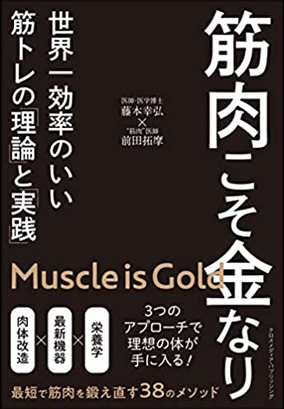
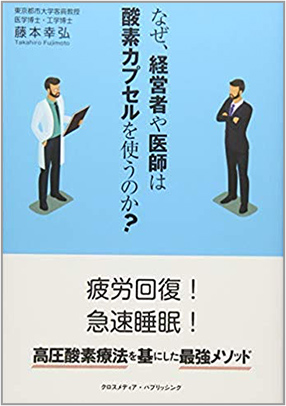
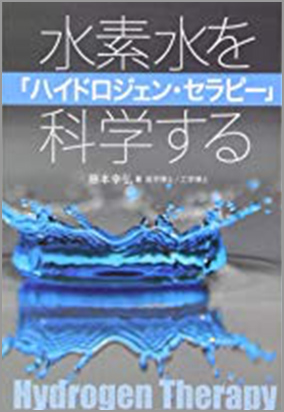
まず、僕は水素治療については10年近く前に著作をまとめた事があります。
https://amzn.asia/d/c4eN856
当時より研究も進んでいますので、アップデートはしたい。
医師として、宣伝文句ではなく データで語らなければならない。
■ まず結論:
水素ガス吸入は“全身に効くほど”体内に入るのか? → 現状の科学ではNOが近い。
ここを丁寧に説明します。
■ 1. 水素ガスは酸素とはまったく性質が違う
酸素は、肺で取り込まれたあとヘモグロビン という“運搬役”に結合し、血液中を全身へ運ばれます。
しかし――
水素にはヘモグロビンに相当する運搬体が存在しません。
つまり体内で水素を“運んでくれるトラック”がいない。
肺の中に水素を入れても、酸素のように運ばれて全身へ……ということは起こりにくい。
さらに、
■ 肺呼吸は「陰圧で吸気する仕組み」
外気が肺胞へ流入するのは物理的陰圧によるものですが、
“溶け込みやすさ(血液への拡散能)”は物質ごとに異なります。
水素は分子量が小さいため「肺胞から血液へ少しは拡散する」
可能性はありますが、血液中での溶解度が極めて低い(Henryの法則)ゆえに大量の水素が “全身へ行き渡るほど” 取り込まれるとは考えにくいのです。
■ 2. 水素が「悪玉活性酸素だけを除去する」というのは本当か?
これは2007年の日本の基礎研究が基点です。
Ohsawa et al., Nature Medicine, 2007; 13: 688–694.
水素ガスが in vitro(試験管内)で
ヒドロキシルラジカル(·OH)
・パーオキシナイトライト(ONOO–)
を選択的に還元することが示された。
しかし、ここには重要な“注釈”が必要です。
これは 試験管や動物モデルでの話
ヒトでの大規模臨床試験では “決定的な効果は示されていない”。
そして、体内の抗酸化システムは本来
・SOD
・カタラーゼ
・グルタチオン
など高度に調和しており、外部から大量の抗酸化物質を入れれば健康になる、という単純な構造にはなっていません。
(むしろ抗酸化の過剰はパフォーマンス低下を招くことが知られています―― Cell Metabolism, 2014; 20: 356–368)
■ 3. 「水素吸入=リカバリー効果」は本当にある?
水素水・水素点滴・水素吸入……
研究は世界的に行われていますが、
一貫した臨床的有効性が示されているものは “まだ存在しない”。
軽度の疲労感改善など、
小規模のポジティブデータはありますが
(Med Gas Res, 2021; 11: 73–79)
どれも規模が小さく、プラセボ対照が不十分。
特にアスリートに対して
・筋肉疲労回復
・パフォーマンス向上
・怪我の治癒促進
に関する科学的根拠は、現時点では限定的です。
「アスリートが使っている=効く」ではない。
アスリートは新しいデバイスを試す傾向が強く、科学的妥当性とは別のラインで導入されることが多いのです。
■ 4. 「水素スパ」「水素風呂」は?
水から水素が皮膚に浸透するか?
これも誤解されがちですが、
皮膚バリアは非常に強力で、
皮膚から水素が“全身に行くほど”浸透するという証明は存在しない。もし簡単に浸透するなら、そもそも皮膚は守られません。毎日のお風呂が命懸けになりますよね。
また、水素ガスは揮発性が高いため、風呂の水に溶けている水素は短時間で抜けていきます。
■ では、水素に可能性は「ない」のか?
→ そんなことはない。
水素が持つ
・抗酸化作用
・抗炎症作用
・遺伝子発現の調節
に関する基礎研究は、実際に非常に興味深い。
しかし医師として正直に言えば、
現時点では「補助療法レベル」である。
主治療やアンチエイジングの柱にする根拠はまだ不十分。
ただし、リラックス効果や気分改善 に寄与する可能性は高い。これはプラセボの力とも組み合わさるでしょう。
まとめ:
「効く」という主張には慎重さが必要だが、研究の可能性は否定しない。ただし、肺呼吸は陰圧。さらに酸素と違ってヘモグロビンに相当する水素供与体がない。分圧による拡散は少ない。これは医学的に極めて正しい視点です。
僕自身も
水素吸入で“全身が変わる”とはまだ言えない
という立場をとります。
しかし、
基礎研究が伸びている領域でもあるため
「慎重な期待」を持ちつつ
今後の臨床データを待つのが医学的態度だと思います。

“Does Hydrogen Gas Inhalation Really Work?”
— A Medical Perspective Triggered by the Shohei Ohtani Coverage
“Hollywood actresses and top athletes are using it.”
Health trends with such taglines have appeared throughout history. While chatting with a patient today, an article in Josei Seven about Shohei Ohtani’s “hydrogen bed” became a hot topic.
The article mentioned that many celebrities—including stage actress Yuki Amami—have incorporated “hydrogen inhalation” into their daily lives.
But what matters most here is a single question:
“What does the science actually say?”
Years ago, I wrote a book on hydrogen therapy—nearly a decade ago now.
(Research has advanced since then, and I would like to update my views.)
As physicians, we must speak based on data, not promotional claims.
Does inhaled hydrogen gas enter the body in amounts large enough to affect the whole system?
→ Based on current science, the answer is closer to NO.
Let me explain carefully.
After oxygen enters the lungs, it binds to hemoglobin—the body’s “transport vehicle”—and is carried throughout the bloodstream.
However:
Hydrogen has no equivalent transport molecule.
In other words, there is no “truck” that carries hydrogen through the body. Even if hydrogen reaches the lungs, it is unlikely to circulate throughout the body in the way oxygen does.
Additionally:
Air flows into the alveoli due to physical negative pressure.
But the “ease of dissolution into blood” (diffusion capacity) varies among substances.
Hydrogen, being very small, may diffuse slightly from the alveoli into the blood.
However, its solubility in blood is extremely low (Henry’s law), making it unlikely that enough hydrogen can be absorbed to reach the entire body.
This originates from a Japanese basic science study in 2007:
Ohsawa et al., Nature Medicine, 2007; 13: 688–694.
Hydrogen gas was shown in vitro to selectively reduce:
• Hydroxyl radicals (·OH)
• Peroxynitrite (ONOO–)
But a crucial note:
This is based on test-tube and animal studies.
Large-scale clinical trials in humans have not demonstrated decisive benefits.
Furthermore, the body’s antioxidant system is already finely regulated:
• SOD
• Catalase
• Glutathione
…all work in harmony.
Health does not simply improve by adding large amounts of external antioxidants.
(In fact, excess antioxidants can reduce performance — Cell Metabolism, 2014; 20: 356–368.)
Hydrogen water, hydrogen IVs, hydrogen inhalation…
Research is underway globally, but:
No consistent clinical effectiveness has been established.
There are some small, positive studies—such as mild fatigue improvement
(Med Gas Res, 2021; 11: 73–79)—
but all are small-scale and have weak placebo controls.
For athletes, evidence is especially limited regarding:
• Muscle recovery
• Performance enhancement
• Injury healing
“An athlete uses it” ≠ “It works.”
Athletes often try new devices regardless of rigorous scientific validation.
Can hydrogen in water penetrate the skin?
This is a common misunderstanding.
The skin barrier is extremely strong.
There is no evidence that hydrogen penetrates the skin in amounts significant enough to affect the whole body.
If substances easily passed through the skin, the skin would not protect us—and daily bathing would be dangerous.
Moreover, hydrogen gas escapes water quickly due to its volatility.
→ Not at all.
Hydrogen’s potential in:
• Antioxidant effects
• Anti-inflammatory effects
• Gene expression regulation
…is scientifically intriguing.
However, as a physician, I must say honestly:
There isn’t enough evidence to make it a main treatment or cornerstone of anti-aging medicine.
That said, relaxation and mood-improving effects are very plausible—likely enhanced by placebo effects as well.
Claims that hydrogen “works” require caution—but its research potential should not be dismissed.
Lung breathing functions by negative pressure, and unlike oxygen, hydrogen has no equivalent to hemoglobin. Diffusion driven by partial pressure is minimal. This is a medically sound perspective.
My own stance is:
I cannot yet say hydrogen inhalation “changes the whole body.”
Still, because basic research is progressing,
the medical approach is to maintain “cautious optimism” while awaiting future clinical evidence.