TakahiroFujimoto.com

HOME MAIL
HOME PROFILE BOOKS MUSIC PAPERS CONFERENCES BLOG MAIL CLOSE

BLOG 藤本幸弘オフィシャルブログ

BLOG|ブログ

やっぱり男はつらいよ Being a man is tough

突然回ってきた、誰もが知る外資系企業の男性社員さんに対するZOOM講演の仕事。


「男性のメンタルヘルスについて」


なのですが、2日で一気に最近の事例を学び、対処法含めたプレゼン仕上げました。

僕の感想は一言。

「やっぱり男はつらいよ」。

男性が助けを求めない「3つの壁」

1)恥と弱さのイメージ

“不調を語る=敗北” そんな誤解が根深い。

2)身体症状として表れやすい

肩こり、頭痛、不眠として現れ、気分の落ち込みとしては訴えにくい。

3)受診の遅れが重症化を招く

結果として、自殺リスクを高める。なんと女性の3倍。

そんな男たちを救えるプレゼンにしようと思います。


**I was suddenly asked to give a Zoom lecture for a well-known global company—


a session specifically for their male employees on “Men’s Mental Health.”


In just two days, I absorbed the latest cases and research and finished the presentation, including practical approaches.


My honest takeaway?


“Being a man is tough.”


The Three Barriers That Keep Men From Asking for Help

1) Shame and the association with weakness


There’s a deeply rooted misconception that


“talking about your struggles = losing.”

2) Symptoms often appear as physical problems


Stiff shoulders, headaches, insomnia—


making it harder for men to articulate emotional distress as mood issues.

3) Delayed treatment leads to severe outcomes


As a result, the risk of suicide increases—


men are three times more likely to die by suicide than women.


I want this presentation to be something that genuinely reaches these men—


something that might actually help save them.


Kバレエ くるみ割り人形


〜Kバレエのくるみ割り人形と、冬にだけ現れる「舞台の魔法」〜

年末になると、くるみ割り人形を観たくなる。世界の劇場で何度となく観てきた作品だけれど、Kバレエの『くるみ割り人形』には、日本の冬にしか立ち上がらない透明な魔法がある。

勧められるがままにコロナ後に観始めて、すっかりハマり、今年で三年連続。

客席に座ると、ふとサンクトペテルブルクで観たあの公演を思い出した。

氷点下の冬……ではない。

白夜の季節、真夜中なのに薄明るい“夜とも昼ともつかぬ”時刻に観た『くるみ割り人形』。

劇場を出ても、外は宵闇に沈まない。

眠らない都市の白い光とバレエの余韻が混ざり、夢と現実の境界が曖昧になる。

あの不思議な空気は、ロシアの劇場でしか味わえない特別な時間だった。

それに対して、東京の冬は凛として乾いている。

照明が入る瞬間、白い光が粉雪のように舞い、劇場の空気がきゅっと引き締まる。

——日本の冬には、日本の夢のかたちがある。

二本立てが生んだ「短い夢」の構造

今回教えてもらい僕も初めて知ったのだけれど、チャイコフスキー三大バレエの中で『くるみ割り人形』だけが短いのは、この作品がオペラ《イオランタ》との二本立てとして作られたからなのだそう。

《イオランタ》は盲目の王女が“光”を知る物語。
『くるみ割り人形』は少女が“夢”を見る物語。

片方は視覚の獲得、もう片方は幻想の冒険。
まるで“光を得た者が、その光で見る夢”のように響き合っている。

初演時の批評には、《イオランタ》の深い余韻に観客がやや疲れ、その後に続く『くるみ割り人形』のクリスマス・イヴの喧騒が客席を一気に軽くしたと記録されている。

つまり、最初から

「重→軽」「現実→夢」
という構造で設計されているのだ。

そのため、くるみ割り人形は長くしすぎてはいけなかった。

夢は“短い”からこそ密度を保つ。

Kバレエの夜に戻る

幻想の扉が開くと、クララは夢の世界へ滑り込む。

ネズミの大軍に追われる場面の緊張感、そしてくるみ割り人形が凛と立ち向かう瞬間。

ふと僕は思う。

「この作品は、夢そのものの構造でできている」

《白鳥の湖》の悲劇性とも、『眠れる森の美女』の宮廷絢爛とも違う。

“ふっと現れて、ふっと消える”——その儚さが、年末の空気にしっくり馴染む。

井田勝大さんの指揮:

〜テンポの呼吸と、Kバレエの“冬の透明度”〜

今回も指揮者・井田勝大さんの作る“冬の呼吸”のようなテンポだ。

井田さんのチャイコフスキー。特に印象的だったのは次の三つ。

第1幕

「クリスマス・パーティ」
——子どもたちが駆け回るシーンで、テンポをわずかに前へ押す。その“ほころび”が舞台全体を温めてくれる。

「雪のワルツ」
——Kバレエの透明美学を最大化するため、テンポは極限まで速く振る。他の劇団にはまずない演出。踊り手の動きが光に溶けるように感じられ、また舞台に降る雪の量が半端なく、毎回凄いと思わず声が出る、何度でも観たい美しい演出。

第2幕

「金平糖の精」
——音が遠くから結晶になって落ちてくるようなアタック。
バレリーナの足先が一点で空気を切り裂く瞬間、指揮と舞が完全に一致する。

海外公演で聴くチャイコフスキーはもっと“色気が濃い”場合もあるが、井田さんのそれは“冬の透明度”を宿している。
Kバレエの美術と相性が良い理由がよくわかる。

舞台美術:
〜ヨーロッパの伝統と、日本の冬光が融合する場所〜
Kバレエの『くるみ割り人形』は、舞台美術がとても洗練されている。

色温度のコントロール
雪の場面で使われる青白い光が、東京の乾いた冬にぴたりとはまる。ヨーロッパの公演よりも“光の粒子感”が強い。

舞台セットの陰影
ドロッセルマイヤーの部屋の深い影は、旧き良きヨーロッパの重厚さを残しつつ、日本的なミニマリズムを感じさせる構図にまとめられていた。

バレエ団ならではの軽やかな動線
クララが空間を移動するたびに、舞台が一瞬で“別の世界”になる。世界各地の踊り子たちが登場するシーンでは、次の踊り子がマントをかぶって登場、そのマントが斜め上にパッと飛び、踊り子が現れる。この切り替えの巧さは、海外カンパニーでは観ないものだ。

東京の冬空の下で

終演後、劇場を出ると街路樹がシャンパンゴールドに輝いていた。十九世紀のサンクトペテルブルクと令和の東京。

距離も時代も違うのに、同じ音楽が冬の夜を満たし、同じ夢の入口をそっと開けてくれる。

終幕後、舞台裏で、指揮者の井田さんにご挨拶。

温かな笑顔のまま「またお会いできてよかったです!」とお互い自然に親愛のハグ。僕も感動を伝えるにはそれが一番速かったんですよね。笑。

その瞬間、舞台の余韻がもう一段深く沈んでいった。今年も本当に、美しく豊かな夜だった。


K-Ballet’s Nutcracker and the “Theater Magic” That Appears Only in Winter〜

As the year draws to a close, I find myself wanting to watch The Nutcracker. I’ve seen countless productions around the world, yet K-Ballet’s Nutcracker possesses a kind of transparent magic that only rises in the Japanese winter.

I started watching it after being encouraged to do so in the post-Covid years, and before I knew it, I was hooked—this year makes it three in a row.

Sitting in the audience, I suddenly remembered the performance I once saw in St. Petersburg.

Not in the sub-zero winter.

But during the season of the white nights, that faintly bright hour when midnight is neither quite night nor day. Even after leaving the theater, the city never sank into dusk.

The pale light of the sleepless city mingled with the lingering afterglow of the ballet, blurring the boundary between dream and reality.

That strange atmosphere was a special experience one could only feel in a Russian theater.

In contrast, Tokyo’s winter is crisp and dry.

The moment the lights come up, the white beams scatter like fine snow, and the air in the theater tightens sharply.

—Japan has its own shape of dreams in winter.


The “Brief Dream” Born from a Double Bill

I learned this for the first time only recently: among Tchaikovsky’s three great ballets, The Nutcracker is the only one that is short because it was created as part of a double bill with the opera Iolanta.

Iolanta is the story of a blind princess who comes to know “light.”
The Nutcracker is the story of a girl who experiences a “dream.”

One is the gaining of vision; the other, an adventure in fantasy.
They resonate with each other—almost like “the dream seen by someone who has just obtained light.”

Early reviews recorded that the deep aftertaste of Iolanta left the audience slightly fatigued, and the bustling Christmas Eve scenes of The Nutcracker that followed immediately lightened the mood of the hall.

In other words, from the start it was designed with the structure:

“Heavy → Light”
“Reality → Dream”

This is why The Nutcracker was never meant to run long.

A dream keeps its density precisely because it is brief.


Returning to K-Ballet’s Night

When the door to fantasy opens, Clara slips into the world of dreams.

The tension of the scene where she is chased by the army of mice, and the moment the Nutcracker stands firm to face them—

I find myself thinking:
“This work itself is constructed like a dream.”

It’s neither the tragedy of Swan Lake nor the courtly opulence of The Sleeping Beauty.

It appears softly and disappears softly—its very transience fits perfectly with the atmosphere of year’s end.


The Conducting of Katsuhisa Ida:

—The Breath of Tempo and K-Ballet’s “Winter Transparency”—

Once again this year, conductor Katsuhisa Ida shaped the music with a tempo that felt like the gentle breathing of winter.

Three moments of his Tchaikovsky particularly struck me:

Act I

“The Christmas Party”
—In the scene where the children run about, he pushes the tempo ever so slightly forward. That subtle “unraveling” warms the entire stage.

“Waltz of the Snowflakes”
—To maximize K-Ballet’s aesthetic of purity, he drives the tempo to the absolute limit—something rarely seen in other companies. The dancers’ movements seem to dissolve into the light, and the sheer volume of falling snow is astonishing every time. It’s a scene I could watch again and again.

Act II

“The Sugar Plum Fairy”
—The attack of the notes feels like crystals dropping from afar. At the instant when the ballerina’s pointe slices the air at a single point, the conducting and the dancing become completely one.

Abroad, Tchaikovsky is sometimes played with a richer sensuality, but Ida’s interpretation holds a “winter clarity.”
It’s easy to see why it harmonizes so well with K-Ballet’s visual world.


Stage Art:

—Where European Tradition Meets Japanese Winter Light—

K-Ballet’s Nutcracker is remarkably refined in its stage design.

Color temperature control
The blue-white light used in the snow scene fits Tokyo’s dry winter perfectly. Compared with European productions, the “particle quality” of the light feels more pronounced.

Shadowing of the sets
The deep shadows in Drosselmeyer’s room retain the weight of old European grandeur, yet the overall arrangement evokes a Japanese sense of minimalism.

Fluid movement unique to a ballet company
Each time Clara moves through space, the stage transforms instantly into “another world.”
In the scene where dancers from around the world appear, the next dancer enters cloaked in a mantle, which is then whisked diagonally upward—revealing the dancer beneath. This quick transition is something I’ve never seen in overseas companies.


Under the Winter Sky of Tokyo

After the performance, the street trees outside the theater glowed with champagne-gold lights.
Nineteenth-century St. Petersburg and Reiwa-era Tokyo.

Separated by distance and time, yet the same music fills the winter night and gently opens the same door to a dream.

After the final curtain, I greeted conductor Ida backstage.

With a warm smile he said, “I’m so glad we could meet again!” and we naturally exchanged a friendly hug. Honestly, it was simply the quickest way to convey what I felt. (Laughs)

In that moment, the afterglow of the stage sank one note deeper.
It was, again, a truly beautiful and abundant night.


慶雲興

――「慶雲興」に見守られた一日――

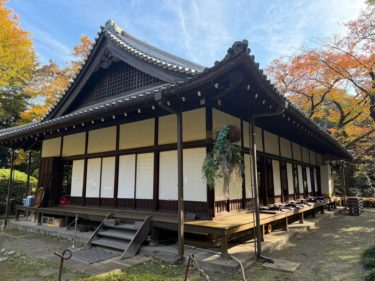
今日は国立博物館の九条館でお茶会にお呼ばれ。

普段あまり茶席にご縁がないのは——そう、スキーで靭帯を伸ばして以来、正座が苦手だから。でも茶室に入った瞬間、その言い訳がすっと消えていきました。

床の間に掛かっていた三文字。

「慶雲興(けいうんおこる)」。

この語は中国・六朝期の吉祥表現に源を持ち、「めでたい雲が立ちのぼる」「良き兆しが兆す」という意味を帯びます。

唐代の史書『旧唐書』にも瑞祥として慶雲が記され、国家的吉兆を象徴する語として用いられてきました。

茶室にこの言葉を掛ける——
それは「今日、この場に集ったこと自体が吉兆である」という主人の願意でもあるのでしょう。

そして不思議なことに、言葉は空気を変えます。

静謐が濃くなる。呼吸が深くなる。

茶の湯の「一期一会」が、三文字によって凝縮されたように感じました。

茶室は「完璧じゃなくていい場所」

椅子でも胡座でもよい。

重要なのは「姿勢」ではなく、「意識の角度」。

茶碗を両手で受け取ると、自然と背筋が整い、雑念がそぎ落ちていく。静寂は、最良の医療です。

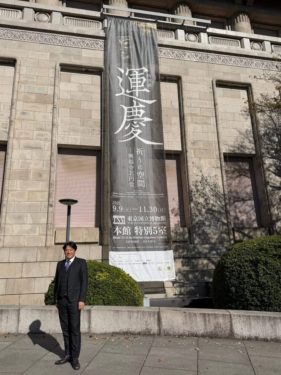
慶雲を見上げたあと、運慶の世界へ。

ちょうど今、興福寺伝来の名品が上野博物館の運慶展に集っています。

運慶は鎌倉時代前期に活躍した仏師で、奈良・興福寺を中心にした慶派のトップランナーです。

いわゆる「仏像=静か・おだやか」というイメージを「筋肉」「迫力」「生命感」へと大転換させた人。

つまり、“仏像を動かした男”。

木でありながら脈動する生命感。

“感情”が見える

目が生きている。

怒り、祈り、覚悟……。像と視線が合った瞬間に、こちらの心拍数が上がる。

写実は単なる技術ではなく、情動を彫り込む手段だったわけです。

鎌倉武士文化とのシンクロ。平安の貴族文化から、武士の時代へ。精神も、価値観も、リアリズムへシフトしていった日本社会。その空気を的確に掴んだのが運慶でした。

13世紀の運慶の作品が今でも刺さる理由は

立ち止まらせる圧

逃げ場のない存在感

木なのに“生きてる感”

現代アートのようなコンセプト説明は不要で、ただ視線が吸い込まれ、脳が揺さぶられる。

科学っぽく言うなら、扁桃体(恐怖・緊張の中枢)を刺激する造形なんでしょうか。

今日は、茶室が「静の神経」を研ぎ澄まし、運慶が「動の神経」を呼び覚ましてくれました。

なんだか、良い“気”をチャージしたような上野時間でした。

—A Day Watched Over by Keiun-Okoru

Today I was invited to a tea gathering at the Kujō Pavilion of the National Museum.

I don’t usually attend tea ceremonies—ever since I stretched a ligament while skiing, sitting in seiza has been difficult. But the moment I stepped into the tearoom, that excuse simply dissolved.

Hanging in the alcove were three characters:

慶雲興 (Keiun okoru).

This phrase, rooted in auspicious expressions from China’s Six Dynasties period, carries the meaning of “fortunate clouds rising” or “good omens emerging.”
Even in the Old Book of Tang, keiun is recorded as a sign of auspice—an expression symbolizing blessings at the national scale.

To hang such a phrase in a tearoom—
perhaps it conveys the host’s wish that “the very fact that we gather here today is itself a good omen.”

And strangely enough, words do change the air.

The quiet grows deeper.
Breathing becomes slower.

It felt as if the spirit of ichigo ichie—“one encounter, one chance”—had been distilled into those three characters.

A tearoom is a place where you don’t have to be perfect.

You may sit on a chair or cross-legged.


What matters is not the posture, but the angle of awareness.

When you receive the teabowl with both hands, your spine naturally aligns, stray thoughts fall away. Silence is the finest medicine.

After gazing up at the “fortunate clouds,” I stepped into the world of Unkei.

Right now, masterpieces handed down from Kōfukuji are gathered at the Unkei exhibition at Ueno Museum.

Unkei was a master sculptor of the early Kamakura period, the leading figure of the Kei school centered around Kōfukuji in Nara.

He was the one who transformed the image of Buddhist statues from “calm and serene” to something defined by muscle, force, and vitality.

In other words, “the man who set Buddhist statues in motion.”

Wood that nonetheless pulses with life.
You can see emotion.
The eyes are alive—anger, prayer, resolve.
The moment your gaze meets theirs, your own heartbeat quickens.

Realism was not mere technique; it was a means for carving emotion itself.

His work resonates with the warrior culture of the Kamakura era.
As Japan shifted from the aristocratic Heian world to an age of warriors—its spirit and values moving toward realism—Unkei grasped that atmosphere with remarkable precision.

The reason Unkei’s 13th-century sculptures still strike us today:

The pressure that makes you stop.
The inescapable presence.
The sense of “living wood.”

They require no conceptual explanation like contemporary art—your eyes are simply drawn in, your mind shaken.

If one were to put it in scientific terms, perhaps their forms stimulate the amygdala—the brain’s center for fear and tension.

Today, the tearoom sharpened my “stillness,”
and Unkei awakened my “motion.”

It felt like I charged myself with very good ki during my time in Ueno.


楽しかった恋の記憶は美肌を作る


〜“恋愛記憶 × 音楽 × 美肌”という若返りの方程式〜

「若かった頃の恋愛の成功体験を思い出す」

この行為には、驚くほど強い“生物学的若返り効果”があります。

しかも、それは単なる気分の問題ではなく、
測定機器で確認できる“数値の若返り”として現れる。

では、その仕組みを丁寧に紐解いていきましょう。

1. 恋愛記憶が「エストロゲン」を押し上げる理由

恋愛で味わった
・ときめき
・成功感
・求められた実感
・自己肯定感
これらは脳の報酬系を動かし、視床下部—下垂体—性腺系(H-P-G axis)にスイッチを入れます。

その結果——

エストロゲン分泌が上がる
幸福ホルモン(オキシトシン)が増える
ストレスホルモン(コルチゾール)が下がる
特に「成功体験」を思い出すことは、
“自分は価値がある”という脳の再確立
になり、ホルモン環境を若々しい方向へ戻す。

2. エストロゲンは“肌そのものを若返らせるホルモン”

エストロゲンは美肌の三本柱で作用します。
① コラーゲン合成アップ
皮膚のハリ・弾力をつくる主役。
加齢で減るが、エストロゲンはその合成を促す。
② 保湿力アップ(ヒアルロン酸産生)
肌の“潤い保持力”を高める。
乾燥肌・小じわに直結。
③ 皮膚の血流改善
血色・透明感・ふっくら感が増す。
つまり、
弾力・ツヤ・みずみずしさ
はエストロゲンの領域。
実際、皮膚弾性測定器(カットメーターやスキンコンダクタンス)で測っても、
弾力度↑
水分量↑
皮膚の回復速度↑
といった“数字の若返り”が確認されやすい。

3. 音楽がこの効果をさらに強化する

ショパンのような
・滑らかな旋律
・中低域中心
・ゆっくりしたテンポ
は副交感神経を優位にし、ホルモン分泌環境を整えます。

特に
「恋愛の記憶 × 音楽」
この組み合わせは、
感情想起が強くなる
自己肯定感が上がる
恋愛脳回路が活性化

結果として、エストロゲン分泌の“ブースター”になる。
まさに、
感情 × 音 × 記憶 = 生体若返りの三重奏
です。
4. しかし——“シミ・色”は別領域
ここが非常に重要。

エストロゲンが得意な領域
・ハリ
・弾力
・うるおい
・血色

苦手な領域
・シミ
・色ムラ
・肝斑
・日光性色素沈着
なぜならこれらは
メラニン × 紫外線 × 表皮代謝
の問題であり、
ホルモンでは動かない領域だからです。
だから結論は明快。

5. 結論

肌内部(弾力・潤い)を若くしたいなら
恋愛記憶 × 音楽は非常に有効。

肌表面(色・シミ)を若くしたいなら
レーザー治療が最適解。
特に—

6. 名言としてまとめると
「感情は真皮を若返らせ、レーザーは表皮を整える。」
どちらも必要。
どちらも役割が違う。
そして両方そろったとき——
“本当の若さ”が完成する。

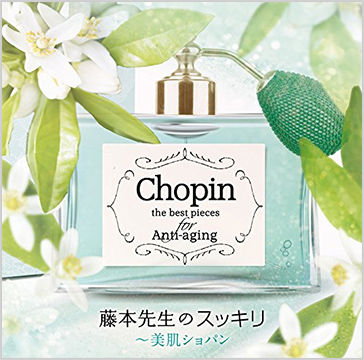
〜“美肌ショパン” TOP10 〜肌は音から若くなる〜

美容医療の世界でよく議論されるのが——
「肌は鏡。生活と感情を正確に映す。」
睡眠不足
ストレス
緊張
自律神経の乱れ
これらはすべて、

血流低下
乾燥
くすみ
炎症
コラーゲン低下
につながり、肌を老けさせる。

つまり美肌とは——
“血流 × 副交感神経 × 睡眠 × ストレスコントロール”
この4本柱で成立する。

そしてショパンの音楽は、この4つに驚くほど相性がいい。
なぜか?

ゆっくり
レガート(滑らか)
中低音中心
情緒をほぐす
呼吸と同期する
つまり——
ショパンは“肌が回復する環境”を作る音楽。
では、“美肌の観点”で選んだ10曲を深掘りしていきましょう。

① ノクターン Op.9-2

◎ 呼吸が深くなり、皮膚血流が上がる
滑らかな旋律が呼吸を整え、顔面や末梢の血流がふっと改善。
血流は美肌の酸素と栄養の運搬路。
◎ 力みが抜け、表情筋が柔らかくなる
噛みしめ・額の緊張はシワを固定化させる。
この曲は表情を“ゆるむ方向”へ導く。
◎ 夜の静けさで睡眠導入を助ける
質の良い睡眠=成長ホルモン=コラーゲン生成。

② ノクターン Op.27-2

◎ 情緒が整い、ストレス炎症が下がる
ストレスは肌の炎症・赤み・ニキビを悪化させる。
この曲は“心の圧”を静かに落とす。
◎ 透明感のある響きが“肌のトーン”を整える
感情が落ち着くと顔色は明るくなる。
肌の明るさは血行と直結。

③ 雨だれ前奏曲 Op.28-15

◎ 一定リズムが自律神経を安定
ゆっくりした反復は副交感神経を優位に。
副交感神経が働くほど保湿力は高まる。
◎ “涙の代わり”になる浄化作用
感情を溜め込むと肌はくすむ。
涙と同じように、この曲は心の排出を助ける。

④ エチュード Op.10-3「別れの曲」

◎胸郭が緩み、酸素供給が増える
胸周りの筋緊張がゆるむと、血流と酸素が肌に届きやすくなる。
◎感情の鎮静で肌ストレスをリセット
怒り・焦りは老化ホルモンを上げる。
この曲は“ため息のような落ち着き”を作る。

⑤ ワルツ Op.64-2

◎ “揺れ”が副交感神経を優位に
ゆりかごのような三拍子は身体を緩ませる。
肌はリラックスの時に修復される。
◎軽い明るさが血色を押し上げる
明るすぎない——ここが肌に優しい。

⑥ バラード第1番

◎深い呼吸と“内側を整える時間”
肌は外側ではなく内側の循環で変わる。
この曲は内観を促し、精神疲労を抜く。
◎クライマックス後の静けさが回復ゴールデンタイム
緊張→解放のあとの静寂は、肌修復のスイッチ。

⑦ マズルカ Op.17-4

◎体の余分な力が抜け、顔のむくみが軽減
むくみは筋緊張と血行不良。
この曲の“曖昧な明るさ”が緊張を溶かす。
◎沈んだ気持ちに寄り添い、炎症反応を抑える
悲しみを否定しない音こそ、肌に優しい。

⑧ 舟歌 Op.60

◎水面の揺れのようなリズムが血流を整える
揺れは血管を柔らかくし、肌のハリにつながる。
◎長いフレーズが呼吸を深くし保湿力UP
呼吸×副交感神経=皮膚バリア回復。

⑨ レント・コン・グラン・エスプレッシオーネ(遺作)

◎“涙の代替”として感情を浄化
抑え込んだ感情=肌のくすみ。
出せた瞬間、肌色は変わる。
◎静かな内省で睡眠前の神経を落とす
眠りの質は肌の質。

⑩ 子守歌 Op.57

◎深い眠りへ誘導——美肌の本丸
美肌ホルモン(成長ホルモン・メラトニン)は睡眠中に分泌。
この曲は眠りへの最短ルート。
◎緊張ゼロの音構造
肌は緊張が大嫌い。
緩むことが“若返り”。

“美肌ショパン”の聴き方

夜に小さな音で
肌修復は夜が本番
4秒吸って6秒吐く呼吸で
血流と副交感神経が最大化
ベッド or ソファで脱力
筋緊張が下がるほど肌は潤う

結論
美肌は化粧品だけで作られない。
レーザーだけでも作られない。
美肌は“回復できる状態”で作られる。
ショパンは——
肌に負担をかけず
心をほどき
血流と睡眠を整える音楽。
つまり、美肌への“環境デザイン”。

~ The “Love Memory × Music × Beautiful Skin” Formula for Rejuvenation ~

“Recalling successful romantic experiences from your younger years.”
This simple act has a surprisingly strong biological rejuvenating effect.
And it’s not just about feeling better—
it can actually appear as measurable improvements on diagnostic devices.
Let’s break down the mechanism step by step.


1. Why Romantic Memories Boost Estrogen

Moments you experienced in past relationships—
• that flutter of excitement
• the sense of success
• feeling desired
• enhanced self-worth

All of these activate the brain’s reward system and switch on the hypothalamic–pituitary–gonadal axis (H-P-G axis).

As a result:

  • Estrogen levels rise

  • Oxytocin (“the love hormone”) increases

  • Cortisol (the stress hormone) decreases

In particular, recalling experiences of success helps your brain re-establish the belief that
“I am valuable,”
which shifts your hormonal environment toward a more youthful state.


2. Estrogen: The Hormone That Literally Rejuvenates the Skin

Estrogen works on the three pillars of beautiful skin:

1) Increased collagen synthesis
Collagen creates firmness and elasticity.
It naturally declines with age, but estrogen promotes its production.

2) Improved hydration (via hyaluronic acid production)
This enhances the skin’s moisture retention—
a key factor in dryness and fine lines.

3) Better microcirculation
More blood flow means better tone, clarity, and plumpness.

In other words,
firmness, radiance, and dewiness
belong to estrogen’s domain.

Instruments like cutometers or skin conductance meters often show:

  • increased elasticity

  • higher moisture levels

  • faster skin recovery

These are the numeric signs of rejuvenation.


3. Music Enhances This Effect Even Further

Music like Chopin—
• smooth melodies
• mid–low frequency tones
• slow, gentle tempo—
activates the parasympathetic nervous system and optimizes hormonal balance.

Especially:

Romantic memories × Music
= stronger emotional recall
= higher self-esteem
= activation of “romantic brain circuits”

This becomes a booster for estrogen release.

It’s truly a triad:
Emotion × Sound × Memory = Biological Rejuvenation.


4. But—Pigmentation and Dark Spots Are a Different Field

This point is extremely important.

Areas estrogen is good at improving:

  • firmness

  • elasticity

  • hydration

  • healthy tone

Areas it is NOT effective for:

  • dark spots

  • uneven pigmentation

  • melasma

  • sun damage

Why?
Because these issues come from
melanin × UV exposure × epidermal turnover,
which hormones do not directly change.

Therefore:


5. Conclusion

If you want to rejuvenate the inner skin—its firmness and moisture—
romantic memories × music are highly effective.

If you want to rejuvenate the surface of the skin—its color and spots—
laser treatments are the optimal solution.


6. Summarized as a Quote

“Emotion rejuvenates the dermis; lasers perfect the epidermis.”
Both are necessary.
Both play different roles.
And when they come together—
true youth is complete.


~ “Chopin for Beautiful Skin” Top 10: How Music Makes Your Skin Younger ~

In aesthetic medicine, we often say:
“Skin is a mirror—it reflects lifestyle and emotion with precision.”

Lack of sleep
Stress
Tension
Autonomic imbalance

All of these lead to:

  • reduced circulation

  • dryness

  • dullness

  • inflammation

  • loss of collagen

In other words, beautiful skin is built on four pillars:
blood flow × parasympathetic balance × sleep × stress control

And Chopin’s music matches these four astonishingly well.
Why?

  • slow pace

  • legato phrasing

  • mid/low register

  • emotional softening

  • synchronizes with breathing

Chopin creates an environment where the skin can repair itself.

Here are ten pieces selected from the perspective of “skin beauty.”


① Nocturne Op. 9 No. 2

◎ Deepens breathing, enhances facial and peripheral circulation
◎ Releases facial tension, softens expression muscles
◎ Nighttime calmness supports sleep—
and good sleep = growth hormone = collagen production


② Nocturne Op. 27 No. 2

◎ Calms emotion, reducing stress-related inflammation
◎ Clear, transparent resonance brightens the skin tone through improved blood flow


③ Raindrop Prelude Op. 28 No. 15

◎ Its steady rhythm stabilizes the autonomic nervous system
◎ Acts as an emotional “purification,” preventing dullness caused by emotional stagnation


④ Étude Op. 10 No. 3 “Tristesse”

◎ Loosens the chest area, increasing oxygen supply to the skin
◎ Emotional quieting resets stress-related aging hormones


⑤ Waltz Op. 64 No. 2

◎ The gentle rocking of triple meter encourages parasympathetic dominance
◎ Soft brightness improves complexion without overstimulation


⑥ Ballade No. 1

◎ Encourages introspection and mental reset—skin changes from internal circulation
◎ The calm after the climax creates a prime window for recovery


⑦ Mazurka Op. 17 No. 4

◎ Releases unnecessary bodily tension, reducing puffiness
◎ Its tender melancholy soothes the mind and softens inflammatory reactions


⑧ Barcarolle Op. 60

◎ Wave-like rhythm improves vascular flexibility and skin firmness
◎ Long phrases deepen breathing, enhancing moisture barrier recovery


⑨ Lento con Gran Espressione (Posthumous)

◎ Acts as an emotional “substitute for tears,” clearing dullness
◎ Quiet introspection settles the nervous system before sleep


⑩ Berceuse Op. 57

◎ Guides the mind into deep sleep—critical for skin regeneration
◎ Completely tension-free structure promotes youthfulness through relaxation


How to Listen to “Chopin for Beautiful Skin”

  • Play at low volume at night

  • Nighttime is when skin repair peaks

  • Breathe: 4 seconds in, 6 seconds out

  • Relax fully in bed or on a sofa

  • Lower muscle tension = better hydration


Final Message

Beautiful skin isn’t created by cosmetics alone.
Nor by lasers alone.
It is created by a state of recovery.

Chopin’s music—
• soothes without strain
• unwinds the heart
• optimizes blood flow and sleep—

is a form of environmental design for beautiful skin.


若さとテストステロン、その本質

〜若さとテストステロン、その本質〜
学会で必ず議論になるのが、
「若さとは何か?」
その答えは意外とシンプルで、

活力(やる気・前向きさ)
筋量・骨密度
脂肪コントロール
性機能
認知機能
メンタルの安定
この6つが保たれている状態。

そしてテストステロンは——
この6つすべてに関与する“司令塔ホルモン”。
だから“若々しさ”にとって極めて大事。

【では、テストステロンが下がると?】
・疲れやすい
・やる気が出ない
・筋肉が減る
・脂肪がつく
・性欲・勃起力が落ちる
・集中力が低下
・メンタルが不安定

この状態こそ、“加齢の自覚”そのもの。
つまり——
テストステロン低下=老化の体感。

【ただし重要なポイント】

テストステロンは

元気な曲を聴けば爆上がりする
何か一つの行動で大幅に増える
というものではない。

むしろ、

ストレス
睡眠不足
慢性疲労

これらがテストステロンを削る最大の敵。
だからアンチエイジングとは、
「出す」より「減らさない」戦いでもある。

【では音楽はどこに効く?】
音楽は直接テストステロンを作るわけではない。
しかし——

① ストレスを下げる
(ストレスはテストステロンの最大の抑制因子)

② 副交感神経を優位にする
(リラックス状態でホルモン分泌は正常化)

③ 睡眠の質を上げる
(テストステロンの7〜8割は睡眠中に作られる)

つまり音楽は、
テストステロンが“出やすい環境”を整える装置。

その中でもモーツァルトは、
刺激が少ない
規則的で安心感がある
脳疲労を起こしにくい
という理由で、自律神経と睡眠に強く味方する。

結果として——
テストステロン低下を防ぐ方向に働く。

【テストステロンを上げる“現実的な3本柱”】
① 栄養(特にタンパク質・亜鉛・ビタミンD)
筋合成とホルモン合成の材料。
② 筋トレ(大筋群:スクワット・デッドリフトなど)
筋肉は“ホルモン工場”を活性化させる。
③ 深い睡眠
テストステロンの主な分泌タイム。
そして音楽は③を強力にサポートする。

【つまり結論】
テストステロンは若さの中心軸
でも単独で若さは作れない
音楽は分泌環境を改善する最良のツール
だからアンチエイジングはこうなる。

筋肉 × 睡眠 × ストレス管理 × 自律神経 = 若さ
その土台を静かに支えるのが、
“負担をかけないモーツァルト”

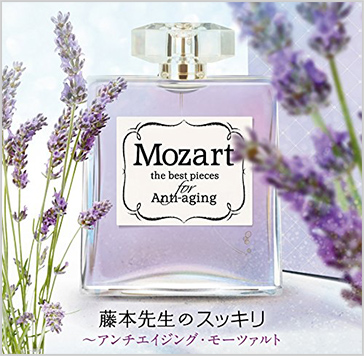
〜“アンチエイジング・モーツァルト”

アンチエイジングとは、
細胞を若く保つことだけではなく、
脳・心・自律神経・血流・ホルモンを疲れさせない生き方。
つまり——

若さとは“身体の静かな余裕”のこと。
モーツァルトには、その余裕を生み出す
軽やかさ・規則性・透明さ・聴き疲れのなさ
が圧倒的に備わっています。

では1曲ずつ、“若さを保つ理由”をさらに深く。

①《ディヴェルティメント K.136 第1楽章》

◎脳の“朝の血流”を上げるウォームアップ曲
この曲は、まるで朝の散歩のよう。軽いテンポと短いフレーズが続き、脳の血流が自然に上がる。それなのに強い刺激はないため、余計なストレスが生まれない。
◎“ニュートラルな前向きさ”が活力を作る
無理に明るいのではなく、ふっと口角が上がる程度の軽快さ。この“ささやかな前進感”こそ、老化を進める停滞感を溶かす。
◎聴き終えた後に頭がクリアになる
まるで脳の棚が整頓されたようなスッキリ感が残る。朝の脳を若々しい状態にセットする一曲。

②《アイネ・クライネ・ナハトムジーク 第1楽章》

◎“未来が読める”安心感がストレスを下げる
規則的で予測できる構造。
この“揺れないリズム”は、自律神経に安心信号を送る。
ストレスは老化の燃料。安心はその逆。
◎姿勢が自然に伸びるような明るさ
前向きでありながら、押し付けがましくない。
身体の中に“上向きの軸”が生まれ、若々しい気配が戻る。
◎疲れを蓄積させない軽量設計
音が詰まっていないから、脳が疲れない。
“疲れない”ことは、立派なアンチエイジング。

③《クラリネット協奏曲 第2楽章》

◎呼吸が深くなり、副交感神経が優位に
クラリネットの息づかいが、聴き手の呼吸と同調。
呼吸が深まると筋肉が緩み、老化の最大因子である慢性緊張が解ける。
◎心拍が安定して身体が若返りモードへ
安定した心拍は、ホルモンのバランスを整える。
心が静かになるほど、体は若さの方向へ傾く。
◎“癒す力”が強く、夜にも向く
疲れた神経をほぐしてから眠りにつく——
この流れこそ若さの保険。

④《ピアノ協奏曲第21番 第2楽章》

◎透明な静けさが“脳の炎症”を鎮める
ストレスは脳を熱くし、老化の速度を上げる。
この曲は氷水のようにその熱を静かに落とす。
◎睡眠の質を高める“降りていく感覚”
上がる曲ではなく、沈む曲。
深く落ちるような静けさが、眠る準備を整える。
◎美しさが精神疲労をリセット
美しいものに触れた瞬間、人は回復に向かう。
精神疲労のリセットはアンチエイジングの土台。

⑤《交響曲第40番 第1楽章》
◎“軽い刺激”が脳の回路を目覚めさせる
落ち込みや停滞は老化と直結。
この曲は強すぎない刺激で、脳をポン、と前へ押す。
◎適度な推進力が活力ホルモンを引き出す
動きたい、考えたいという欲求が静かに湧く。
欲求は若さの証。
◎聴き終えると心が“歩幅を取り戻す”
スピードが整うと、年齢感は薄れる。

⑥《ヴァイオリン協奏曲第3番 第2楽章》
◎身体のこわばりを緩め、血流を改善血流は若さそのもの。
この曲は、筋肉の防御反応を溶かすように流れる。
◎“触れられたような”安心感が心をゆるめる
優しいヴァイオリンが、人肌に似た温度を感じさせる。
安心=老化ストップ。
◎午後の疲れを引きずらない回復曲
夕方の緊張をリセットして夜の若さを守る。

⑦《ピアノソナタ K.545 第1楽章》
◎脳の整理整頓能力を高める
短いフレーズが整然と並び、思考の道筋がスムーズに。
“脳の片付け”は若さの核心。
◎軽やかさが重だるさを吹き飛ばす
年齢を感じる瞬間は“重さ”。
この曲はその重さを空気のように散らす。
◎短時間でも効果が出やすい
3〜4分で脳がリフレッシュする即効型。

⑧《フルート協奏曲 第2楽章》
◎呼吸がゆっくり、深くなる
老化は呼吸が浅くなると進む。
フルートの風のような音が呼吸を開く。
◎体温がほんのり上がるような安堵感
血流が戻ると体温が整い、細胞の代謝が活性化。
◎緊張を持ち越さない“休息の美学”
力まない時間が長いほど、人は若く見える。

⑨《弦楽四重奏 “不協和音” 第2楽章》
◎感情の波を整えて“平らな若さ”をつくる
年齢を感じさせるのは、感情の乱れやすさ。
この曲はその波をなだらかに戻す。
◎静けさと明るさの絶妙なバランス
暗くない。明るすぎない。
この“中庸”がホルモンを安定させる。
◎聴き終わったあと心がまっすぐになる
姿勢も気持ちも、スッと中央へ戻る。

⑩《レクイエム “ラクリモーサ”》(静かな演奏)
◎深い静けさが精神疲労を解毒
心の疲れは細胞に老化指令を出す。
この曲は精神疲労をスッと手放させる。
◎涙が出そうな浄化作用
涙はデトックス。
泣けない人ほど、老化が進みやすい。
◎終わった後の静寂が回復を完成させる
“余韻”こそがアンチエイジングの最終工程。

アンチエイジングは「無理なく・軽やかに・静かに」
若さとは、
・疲れを残さない
・緊張を溜めない
・脳を詰め込まない
その結果として生まれる“軽い身体と静かな心”。
モーツァルトはまさに——
“若さを削らない音楽”なのです。

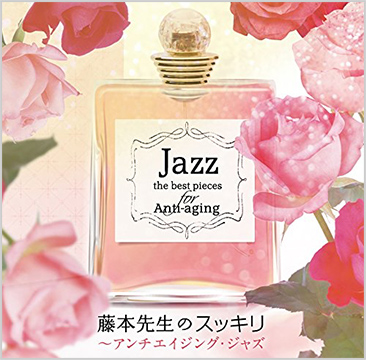
同じ企画でアンチエイジングジャズも選曲しましたが、ジャズが好きな方はぜひ。


〜 The Essence of Youth and Testosterone 〜

At academic conferences, one question always arises:
“What exactly is youth?”
The answer is surprisingly simple:

  • Vitality (motivation, forward energy)

  • Muscle mass & bone density

  • Fat control

  • Sexual function

  • Cognitive function

  • Mental stability

Youth is the state in which all six remain intact.

And testosterone is—
a command-center hormone that influences all six.
That’s why it is essential for “youthfulness.”


When testosterone drops?

  • You get tired easily

  • Motivation falls

  • Muscle decreases

  • Fat accumulates

  • Libido & erectile function decline

  • Concentration weakens

  • Mood becomes unstable

This state is the very feeling of aging.
In other words:

Lower testosterone = the subjective experience of aging.


But here’s the important part.

Testosterone does not:

  • skyrocket just by listening to energetic music

  • increase dramatically from a single action

Rather, it is diminished by:

  • stress

  • sleep deprivation

  • chronic fatigue

These are the true enemies that deplete testosterone.
Anti-aging is therefore not only the work of “increasing,” but the strategy of “not letting it drop.”


So where does music help?

Music doesn’t directly create testosterone.
But — it does this:

1. Lowers stress

(stress is the strongest suppressor of testosterone)

2. Activates the parasympathetic nervous system

(hormone secretion normalizes in relaxed states)

3. Improves sleep quality

(70–80% of testosterone is produced during sleep)

Meaning:
Music is a tool that creates the ideal environment for testosterone production.

Among classical composers, Mozart is uniquely effective because his music:

  • has low stimulation

  • is regular and predictable

  • rarely causes mental fatigue

Thus it strongly supports the autonomic nervous system and sleep—
and as a result, helps prevent testosterone decline.


The Three Realistic Pillars for Boosting Testosterone

1. Nutrition

(especially protein, zinc, and vitamin D)
→ raw materials for muscle and hormone synthesis.

2. Strength training

(large muscle groups: squats, deadlifts, etc.)
→ muscle activates the “hormone factory.”

3. Deep sleep

→ the main secretion window for testosterone.

And music strongly supports Pillar #3.


Conclusion

  • Testosterone is the central axis of youth

  • But no single factor can create youth alone

  • Music is the best tool to improve the secretion environment

So anti-aging comes down to:

Muscle × Sleep × Stress Management × Autonomic Balance = Youth
Quietly supporting that foundation is:

“Mozart without burden.”


“Anti-Aging Mozart”

Anti-aging isn’t just keeping cells young—
it’s living in a way that doesn’t exhaust the brain, mind, autonomic nerves, blood flow, or hormones.

Youth, in essence, is “quiet spaciousness within the body.”
Mozart possesses a unique combination of:

lightness, regularity, clarity, and zero listening fatigue.

Let’s explore each piece and its “youth-preserving effects.”


Divertimento K.136 – 1st Movement

◎ A warm-up piece that boosts “morning blood flow” in the brain

Like a morning walk—light tempo, short phrases.
Blood flow rises naturally without overstimulation.

◎ “Neutral optimism” that fuels vitality

Not forced cheerfulness—just a gentle lift at the corners of the mouth.
This subtle forward motion dissolves stagnation, a key driver of aging.

◎ A clear head after listening

As if the shelves of the brain were tidied.
Ideal for setting a youthful brain-state in the morning.


Eine kleine Nachtmusik – 1st Movement

◎ Predictability that reduces stress

A regular, foreseeable structure.
This “steady rhythm” sends a signal of safety to the autonomic nerves.

◎ A brightness that naturally straightens posture

Positive but not pushy.
It creates an inner upward axis—restoring youthful presence.

◎ Lightly engineered so fatigue doesn’t accumulate

No overcrowding of notes → no brain fatigue.
Not getting tired is an important form of anti-aging.


Clarinet Concerto – 2nd Movement

◎ Breathing deepens; the parasympathetic system takes over

The clarinet’s breath aligns with the listener’s.
Deep breathing releases chronic tension—the strongest accelerant of aging.

◎ Steady heart rate = body shifts into “youth mode”

Stable rhythm supports hormone balance.
Quiet mind → younger physiology.

◎ Strong healing effect; perfect for nighttime

Relax the nerves, then sleep—
the best insurance for youthfulness.


Piano Concerto No.21 – 2nd Movement

◎ Transparent calm that cools “brain inflammation”

Stress heats the brain and speeds aging.
This piece cools that heat like clear ice water.

◎ A sinking sensation that prepares deep sleep

A descending, not ascending, movement.
It guides the mind toward the depth needed for quality rest.

◎ Beauty that resets mental fatigue

Encounters with beauty trigger recovery.
Resetting mental strain is the foundation of anti-aging.


Symphony No.40 – 1st Movement

◎ Gentle stimulation that awakens neural circuits

Stagnation and low mood advance aging.
This piece nudges the brain forward without overwhelming it.

◎ Moderate drive that awakens vitality hormones

The desire to move or think rises—
and desire itself is a sign of youth.

◎ After listening, your inner “stride” returns

When rhythm normalizes, age feels less heavy.


Violin Concerto No.3 – 2nd Movement

◎ Loosens bodily tension and improves blood flow

Blood flow is youth.
This piece melts muscular defense responses.

◎ A sense of gentle touch that relaxes the heart

The violin’s warmth feels almost human.
Safety stops the aging process.

◎ Restorative, preventing afternoon fatigue from carrying over

Resets evening tension to preserve nighttime youth.


Piano Sonata K.545 – 1st Movement

◎ Enhances the brain’s organizing ability

Short, orderly phrases streamline thinking.
This “mental tidying” lies at the core of youth.

◎ Lightness that blows away heaviness

Heaviness is where aging is felt.
This piece disperses it like air.

◎ Effective even in a short listen

Refreshing results in just 3–4 minutes.


Flute Concerto – 2nd Movement

◎ Breath becomes slow and deep

Aging progresses when breathing grows shallow.
Flute tones open the breath like a breeze.

◎ Gentle warmth as blood flow stabilizes

Better circulation restores body temperature, activating cellular metabolism.

◎ A “restful aesthetic” that prevents tension buildup

The longer the body stays relaxed, the younger it appears.


String Quartet “Dissonance” – 2nd Movement

◎ Smooths emotional waves to create “even youth”

Emotional volatility makes one feel older.
This piece returns those waves to gentle curves.

◎ Perfect balance of quiet and brightness

Not dark, not overly bright—
this middle ground stabilizes hormones.

◎ Leaves the heart aligned and centered

Posture and mood straighten toward the center.


Requiem – “Lacrimosa” (soft performance)

◎ Deep silence detoxes mental fatigue

Mental exhaustion sends aging signals to cells.
This piece lets that fatigue fall away.

◎ A cleansing effect that invites tears

Tears are detox.
Those who cannot cry often age faster.

◎ The post-music silence completes recovery

The afterglow is the final stage of anti-aging.


Anti-Aging = Effortless, Light, Quiet

Youth is:

  • not carrying fatigue

  • not accumulating tension

  • not overloading the brain

The result is a “light body and quiet mind.”
Mozart is the music that—

does not drain youth.

I’ve also prepared an Anti-Aging Jazz selection for this same project—
so jazz lovers, enjoy that one too.




カテゴリー