













TakahiroFujimoto.com

HOME MAIL
HOME PROFILE BOOKS MUSIC PAPERS CONFERENCES BLOG MAIL CLOSE

BLOG 藤本幸弘オフィシャルブログ

BLOG|ブログ

眠れるクラシック

〜“眠れるクラシック”TOP10 深層解説版〜

眠れない夜は、脳がずっとエンジンを切れずに回っている状態。

思考が止まらない。
身体が力んでいる。
心がどこか落ち着かない。

睡眠とは——
脳が“降りていく”プロセス。
そのために必要なのは、

ゆっくり
予測できる
刺激が少ない

この3つ。
クラシックの中には、この条件を静かに満たす“眠りの設計図”のような曲が存在します。
では、1曲ずつ“眠りへ向かう理由”を紐解きながら旅をしましょう。

① サティ《ジムノペディ 第1番》

① 一歩ずつ歩くようなテンポが脳を鎮める
急がず、焦らず、ただ歩幅を合わせてくれる。
考えがスローダウンする。
② 音に角がなく、筋肉がふっと緩む
肩の力みが抜けると、眠気は自然に生まれる。
③ 感情を揺さぶらず“真ん中”に戻す
興奮でも悲しみでもなく、中立の静けさへ。

② ブラームス《子守歌》

① 繰り返しが安心をつくる
同じフレーズが戻ってくる——
それだけで脳は眠りのモードへ。
② 温かさが“孤独感”を溶かす
眠れない夜は孤独が増す。温もりは眠りを呼ぶ。
③ そっと揺れるリズムがまぶたを落とす
ゆりかごのような揺れは、原始的な安心。

③ ドビュッシー《亜麻色の髪の乙女》

① 柔らかな光が心のざわつきを消す
夜風みたいな優しさが、思考を静かに消灯する。
② 音の“余白”が脳を休ませる
詰め込まない音楽は、眠りの入り口。
③ 明るすぎず暗すぎない中庸が安心をつくる
不安にならず、感情も暴れない。

④ ラフマニノフ《ヴォカリーズ》

① 言葉がないから思考が止まる
歌詞は脳を働かせる。無言は脳を眠りに誘う。
② 波のような揺れが呼吸を深くする
呼吸がゆっくり=眠気のスイッチ。
③ 包まれる響きが身体の緊張をほどく
身体が緩むと、眠りは自然に落ちてくる。

⑤ シューベルト《セレナーデ》

① 内側へ沈むような静けさ
心が外ではなく内に向かい、眠りに近づく。
② 情景が穏やかで、思考が散らない
迷いが減ると眠りに入れる。
③ 感情が優しく平らになる
心の波が低くなると、睡眠が始まる。

⑥ パッヘルベル《カノン(ゆっくりした演奏)》

① 同じ型が続く=予測できる=安心
不確実性が眠りを妨げる。規則性は眠りを呼ぶ。
② 静かに広がる響きが脳を休める
情報が少ないと、脳は自然に休息へ。
③ 単調さが思考を止める
寝落ちに最も向いている感覚。

⑦ バッハ《ゴルトベルク変奏曲 アリア》

① 清潔な静けさが心を洗う
余計な感情がスッと引いていく。
② ゆっくり織りあがる旋律が深呼吸を誘う
呼吸が落ちると眠りが近づく。
③ 和声が安定し、未来が“読める”感覚
予測できることは、安心の本質。

⑧ フォーレ《夢のあとに(静かな演奏)》

① 切なさが胸の緊張を解放する
抑え込んだ感情が少しゆるむと、眠りやすくなる。
② 中低音が身体を温かく包む
温度感は眠りのスイッチ。
③ 終わっても余韻が続き、心が沈静する
余韻は眠りへの滑走路。

⑨ エルガー《ニムロッド(柔らかいテンポ)》

① ゆっくりと満ちていく安心感
急に盛り上がらない=神経が驚かない。
② 心を支えてくれるような響き
眠れない夜の不安をやさしく吸い取る。
③ “寄り添われている”感覚が眠気を呼ぶ
安心は眠りの母。

⑩ マーラー《アダージェット(とても静かな演奏)》

① 深い静寂が“覚醒のスイッチ”を切る
眠れない夜は脳が起き過ぎている。静寂は遮断。
② ゆっくり沈む感覚が眠気を誘う
まるで深い水へ落ちていくよう。
③ 大きな起伏がなく、心を乱さない
揺れない音は、眠りの味方。

“眠りの聴き方”プロトコル

照明は暗く(間接照明 or 画面OFF)
呼吸は4秒吸って6秒吐く
姿勢は仰向け or 横向きで脱力
音量は小さめ——“聞こえるギリギリ”

眠りは“静けさの層”に落ちていく行為。
音楽はその層に降りる階段。

最後に
眠れない夜は、戦う必要がない。
ただ落ちる場所があればいい。
そしてこの10曲は、
眠りの底へ続く“静かな通路”。


〜 “Top 10 Classical Pieces for Falling Asleep” — In-Depth Guide 〜

Sleepless nights are moments when the brain keeps running with the engine still on.

Your thoughts won’t stop.
Your body stays tense.
Your heart can’t quite settle.

Sleep is—
the process of the brain “descending.”
To make that happen, you need:

slow,
predictable,
low-stimulus.

These three things.
Among classical music, there are pieces that quietly meet these conditions—almost like “blueprints for sleep.”
So let’s take a journey, unraveling the reasons each piece guides you toward sleep.


① Satie — Gymnopédie No.1

1. A step-by-step tempo that calms the brain
It doesn’t rush or push—just matches your pace.
Your thoughts begin to slow down.

2. Rounded tones that loosen the muscles
When the shoulders release, sleep naturally appears.

3. Emotions stay neutral—returned to the center
Not excitement, not sadness—just quiet neutrality.


② Brahms — Lullaby

1. Repetition creates a sense of safety
The same phrase comes back—
that alone shifts the brain into sleep mode.

2. Warmth that melts feelings of loneliness
Sleepless nights feel lonelier. Warmth invites sleep.

3. A gentle rocking rhythm that lowers the eyelids
Like a cradle—primal comfort.


③ Debussy — The Girl with the Flaxen Hair

1. Soft light that dissolves inner restlessness
A gentleness like a night breeze quietly switches off the mind.

2. Silence and “space” between sounds rest the brain
Music that doesn’t cram is an entrance to sleep.

3. Neither too bright nor too dark—balance brings safety
No anxiety, no emotional turbulence.


④ Rachmaninoff — Vocalise

1. No words—so thoughts come to a stop
Lyrics activate the brain; wordlessness leads it toward sleep.

2. Wave-like motion deepens the breath
Slow breath = the sleep switch.

3. Enveloping resonance releases tension
When the body softens, sleep naturally descends.


⑤ Schubert — Serenade

1. A quietness that sinks inward
Your heart turns inward, closer to sleep.

2. Calm imagery keeps the mind from wandering
Less mental drift means easier entry into sleep.

3. Emotions flatten into gentle evenness
Lower emotional waves begin the process of sleep.


⑥ Pachelbel — Canon (slow performance)

1. Repeating patterns = predictability = safety
Uncertainty disrupts sleep; regularity calls it in.

2. Softly expanding harmonies rest the brain
Fewer stimuli lead the brain toward natural rest.

3. Monotony stops the stream of thoughts
Perfect for drifting off.


⑦ Bach — Goldberg Variations: Aria

1. Clean, pure quiet that “washes” the heart
Unnecessary emotions gently fade away.

2. Slowly woven melodies invite deep breathing
As breath settles, sleep comes closer.

3. Stable harmony creates a sense of “knowing the future”
Predictability is the essence of comfort.


⑧ Fauré — Après un Rêve (soft performance)

1. Gentle sorrow releases tension in the chest
Loosened, unspoken emotions make sleep easier.

2. Warm mid-range tones wrap the body
Warmth is a sleep trigger.

3. Lingering resonance calms the heart even after the music ends
The afterglow becomes a runway into sleep.


⑨ Elgar — Nimrod (gentle tempo)

1. A slowly rising sense of reassurance
No sudden surges—your nerves stay undisturbed.

2. Harmonies that feel supportive
Soothing the night’s unease.

3. The sense of “being accompanied” invites drowsiness
Safety is the mother of sleep.


⑩ Mahler — Adagietto (very soft performance)

1. Deep stillness shuts off the “wakefulness switch”
Sleepless nights mean an over-alert brain; stillness blocks that.

2. A slow-sinking sensation draws you toward sleep
As if descending into deep water.

3. Minimal emotional waves keep the heart steady
Unshifting sound is a friend to sleep.


“How to Listen for Sleep” Protocol

  • Keep the lights low (indirect lighting or screen OFF)

  • Inhale 4 seconds, exhale 6 seconds

  • Lie on your back or on your side, fully relaxed

  • Volume low—just barely audible

Sleep is the act of falling into “layers of quiet.”
Music is the staircase leading down.


Finally

On sleepless nights, you don’t have to fight.
You just need a place to fall.
And these ten pieces are
a quiet passage that leads to the depths of sleep.



音楽は心に触れる静かな医療

「音楽は、心に触れる静かな医療」〜

今週、ちょっとした縁で、ある有名外資企業で男性のメンタルヘルスについて話す事になりました。僕もレーザー治療を専門の一つにしていますので、美容の医師という目でみられてしまうことが多いのですが、不安の構造を脳科学的に説明して、その対処法を、僕の得意な分野でもある「音楽と栄養、運動」の三局面から説明しようと思い、頭を整理していたら、予定された持ち時間が、あっという間に終わってしまいそうですね。このブログはその中で音楽についての話を。

以前にユンバーサルミュージックのCDを出した際の、ライナーノーツの焼き直しです。このCD今でも売れているようですが、アップルミュージックなどでも聴けるんです。「藤本先生のスッキリシリーズ」で検索してみてください。よろしかったら聴いてみてくださいね。

第一章:脳が“音”に涙する瞬間

ヘッドホンを耳に当てたとき。
胸の奥が、ふっと緩む瞬間があります。
あれは気のせいではありません。
2001年、カナダのBloodらの研究がfMRIで示しました。
音楽を聴いたとき——
扁桃体・側坐核・前頭前野という情動の中枢が同時に活性化する。(PNAS, 2001, pp. 11818–11823)
つまり音楽は、薬でも言葉でも届かない場所に触れている。
心が沈んだとき、沈んでいるのは感情ではなく“脳回路”なのだとしたら——
音楽は、その回路のスイッチになり得る。

第二章:メンタルヘルスの鍵は「自律神経」

呼吸が浅く、肩が固くなり、思考が止まる——
鬱も不安も、その入口には自律神経の乱れがあります。
2006年、Bernardiらは、60〜80 bpmの穏やかな音楽が副交感神経を優位にし、心拍と血圧を低下させることを報告しました。(Circulation, 2006, pp. 2423–2429)
だから夜、深呼吸しながら静かな曲を聴くことは、単なる癒しではなく“神経学的な介入”なのです。

第三章:落ち込んだ時は、いきなり明るい曲を流さない

興味深い事実があります。
2011年、Hunterらの研究は、気分が低い人に突然明るい音楽を聴かせると、かえって気分が悪化する可能性を報告しました。
(Psychology of Music, 2011, pp. 147–165)
脳は「共感」を通してしか変化できない。
だから順番はこうです。

① 今の気分に寄り添う静かな曲
② 少しだけ明るさを含む曲へ移行
③ ゆるやかにテンポを上げる

治療は、励ましではなく“同調”から始まる。

第四章:無気力には、“リズム”が点火装置になる
鬱の特徴のひとつは「動けない」という症状。
2007年、Zatorreらは、リズム音楽が運動野と側坐核(報酬系)を同時に刺激し、行動のきっかけになることを示しました。(Nature Neuroscience, 2007, pp. 720–726)
朝3分。

身体が勝手に手を動かすような曲を聴く。
それだけで、エネルギーのエンジンがかかり始める。
心ではなく、身体から点火するのです。

第五章:音楽は“抗うつ治療”にも匹敵する

2011年、Erkkiläらの臨床研究は、音楽療法を12週間行った群は、抗うつ薬単独の群より症状改善が大きかったと報告しました。
(British Journal of Psychiatry, 2011, pp. 132–139)
さらに2013年、Thomaらは、音楽がベンゾジアゼピンと同等に不安を低下させたと発表しています。
(PLOS ONE, 2013, pp. e70156)
もはや音楽は「趣味」の領域を越えている。
静かな医療。
黙ったまま寄り添う治療。

第六章:たった“3つ”だけ覚えておけばいい

① 夜は60〜80 bpmの静かな音楽
呼吸と自律神経を整えるため。
② 気分が沈んだら“同調→転換”
否定せず、寄り添ってから動かす。
③ 朝は3分“リズム”
身体を動かし、側坐核を点火する。
どれも、科学が支えている。

〜“不安が静かにほどけていくクラシック TOP10” 深層解説版〜

不安という感情は、
「未来が見えない」「心が落ち着かない」「身体がこわばる」
この3つが同時に起きている状態。
だから安心とは——

未来が予測できて、心に寄り添いが生まれ、身体が緩むこと。

クラシックには、その3条件を満たす“心の鎮静剤”のような曲が存在します。

〜落ちた心に寄り添い、そっと前へ進むための2段階プレイリスト〜

落ち込んでいる時に必要なのは、引っ張られる光ではなく隣に座ってくれる静けさ。そして、ほんの少しだけ心が温まってきたら、押しつけない、優しい“前進の灯り”。
今日はそのための——

第1段階:寄り添うクラシック
第2段階:そっと前へ押すクラシック
この“回復の二部構成”でいきます。

【第1段階】落ち込みに“寄り添う”クラシック 〜心の温度を合わせる時間〜

ここでは、
暗さを否定せず、静けさを抱く曲だけを選びました。
無理に元気にさせない。
ただ「今の気持ちでいていい」と言ってくれる音。

① ショパン《前奏曲 Op.28-4》
理由
まるで心の底に沈んだ感情を、そのまますくい上げてくれる曲。悲しみを否定せず、「落ち込むことは自然」と受け止めてくれる。
② シューベルト《即興曲 Op.90-3》
理由
静かな孤独を共有してくれるような響き。涙にならない感情が、少しだけ形になる時間。
③ マーラー《アダージェット(交響曲第5番)》
理由
大きな悲しみを抱えたままでも、呼吸だけは続いていく。そう思わせてくれる、深い共感の音。
④ ブラームス《間奏曲 Op.117-1》
理由
「疲れたね」と語りかけられているような柔らかさ。気力ではなく、休息をすすめてくれる音。
⑤ ドビュッシー《夢想》
理由
悲しみの中に静かな透明感を灯す。心の奥に風が通って、重さが少し軽くなる。
⑥ フィンジ《チェロとピアノのための間奏曲》
理由
孤独に寄り添いながら、胸の痛みを“許す”感覚をくれる。深呼吸の始まりになる曲。
⑦ グリーグ《抒情小曲集 “夜想曲”》
理由
夜の静けさそのもの。落ち込みの底を責めず、ただ静かに包む。

この段階のゴール
心を動かすことじゃない。
心を“止めずに”そっと置いておくこと。
落ち込みに温度を合わせられた瞬間、
回復が静かに始まる。

【第2段階】少しだけ前へ“そっと押す”クラシック 〜光に目を向けられる準備ができたら〜

ここからは“明るすぎない明るさ”。
低い位置に置かれた優しい光のような曲。

① メンデルスゾーン《ヴァイオリン協奏曲 第2楽章》
理由
悲しみを否定せず、その奥に小さな温もりを招いてくれる。未来へ歩く最初の一歩の感触。
② モーツァルト《ディヴェルティメント K.136 第2楽章》
理由
ほほえみがうっすら戻るような穏やかな明るさ。「ちょっとだけ息ができる」時間。
③ ラフマニノフ《ピアノ協奏曲第2番 第2楽章》
理由
落ち込んだ心を静かに持ち上げてくれる、上向きの流れ。感情の中に“前進の気配”が生まれる。
④ チャイコフスキー《弦楽セレナード 第2楽章》
理由
柔らかい揺れが、胸の奥をほぐし、固まった気力を少し解かす。頑張らずに進める光の方向。
⑤ エルガー《チェロ協奏曲 第3楽章》
理由
深い孤独を踏まえたうえで、「まだ続きがある」と囁いてくれる。陰から光へ向かう道の存在を感じる。
⑥ シベリウス《アンダンテ・フェスティーヴォ》
静かな希望。決して眩しくないのに、胸の奥に火がともる。
⑦ フォーレ《パヴァーヌ》
理由
流れが前へ進んでいく感覚が、心をそっと押してくれる。歩き出す力が芽生える。

この段階のゴール
無理に元気になることではない。
「今日をもう少しだけ続けられる」こと。
それだけで十分。
それが回復。

結語

音楽は、心の奥にある「言葉にならない痛み」を代わりに受け止めてくれる。

そして、何も言わずに回復の方向へ連れていく。
それは医療であり、芸術であり——
人間が最後に手放さない希望そのものだ。

最後に
落ち込みは“故障”じゃない。
心が生きている証拠。
そして回復は、
①寄り添い
②少しだけ前へ
③光はあとから
この順番が一番優しい。

Music Is a Quiet Medicine That Touches the Heart”

This week, through an unexpected connection, I was invited to speak about men’s mental health at a well-known global company. Because I also specialize in laser treatments, I’m often viewed as a “cosmetic physician,” but this time I wanted to explain the structure of anxiety from a neuroscientific perspective. And from there, I planned to discuss practical approaches based on my three areas of expertise: music, nutrition, and exercise.

As I organized my thoughts, I realized that my allotted time would pass far too quickly.
So in this post, I’ll focus on the music section of that talk.

What follows is an adapted version of the liner notes I wrote when Universal Music released my CDs some years ago. They still seem to be selling, and you can also listen on Apple Music—just search for “Fujimoto Sensei’s Sukkiri Series.” If you’d like, please give them a listen.


Chapter 1: The Moment the Brain “Sheds Tears” at Sound

There is a moment—
when headphones touch your ears and something deep in your chest loosens.
That sensation is not your imagination.

In 2001, Blood and colleagues in Canada demonstrated through fMRI that when we listen to music,
the amygdala, nucleus accumbens, and prefrontal cortex—
the core regions of emotion—activate simultaneously.
(PNAS, 2001, pp. 11818–11823)

In other words, music reaches places that neither medication nor words can touch.

If a sinking feeling means that neural circuits, not emotions themselves, have dimmed—
then music can act as the switch that reawakens them.


Chapter 2: The Key to Mental Health Is the Autonomic Nervous System

Shallow breathing, tense shoulders, stalled thinking—
both depression and anxiety begin with dysregulation of the autonomic nervous system.

In 2006, Bernardi et al. reported that gentle music at 60–80 bpm shifts the body toward parasympathetic dominance, lowering heart rate and blood pressure.
(Circulation, 2006, pp. 2423–2429)

This is why listening to calm music at night while breathing deeply is not merely “soothing.”
It is neurological intervention.


Chapter 3: When You’re Down, Don’t Suddenly Play Bright Music

There’s an intriguing finding.

In 2011, Hunter et al. reported that people in low moods may actually feel worse when abruptly exposed to cheerful music.
(Psychology of Music, 2011, pp. 147–165)

The brain can only change through empathy.
So the order should be:

  1. A quiet piece that meets you where you are

  2. A piece with just a hint of brightness

  3. Gradually introducing a slightly faster tempo

Healing begins not from encouragement,
but from attunement.


Chapter 4: Rhythm Is the Ignition for Apathy

One hallmark of depression is the feeling,
“I just can’t move.”

In 2007, Zatorre and colleagues showed that rhythmic music stimulates both the motor cortex and nucleus accumbens (the reward system), initiating action.
(Nature Neuroscience, 2007, pp. 720–726)

Just three minutes in the morning:
listen to music that makes your body move almost on its own.
That alone can start the engine of energy—
igniting not the mind, but the body.


Chapter 5: Music Can Rival Antidepressant Treatment

In 2011, a clinical study by Erkkilä et al. showed that patients who received 12 weeks of music therapy improved more than those treated with antidepressants alone.
(British Journal of Psychiatry, 2011, pp. 132–139)

And in 2013, Thoma et al. reported that music reduced anxiety as effectively as benzodiazepines.
(PLOS ONE, 2013, p. e70156)

Music is no longer just a “hobby.”
It is quiet medicine
a treatment that sits beside you without saying a word.


Chapter 6: You Only Need to Remember Three Things

  1. At night: 60–80 bpm calm music
    To regulate breathing and the autonomic nervous system.

  2. When mood is low: attunement → transition
    Don’t deny the feeling; meet it, then gently shift.

  3. In the morning: 3 minutes of rhythm
    Move the body and light up the nucleus accumbens.

Each step is backed by science.


“Top 10 Classical Pieces That Quietly Untie Anxiety — Deep Commentary Edition”

Anxiety is a state in which

  1. the future feels unclear,

  2. the heart feels unsettled, and

  3. the body becomes tense—
    all at the same time.

Therefore, safety means:

Being able to predict the future,
receiving emotional companionship,
and feeling the body soften.

Certain classical pieces fulfill all three—
they act like tranquilizers of the heart.


**A Two-Stage Playlist for a Fallen Heart:

First, Stay Beside It — Then, Guide It Forward**

When we’re down, we don’t need a dazzling light to pull us up.
We need silence that sits beside us.
And only when the heart warms just a little,
a gentle light that nudges us forward—never forcing.

So here is a structure for recovery:

Stage 1: Classical pieces that “stay with you”
Stage 2: Classical pieces that “gently guide you forward”


**Stage 1 — Classical Music That Stays Beside a Low Mood

~ Matching the Temperature of the Heart ~**

These are pieces that do not deny darkness.
They simply hold a quiet space for it.
They do not try to energize you—
they say, “It’s okay to feel what you feel.”

  1. Chopin — Prelude Op. 28 No. 4
    A piece that lifts sadness exactly as it is, without rejection.

  2. Schubert — Impromptu Op. 90 No. 3
    Resonance that shares a quiet solitude, giving shape to unspoken feelings.

  3. Mahler — Adagietto (Symphony No. 5)
    Even while carrying great sorrow, breathing continues—a sound of deep empathy.

  4. Brahms — Intermezzo Op. 117 No. 1
    A gentle voice saying, “You must be tired.” A sound that invites rest, not effort.

  5. Debussy — Rêverie
    Soft transparency within sadness—like a quiet breeze through the heart.

  6. Finzi — Interlude for Cello and Piano
    A piece that comforts loneliness and permits the ache in the chest.

  7. Grieg — Lyric Pieces “Nocturne”
    The very sound of night’s stillness, holding rather than judging the low point.

Goal of Stage 1:
Not to move the heart,
but to let it rest without stopping.
When the music matches your inner temperature,
healing quietly begins.


**Stage 2 — Classical Music That Gently Pushes You Forward

~ For When You’re Ready to Face a Small Light ~**

From here, the brightness is soft—
a gentle glow placed low to the ground.

  1. Mendelssohn — Violin Concerto, 2nd Movement
    Warmth appears beneath sorrow—the feel of a first small step.

  2. Mozart — Divertimento K.136, 2nd Movement
    A calm brightness that restores a faint smile.

  3. Rachmaninoff — Piano Concerto No. 2, 2nd Movement
    A quiet upward current that lifts a heavy heart.

  4. Tchaikovsky — Serenade for Strings, 2nd Movement
    Gentle sway that loosens the chest and softens frozen resolve.

  5. Elgar — Cello Concerto, 3rd Movement
    A whisper: “There is still more ahead.” A path from shadow to light.

  6. Sibelius — Andante Festivo
    Modest hope—never blinding, yet it lights the center of the chest.

  7. Fauré — Pavane
    A forward-moving flow that nudges the heart toward motion.

Goal of Stage 2:
Not to become cheerful all at once,
but simply to feel,
“I can continue today a little longer.”
That alone is recovery.


Conclusion

Music receives the “wordless pain” that lies deep within the heart.
And without speaking, it leads us toward healing.

It is medicine.
It is art.
And it is the final hope that humans never let go of.

One last thought:
Low mood is not a “malfunction.”
It is proof that the heart is alive.

And recovery follows the gentlest sequence:

  1. Stay beside

  2. Move a little

  3. Let the light come afterward

That is the kindest way forward


サン=サーンス《白鳥》と痛みの神経学

〜サン=サーンス《白鳥》と“痛みの神経学”〜

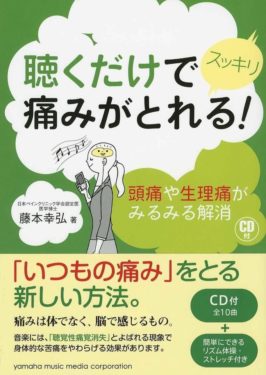
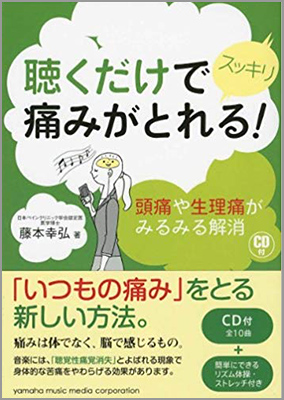
2010年。YAMAHA出版から刊行された拙著『聴くだけで痛みが取れる』。CD付きという、今となっては少し懐かしい形態でした。

発売後しばらくしてから「ほんまでっか!?TV」で取り上げていただき、さらにユニバーサルミュージックから“スッキリ・クラシック”が6作連続で世に出ることになった——あれは、医学と音楽が初めて大きく交差した瞬間を、自分自身が目撃した時代でもありました。

しかし、ページを開き直してみると、15年という時間が静かに問いかけてきます。

「医学は進歩している。お前もアップデートできているか。」
そう痛感させたのは、科学そのものの変化でした。

21世紀に入り、ファンクショナルMRI(fMRI)が登場し、脳の領域ごとの血流変化をリアルタイムで“見える化”できるようになった。この技術革新によって、それまで主観的な言葉でしか捉えられなかった“痛みの軽減”が、客観的・定量的に評価できるようになったのです。

実際、疼痛関連領域(insula, ACC, thalamus)の活動が音楽聴取で低下することが報告され(Roy et al., Journal of Pain, 2008, 9:405–413)、さらに情動系が痛み知覚を制御する神経ネットワークが存在することも明らかになりました(Apkarian et al., Pain, 2005, 114:1–16)。

言い換えれば——

音楽は気休めではなく、脳科学の俎上に載った“生理的介入”となった。

2010年当時、私たちはその入り口に立っていたにすぎません。

そして今、再び振り返ると、あの本は“始まりの記録”だったのだと気づかされるのです。

新しい測定技術が現れた瞬間、医学は一段飛ばしで進化する。

その象徴がfMRIであり、痛みと音楽研究の夜明けでした。
さて——ここから先は、15年目の“続編”ともいえる物語です。

「痛みには、音楽が効く。そして《白鳥》は、その条件を満たしている。」

《白鳥》が“特定の痛み治療曲”として医学的に証明されているわけではない。しかし“痛みを軽減しやすい音響条件”を持つことは、科学的に説明できる。

では、証拠を旅のように辿っていきましょう。

1. 痛みを和らげるメカニズムは「自律神経」
痛みの強さは、
交感神経(緊張) ↑ で痛みが増し、
副交感神経(リラックス) ↑ で痛みが減る。
Villemure C, Bushnell MC.
Pain. 2009;141:221–224.
→情動的リラックスが痛み知覚を有意に低下。

《白鳥》は
ゆっくりしたテンポ(約66–72 bpm)
柔らかなチェロ音色
単旋律の滑らかなレガート
これらが副交感神経を優位にしやすい。
つまり痛みが「少なく感じられる」方向に働く設計です。

2. “遅いクラシック”は痛みを下げる
Cepeda MS et al.
Cochrane Database Syst Rev. 2017;CD004843:1–63.
→音楽は平均疼痛スコアを減少させ、鎮痛薬使用量も減らす傾向。
Garza-Villarreal EA et al.Front Neurol. 2014;5:304–312.
→テンポの遅いクラシック音楽は痛みと不安を有意に軽減。
《白鳥》はまさにこの条件そのもの。

3. チェロの低周波は「筋緊張」をゆるめる
チェロは100〜300Hzを中心とする低音楽器。
Koelsch S.Brain. 2014;137:2063–2074.
→低周波の穏やかな音響は筋緊張を低下させ、痛み知覚にも影響。
痛みの悪循環は
痛み → 筋緊張 → 血流低下 → さらに痛み
このループ。《白鳥》はその入口を緩める。

4. “映像性”が痛み回路を迂回させる
《白鳥》には、まるで湖上を滑る白鳥を思わせる情景性がある。
Mitchell LA et al.J Pain. 2006;7:819–826.
→心地よい音楽は痛み注意回路を迂回させ、痛みの主観を低下。
つまり脳が痛みに集中できなくなる=痛みが弱く感じる。

《白鳥》は痛み治療曲として公的に認定されているわけではない。

しかし、その音響特性は

副交感神経を優位にする
筋緊張を緩める
痛み注意をそらす
情動的安心感をつくる

という“痛み軽減の条件”をすべて満たしている。
医学的には、
「痛みを和らげやすい曲」
と言うのが最も正確。

痛みというのは、
「神経の興奮」「筋肉のこわばり」「心の緊張」
この3つが絡む“立体構造”。

クラシック音楽の中には、
その3つを同時にほどく“特別な設計”を持つ曲がある。
では1曲ずつ、医学的・感覚的にわかりやすく解説しましょう。

① サン=サーンス《白鳥》
① チェロの低い音が筋肉をゆるめる
身体は低音を「安心」として感じやすく、肩や首の緊張がほどけやすい。
② 滑らかな旋律が呼吸を深くする
レガート(途切れない流れ)は自然と息がゆっくりになる。
③ 情景が穏やかで心が静まる
湖を滑る白鳥のようなイメージが“不安の回路”を止めてくれる。

② ドビュッシー《月の光》
① ゆっくりしたテンポで心拍が落ち着く
心拍が整うと痛みの感じ方がやわらぐ。
② 音が薄い“空気感”が緊張をほどく
音の隙間が多く、聴き手に余白を与えてくれる。
③ 夜の静けさを思わせ、不安が減る
痛みは不安とセット。静けさは痛みを弱める。

③ バッハ《G線上のアリア》
① 同じリズムが「安心感」を作る
予測できるパターンは脳を落ち着かせる。
② 呼吸と歩調が合いやすい
身体全体がゆっくりモードに入る。
③ “祈り”のような静けさが心の緊張を鎮める
感情が騒がない状態は痛みを弱くする。

④ パッヘルベル《カノン》
① 繰り返しが心を安定させる
同じフレーズが戻ってくると、脳は安心する。
② 音の刺激が強くなく聴き疲れしない
余計な興奮が起きないので痛みが増幅しない。
③ 静かに包み込まれるような響き
痛みに向いていた注意が外側へ離れていく。

⑤ マスネ《タイスの瞑想曲》
① 息を吸って吐く動きに寄り添う旋律
自然と呼吸が深まり、身体が緩む。
② 甘く伸びる音が情緒を落ち着かせる
心に“安心成分”が増えるような感覚。
③ 内側へ意識が静かに向かう
痛みへの“集中”が解除される。

⑥ ペルト《鏡の中の鏡》
① 音が少なく脳が休まる
情報量が少ないほど神経は静まる。
② “静寂”そのものが薬になる
音と静けさのバランスが、深いリラックスを生む。
③ 時間がゆっくり流れる感覚
痛みは“時間の速さ”で強くなる。ゆっくりは鎮痛。

⑦ フォーレ《夢のあとに》
① 切なく柔らかい旋律が感情をほどく
涙が出そうな音は、逆に心を軽くする。
② 中低音中心で身体が緩む
耳に刺さらず、筋肉が反応しにくい。
③ “余韻”が神経の興奮を下げる
曲が終わっても静けさが残る。

⑧ ショパン《ノクターン Op.9-2》
① 夜の静けさのような雰囲気
痛みを刺激する“焦り”が溶けていく。
② 柔らかな旋律が安心感を育てる
安心すると痛みの“閾値”が上がる。
③ 呼吸が深くなり副交感神経が優位に
身体の緊張がほどける。

⑨ ラフマニノフ《ヴォカリーズ》
① 言葉がないことで脳が休まる
歌詞がない=余計な処理がいらない。
② 息づかいに似た流れが心を落ち着かせる
波のような揺らぎが緊張を抜く。
③ 包まれるような響きで痛みから意識が離れる
注意が外れるだけで痛みは弱くなる。

⑩ ラヴェル《亡き王女のためのパヴァーヌ》
① ゆっくりした揺れが心拍を落ち着かせる
心が静かになると痛みも静まる。
② 急に大きくならず神経が驚かない
刺激が少ないほど痛みは増えにくい。
③ “遠い記憶”のような静かな情景
感情のざわつきを優しく沈める。

終章──痛みと戦わず、距離を置く

痛みは“打ち負かす敵”ではない。
静かに距離を置き、神経の興奮を沈める対象だ。
その距離を生むのが、“ゆるやかな時間”である。
《白鳥》は、その時間をつくるための一曲であり、
医学と音楽が再び交差する現在地を示す、象徴のような存在なのだ。


Saint-Saëns’s The Swan and the “Neuroscience of Pain”

Back in 2010, my book Kiku dake de Itami ga Toreru (“Relieve Pain Just by Listening”) was published by Yamaha Music Media. It even came with a CD—something that already feels rather nostalgic now.

Some time after publication, it was featured on the TV program Honma Dekka!? TV, and soon after, Universal Music released six consecutive volumes of Sukkiri Classic. It was a period in which I was witnessing, firsthand, the moment when medicine and music intersected on a large scale for the very first time.

But when I open the book again, fifteen quiet years pose a question:

“Medicine has advanced. Have you updated yourself as well?”
What made me confront this question was the evolution of science itself.

With the arrival of functional MRI (fMRI) in the 21st century, we became able to visualize real-time changes in regional brain blood flow. Thanks to this technological leap, what had previously been grasped only through subjective reports—“reduction of pain”—could now be measured objectively and quantitatively.

Indeed, studies showed that activity in pain-related regions (insula, ACC, thalamus) decreases when listening to music (Roy et al., Journal of Pain, 2008, 9:405–413). It also became clear that there exists a neural network through which emotional systems regulate pain perception (Apkarian et al., Pain, 2005, 114:1–16).

In other words—

Music is not mere comfort. It is a physiological intervention placed squarely on the table of neuroscience.

Back in 2010, we were standing only at the entrance.

And now, looking back again, I realize that the book was a “record of beginnings.”

Whenever a new method of measurement emerges, medicine advances by a whole step.
fMRI symbolizes that leap—marking the dawn of pain-and-music research.

And from here begins what might be called the fifteenth-year sequel.


“Music alleviates pain. And The Swan meets the conditions for doing so.”

The Swan has never been formally certified as a medical pain-relief work.
However, it can be scientifically explained why it possesses “acoustic characteristics that make pain reduction more likely.”

Let us follow the evidence, as if traveling through a landscape.


1. The mechanism by which pain is eased: the autonomic nervous system

Pain intensity is influenced by:

  • Sympathetic activity (tension) ↑ → pain increases

  • Parasympathetic activity (relaxation) ↑ → pain decreases
    (Villemure C, Bushnell MC. Pain. 2009;141:221–224.)

→ Emotional relaxation significantly reduces pain perception.

The Swan features:

  • A slow tempo (approx. 66–72 bpm)

  • A soft, warm cello timbre

  • A single lyrical melodic line in smooth legato

These characteristics tend to shift the system toward parasympathetic dominance.
In other words, the music is “designed” to make pain feel less intense.


2. “Slow classical music” reduces pain

Cepeda MS et al.
Cochrane Database Syst Rev. 2017;CD004843:1–63.
→ Music decreases average pain scores and tends to reduce analgesic use.

Garza-Villarreal EA et al. Front Neurol. 2014;5:304–312.
→ Slow-tempo classical music significantly reduces pain and anxiety.

The Swan fits this profile exactly.


3. Low-frequency cello tones relax muscle tension

The cello is a low-pitched instrument, centered around 100–300 Hz.
Koelsch S. Brain. 2014;137:2063–2074.
→ Gentle low-frequency sound reduces muscle tension and influences pain perception.

The vicious pain cycle is:
pain → muscle tension → reduced blood flow → more pain
The Swan loosens the first link in this chain.


4. Imagery in the music bypasses pain circuitry

The Swan evokes the image of a swan gliding peacefully across a lake.
Mitchell LA et al. J Pain. 2006;7:819–826.
→ Pleasant music diverts attention away from pain circuits, reducing subjective pain.

When the brain cannot focus on pain, the pain is felt as weaker.


The Swan is not officially recognized as a therapeutic pain-relief piece.
But its acoustic properties—

  • Promote parasympathetic dominance

  • Release muscle tension

  • Divert attention away from pain

  • Create emotional safety

—fulfill all the known “conditions for pain reduction.”

Medically speaking, the most accurate description is:
“a piece that facilitates pain relief.”

Pain itself is a three-dimensional construct involving:

  • neural excitation

  • muscular tension

  • emotional stress

Among classical works, some pieces possess a “special design” that gently untangles all three at once.

Now let us explore each piece, both medically and experientially.


① Saint-Saëns — The Swan

  1. The cello’s low pitch relaxes muscles

  2. The smooth melodic flow deepens breathing

  3. Gentle imagery calms anxiety circuits

② Debussy — Clair de Lune

  1. Slow tempo stabilizes heart rate

  2. Airy texture softens tension

  3. Night-like stillness reduces anxiety, easing pain

③ Bach — Air on the G String

  1. Predictable rhythmic patterns create a sense of safety

  2. Breathing and pacing naturally slow down

  3. Prayer-like calm quiets emotional tension

④ Pachelbel — Canon

  1. Repetition stabilizes the mind

  2. Mild, non-fatiguing sound prevents overstimulation

  3. The enveloping harmony draws attention away from pain

⑤ Massenet — Meditation from Thaïs

  1. The melody syncs with natural breathing patterns

  2. Warm, sustained tones soothe emotion

  3. Awareness gently turns inward, away from pain

⑥ Pärt — Spiegel im Spiegel

  1. Minimal sound gives the brain rest

  2. Silence itself becomes therapeutic

  3. Time feels slower—slowness is analgesic

⑦ Fauré — Après un rêve

  1. Tender, plaintive melody releases emotional tension

  2. Mid- to low-range sound relaxes the body

  3. Residual quiet lowers neural arousal

⑧ Chopin — Nocturne Op. 9 No. 2

  1. A nocturnal atmosphere dissolves urgency

  2. Gentle phrasing nurtures emotional safety

  3. Breathing deepens, enhancing parasympathetic activity

⑨ Rachmaninoff — Vocalise

  1. Wordless melody allows the brain to rest

  2. Breath-like waves calm the mind

  3. A surrounding resonance redirects attention from pain

⑩ Ravel — Pavane for a Dead Princess

  1. A slow, rocking motion steadies the heart

  2. No sudden volume changes—no neural “surprises”

  3. Quiet, distant imagery eases emotional turbulence


Epilogue — Not fighting pain, but placing distance

Pain is not an enemy to be defeated,
but a state from which we calmly create distance—
a matter of quieting neural excitation.

That distance is created by “unhurried time.”

The Swan is one piece that creates that time.
It stands as a symbol of where medicine and music meet once again.


遺伝子を信じすぎるな

ー遺伝子を、信じすぎるな。ー

1)1.2%しか違わないのに、未来は180度違った

ヒトとチンパンジーのゲノムを一塩基ごとに並べると、
違うのはたった約1.23%前後。
挿入・欠失まで含めてもせいぜい3〜4%。
つまり、98%以上は同じ設計図を持っている。

その事実にもかかわらず——
ヒトは都市、宇宙船、言語、文化を作り
チンパンジーは森で生き続けた

この分岐を生んだのは
DNAそのものではない。
環境、学習、協力、偶然、文化、選択。
遺伝子は未来を決めていない。

2)ネアンデルタール人とは「99.7%一致」

さらに極めつけはこれです。
ネアンデルタール人との違いは
0.12〜0.3%程度。
99.7〜99.9%は同じだった。

しかも現代人のゲノムの1〜2%には
ネアンデルタールの断片が残っている。
それでも彼らは滅び、私たちは残った。

未来を左右したのは、遺伝子ではなく、“生存戦略”そのもの。

3) 遺伝子検査が語れるのは「確率」だけ

現代の一般的なDNA検査は、
主に一塩基多型(SNP)をもとにリスクを推定する。
しかし多くの病気で——

糖尿病:遺伝が説明できるのは10〜20%
高血圧:20〜30%

うつ病:30〜40%
つまり、
半分以上は遺伝以外が支配している。
例外もある。
例えばBRCA1/2変異では
乳がんの生涯リスクが60〜70%に跳ね上がる。
しかしそれでも、“70%”は確率であって、決定ではない。
30%は発症しない。

4)では、未来は何で決まるのか?

病気は、
DNA × 環境 × 行動 × 偶然
で発症する。
遺伝はスタート地点であり、
ゴールを決める力はない。

5)そこで浮上するのが「mRNA」

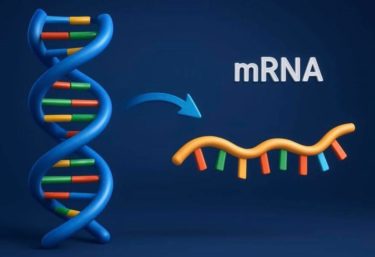
DNAが“設計図”だとしたら、
mRNAはその瞬間に読み上げられている命令書。
トランスクリプトーム解析とは、
体内で今どの遺伝子が動いているかを一斉に読み取る技術。
つまり、
身体の現在地をリアルタイムで可視化する方法。

6)病気は“静かに”発現パターンを変える

症状が出る前から、増殖系の遺伝子が数倍に跳ね上がる
免疫遺伝子が一斉に点火する
代謝系がゆっくり低下していく
mRNAは嘘をつかない。
だから——
病気が“始まった瞬間”に気づける可能性がある。
これはDNAではできない領域。DNAは一生ほぼ固定。
mRNAは分単位で動く。

7)何が現実的に可能になるのか?

がんの早期察知
“まだ見えない段階”の異常を捉える可能性。

再発リスクの分類
治療後の発現パターンから予兆を掴む。

治療が効くかどうかの予測
免疫療法の反応性を事前に推定できるケースがある。

病気の“型”を分ける
同じ病名でも分子の状態は違う。
診断の基準が変わる可能性がある。
つまり、
mRNAは診断を「未来型」に変える装置になりうる。

8)しかし、mRNAにも限界がある

mRNAは揺れる。
運動
食事
ストレス
睡眠

時刻
1日の中で数千遺伝子が増減する。
だから、
mRNAは“未来”ではなく“現在”しか語れない。
病気の“リスク”を断定することはできない。

結論

DNAは人生を決めない。
mRNAは未来を予言しない。
DNAは設計図。
mRNAは現在の状態報告。
どちらも“運命”ではなく、
判断材料にすぎない。
チンパンジーとは98%以上同じ
ネアンデルタールとは99.7%同じ
多くの病気は遺伝で10〜40%しか説明できない
mRNAは病気の始まりには気づける
未来を決めるのは環境・行動・選択
だからこそ言いたい。遺伝子を信じすぎるな。
“今”を知って、“未来”を変えろ。
1.2%の差で文明を築いた私たちは、
DNAの外側に未来を描ける種なのだから。


Don’t Put Too Much Faith in Your Genes.

1) Only 1.2% Difference—Yet Our Futures Split 180 Degrees

If you line up the genomes of humans and chimpanzees, base by base,
the difference is only about 1.23%.
Even including insertions and deletions, it’s just 3–4% at most.
In other words, over 98% of our blueprint is shared.

And yet—
humans built cities, spaceships, languages, and culture,
while chimpanzees continued to live in the forest.

What created this divergence
was not DNA itself.
It was environment, learning, cooperation, chance, culture, and choices.
Genes did not decide the future.


2) Neanderthals: A 99.7% Match

And here’s the clincher:
The genetic difference between us and Neanderthals
is only 0.12–0.3%.
Meaning 99.7–99.9% was identical.

Modern human genomes even retain 1–2% Neanderthal fragments.
Yet they went extinct, and we survived.

What determined the future
was not genes, but survival strategies.


3) Genetic Testing Can Only Tell You “Probabilities”

Modern consumer DNA tests estimate risk mainly from SNPs.
But for many diseases:

  • Diabetes: genetics explains only 10–20%

  • Hypertension: 20–30%

  • Depression: 30–40%

Meaning more than half is driven by non-genetic factors.

Yes, there are exceptions.
For example, BRCA1/2 mutations raise lifetime breast cancer risk to 60–70%.
But even then, “70%” is probability, not destiny.
30% never develop the disease.


4) So What Determines the Future?

Disease emerges from:

DNA × Environment × Behavior × Chance

Genes set the starting point,
but they do not fix the finishing line.


5) And This Is Where mRNA Comes In

If DNA is the blueprint,
mRNA is the set of instructions being read right now.
Transcriptome analysis can read which genes are active in the body—all at once.

In other words, it visualizes the body’s current state in real time.


6) Disease Quietly Changes Expression Patterns

Before symptoms appear:

  • proliferative genes spike several-fold

  • immune genes ignite all at once

  • metabolic pathways slowly decline

mRNA doesn’t lie.
Which means we might detect disease the moment it begins.
DNA cannot do this—DNA stays nearly the same for life.
mRNA shifts by the minute.


7) What Becomes Possible?

  • Early cancer detection
    Catching abnormalities before they become visible.

  • Recurrence risk classification
    Spotting early warning signs from post-treatment expression patterns.

  • Predicting treatment response
    In some cases, anticipating responsiveness to immunotherapy.

  • Subtyping disease
    Even with the same diagnosis, molecular states differ.
    Diagnostic criteria may fundamentally change.

In short, mRNA could become a tool that makes diagnosis truly future-oriented.


8) But mRNA Has Limits

mRNA fluctuates with:

  • exercise

  • diet

  • stress

  • sleep

  • medication

  • time of day

Thousands of genes rise and fall within a single day.

So mRNA describes the present, not the future.
It cannot determine long-term “risk” with certainty.


Conclusion

DNA does not decide your life.
mRNA does not predict your future.

DNA is a blueprint.
mRNA is a status report of the present.

Neither is destiny—
both are just pieces of information.

We share 98%+ with chimpanzees.
We share 99.7% with Neanderthals.
Most diseases are only 10–40% explained by genetics.
mRNA can detect disease at its earliest beginning.

The future is shaped by environment, behavior, and choice.

That’s why I say: Don’t believe too blindly in your genes.
Know your “now,” and change your “future.”
A species that built civilization from a 1.2% difference
can certainly shape a future beyond its DNA


カテゴリー