













TakahiroFujimoto.com

HOME MAIL
HOME PROFILE BOOKS MUSIC PAPERS CONFERENCES BLOG MAIL CLOSE

BLOG 藤本幸弘オフィシャルブログ

BLOG|ブログ

虫の声

夜の草むらに響くシンフォニー ― 虫の声のオーケストレーション

帰国したら一気に秋になっていた。

昨晩、コンサート帰りにほろ酔いで歩いていると、どこからともなく「リーン、リーン」という秋の調べが聞こえてくる。

耳を澄ませば、その背後には低く響く「ギーッギーッ」という低音と、かすかな「チンチロリン」という高音。

思えば古来、日本人は虫の声を“noise(雑音)”ではなく“music(音楽)”として聴いてきた。

西洋の人々が夜の虫を「静寂を破る音」と感じるのに対し、私たちは「静寂を彩る音」として心の内に受け入れてきた。

これは、脳の可塑性と文化的聴覚の融合が生んだ感性だろう。

まるでそれぞれが音域を分担しながら、夜の森全体をひとつのオーケストラとして演奏しているようだ。

■ 自然が生み出した音の「棲み分け」

実際、この響きの秩序には科学的な裏づけがある。

生態学には「音響ニッチ仮説(Acoustic Niche Hypothesis)」という概念があり、昆虫たちは互いの鳴き声が重ならないように、進化の過程で周波数帯を棲み分けてきたとされる(Riede, Journal of Animal Ecology, 1997, pp. 879–892)。

スズムシは6〜8kHzの澄んだ高音、コオロギは3〜6kHzの中音、
そしてクツワムシは2〜3kHzの低音を担当する。

これにより、同じ夜空の下でも彼らの声は混ざり合うことなく、立体的に響く。

自然界が作曲した「多声的生態系」——まさにそれは、生命の調和そのものだ。

■ 聴く側の脳が生む「調和」の幻影

さらに興味深いのは、人間の脳がこの音の重なりを“和音”として感じることだ。

京都大学の神経科学の研究(Takahashi et al., Neuroscience Letters, 2009, pp. 112–118)によると、倍音構造をもつ自然音を聴くと、脳の前頭連合野が“快”の感覚を伴って反応するという。

つまり、虫たちが無意識に奏でる声のハーモニーは、私たちの脳が「美しい」と感じる構造に偶然にも一致しているのである。

■ 音の生態系としての夜

夜の虫の合唱は、単なる音の重なりではない。

カネタタキの短い打音はリズムを刻み、スズムシは旋律を紡ぎ、クツワムシが低音の土台を支える。

それはバイオリン、フルート、チェロの関係に似ている。

さらにこの重層構造は、捕食者に対しての“音のカモフラージュ”としても機能する(Narins et al., Proc. R. Soc. B, 2004, pp. 125–132)。
つまり、自然界の音楽には、美しさと防御の二重構造があるのだ。

■ 結語 ― 自然という作曲家

虫たちは進化の中で、互いの声を聴きながら棲み分けを繰り返し、やがて「重ならない音の世界」を作り上げた。

それを調和として感じ取る人間の脳——。

この両者の間にある共鳴こそ、生命の音楽と呼ぶにふさわしい。

夜風が通り抜けるたび、音の層がわずかに揺れる。

それはまるで、自然という作曲家が指揮棒をそっと振るう瞬間のように思えた


A Symphony Resonating in the Night Grass — The Orchestration of Insect Voices

When I returned home, autumn had already arrived.

Last night, slightly tipsy after a concert, I was walking when I began to hear a faint “leen, leen” — the song of autumn — drifting from somewhere unseen.

As I listened more closely, I noticed a low “gee-gee” humming beneath, and a delicate “chin-chiro-rin” twinkling above it all.

It struck me that, since ancient times, the Japanese have not heard insect sounds as noise but as music.

While people in the West might perceive these nocturnal chirps as “sounds that disturb the silence,” we have come to accept them as “sounds that color the silence.”

Perhaps this sensibility was born from the fusion of neural plasticity and the cultural shaping of our hearing.

It is as if each insect takes on a specific tonal range, performing together as a single orchestra of the nocturnal forest.


The Natural Partitioning of Sound

In fact, there is a scientific basis for this order in sound.

In ecology, there is a concept called the “Acoustic Niche Hypothesis.”
It proposes that, through evolution, insects have come to occupy distinct frequency ranges so their calls do not overlap (Riede, Journal of Animal Ecology, 1997, pp. 879–892).

The bell cricket (suzumushi) sings in clear high tones around 6–8 kHz,
the field cricket (koorogi) in the middle range of 3–6 kHz,
and the katydid (kutsuwa-mushi) in the low range of 2–3 kHz.

Thus, even under the same night sky, their voices blend without interference, resonating in three dimensions.

It is a polyphonic ecosystem composed by nature itself — a true harmony of life.


The Illusion of Harmony Created by the Listener’s Brain

Even more fascinating is that the human brain perceives this layering of sounds as harmony.

According to a neuroscience study from Kyoto University (Takahashi et al., Neuroscience Letters, 2009, pp. 112–118),
when we listen to natural sounds that contain harmonic structures, the prefrontal cortex responds with sensations of pleasure.

In other words, the harmony unconsciously produced by insects happens to coincide with the very structure our brains interpret as “beautiful.”


The Night as an Acoustic Ecosystem

The chorus of insects at night is more than a mere overlap of sounds.

The clicking of the kanetataki keeps rhythm,
the suzumushi weaves melody,
and the kutsuwa-mushi supports it all with a deep, resonant foundation.

Their relationship is like that of violins, flutes, and cellos in an orchestra.

Moreover, this multilayered soundscape functions as an acoustic camouflage against predators (Narins et al., Proc. R. Soc. B, 2004, pp. 125–132).
Thus, the music of nature embodies both beauty and defense — an elegant dual structure.


Epilogue — Nature, the Composer

Through countless generations, insects have evolved by listening to one another, dividing their sonic space, and eventually creating a world of sounds that never overlap.

And humans, in turn, perceive that separation as harmony.

The resonance that arises between these two — the insects and our own perception — is nothing less than the music of life.

Each time the night breeze passes, the layers of sound tremble ever so slightly.

It feels as though the great Composer called Nature is gently lifting its baton to conduct the symphony once more.




自律神経にいいこと

新国際学会周遊記

「自律神経を整える食の科学 ― オンとオフを切り替える食材選び」

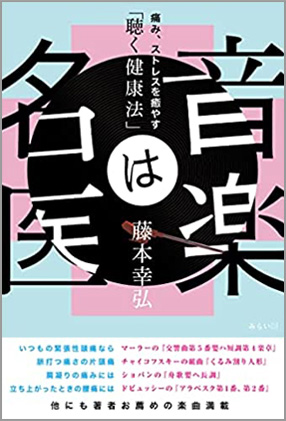
先日、取材を受けた雑誌が送られてきました。テーマは「自律神経の働きに良い食材」について。

体調をオンにしたいとき、あるいはオフにしてリラックスしたいときに、どのような食材を摂れば良いか──そんな実践的な視点からまとめています。

僕が最初に英文論文を書いたのは1999年。テーマはまさに「自律神経」でした。

あれから四半世紀。レーザー医療や再生医療、光刺激による神経制御の研究を経て、今回は栄養学との接点からこのテーマを再び取り上げる機会をいただいたのは、何か不思議な縁を感じます。

自律神経と食のバランス

交感神経が優位な「オン」の状態では、エネルギー代謝を高めるためにビタミンB群やカフェイン、カプサイシンなどを含む食材が効果的です。

一方で、副交感神経を高め「オフ」にしたいときには、トリプトファンやマグネシウム、GABAなどを多く含む食材が良いバランスをもたらします。

こうした食の選択が、自律神経のスイッチを柔軟に切り替える手助けとなるのです。

まさに“食による生理学的マインドフルネス”といえるかもしれません。

研究の原点に戻る感覚

今回の取材では、科学的エビデンスとともに、臨床現場での実感を織り交ぜてお話ししました。

自律神経という見えないネットワークが、光・音・食といった外界からの刺激とどう共鳴しているのか。

そのリズムを理解することが、現代人のウェルビーイングの核心につながると改めて感じます。

雑誌はすでに全国の書店やオンラインで入手可能とのこと。

よろしかったらぜひお読みくださいね。


The Science of Food for Balancing the Autonomic Nervous System — Choosing Ingredients to Switch Between ‘On’ and ‘Off’”

The magazine that recently interviewed me has just arrived.
The theme of the feature is “foods that support the function of the autonomic nervous system.”

When we want to switch our bodies on and be active—or off to relax—what kinds of foods are best to eat?
This article summarizes that question from a practical, science-based perspective.

The first academic paper I ever wrote—in 1999—was actually on this very topic: the autonomic nervous system.
A quarter century has passed since then.
After years of studying laser medicine, regenerative medicine, and neural modulation through light stimulation, it feels almost like fate that I’ve come full circle to revisit this theme again, now from the perspective of nutrition science.


The Balance Between the Autonomic Nervous System and Food

When the sympathetic nervous system is dominant—the “on” state that activates energy metabolism—foods rich in B vitamins, caffeine, and capsaicin can be effective.

Conversely, when you wish to enhance the parasympathetic system and shift into an “off” or relaxed mode, foods containing tryptophan, magnesium, and GABA help bring balance.

Choosing such ingredients allows us to flexibly switch the body’s autonomic “modes.”
It could even be described as a kind of “physiological mindfulness through food.”


Returning to the Roots of My Research

In this interview, I spoke about both scientific evidence and clinical experience—how this invisible network of the autonomic nervous system resonates with external stimuli such as light, sound, and food.

Once again, I was reminded that understanding this rhythm may be the key to modern human well-being.

The magazine is now available at bookstores nationwide and online.
If you have a chance, I hope you’ll take a look.


自律神経にいいこと100

「自律神経を整える食の科学 ― オンとオフを切り替える食材選び」

先日、取材を受けた雑誌が送られてきました。テーマは「自律神経の働きに良い食材」について。

体調をオンにしたいとき、あるいはオフにしてリラックスしたいときに、どのような食材を摂れば良いか──そんな実践的な視点からまとめています。

僕が最初に英文論文を書いたのは1999年。テーマはまさに「自律神経」でした。

あれから四半世紀。レーザー医療や再生医療、光刺激による神経制御の研究を経て、今回は栄養学との接点からこのテーマを再び取り上げる機会をいただいたのは、何か不思議な縁を感じます。

自律神経と食のバランス

交感神経が優位な「オン」の状態では、エネルギー代謝を高めるためにビタミンB群やカフェイン、カプサイシンなどを含む食材が効果的です。

一方で、副交感神経を高め「オフ」にしたいときには、トリプトファンやマグネシウム、GABAなどを多く含む食材が良いバランスをもたらします。

こうした食の選択が、自律神経のスイッチを柔軟に切り替える手助けとなるのです。

まさに“食による生理学的マインドフルネス”といえるかもしれません。

研究の原点に戻る感覚

今回の取材では、科学的エビデンスとともに、臨床現場での実感を織り交ぜてお話ししました。

自律神経という見えないネットワークが、光・音・食といった外界からの刺激とどう共鳴しているのか。

そのリズムを理解することが、現代人のウェルビーイングの核心につながると改めて感じます。

雑誌はすでに全国の書店やオンラインで入手可能とのこと。

よろしかったらぜひお読みくださいね。


ティアラこうとう

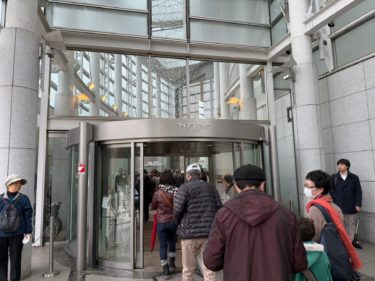
今日は雨の中江東区のティアラこうとう大ホールへ。

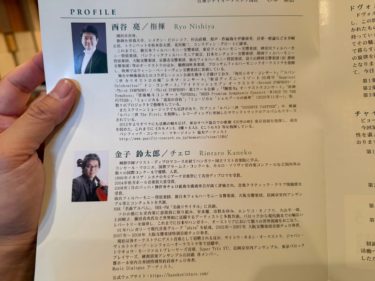
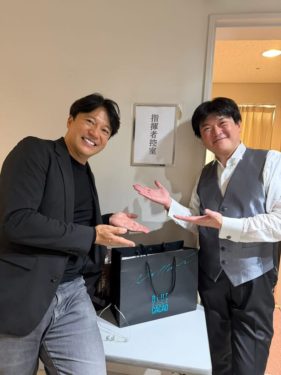
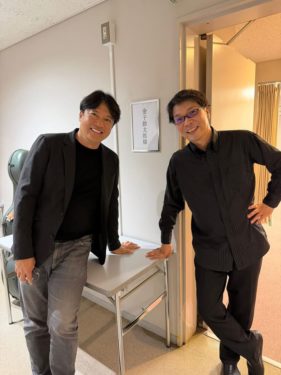
チェロとワインの会のチェリスト、金子鈴太郎君がソリストでドヴォルザークのチェロ協奏曲を演奏するというので、江東シティオーケストラの演奏で聴きに行ってきました。楽屋では、先日もチェロとワインの会に足を運んでくれた指揮者の西谷亮さんにもご挨拶。

アマチュアのオーケストラでしたが、本番で皆をまとめ上げるのは指揮者の腕だなあ。

僕も大好きなドヴォルザークのチェロ協奏曲。単なる技巧の競演ではなく、作曲家の人生そのものを語る音楽。チェコの大地への郷愁、失われた恋への追憶、そして人間の尊厳への祈り。チェコは僕も何度も足を運んだ場所だからこそ、理解できるものもありました。最後のアンコールはホルストの惑星の終章。悲壮の終幕での、気持ちの切り替えが出来ました。

やはりクラシック音楽は素晴らしいですね。

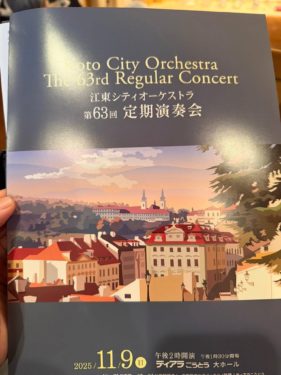
Koto City Orchestra The 63rd Regular Concert 江東シティオーケストラ 第63回定期演奏会

モーツァルト /歌劇「劇場支配人」序曲 W.A. Mozart / “Der Schauspieldirektor” K. 486 Overture Program

ドヴォルザーク / チェロ協奏曲 ロ短調 A.Dvořák / Concerto for Violoncello and Orchestra in B minor Op. 104

チャイコフスキー/ 交響曲第6番「悲愴」 P.I.Tchaikovsky/SymphonyNo. No. in B minor Op. Op.74 “Pathétique”


Today, despite the rain, I went to the Tiara Koto Grand Hall in Koto City.

Cellist Rintaro Kaneko, a member of the Cello and Wine Society, was performing as a soloist in Dvořák’s Cello Concerto, accompanied by the Koto City Orchestra. I went to hear the performance, and backstage I had the pleasure of greeting Maestro Ryo Nishitani, the conductor, who had also attended a recent Cello and Wine gathering.

Although the orchestra is an amateur one, it’s truly the conductor’s skill that brings everyone together in the actual performance.

Dvořák’s Cello Concerto is one of my all-time favorites. It’s not merely a display of virtuosity—it’s music that tells the story of the composer’s own life: nostalgia for his Czech homeland, memories of lost love, and a prayer for human dignity. Having visited the Czech Republic many times myself, I could deeply relate to these emotions.

For the encore, they performed the final movement from Holst’s The Planets. It was the perfect piece to help transition from the tragic ending of Pathétique to a sense of closure.

Classical music truly is magnificent.


Koto City Orchestra – The 63rd Regular Concert
Program

  • W.A. Mozart / “Der Schauspieldirektor” K.486 Overture

  • A. Dvořák / Concerto for Violoncello and Orchestra in B minor, Op.104

  • P.I. Tchaikovsky / Symphony No.6 in B minor, Op.74 “Pathétique”


昭和100年史の会

新国際学会周遊記・立法篇

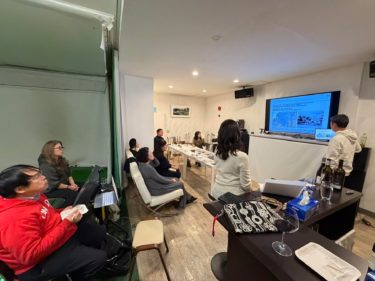
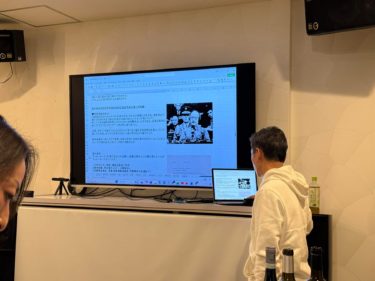
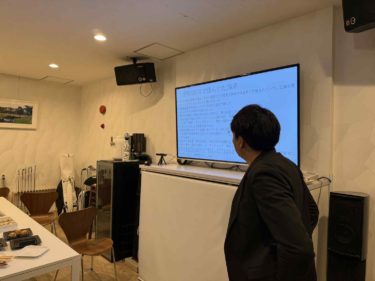
昨晩は昭和100年史の会。

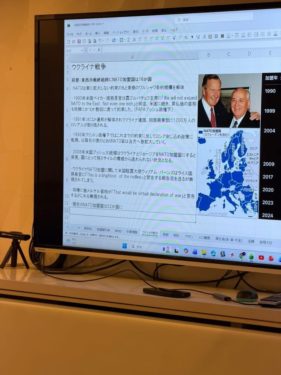
日本を復活させるために若者に聞いて欲しくて始めた会ですが、1926年の昭和元年から現代まで、おさらいが終了しました。

僕も合計140枚あまりプレゼンの原稿を作り、歴史を学び直し、下準備をしてこの会に臨みました。今まで気づかずにいた現代史の謎解きは、自分にとっても糧となりました。

一緒に素晴らしい講演していただいた、加賀学社長、田村忠志社長、坂口大輔先生にも感謝申し上げます。

僕は今回の講演の最後に、日本を取り戻すための十五の法案を提案する事で締めくくりとしました。

科学と倫理で主権を再構築せよ

Ⅰ.国家情報安全保障法 ― スパイ防止と情報主権の確立
目的:知の防衛と倫理的管理
日本はG7で唯一、包括的スパイ防止法を持たない。
産業・学術・AI分野の機密流出を防ぐため、経済安全保障情報保護法を制定。外国勢力との資金・研究関係を透明化し、機密提供を刑罰化。AIモデルやアルゴリズムも国家資本として保護する。

Ⅱ.外国資本土地取引管理法 ― 領土主権と水資源の保護
目的:国土の安全保障と生態系防衛
北海道・沖縄・長崎などで進む外国資本買収を抑止。
「重要土地等調査法」を改正し、購入段階の審査制・水源地取得禁止・仮想空間土地管理(メタバース領土)を導入。
AI地図監視システムで防衛施設周辺を常時モニタリング。

Ⅲ.医療財政安定化法 ― 公平と持続可能性の再構築
目的:社会契約としての医療制度改革
外国人短期滞在者の事前保険加入義務化。
在留資格に応じた医療負担率を段階化。
AIによる不正請求監視と医療財政の可視化。
再生医療や遺伝子医療の倫理審査を国家法制化。

Ⅳ.AI倫理法 ― 人間の尊厳を守る法的枠組み
目的:アルゴリズム社会での人間中心主義の確立
AIによる採用・診断・判決に「人間最終承認原則(Human-in-the-loop)」を義務化。
生成AIの出所表示、ディープフェイクへの刑罰。
AI倫理監査官制度の創設。

Ⅴ.教育主権法 ― 国家の記憶と知的自立の回復
目的:思考する国民と文化的自覚の育成
戦後教育の空洞化を是正。
主権・安全保障・国史教育を再構築。
教員採用に国史・公民試験を義務化。
倫理・哲学教育を公教育へ導入。

Ⅵ.経済安全保障強化法 ― 国富流出を防ぐ防衛経済構造
目的:技術・人材・資本の三位一体保護
半導体・量子・医薬分野の海外資本規制。
国家安全保障会議下に技術投資審査機構(Tech CFIUS)設置。国内回帰型製造への税制優遇。

Ⅶ.人口再生法 ― 出生率2.0への国家宣言
目的:人口減少を安全保障課題として扱う
AIによる家庭支援システム(Smart Family Credit)導入。
結婚・出産・住宅支援の一本化。出生率目標を法律で定め、「人口非常事態宣言」発令制度を設ける。

Ⅷ.移民統合法 ― 文化統合と治安維持
目的:受け入れと秩序の両立
受入職種別上限・言語教育義務化・偽装在留刑罰強化。
移民二世教育支援と社会統合プログラム。

Ⅸ.宗教法人透明化法 ― 政治と信仰の境界再設定
目的:公益と信教の調和
宗教法人の会計外部監査義務化。
政治活動・献金の年次報告義務。
公益法人認定基準の見直し。

Ⅹ.食料安全保障法 ― AI備蓄国家構想
目的:自給率70%・食料主権の回復
AIによる需給自動管理。
海洋農業・都市農業への税制優遇。
遺伝子編集食品の倫理規制とラベル制度。

Ⅺ.防災・インフラ強靱化法 ― 国家レジリエンスの新設計
目的:地震・気候変動・サイバー攻撃への統合防衛
スマート防災都市(Resilient Smart City)構想の法制化。
AIによる災害予測ネットワークの国家運用。
公共インフラ維持費の透明化とPFI改革。

Ⅻ.司法改革法 ― 真実と信頼を取り戻す司法
目的:人権と国益を両立させる裁判制度へ
裁判のAI解析補助制度導入。
司法官倫理・天下り規制強化。
刑法・民法のデジタル時代対応(データ損害・AI責任)。

XIII.サイバー防衛法 ― 電子的主権の確立
目的:AI・量子時代の新しい国防
サイバー空間を「第五の戦場」と定義。
AI攻撃・量子通信遮断への防衛体制を法制化。
自衛隊に「情報防衛軍」を創設。

XIV.地方再生法 ― 地域主権と分散社会の実現
目的:東京一極集中からの脱却
地方にAI・医療・教育インフラを移設。
地域通貨・ブロックチェーン行政を導入。
地方大学・産業連携による独立経済圏の形成。

XV.文化・芸術保護基本法 ― 精神的主権の回復
目的:文化を経済から解放し、国家の美学を再生
芸術・音楽・建築を国家戦略と位置付ける。
文化庁を「創造省」に格上げ。
若手芸術家への社会保障整備。

結語:国家とは「身体」であり、「記憶」であり、「志」である。
その神経(情報)、皮膚(土地)、血流(医療)、骨格(経済)、脳(教育)、心臓(家族)、魂(文化)をどう設計し直すか。

それが、日本再生の立法的挑戦でもあるのですよね。


Last night was the “Showa 100-Year History Forum.”

This forum began with the hope that young people would listen and learn, in order to help revive Japan.
We have now completed our review of modern Japanese history, from 1926—the first year of the Showa era—to the present day.

I prepared more than 140 presentation slides in total, re-studied history, and came well-prepared for each session.
Unraveling the mysteries of modern history, many of which I had not noticed before, has been a meaningful nourishment for me as well.

I would like to express my gratitude to Mr. Manabu Kaga, Mr. Tadashi Tamura, and Dr. Daisuke Sakaguchi, who all gave wonderful lectures alongside me.

At the end of this series, I concluded my talk by proposing Fifteen Legislative Bills to Restore Japan.


Reconstruct Sovereignty through Science and Ethics

I. National Intelligence and Security Act — Establishing Counterespionage and Information Sovereignty

Purpose: Defense of knowledge and ethical management
Japan is the only G7 country without a comprehensive anti-espionage law.
Enact an Economic Security and Information Protection Act to prevent leaks in industrial, academic, and AI sectors.
Mandate transparency in funding and research with foreign entities, criminalize unauthorized disclosure, and protect AI models and algorithms as national assets.


II. Foreign Capital Land Transaction Control Act — Protecting Territorial Sovereignty and Water Resources

Purpose: Safeguarding national land and ecosystems
Curb foreign acquisition of land in areas like Hokkaido, Okinawa, and Nagasaki.
Amend the “Act on the Review of Important Land, etc.” to introduce purchase-stage screening, prohibit acquisition of water sources, and manage virtual land (metaverse territories).
Use AI-based mapping systems to continuously monitor areas around defense facilities.


III. Medical Finance Stabilization Act — Reconstructing Fairness and Sustainability

Purpose: Reforming healthcare as a social contract
Require short-term foreign residents to obtain insurance in advance.
Adjust medical copayment ratios according to visa type.
Use AI to monitor fraudulent billing and visualize fiscal health.
Legalize national-level ethical review for regenerative and genetic medicine.


IV. AI Ethics Act — A Legal Framework to Protect Human Dignity

Purpose: Establishing human-centered principles in the algorithmic era
Mandate “Human-in-the-loop” final approval in AI-driven hiring, diagnosis, and judgment.
Require disclosure of AI-generated content and penalize deepfakes.
Establish a national AI ethics audit system.


V. Education Sovereignty Act — Restoring National Memory and Intellectual Independence

Purpose: Cultivating critical thinkers and cultural awareness
Correct the postwar hollowing-out of education.
Rebuild curricula in sovereignty, security, and national history.
Make exams in national history and civics mandatory for teacher recruitment.
Introduce ethics and philosophy into public education.


VI. Economic Security Enhancement Act — A Defensive Economic Structure to Prevent Wealth Outflow

Purpose: Integrated protection of technology, talent, and capital
Regulate foreign investment in semiconductors, quantum science, and pharmaceuticals.
Create a Tech CFIUS under the National Security Council to review technology-related investments.
Offer tax incentives for domestic manufacturing reshoring.


VII. Population Regeneration Act — A National Declaration for a Birthrate of 2.0

Purpose: Treating population decline as a national security issue
Introduce the Smart Family Credit AI support system.
Unify marriage, childbirth, and housing assistance.
Legally define a national fertility target and create a framework for declaring a “Demographic Emergency.”


VIII. Immigration Integration Act — Balancing Acceptance and Public Order

Purpose: Harmonizing inclusion with stability
Set occupational caps, require language education, and strengthen penalties for visa fraud.
Support education for second-generation immigrants and establish social integration programs.


IX. Religious Corporation Transparency Act — Redefining the Boundary between Faith and Politics

Purpose: Balancing public interest and freedom of religion
Mandate external audits of religious organizations.
Require annual reports on political activities and donations.
Revise certification standards for public-interest status.


X. Food Security Act — Toward an AI-Enabled National Reserve System

Purpose: Achieving 70% self-sufficiency and restoring food sovereignty
Use AI for automated supply-demand management.
Provide tax incentives for marine and urban agriculture.
Implement ethical regulations and labeling for gene-edited foods.


XI. National Resilience and Infrastructure Strengthening Act — Redesigning Disaster Preparedness

Purpose: Integrated defense against earthquakes, climate change, and cyberattacks
Institutionalize the Resilient Smart City concept.
Operate a national AI disaster prediction network.
Increase transparency of public infrastructure maintenance costs and reform the PFI system.


XII. Judicial Reform Act — Restoring Truth and Trust in Justice

Purpose: Balancing human rights with national interests
Introduce AI-assisted judicial analysis.
Strengthen ethics and anti-“amakudari” rules for judicial officers.
Modernize civil and criminal codes for the digital age, including data damage and AI liability.


XIII. Cyber Defense Act — Establishing Electronic Sovereignty

Purpose: New national defense for the AI and quantum era
Define cyberspace as the “fifth battlefield.”
Legalize defenses against AI-based attacks and quantum communication disruption.
Establish an “Information Defense Force” within the Self-Defense Forces.


XIV. Regional Revitalization Act — Realizing Local Sovereignty and a Decentralized Society

Purpose: Breaking free from Tokyo centralization
Relocate AI, medical, and educational infrastructure to regional areas.
Introduce local digital currencies and blockchain governance.
Build independent regional economies through university–industry collaboration.


XV. Fundamental Act for the Protection of Culture and the Arts — Restoring Spiritual Sovereignty

Purpose: Liberating culture from the economy and reviving national aesthetics
Position art, music, and architecture as national strategies.
Elevate the Agency for Cultural Affairs to a Ministry of Creativity.
Establish social security programs for young artists.


Epilogue

A nation is its body, its memory, and its aspiration.
Its nerves (information), skin (land), blood (healthcare), skeleton (economy), brain (education), heart (family), and soul (culture)—how we redesign these will define our legislative challenge for the revival of Japan.


カテゴリー