













TakahiroFujimoto.com

HOME MAIL
HOME PROFILE BOOKS MUSIC PAPERS CONFERENCES BLOG MAIL CLOSE

BLOG 藤本幸弘オフィシャルブログ

BLOG|ブログ

EM FACE

クリニックFで今年大変人気だった機器がエムフェイスです。結果も良く出ています。


患者さんへご説明している内容をHPにも掲載しようと思いながら、今年は忙しい一年となりアップに至らないまま年の瀬を迎えることになりそうなので、ひとまずこちらでシェアしますね


【エムフェイスについて】

▪️シンクロ波とHIFES™︎の同時効果

エムフェイスの特徴は、シンクロ波とHIFES™︎を2in1で同時に照射する技術です。1つのアプリケーターに2つの技術が含まれるこの技術は、世界各国で特許ポートフォリオを形成しています。この同時に照射を行うことによって顔の筋肉構造の強化のみならず、顔の軟部組織を支える筋膜全体への影響や、肌質および滑らかに改善するなどの効果が得られます。

▪️シンクロ波
モノポーラRFがHIFES™︎(後述)と同時に照射されるのが、シンクロ波によるアプローチです。ダイナミックインピーダンス技術によってアプリケーター全体からRFが照射され、標的となる顔の組織層を均一に加熱します。

具体的には、真皮 40〜42℃、脂肪(皮下組織)40〜42℃、筋肉、39.5〜40℃と、層に応じた熱が入っていきます。額と頬の施術においては、このシンクロ波は主に肌の若返りを目的としており、皮膚を再構成しながらも、アポトーシスレベルを下回る最小限の脂肪加熱を実現する低出力で設定されています。

下顎に関しては、二重顎の悩みに対応すべく脂肪組織をアポトーシスのレベルまで加熱できる高出力に設定し、皮膚のリモデリングと同時に脂肪破壊することも目的としています。

熱が入ることによる引き締まりは即時的にも感じられますが、シンクロ波によってコラーゲンとエラスチンの再構成によって肌質が改善し、実際のエビデンスでは最終治療の2ヶ月後によりしっかりとした変化が示されます。

▪️HIFES™︎

もう一つの特徴は、繊細な顔の筋肉を刺激するために設計されたHIFES™︎によるアプローチです。このシンクロ波とともに同時照射される高密度電界であるHIFES™︎ が、筋肉に対して単収縮ではなく、超極大筋収縮をもたらします。

HIFES™︎ の技術では、運動ニューロンの膜の脱分極を誘導します。この信号はニューロンに沿って筋肉に伝達され、その結果筋収縮がもたらされるのです。
実際のHIFES™︎ 施術においては、周波数250Hzで4つのステップから成るサイクルを20分間で125回繰り返していきます。

▪️HIFES™︎とHIFEM™︎の比較

顔には表情をコントロールするために20種類の筋肉が存在しています。BTL社の代表機器であるエムスカルプトにおけるHIFEM™︎と、このエムフェイスの特徴であるHIFES™︎は、前者が体、後者が顔の筋肉を対象としたものです。こうした筋肉をターゲットにしたエネルギー・デバイスにおいて、顔と体の筋肉の違いはどのように影響するのでしょうか?
HIFES™︎
・深達度:20mm(0.2cm)
標的となる導電性のある組織(神経繊維および筋肉)に左右される。

・作用機序:組織に直接電流を流し、筋肉の神経支配に影響を及ぼす。

・ターゲット:小さくて繊細な顔の表面を標的にする。
高い選択性があり、アプリケーターは特定の筋肉を標的にするために設計されている。

HIFEM™︎:

・深達度:7〜10cm
・作用機序:筋肉に二次電流を誘発する。
・ターゲット:分厚い脂肪層を通過し、深部の筋肉全体に到達する。
広範囲の電磁波が筋肉群全体に影響を及ぼすようにデザインされている。

エムスカルプトがターゲットとする体の筋肉はどれも大きく、標的とされる中でも最も大きな大臀筋は約18mm、最も小さな筋肉でも約10mmの厚さがあります。それに対して、エムフェイスが狙う顔の筋肉は、小さく繊細です。最も小さな筋肉の厚みは約0.5mmで、標的となる筋肉の中で最も大きな筋肉である大頬骨筋も約3.6mmの厚さです。

エムフェイスの施術は、体に対して行うエムスカルプトと同様に、対象の筋肉において超極大収縮をもたらします。その結果、筋タンパク質の合成が促進され、筋線維が再生され、それによって顔の筋肉における密度や質などの状態が改善されるのです。

また、うまく働かずに休止状態にある筋肉を引き締め、機能を向上させます。つまり、年齢と共に萎縮や拘縮が起きてしまった筋肉が、ふっくらとして動きを取り戻します。

このようにして、筋肉が若返ることで皮膚のサポート力も改善し、筋肉の引き締め率がプラス30%、さらにプラス23%のリフトアップ(いずれも平均値)が見込めるのがHIFESの技術によるエムフェイスの効果です。

▪️EMS(Electromagnetic Muscle Stimulation)について
近年、Electromagnetic Muscle Stimulation(電磁気筋刺激、EMS)つまり、電磁場を利用して筋肉を強制的に収縮させる技術が、医療や美容、リハビリテーション、スポーツパフォーマンス分野で使われています。EMSの一言でくくることも多いと思いますが、実際には以下の7種類に分けて説明すると理解しやすいでしょう。

1. 高強度焦点電磁場刺激(HIFEM™︎)
特徴:高強度の電磁場を焦点的に筋肉へ照射し、超極大筋収縮(Supramaximal Contractions)を引き起こします。
用途:美容医療や体の引き締めに使われることが多く。筋肉強化と同時に脂肪分解を促進することが可能です。

2. 高強度焦点電気刺激(HIFES™︎)
特徴:高強度の電気刺激を使用して筋肉を収縮させます。電流が皮膚表面から伝わり、神経を介して筋肉に作用します。HIFEM™︎と違い、皮膚への刺激や感覚が強くなることが多いです。
用途:筋肉の収縮促進、局所的な筋力トレーニング、美容分野では筋肉の引き締め

3. 低周波電磁気刺激
特徴:比較的低い周波数を使用し、筋肉の神経に作用して収縮を促します。
用途:リハビリテーションや痛みの軽減、筋肉の緊張緩和。
例:スポーツ医学や理学療法で使われる低周波治療器。

4. 中周波電磁気刺激
特徴:低周波と高周波の中間にあたる周波数帯(1kHz前後)を使用します。皮膚抵抗が低くなるため、深部まで刺激が伝わりやすいです。工学的には中周波という概念はありませんので、メーカーなどで便宜上作られた言葉です。
用途:筋肉トレーニング、疲労回復、筋肉痛の緩和などに使われます。
例:EMSトレーニングスーツ や家庭用フィットネス機器。

5. 高周波電磁気刺激
特徴:高い周波数の電磁波を用いて、皮膚の表面ではなく筋肉や組織の深部まで直接刺激を与える。
用途:筋肉の引き締めやコラーゲン生成の促進、皮膚のタイトニングなど美容医療分野。
例:高周波EMS(ラジオ波併用) を用いた美容施術機器。

6. 神経筋電気刺激(NMES)
特徴:筋肉に加えて運動神経も刺激し、自然な筋肉の収縮に近い動きを促します。
用途:リハビリやスポーツトレーニングで使われ、筋力強化、機能回復のサポート。

7. パルス電磁場刺激(PEMF)
特徴:断続的なパルス波形の電磁場を使い、細胞の活動や血流の改善、組織修復をサポート。
用途:筋肉への刺激よりも、組織や細胞レベルの治癒効果を期待する用途で使用されます。

▪️エムフェイスとマイオカイン

エムフェイスは表情筋への電気刺激とRF(高周波)による皮膚の加温を組み合わせた、美容・医療分野で注目されている機器ですが、筋肉刺激=マイオカインという切り口から捉えると、「顔だけ」でも全身にポジティブな影響をもたらす可能性を示唆できます。

マイオカインは「骨格筋の収縮により分泌される生理活性物質」です。表情筋も厳密には皮筋と分類されるものの、多くは随意筋(自分の意思で動かせる筋肉)で、構造的にも骨格筋に類似した性質を持ちます。したがって、エムフェイスによって繰り返し収縮が引き起こされることで、局所的にマイオカイン様の分泌が誘導される可能性があります。
また、マイオカインの分泌は、局所の筋収縮にとどまらず、自律神経や脳、内分泌系といった全身のネットワークに働きかけることで健康効果をもたらします。
顔面は脳に近く、顔面神経・三叉神経などを通じた中枢刺激が得られやすいため、エムフェイスによる表情筋へのアプローチも、認知機能の向上・ストレス軽減・自律神経の調整などに寄与する可能性があると考えられます。
これらを考えた時、エムフェイスのマイオカン的な効果は以下のように考えられます。

・認知機能・メンタルケア:
脳と筋肉の相互作用(筋肉からのフィードバック)に注目すると、表情筋刺激により、脳内神経ネットワークが活性化します。特に笑顔に関わる筋肉を刺激することで、セロトニンやドーパミンの分泌が促進される可能性があります。
免疫機能への影響:
表情筋の収縮が全身の筋連鎖に影響し、自律神経のバランス改善し、特に副交感神経優位になることで、回復力が高まる可能性があります。さらに免疫力の調整も期待されます。

代謝の活性化:
表情筋を刺激することで、顔面の血流・リンパ循環が促進します。結果として顔という局所から全身代謝にも波及効果が生まれることがあります。

このようにエムフェイスは「顔だけなのに、全身に響く」医療機器でもあります。マイオカインの分泌や神経・ホルモン系への刺激を通じて、全身の健康維持にも貢献する可能性があります。エムフェイスは美容機器としての枠を超え、健康やウェルビーイングに寄与する新しい「フェイス・トレーニング」の一つとして語ることができるのではないでしょうか。

▪️エムフェイスによる非侵襲リジュビネーションの可能性

エムフェイスは、“針を使わない” “打たない” 次世代のエイジングケアとして注目されています。

世界において、ボツリヌストキシン製剤による治療は年間およそ620万回、ヒアルロン酸などのフィラー注入は400万回にものぼり、美容医療市場の中でも代表的な施術として広く普及しています。特に20〜30代の若年層が初めて美容医療に踏み出すきっかけとして選ばれることが多く、シワ予防や輪郭形成といった目的で定期的に受けられています。

しかし、本格的なエイジングが始まる40代に差し掛かる頃には、ボツリヌストキシンに対する耐性が形成されてしまい、「効かなくなってきた」「表情が固まるようになった」「違和感のある仕上がりが気になる」といった声も少なくありません。ヒアルロン酸に関しても、過度な注入によるボリュームの不自然さが課題となるケースが見受けられます。

エムフェイスは、皮膚を傷つけることなく、表情筋の深層部にアプローチする電気刺激(HIFES™︎)と、肌のハリ・弾力を高めるRF(高周波)を同時に照射することで、筋肉と肌の両方に自然な若返り効果をもたらします。これにより、単に「シワを止める」「へこみを埋める」といった対症療法ではなく、“動きのある若々しさ”を土台から再構築するという新しいアプローチが可能になります。

また、ボツリヌストキシンやフィラーのように薬剤や物質を体内に注入しないため、耐性や副作用の心配が少なく、定期的なメンテナンスにも適しています。施術後すぐにメイクや外出が可能で、ダウンタイムもほとんどない点も、現代のライフスタイルにフィットするメリットの一つです。

自然な表情を損なうことなくリフトアップと輪郭補正が可能ですから、「美容医療には興味があるけれど、やりすぎにはなりたくない」「自然に若返りたい」と願う人々にとって、美と健康のバランスを取った賢い選択として、ますます支持を集めていくことでしょう。


About EMFACE

▪️Simultaneous Effect of Synchronized RF and HIFES™ Technology

The key feature of EMFACE is its 2-in-1 technology that delivers synchronized radiofrequency (RF) and HIFES™ simultaneously. Each applicator integrates both technologies, which together form a global patent portfolio.
By delivering energy concurrently, EMFACE not only strengthens facial muscular structures but also impacts the entire fascial layer that supports soft tissues, while improving overall skin quality and smoothness.


▪️Synchronized RF

In this approach, monopolar RF is emitted simultaneously with HIFES™ (explained below). Using Dynamic Impedance technology, RF energy is evenly distributed across the entire applicator, uniformly heating the targeted facial tissue layers.

Specifically, temperatures reach 40–42°C in the dermis and subcutaneous fat, and around 39.5–40°C in the muscles, according to tissue depth.
For the forehead and cheeks, Synchronized RF primarily promotes skin rejuvenation—set at low power levels sufficient to induce dermal remodeling while maintaining sub-apoptotic fat heating.

In contrast, treatment of the submental area (jawline) targets subcutaneous fat reduction, delivering energy at apoptotic thresholds to achieve simultaneous skin tightening and fat destruction.

While some immediate tightening is perceived due to thermal contraction, clinical evidence shows more significant improvement in collagen and elastin remodeling approximately two months after the final session.


▪️HIFES™

The second core technology of EMFACE is HIFES™ (High-Intensity Facial Electrical Stimulation), designed to stimulate delicate facial muscles. Delivered in tandem with Synchronized RF, this high-density electrical field induces supramaximal muscle contractions, rather than simple twitch contractions.

HIFES™ works by inducing depolarization of motor neuron membranes, transmitting signals through neurons to the muscles, thereby triggering powerful contractions.

A standard HIFES™ treatment operates at 250 Hz, performing a four-phase stimulation cycle repeated 125 times over a 20-minute session.


▪️Comparison Between HIFES™ and HIFEM™

There are about 20 facial muscles responsible for facial expressions.
While HIFEM™ (used in BTL’s EMsculpt) targets large body muscles, HIFES™ is optimized for the small, delicate muscles of the face.

HIFES™

  • Penetration depth: ~20 mm (0.2 cm), depending on conductive tissues such as nerves and muscles

  • Mechanism: Delivers direct electrical current, stimulating motor neurons and muscle fibers

  • Target: Small, superficial facial muscles; applicators are designed to selectively activate specific muscles

HIFEM™

  • Penetration depth: 7–10 cm

  • Mechanism: Induces secondary electrical currents within deep muscle tissues

  • Target: Large muscle groups beneath thick fat layers; broad electromagnetic fields activate extensive regions

Body muscles targeted by EMsculpt are much thicker—e.g., the gluteus maximus is ~18 mm, even the smallest targeted muscle is ~10 mm.
By contrast, facial muscles are much thinner and more refined—the smallest measures ~0.5 mm, and the largest (zygomaticus major) is about 3.6 mm thick.

Like EMsculpt, EMFACE induces supramaximal contractions, enhancing muscle protein synthesis and fiber regeneration, improving both muscle density and quality.

It also reactivates dormant muscles that have atrophied or lost tone with age, restoring fullness and movement.
Consequently, muscle rejuvenation enhances skin support, yielding on average +30% muscle tightening and +23% lift, based on clinical data from HIFES™ technology.


▪️About EMS (Electromagnetic Muscle Stimulation)

In recent years, Electromagnetic Muscle Stimulation (EMS) has been widely used in medicine, aesthetics, rehabilitation, and sports performance. Although “EMS” is often used as a general term, it can be categorized into seven distinct types:

  1. HIFEM™ (High-Intensity Focused Electromagnetic)

    • Feature: Focused high-intensity electromagnetic fields induce supramaximal contractions.

    • Use: Body contouring and muscle strengthening; also promotes fat breakdown.

  2. HIFES™ (High-Intensity Focused Electrical Stimulation)

    • Feature: Uses high-intensity electrical currents transmitted via the skin to nerves and muscles; may produce stronger surface sensations than HIFEM™.

    • Use: Localized muscle strengthening and facial toning.

  3. Low-Frequency Electromagnetic Stimulation

    • Feature: Acts on motor nerves with low frequencies to promote contractions.

    • Use: Rehabilitation, pain relief, and muscle relaxation.

  4. Medium-Frequency Electromagnetic Stimulation

    • Feature: Uses mid-range frequencies (~1 kHz) to penetrate deeper tissues more easily.

    • Use: Fitness training, recovery, and pain alleviation.

  5. High-Frequency Electromagnetic Stimulation

    • Feature: Penetrates deep tissues to stimulate muscles and collagen production.

    • Use: Skin tightening and rejuvenation treatments.

  6. NMES (Neuromuscular Electrical Stimulation)

    • Feature: Stimulates both muscles and motor nerves to mimic natural contractions.

    • Use: Rehabilitation and athletic conditioning.

  7. PEMF (Pulsed Electromagnetic Field)

    • Feature: Uses pulsed electromagnetic fields to enhance cellular repair and blood flow.

    • Use: Supports tissue healing rather than muscle activation.


▪️EMFACE and Myokines

EMFACE combines electrical muscle stimulation of facial muscles with RF-induced thermal effects, and may also promote myokine-like responses—suggesting potential systemic benefits even from localized facial treatment.

Myokines are biologically active molecules secreted by skeletal muscle contractions. Although facial muscles are classified as “cutaneous muscles,” they share many structural and functional similarities with skeletal muscle.
Thus, repetitive contractions induced by EMFACE could locally stimulate myokine-like secretion.

Myokines influence not only local muscle tissues but also systemic functions—through the autonomic nervous system, brain, and endocrine pathways—contributing to overall health.
Given the face’s proximity to the brain and its rich neural network (facial and trigeminal nerves), EMFACE stimulation may also enhance cognitive function, reduce stress, and balance autonomic activity.

Potential myokine-related benefits of EMFACE include:

  • Cognitive and mental wellness: Facial muscle activation enhances neural network activity; stimulating “smile muscles” may boost serotonin and dopamine release.

  • Immune modulation: Improved autonomic balance (parasympathetic dominance) enhances recovery and immune regulation.

  • Metabolic activation: Enhanced facial circulation and lymphatic flow may positively influence systemic metabolism.

Hence, EMFACE can be viewed as a facial treatment with whole-body benefits—potentially contributing to overall health and wellbeing through muscle-derived and neuroendocrine pathways.


▪️The Potential of Non-Invasive Facial Rejuvenation with EMFACE

EMFACE has gained attention as a next-generation, needle-free, non-injectable anti-aging treatment.

Globally, there are about 6.2 million botulinum toxin treatments and 4 million dermal filler procedures annually, making them the most common aesthetic interventions—especially among individuals in their 20s and 30s seeking wrinkle prevention or contour enhancement.

However, by the 40s, many patients develop resistance to botulinum toxin, reporting diminished efficacy, stiffness, or unnatural expressions. Similarly, excessive filler use can lead to unnatural facial volume or contouring.

EMFACE addresses these challenges by combining HIFES™ muscle stimulation and RF heating—without breaking the skin or injecting substances.
This dual action rejuvenates both muscle tone and skin elasticity, offering a natural, dynamic restoration of youthfulness rather than superficial correction.

Because EMFACE involves no drugs or foreign materials, it minimizes risks of resistance or adverse reactions, making it suitable for long-term maintenance.
Patients can resume makeup and daily activities immediately, with virtually no downtime—an advantage well-suited to modern lifestyles.

By allowing natural facial expressions while achieving lift and contour enhancement, EMFACE offers a balanced approach to beauty and wellness, appealing to those who wish to look naturally younger without overdoing aesthetic procedures.

髪の毛のiPS治療最前線

髪の毛のiPS治療最前線 ― 再生医療の夢と現実

最近、診療中の話題で、よく尋ねられる質問がある。
「先生、iPS細胞で髪の毛はもう再生できるのですか?」

——答えは、“まだ途中段階” である。
だが、確かにその夢は現実に近づきつつある。

◆ 毛包再生という夢

髪の毛を生み出す「毛包(hair follicle)」は、皮膚の中で最もダイナミックな再生器官のひとつだ。

2014年、大山学氏らはヒトiPS細胞から上皮系および間葉系細胞を誘導し、マウス皮膚に移植して毛包様構造を再構築することに成功した(J Invest Dermatol, 2014; 134: 605–609)。

また、科研費研究「ヒトiPS細胞由来上皮・間葉系細胞による毛包再生の試み」では、ヒト角化細胞との共培養によって三次元的な毛包組織の形成が報告されている。

毛髪が「作り出される」という概念から、「再構築される」段階へと、一歩進んだ瞬間だった。

◆ 技術の壁と現実的アプローチ

とはいえ、再生医療としての臨床応用にはいくつかの難関が存在する。

毛包は、上皮細胞と間葉細胞が精密に“対話”しながら立体構造を形成するため、細胞誘導のわずかなズレが結果を左右する。

さらに、iPS細胞には腫瘍化のリスクが残るため、完全に分化した安全な細胞を量産できる体制が求められる。

その一方で、美容・臨床領域では脂肪由来幹細胞やエクソソームなどを用いた準再生的治療が急速に発展している。

これらは成長因子やサイトカインを介して毛包環境を改善することが報告されており、毛周期の再始動を促すことが知られている。

だが、これらはあくまで“環境を整える治療”であり、毛包そのものを新生させるものではない。

◆ 光が照らすもう一つの道:レーザーによる毛包再生誘導

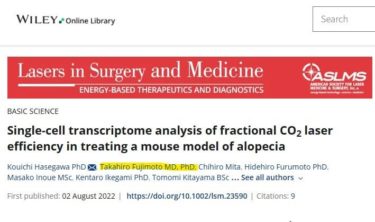
僕がここ数年取り組んできたのは、表記の論文の写真の通り、もうひとつのアプローチ——光による毛包再生のスイッチングである。

フラクショナルCO₂レーザーを用い、脱毛モデルマウスの皮膚に微細な熱損傷を与えることで、局所の免疫細胞がどのように反応するかを観察した。

その結果、15 mJ/spotという条件で深さ約500 μmのマイクロカラムを作ると、Ccr2陽性マクロファージが著しく増加し、線維芽細胞群が減少することを確認した。

このCcr2シグナルは、損傷誘導性毛再生におけるキープレイヤーとして知られており、マクロファージが周囲の毛包幹細胞を再活性化する。

実際、照射部位では新生毛の発毛が誘導され、毛周期が再びアナゲン期に移行していた。

さらに、ヒト真皮乳頭細胞を用いたin vitro実験では、同条件のレーザー照射によってミトコンドリア膜電位の上昇とチトクロームc酸化酵素の活性化を確認している(Lasers Surg Med, 2019; 51: 689–698)。

つまり、レーザーは光の刺激でミトコンドリアを活性化し、局所のエネルギー代謝を高めることで、幹細胞と免疫細胞の“会話”を促進しているのである。

◆ 光と細胞が描く「再生の方程式」

フラクショナルレーザーで誘導されたCcr2陽性マクロファージは、単なる炎症細胞ではない。

彼らは、再生の舞台を整える「指揮者」のような存在だ。

一方、活性化したミトコンドリアは、エネルギー供給と細胞内シグナル伝達の要として、再生のリズムを刻む。

この「免疫+代謝+光」の三位一体が、毛包再生の鍵を握っている。

つまり、iPS細胞が“外から新しい毛包を作る”のに対し、レーザーは“内なる毛包を再起動させる”技術なのである。

◆ 再生医療の未来へ

現在、京都大学iPS研究所では皮膚付属器官全体をオルガノイドとして再構築する研究が進み(Sci Adv, 2022; 8(16): eabn3233)、毛包を含む「皮膚オルガン再生」が現実味を帯びてきた。

それと並行して、私たち臨床医は光と免疫と代謝を軸に、既存の毛包を“再生の臨界点”へ導く研究を続けている。

再生医療の未来は、実は髪の毛一本の中に宿っている。
そしてその一本が、医療と工学、免疫と光、夢と現実をつなぐ“導線”なのかもしれない。

参考文献

Ohyama M et al. J Invest Dermatol. 2014; 134(3): 605-609.

Fujimoto T et al. Lasers Surg Med. 2019; 51: 689-698.

Inoue K et al. Int J Mol Sci. 2022; 23(14): 7841.

Li X et al. Cell Rep. 2020; 32: 108097.

Takebe T et al. Sci Adv. 2022; 8(16): eabn3233.


The Frontline of Hair Regeneration with iPS Cells

— The Dream and Reality of Regenerative Medicine —

Recently, a question often comes up during my clinical consultations:

“Doctor, can iPS cells already regenerate human hair?”

The answer is — we’re still in the middle of the journey.
But the dream is indeed drawing closer to reality.


◆ The Dream of Hair Follicle Regeneration

The hair follicle—the tiny organ that produces hair—is one of the most dynamic regenerative systems within human skin.

In 2014, Dr. Masakazu Ohyama and colleagues successfully induced both epithelial and mesenchymal cells from human iPS cells and reconstructed hair follicle–like structures after transplanting them into mouse skin (J Invest Dermatol, 2014; 134: 605–609).

Further, in a Grant-in-Aid–supported project titled “An Attempt at Hair Follicle Regeneration Using Human iPS-Derived Epithelial and Mesenchymal Cells,” researchers reported the formation of three-dimensional follicular structures through co-culture with human keratinocytes.

That moment marked a shift—from the concept of “creating hair” to “reconstructing the follicle itself.”


◆ Technical Barriers and Realistic Approaches

Despite this progress, several formidable challenges remain before clinical application can be realized.

Because follicle formation requires a precise “dialogue” between epithelial and mesenchymal cells, even a slight deviation in cell induction can alter the outcome.

Moreover, iPS cells still carry a risk of tumorigenesis, so a system capable of mass-producing fully differentiated, safe cells is essential.

Meanwhile, in cosmetic and clinical fields, quasi-regenerative therapies using adipose-derived stem cells and exosomes have rapidly developed.

These have been reported to improve the follicular microenvironment through growth factors and cytokines, helping to restart the hair cycle.

However, such therapies primarily optimize the environment—they do not generate new follicles themselves.


◆ Another Path Illuminated by Light:

Laser-Induced Hair Follicle Regeneration

In recent years, my own research has focused on another approach, as shown in the accompanying study images: activating follicle regeneration through light.

Using fractional CO₂ laser irradiation, I induced microthermal injury in the skin of depilated model mice and observed how local immune cells responded.

Under conditions of 15 mJ per spot, creating microcolumns approximately 500 μm deep, there was a marked increase in Ccr2-positive macrophages and a decrease in fibroblast populations.

The Ccr2 signaling pathway is known as a key driver of injury-induced hair regeneration, with macrophages reactivating surrounding follicular stem cells.

Indeed, new hair growth was observed in irradiated areas, with follicles transitioning back into the anagen phase.

Furthermore, in vitro experiments using human dermal papilla cells showed that the same laser conditions increased mitochondrial membrane potential and activated cytochrome c oxidase (Lasers Surg Med, 2019; 51: 689–698).

In other words, laser light activates mitochondria, enhances local energy metabolism, and facilitates the “conversation” between stem cells and immune cells.


◆ The Regenerative Equation of Light and Cells

Ccr2-positive macrophages induced by fractional laser treatment are not merely inflammatory cells—
they act as conductors that orchestrate the stage for regeneration.

Meanwhile, activated mitochondria serve as the heartbeat of the process, providing both energy and intracellular signaling.

This trinity—immunity × metabolism × light—holds the key to hair follicle regeneration.

In essence, while iPS cells aim to build new follicles from the outside, laser stimulation seeks to reactivate dormant follicles from within.


◆ Toward the Future of Regenerative Medicine

At Kyoto University’s Center for iPS Cell Research and Application (CiRA), scientists are now reconstructing entire skin appendages as organoids (Sci Adv, 2022; 8(16): eabn3233), making “skin organ regeneration,” including hair follicles, increasingly tangible.

In parallel, we clinicians continue to explore how light, immunity, and metabolism can guide existing follicles to their critical point of regeneration.

The future of regenerative medicine may, in fact, be hidden within a single strand of hair—
a filament that connects medicine and engineering, immunity and light, dreams and reality.


References

Ohyama M et al. J Invest Dermatol. 2014; 134(3): 605–609.
Fujimoto T et al. Lasers Surg Med. 2019; 51: 689–698.
Inoue K et al. Int J Mol Sci. 2022; 23(14): 7841.
Li X et al. Cell Rep. 2020; 32: 108097.
Takebe T et al. Sci Adv. 2022; 8(16): eabn3233.


iPhone17 Pro MAX

そういえば帰国後の写真がなかったので、スタッフが撮ってくれました。こちらもiPhone 17 pro MAXで相撮。ひるんでました。笑。


Didn’t have any post-return photos, so the staff took one for me!
Shot on iPhone 17 Pro Max (again).
I totally froze up in front of it  lol


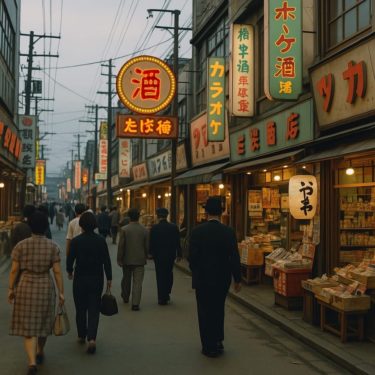
昭和っぽい

ーーー昭和っぽいとは?ーーー

2025年は昭和100年にあたる年でした。

今年の企画として、昭和100年史をさかのぼる会を7度も開催してきて、本日18時からが、その最終日となります。

1995年から2025年までの現代まで。一気に30年を扱います。

個人的には、記念すべき年に、日本という国家の成り立ちを再度、調べ、学ぶことができ、非常に有益でした。コロナ大過や、日米地位協定、ディープステートといったワードも、より深く理解することができました。

第一次世界大戦後、国際連盟に加入し、日本が世界の大国と認められるようになった頃に昭和が始まりましたが、100年となると世代も大きく変わり、変化も多々ありますよね。

今も「昭和っぽい」という言葉がありますが、いったいどういうのが昭和の概念だったのでしょうか?

少し考えてみました。

一、理不尽への耐性と「我慢の美学」

昭和の人々は、理不尽を受け入れ、耐えることを「強さ」と信じた世代でした。
会社では上司の怒号、学校では竹刀、家庭では沈黙。だがその背景には「社会の歯車として生き抜く」という共通の覚悟があった。

「理不尽は、鍛錬の一形態である」
そう信じて働いた人々の背中に、日本のインフラと技術は築かれた。

この「我慢の文化」は、現代では否定されがちですが、実は社会秩序を支えた心理的免疫でもありました。

二、勤勉と共同体 ― 「24時間戦えますか」

昭和のサラリーマンは、まさに“企業戦士”と呼ばれた。
家庭より会社が優先され、「終身雇用」「年功序列」という擬似的な“家族制度”の中で、個より集団が尊ばれた。

「みんなで汗を流すことが、成功の証」
そこには個人主義とは異なる“和”の倫理があった。

ただし、この共同体意識は1990年代以降に急速に解体し、いま「昭和っぽい」と言われる象徴的な懐かしさを生んでいます。

三、人情と義理 ― 「情けは人のためならず」

昭和の街には、まだ「顔の見える社会」があった。
八百屋、銭湯、近所の世話焼き――
“縁”と“情”が社会の潤滑油であり、口約束が信用となった時代。

「人は理屈よりも情で動く」
そうした情の連鎖が、経済と文化を温かく支えていた。

この“人間臭さ”こそが、いまSNSの匿名社会に疲れた若者たちに「昭和っぽい優しさ」として再評価されているのです。

四、匂いと音 ― アナログのぬくもり

「昭和っぽい」は、実は“感覚”でもあります。
畳の青い香り、白黒テレビのちらつき、銭湯の石けんの匂い、ラジオのノイズ。

どれもデジタルでは再現できない物質の記憶です。

「手で触れることが、実在を確かめる方法だった」

便利になった令和の暮らしの中で、アナログへの郷愁が“昭和らしさ”として蘇るのは、人間の感覚がまだ完全に電子化していない証拠でしょう。

五、夢と現実の混線 ― 「不器用な誠実さ」

昭和の人は「かっこよく生きる」より、「まっすぐ生きる」を選んだ。

恋愛も友情も、嘘がつけない不器用さがあった。
不完全なまま努力し、泥臭くも一途に進む――その姿が、いま再び「昭和っぽい」と形容される所以です。

「完全ではないが、誠実だった」
― それが昭和的ヒューマニズムの核心。

結語 昭和っぽいとは、魂がアナログであること

「昭和っぽい」という言葉の根底には、不完全さを受け入れる美学があります。

AIが完璧な計算をする時代に、人間の“間違い”遠回り”ため息”を愛おしいと思える感性。

それこそが、令和の私たちがもう一度取り戻すべき“人間の温度”なのかもしれません。


――What Does “Showa-esque” Mean?――

The year 2025 marks the 100th year of the Showa era.

As part of this year’s project, we’ve held a total of seven gatherings to trace back through the 100-year history of Showa, and today at 6 p.m. will be our final session.

From 1995 all the way to 2025—the final 30 years—we’ll cover them all in one go.

Personally, in this milestone year, revisiting and studying the formation of Japan as a nation has been incredibly valuable. I’ve gained a deeper understanding of terms such as the COVID-19 pandemic, the Japan-U.S. Status of Forces Agreement, and the so-called “Deep State.”

Showa began when Japan, after World War I, joined the League of Nations and was recognized as a major power on the global stage. But a hundred years later, generations have changed, and with them, so much else.

Even today, people say something feels “Showa-esque.”
But what exactly was the essence of the Showa spirit?

I’ve given it some thought.


1. Endurance in the Face of Unreason — The Aesthetics of Perseverance

People of the Showa era believed that accepting and enduring unfairness was a sign of strength.
At work, there were the boss’s shouts; at school, the teacher’s bamboo stick; at home, silent fathers.
Behind it all, however, was a shared determination: to survive as a cog in society’s great machine.

“Injustice is merely another form of training.”

With that belief, they built Japan’s infrastructure and technological foundation through sheer effort.

This “culture of endurance,” often criticized today, actually served as a kind of psychological immune system that maintained social order.


2. Diligence and Community — “Can You Fight for 24 Hours?”

The Showa-era salaryman was literally called a corporate warrior.
Work came before family. Within the pseudo-family systems of lifelong employment and seniority-based hierarchy, the group was valued above the individual.

“Sweating together is the proof of success.”

This was a moral code rooted in wa—harmony—distinct from Western individualism.

Yet, since the 1990s, that sense of community has rapidly dissolved, leaving behind the nostalgic warmth now referred to as “Showa-esque.”


3. Humanity and Obligation — “Kindness is Never Wasted”

In Showa-era neighborhoods, society still had a face.
The greengrocer, the public bathhouse, the meddling neighbor—
relationships and empathy were the lubricants of daily life, and a verbal promise was as good as a contract.

“People are moved more by feeling than by logic.”

This chain of human warmth sustained both the economy and culture.

It is precisely this “human touch” that young people, weary of today’s anonymous social media age, are now reappreciating as the gentle warmth of “Showa kindness.”


4. Scents and Sounds — The Warmth of the Analog World

“Showa-esque” is, in truth, a sensory experience.
The green scent of tatami mats, the flicker of a black-and-white TV, the soap smell of a public bath, the crackle of radio static—
these are memories embedded in physical matter that digital technology can’t replicate.

“Touching something with your hands was how you confirmed it was real.”

In our hyper-convenient Reiwa lifestyles, the nostalgia for the analog reflects a simple truth: our human senses have not yet been fully digitized.


5. The Blurred Line Between Dreams and Reality — Clumsy Sincerity

People of the Showa era chose to live not “coolly,” but “honestly.”
In love and friendship alike, they were awkward, unable to lie.
They struggled, worked hard, stumbled, and kept moving forward—
and that unpolished sincerity is precisely what we now describe as “Showa-esque.”

“Not perfect, but genuine.”

That is the heart of Showa humanism.


Epilogue — To Be “Showa-esque” Is to Have an Analog Soul

At its core, the phrase “Showa-esque” contains an aesthetic of imperfection.

In an age where AI calculates with perfect precision, it’s the ability to cherish human mistakes, detours, and sighs that keeps us truly alive.

Perhaps that is the “warmth of humanity” we, in the Reiwa era, must rediscover once again.


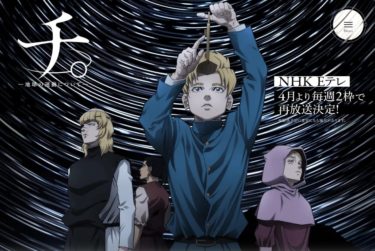
チ。を観て リ。の時代へ

理不尽が思考を止めるとき

――『チ。』を観て

帰国後の夜、以前漫画で読んだ

『チ。―地球の運動について―』をネットフリックスでアニメーションで観た。

サカナクションの「怪獣」。天才的な音楽で、一度も早送りせずに聞きましたが、そのテーマとともに、死を賭けても真理を追求したいと思う登場人物たちの気持ちに、胸の奥がじんと熱くなった。

思えば、理不尽なことほど、人間の思考とやる気を止めるものはない。

どんなに努力しても報われない。

どんなに正しくても認められない。

そんな現実に直面すると、誰もが無意識に「考えること」をやめてしまう。

けれど、歴史を振り返れば、理不尽の中でなお考え続けた人たちがいた。

彼らは沈黙ではなく、知をもって抗い、やがて時代を動かした。

『チ。』の登場人物たちは、その象徴のように見える。

今の政治を見ていると、あまりにも理不尽だと感じる。

説明のない政策、責任の所在が曖昧な決定、それらは人々の思考を奪い、無力感を植えつける。

だからこそ、高市首相の支持率が80%を超えるような事態になっている。

次の時代は「理」を取り戻す政治でなければならない。

理にかなう判断、理に基づく議論、理をもって人を導くこと。

それが、本来あるべき知のあり方だと思う。

理不尽の時代を越え、「理」の時代へ。

その始まりは、ひとりひとりが再び「考えること」からだ。


When the Absurd Brings Thought to a Halt

—After Watching Chi: On the Movements of the Earth

One night after returning to Japan, I watched Chi: On the Movements of the Earth on Netflix—an animated adaptation of the manga I had once read.

The theme song, “Kaiju” by Sakanaction, was sheer genius. I listened without skipping a single second. As the song played, I felt a quiet heat in my chest, stirred by the characters who were willing to risk their lives in pursuit of truth.

When I think about it, nothing stops human thought and motivation more completely than the absurd.

No matter how hard you work, you may not be rewarded.
No matter how right you are, you may not be recognized.

When faced with such reality, anyone would unconsciously stop thinking.

And yet, if we look back through history, there were always those who kept thinking even amid absurdity.
They did not choose silence—they resisted with knowledge, and in time, they changed the course of history.

The characters in Chi seem to embody that very spirit.

Watching today’s politics, I cannot help but feel the same sense of absurdity.
Policies are made without explanation.
Decisions are taken with no clear sense of responsibility.
Such actions rob people of the will to think and plant a deep sense of helplessness.

Perhaps that is why Prime Minister Takaichi’s approval rating has exceeded 80 percent.

The next era must be one in which reason is restored to politics—
decisions grounded in reason, debates guided by logic, and leadership founded on understanding.

That, I believe, is the true nature of knowledge.

Beyond an age of absurdity, toward an age of reason.
It all begins when each of us chooses, once again, to think.


カテゴリー