













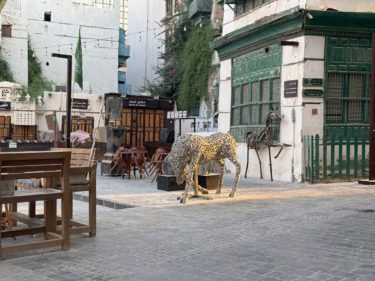
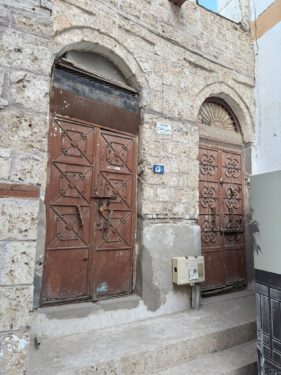
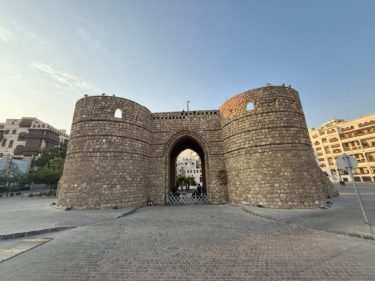
ジェッダ旧市街のアルバラード。
古い住居の大規模な建て替えが行われていました。街並みは大きく変わりそうですね。
Al-Balad, the old heart of Jeddah. The once weathered homes are being rebuilt on a grand scale — the face of the city is about to change



 藤本幸弘オフィシャルブログ
ジェッダ旧市街のアルバラード。
古い住居の大規模な建て替えが行われていました。街並みは大きく変わりそうですね。
Al-Balad, the old heart of Jeddah. The once weathered homes are being rebuilt on a grand scale — the face of the city is about to change
紅海に面したジェッダの新しい街。
A new district in Jeddah, overlooking the Red Sea


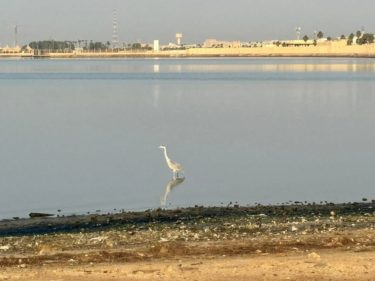

――「辛く、そして練られた食卓」イスラム圏の味覚文化論――
リヤドから紅海沿岸のジェッダへ。
砂漠の町を離れ、港町に漂うスパイスの香りに包まれると、旅の緊張がふっと緩む。
イスラム圏の食事と聞くと「辛い」「肉が多い」「練りものが多い」といった印象を持つ人も多いだろう。
だが、実際にその食卓に並ぶ料理を前にすると、それらの印象の裏にある“生きるための知恵”が見えてくる。
I. 香辛料という「防衛装置」
炎天下の国々では、冷蔵庫より先に香辛料が発明された。
クミン、カルダモン、ターメリック、コリアンダー。
これらは単なる味付けではなく、肉や魚の腐敗を防ぐ自然の抗菌剤だった。
唐辛子の辛味成分カプサイシンには抗菌作用があり、胃液の分泌を促す。
つまり「辛さ」は、暑さと戦うための生理的な武器だったのだ。
砂漠の中で汗を流し、塩を失う生活において、辛味はむしろ“生き返る味”でもある。
辛い食べ物を食べた瞬間に広がる発汗は、体温を下げるための巧妙な自己冷却装置。
宗教的戒律や地理的条件を超えて、身体そのものがその味を求める。
II. 練りものという「共同体の象徴」
もう一つの特徴は「練りもの」だ。
ケバブ、コフタ、ファラフェル、そしてフムス。
これらはすべて、細かく刻み、混ぜ、形を整えて焼くか揚げる。
羊や牛、ひよこ豆など、扱いやすく加工する工夫が積み重なった結果だ。
イスラムの戒律では、動物は「血を抜いて屠る」こと(ザビーハ)が求められる。
それゆえ、ひとたび肉を切り分ければ日持ちはしない。
だからこそ、練って焼き固め、家族や仲間と一緒に食べる文化が発達した。“練る”という動作には、人と人とが手を合わせるような象徴性がある。手で丸め、火を囲み、パンで掬って分け合う――そこには宗教を超えた「人間の原型的食事風景」がある。
III. 味覚がつなぐ「信仰と生存」
辛く、練られた食卓は、単なる味の嗜好ではない。
それは、砂漠という過酷な環境の中で人々が築いてきた“合理的信仰”の一部である。
「食は祈りである」という言葉がイスラム世界ではよく聞かれる。
食前の「ビスミッラー(神の名において)」、食後の「アルハムドゥリッラー(神に感謝を)」――
その一言一言が、限られた食材を分け合う共同体の祈りとなる。
辛さは身体を目覚めさせ、練りものは共同体を結びつける。
そして、食後に甘いミントティーを飲むことで、心が鎮まる。
この一連の流れこそ、イスラム圏の食文化が持つリズムであり、
「生きるとは何か」を味覚で学ぶ宗教体験なのだ。
スパイスの香りが鼻を抜け、焼かれたラムの脂が舌に残る。
食後のデーツ(ナツメヤシ)は、まるで小さな太陽のかけらのように甘い。
そこにあるのは“過剰な味”ではなく、“必要な味”。
生きるために、祈るために、そして分かち合うために生まれた味なのである。
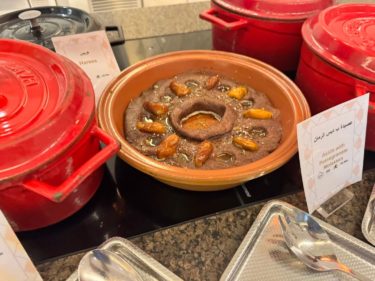


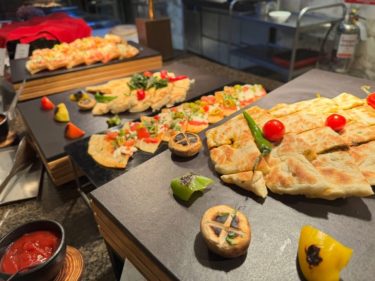

From Riyadh to Jeddah, along the coast of the Red Sea.
Leaving the desert behind and stepping into a port town scented with spices, the tension of travel gently begins to ease.
When people think of food in the Islamic world, many imagine it as “spicy,” “meat-heavy,” or “filled with pastes and mixtures.”
Yet, when one actually sits before such a table, what appears is not merely a collection of flavors—but a living record of human wisdom for survival.
In the lands under the blazing sun, spices were invented long before refrigerators.
Cumin, cardamom, turmeric, coriander—these were not merely seasonings, but natural antibacterial agents that protected meat and fish from decay.
Capsaicin, the compound that gives chili its heat, also has antibacterial effects and stimulates the secretion of gastric juices.
In other words, “spiciness” itself was a physiological weapon in the fight against heat.
For those who sweat and lose salt under the desert sun, spiciness becomes a “reviving flavor.”
The burst of perspiration that follows a spicy bite is the body’s clever self-cooling device.
Beyond religious rules or geographic conditions, the body instinctively seeks out that taste.
Another defining feature is the culture of “kneaded foods”:
kebab, kofta, falafel, hummus—each created by mincing, mixing, shaping, then grilling or frying.
They are the results of generations of ingenuity in processing mutton, beef, or chickpeas into forms that can be easily handled and preserved.
According to Islamic dietary law, animals must be slaughtered with their blood drained—a practice known as zabiha.
Once the meat is cut, it cannot be kept for long.
Thus emerged the tradition of kneading, shaping, and sharing food together.
The act of “kneading” carries a symbolism akin to people joining hands.
Rolling food by hand, gathering around the fire, scooping with bread and sharing from one plate—
these gestures depict a primordial human scene that transcends religion itself.
A spicy, kneaded table is not merely a matter of culinary preference.
It embodies a “rational faith” shaped by life in the harsh deserts.
In the Islamic world, one often hears the phrase, “Food is prayer.”
Before eating, “Bismillah” (In the name of God).
After eating, “Alhamdulillah” (Praise be to God).
Each word becomes a prayer of gratitude within a community that shares its limited food.
Spice awakens the body; kneading binds the community.
And with a sweet mint tea after the meal, the heart finds calm.
This sequence forms the rhythm of Islamic food culture—
a religious experience through which one learns, by taste, what it means to live.
The aroma of spices lingers in the air; the fat of grilled lamb rests softly on the tongue.
The dates that follow are sweet—like fragments of the sun itself.
What exists here is not an “excessive flavor,” but a “necessary flavor.”
A taste born to live, to pray, and to share.
Would you like me to make it more literary and poetic, or keep it as a polished academic-style essay (e.g., suitable for a publication or exhibition text)?
I can adjust tone and rhythm accordingly.
― メッカへ入れないという「境界」の物語 ―
イスラム教徒は2020年に20億人を越えたという。
世界の総人口の約 25.6% がムスリムである事になる。
中東を旅する者は、いつか必ず「線」を意識する。
国境でも、宗派でも、言語でもない。
もっと静かで、しかし確固とした境界――聖域(ハラム)と呼ばれる領域の縁だ。
今いるジェッタから僅か90kmあまり。車でも1時間ちょっとでメッカには行けるはずだが、僕たちの行脚は、そこで止まる。
サウジアラビア西岸、紅海から砂漠を越えてゆくと、道に突然、看板が現れる。
« Muslim Only »
ここから先、ムスリム以外立ち入り禁止。
その先にあるのが、メッカ。
ちなみに現在のメッカの様子はテレビ中継されている。
この街は、「信じる者たちだけ」が入ることを許されている。
そしてその中心には、カーバ(Kaʿbah)と呼ばれる黒い立方体の聖殿がある。
■ なぜ「入れない」のか
歴史の深層を辿ると、この「境界」は偶然のものではない。
イスラーム法(フィクフ)では、聖域内は祈りと巡礼を行う者が神と向き合うための場所とされ、そこに「信仰の回路」以外の要素を持ち込まないという原則がある。
→ ハラムは単なる都市空間ではなく、“儀礼の回路”として設計されていることを論じる。
→ メッカは「旅行先」ではなく、「帰る場所」であると記される。
重要なのは、「排除」ではなく守護という考え方だ。
都市を守るための城壁ではなく、精神の純度を守るための境界線。
■ カーバの中はどうなっているのか
その中心にある黒い立方体、カーバ。
中を想像すると、さぞかし豪奢な宝物殿かと思うだろう。だが実際は違う。
• 内部は大理石と三本の柱
• 吊り下げられたランプ
• 壁に刻まれた寄進者の銘板
静かで、淡々としている。
まるで「何かを見せるため」の空間ではなく、
「そこにあること」そのものが目的のようだ。
この「虚空としての神聖性」については、
→ 「偶像の否定のために空虚であることが、むしろ神の証明となる」と論じる。
「何もない」ことが、「すべて」であるという逆説。
■ 境界に立つ旅人の視点
砂漠の縁に立ち、私は思った。
ヨーロッパの大聖堂は「見せる信仰」。
インドの寺院は「迎える信仰」。
日本の神社は「めぐる信仰」。
では、メッカは何か。
それは――
「帰属する信仰」
である。
信仰は思想ではなく、血のように静かに身体を巡るもの。
その 「内側にいる者」だけが共有できる沈黙 が、あの都市には流れている。
だからこそ、私たちは「入れない」。
そして、それでいいのだ。
人は、「越えられない境界」を知ることで、
かえって 「世界の深さ」 を理解する。
五行 ─ 信仰が身体を持つために
イスラームを支える根幹は、
考えることではなく、行うことである。
シャハーダ(信仰告白)は、
自分がどこに属するかを明言する行為。
サラート(礼拝)は、
一日の時間そのものに神を刻印する行為。
ザカート(施し)は、
富を流れとして循環させる行為。
サウム(断食)は、
飢えを通して他者の痛みを身体で学ぶ行為。
ハッジ(巡礼)は、
生まれた場所へ戻るかのように、信仰の始点に還る行為。
■ 結語
旅をしてわかることがある。
世界には、「近づくことで理解する場所」と
「近づけないからこそ理解する場所」があるということだ。
メッカは、後者である。
砂漠の風にアザーンが溶けてゆく。
その声は私の中にも届いている。
境界のこちら側であっても、確かに。
その場所は、「行くもの」ではなく、
「祈るもの」だからだ。


It is said that the number of Muslims surpassed two billion in 2020—
about 25.6% of the world’s total population.
Anyone who travels through the Middle East will, sooner or later, become aware of a certain line.
Not a national border, nor a divide of sect or language—
but a quieter, yet absolute boundary:
the threshold of the haram, the sacred domain.
From where I stand now, in Jeddah, Mecca lies just over 90 kilometers away.
Barely an hour’s drive.
And yet, our journey ends there.
Along the highway that runs eastward from the Red Sea toward the desert,
a sign suddenly appears:
« Muslim Only »
Beyond this point, entry is prohibited to non-Muslims.
Beyond that line lies Mecca.
Today, the city’s scenes are broadcast live on television.
It is a city permitted only to those who believe.
At its very heart stands the Kaʿbah,
a black cube-shaped sanctuary revered by millions.
Tracing the depths of history,
one realizes this “boundary” is not an accident.
In fiqh (Islamic jurisprudence),
the sacred precinct is defined as a space where the faithful face God through prayer and pilgrimage—
a place where no element outside the circuit of faith should intrude.
→ The haram is not an urban space in the ordinary sense,
but a ritual circuit by design.
→ Mecca is not a “destination” but a place of return.
The key idea here is not exclusion, but protection.
It is not a wall to guard the city from outsiders,
but a boundary drawn to preserve the purity of the spirit.
At the center stands the Kaʿbah—
that black, cubic sanctuary.
One might imagine a resplendent treasury within.
But in truth, it is simple:
Marble interior and three wooden pillars
Hanging lamps
Inscriptions naming the donors carved on the walls
It is serene, understated.
A space not made to display something,
but to simply exist.
Regarding this “emptiness as holiness,” scholars have written:
→ “Its void, born from the denial of idols, becomes itself the proof of God.”
A paradox in which nothingness becomes everything.
Standing at the edge of the desert, I found myself reflecting.
European cathedrals embody a faith that reveals.
Indian temples express a faith that welcomes.
Japanese shrines sustain a faith that circulates.
Then what is Mecca?
It is—
a faith that belongs.
Faith here is not an idea;
it flows quietly through the body, like blood.
The silence shared only by those within
fills that city.
And so, we remain outside.
And that is as it should be.
For only by recognizing the boundaries we cannot cross
do we begin to understand
the true depth of the world.
The foundation of Islam lies not in contemplation,
but in action.
Shahāda (Declaration of Faith)
—an act of stating where one belongs.
Ṣalāt (Prayer)
—an act of inscribing God into the rhythm of each day.
Zakāt (Almsgiving)
—an act of allowing wealth to circulate as a living flow.
Ṣawm (Fasting)
—an act of learning, through hunger, the pain of others.
Ḥajj (Pilgrimage)
—an act of returning to the origin of faith,
as if to the place where one was born.
Travel teaches us something:
that there are places we understand by approaching,
and places we understand precisely because we cannot approach.
Mecca is the latter.
The call to prayer dissolves into the desert wind.
Its sound reaches even me, here on this side of the boundary.
For that place is not meant to be visited—
but prayed toward.
🎉 Facebookから今週の期待のトップクリエイターに認定されました!
I’ve been recognized by Facebook as one of this week’s Top Rising Creators!