













んーと。江ノ島ですよね?
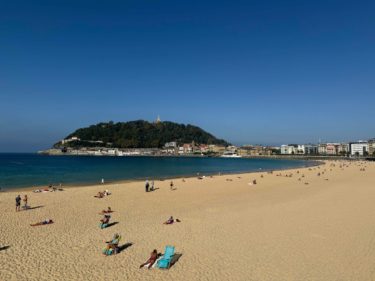
Didn’t know there also is Enoshima in Spain

 藤本幸弘オフィシャルブログ
んーと。江ノ島ですよね?
Didn’t know there also is Enoshima in Spain
新国際学会周遊記──リオハ地方のワイン文化と科学的継承
スペイン北部、エブロ川流域に広がるリオハ地方。
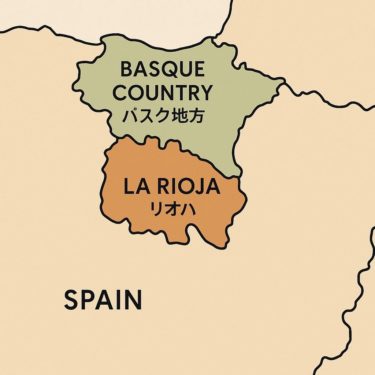

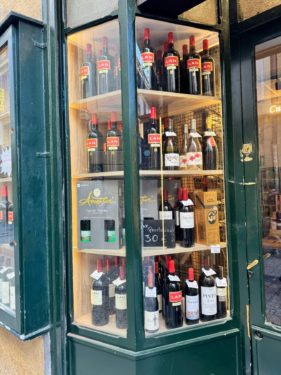


この地は1000年を超えるワイン醸造の歴史を誇り、テンプラニーリョ種を主体とするその赤ワインは、いまや世界的な高評価を得ている。
興味深いのは19世紀末の歴史的転機である。
当時、フランス・ボルドー地方がフィロキセラ(ブドウ根アブラムシ)による壊滅的被害を受けた際、ボルドーの醸造家たちは新天地を求めてリオハへと移り住んだ。
彼らがもたらした近代的な発酵技術と樽熟成法が、リオハの伝統的手法と融合し、品質の飛躍的向上をもたらしたことは、まさに技術移転の成功例として国際学会的にも注目に値する。
そして1991年、リオハはスペインで初めて「D.O.Ca(特選原産地呼称)」の認定を受けた。
これは単なる地域指定ではなく、厳格な生産管理と品質基準が科学的に体系化された証である。
言い換えれば、リオハのワイン造りは「伝統と技術革新の共鳴(resonance)」によって成立しているのである。
古代から続く自然環境、フランス醸造学の移植、そして現代に至る品質管理体制。
それらが織りなすこの地のワインは、単なる嗜好品を超え、文化と科学の融合体として、世界のテロワール研究の中でも重要な一章を占めている。
The Wine Culture and Scientific Legacy of the Rioja Region
Located along the Ebro River in northern Spain, the Rioja region boasts a winemaking history that spans over a thousand years. Its red wines—centered around the Tempranillo grape—are now celebrated and highly acclaimed across the globe.
A particularly fascinating turning point occurred at the end of the 19th century.
At that time, when France’s Bordeaux region suffered devastating damage from phylloxera (a root-feeding aphid), Bordeaux winemakers sought new horizons and relocated to Rioja. The modern fermentation techniques and barrel-aging methods they brought with them merged with Rioja’s traditional practices, resulting in a dramatic improvement in quality. This stands as a noteworthy case of successful technology transfer, drawing international academic attention.
In 1991, Rioja became the first region in Spain to receive the prestigious Denominación de Origen Calificada (D.O.Ca) designation.
This was more than a geographical label—it signified the establishment of a scientifically systematized framework of rigorous production control and quality standards.
In other words, winemaking in Rioja is a “resonance” between tradition and technological innovation.
From the natural environment that has endured since ancient times, to the transplantation of French oenology, and the development of modern quality control systems—these elements intertwine to shape a wine that transcends mere indulgence. As a fusion of culture and science, Rioja’s wines hold a significant place in global terroir studies.
僕にとっても懐かしい藤沢市民ホールなのですが、建て替えなのだそうです。
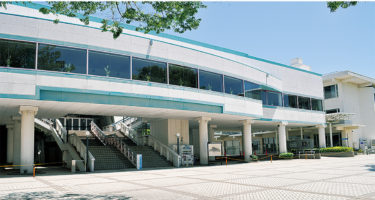
合唱祭でも使ったなあ
【57年ありがとう!藤沢市民会館】①「組長」は藤沢ジュニアオーケストラOB……大人気「石田組」、市民会館に感動の凱旋!|レポート|WEBふじさわびと
The Fujisawa Civic Hall holds fond memories for me as well, but I heard it’s going to be rebuilt. I remember performing there for the choral festival too.
モンテ・ウルグル(Monte Urgull)散策
まさにバスクの宝石の様な場所でした。
大きさも地元の江ノ島ぐらい?

スペイン・バスク地方サン・セバスティアン旧市街の北端にある標高約120mの丘。
12世紀に築かれた要塞「カスティーヨ・デ・ラ・モタ」を中心に、街とラ・コンチャ湾を見下ろす絶景が広がる。
頂上には1950年建立の「心臓の聖イエス像」が立ち、街の象徴となっている。
歴史と美景、美食が融合するサン・セバスティアンを代表する場所。
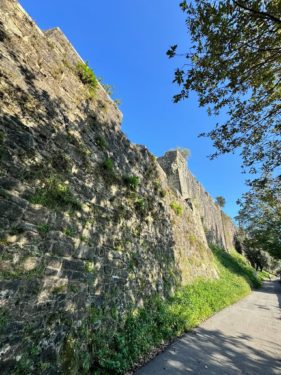
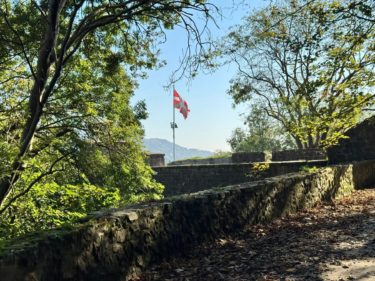
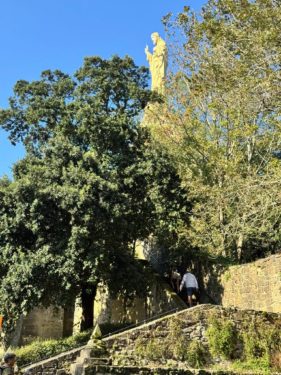
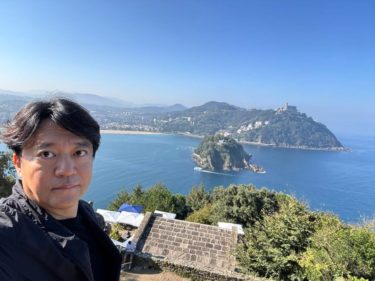
モンテ・ウルグルの風景は、多くの画家や写真家がモチーフにしており、特に19〜20世紀初頭の「ベル・エポック」期には、芸術家の避暑地としてのサン・セバスティアン文化の象徴ともなりました。
つまりはフランコ将軍出現の前ですね。
近隣にはピンチョス文化の中心「旧市街(Parte Vieja)」が広がり、美食と歴史、芸術が融合する街並みです。
Strolling around Monte Urgull
This place truly felt like a Basque jewel. In terms of size, it might be comparable to our local Enoshima Island.
Monte Urgull is a hill about 120 meters high, located at the northern edge of the Old Town of San Sebastián in Spain’s Basque Country. Centered around the 12th-century fortress Castillo de la Mota, the hill offers spectacular panoramic views over the city and La Concha Bay.
At the summit stands the Sacred Heart of Jesus statue, erected in 1950, which has become a beloved symbol of the city. Monte Urgull perfectly embodies the charm of San Sebastián — a place where history, breathtaking scenery, and gastronomy come together.
The landscapes of Monte Urgull have inspired many painters and photographers. In particular, during the Belle Époque period of the late 19th and early 20th centuries — before the rise of General Franco — San Sebastián flourished as a cultural and artistic summer retreat.
Nearby lies the Parte Vieja (Old Town), the heart of the local pintxos culture, where culinary delights, history, and art seamlessly blend into the vibrant streetscape.
考えない国 ― 多数決と正解主義の果てに
昨晩のもう一つの話題。
「日本の多数決って、ちょっとおかしくない?」
例えば、小学校のクラスでの決定時。よく考えた五人と、まったく考えない三十人。
その票の重さが同じなら、いったい何をもって“民意”と呼ぶのだろう。
数が多いことが、必ずしも考えた結果ではない。
それでも僕たちは「多数決こそ民主主義」と信じて疑わなかった。
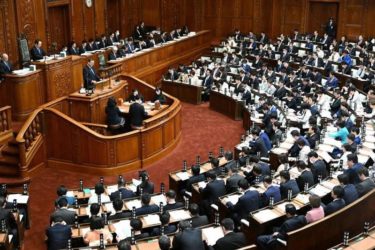
過半数にこだわる国会がまさにそう。政党の派閥や体裁ではなく、国民から選ばれた代表として、それぞれが考えて結論を出して欲しい。
それが出来ないなら、国会議員を全員首にして、チャットGPTに決めさせればいいんだろう。
だが本来、民主主義とは数の力ではなく、思考の責任を共有する文化であるはずだ。
■ 正解を覚える国
日本人が「考える」ことを避けるようになった理由は、
おそらく戦後の小学校の教室にある。
先生が黒板に書く“正しい答え”を覚えることが教育と呼ばれ、
「なぜそうなるのか」を問うことは授業の妨げとされた。
考えるよりも、間違えないことを学んだ。
そしてその訓練は、社会人になっても続く。
誰もが正解を探し、空気を読み、波風を立てない。
失敗を恐れ、問いを持つことを忘れる。
そうして「考える力」は徐々に萎縮していった。
思考とは筋肉のようなもので、使わなければ衰える。
大人になってから突然「自分の頭で考えろ」と言われても、その神経はもう動かないのだ。
■ 熟議なき多数決
だから日本の多数決は、民主主義ではないと思う。
それは熟慮の果ての合意ではなく、空気の延長にすぎない。和を乱さないことが最優先され、異論を唱える者は敬遠される。
会議では「多数意見に従います」と誰かが言い、本音を語らぬまま賛成票が積み上がる。
その瞬間、民主主義は息を止め、「静かな専制」が始まる。
思考を手放した多数の合意は、ただの惰性だ。
それを民意と呼ぶのは、どこか悲しい。
考えることをやめた社会には、議論も進化もない。
■ 考える勇気
数ではなく、考える力こそ民主主義の礎だ。
そして思考とは、訓練であり、文化であり、勇気である。
空気に従う勇気ではなく、異を唱える勇気を持つ人々が増えたとき、この国は少しだけ前に進むのかもしれない。
正解を覚えるのではなく、問いを立てる。
勝ち負けを競うのではなく、理解しようとする。
それが、真に考える社会の始まりだ。
「考える国」は、遠い理想ではない。
それは一人ひとりが今日、たった一つの問いを立てることから始まる。
多数ではなく、思考の連鎖こそが未来を動かす。
僕は、日本においてもその小さな“問い”の光を、まだ信じている。
A Nation That No Longer Thinks — At the End of Majority Rule and the Pursuit of “Correct Answers”
Another topic from last night’s conversation:
“Isn’t Japan’s idea of majority rule kind of strange?”
Take a typical elementary school classroom, for example:
Five students who think deeply, and thirty who don’t think at all.
If every vote carries the same weight, what exactly do we mean by “the will of the people”?
A larger number doesn’t always mean a more thoughtful choice.
And yet, we were taught to believe—without question—that majority rule is the essence of democracy.
Just look at the Japanese parliament, where everything hinges on a simple majority.
Instead of worrying about party factions and appearances, each representative should think for themselves—as individuals chosen by the people—and reach their own conclusions.
And if they can’t do that?
Then maybe we should fire the entire Diet and let ChatGPT make the decisions instead.
But democracy, in its true form, isn’t about numbers.
It’s about a shared culture of responsibility for thought.
A Nation That Memorizes the “Right Answer”
Why have Japanese people come to avoid thinking?
The answer likely lies in the postwar classroom.
In school, “education” was defined as memorizing the “correct answers” the teacher wrote on the blackboard.
Asking why something was correct was seen as a disruption.
We were taught not to think, but not to be wrong.
That training continued into adulthood.
Everyone searches for the “right answer,” reads the room, avoids making waves.
We fear failure and forget how to question.
And so, our ability to think began to shrink.
Thinking is like a muscle—if you don’t use it, it atrophies.
So when, as adults, we’re suddenly told to “think for yourself,” the neurons simply don’t fire anymore.
Majority Rule Without Deliberation
This is why I believe Japan’s version of majority rule is not true democracy.
It’s not consensus built through deep discussion—it’s just the continuation of social pressure.
The highest priority is to maintain harmony.
Those who dissent are quietly pushed aside.
In meetings, someone inevitably says, “I’ll go along with the majority,”
and the “yes” votes pile up—without anyone ever speaking their true thoughts.
In that moment, democracy holds its breath.
And a quiet authoritarianism begins.
Consensus without thought is nothing more than inertia.
To call that “the will of the people” is, frankly, sad.
A society that stops thinking has no debate.
No progress. No evolution.
The Courage to Think
Democracy is not built on numbers.
It is built on the ability to think.
And thinking requires training. It requires culture. It requires courage.
Not the courage to conform to the atmosphere,
but the courage to disagree.
When more people in Japan find that kind of courage,
perhaps this country will begin to move forward—if only a little.
The goal is not to memorize the “right answer,”
but to ask the right questions.
Not to win or lose,
but to seek understanding.
That is where a truly thinking society begins.
A “thinking nation” is not some distant ideal.
It begins when just one person, today, dares to ask a single question.
The future is not moved by the majority—
but by a chain reaction of thought.
And I still believe in the quiet light of those small questions,
even here in Japan.