TakahiroFujimoto.com

HOME MAIL
HOME PROFILE BOOKS MUSIC PAPERS CONFERENCES BLOG MAIL CLOSE

BLOG 藤本幸弘オフィシャルブログ

BLOG|ブログ

ローヌワイン

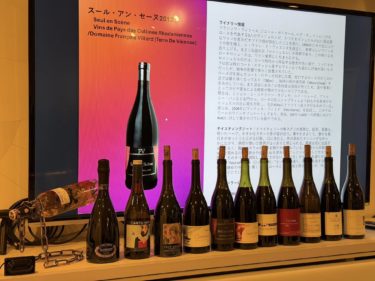
本日はゴルフ医科学研究所、ワイン系の新年会です。

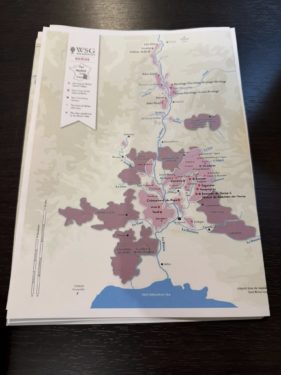
ローヌワインをローヌ川南北12のシャトーから用意して飲み比べとコメントする会です。

この鎖のワイン置き可愛く無いですか?

気に入って買いました。

Today is a New Year’s wine gathering with the Golf Medical Science Institute.
We’re doing a Rhône wine tasting, comparing bottles from 12 châteaux in both the northern and southern Rhône.
Isn’t this chain wine holder adorable? I loved it and had to buy it.


ルイ・ヴィトンでアンディ・ウォーホル展、原田マハ

表参道、ポップアートと物語のあいだ——アンディ・ウォーホル展と、原田マハさんの対談会

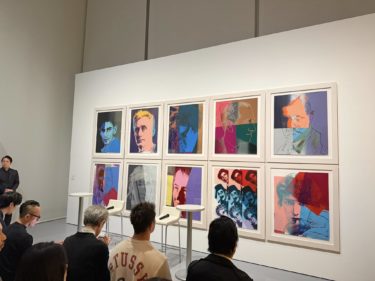
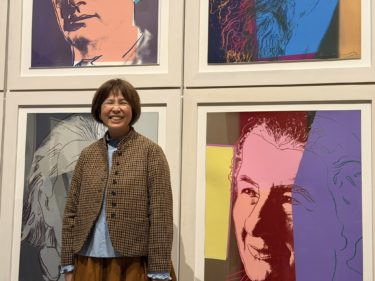
表参道のルイ・ヴィトン 表参道店で開催されているアンディ・ウォーホル展と、原田マハさんの対談に足を運びました。

Screenshot

現代美術の価値観そのものを変えたと言っても過言ではないのが、アンディ・ウォーホルの仕事です。

ウォーホル以前、芸術とは「天才が一回きりで生み出す、唯一無二のもの」でした。

ウォーホルはそれを、反復でき、量産でき、流通できるものへと変えました。

シルクスクリーン、ファクトリー、アシスタント。

制作工程そのものが、ひとつのシステムとして成立していました。

だから彼の凄さは、マリリンを描いたことでも、スープ缶を描いたことでもありません。

「何が芸術か」を決めるルールそのものを書き換えた点にあります。

それ以降、現代美術は

「何を描いたか」ではなく、「どう成立させたか」を問われる世界になりました。

大量生産、反復、消費社会。

それらの価値観は、ルイ・ヴィトンのようなアパレルやラグジュアリーブランドにも、大きな影響を与えたと言えるでしょう。

アンディ・ウォーホルは、つくづく「未来の同時代人」だと思います。

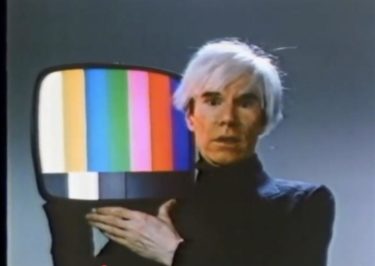
そういえば、アンディ・ウォーホルが生前、日本のCMに出演していたのを覚えている方もいらっしゃるかもしれません。

TDKのビデオテープのCMで、「赤、緑、群青色、綺麗」と呟く、あの映像です。

現在もYouTubeにコピーが残っていますので、興味のある方は検索してみてください。

原田マハさんの講演

美術画キュレーターとして第一線で仕事をしながら、稀代のストーリーテラーとして小説を書く。原田マハさんの言葉には、作品を「解説」するのではなく、「物語の入口」へと連れていく力があります。

トークも非常に巧みで、60分があっという間に感じられました。

彼女の小説で、僕自身が購入して読んだのは

『楽園のカンヴァス』と『暗幕のゲルニカ』です。

前者は、アンリ・ルソーの絵画をめぐる知的な追走劇であり、後者は、ピカソの《ゲルニカ》という「20世紀の傷口」を、静かに、しかし容赦なく抉り出す作品でした。

ウォーホルの展示と、原田マハさんの言葉。

ポップアートと物語が交差する、表参道らしい夜でした。

Omotesando: Between Pop Art and Storytelling
— The Andy Warhol Exhibition and a Talk with Maha Harada

I attended the Andy Warhol exhibition currently being held at the Louis Vuitton Omotesando store, along with a talk by Maha Harada.

It would not be an exaggeration to say that Andy Warhol fundamentally changed the very values of contemporary art.
Before Warhol, art was understood as something singular and irreplaceable—created once by a genius.
Warhol transformed that idea into something repeatable, mass-producible, and distributable.

Silkscreen printing, the Factory, assistants—
the production process itself functioned as a complete system.

That is why Warhol’s true greatness lies not in painting Marilyn Monroe or soup cans.
It lies in rewriting the very rules that define what art is.

From that point on, contemporary art became less about what was depicted,
and more about how the work came into being.

Mass production, repetition, consumer society—
these values can be said to have had a profound influence on fashion and luxury brands such as Louis Vuitton.

Andy Warhol truly feels like a “contemporary of the future.”

Some of you may remember that Warhol even appeared in Japanese television commercials during his lifetime.
In a TDK videotape commercial, he softly murmurs, “Red, green, ultramarine—beautiful.”
Copies of the commercial can still be found on YouTube, so those interested may want to look it up.

Maha Harada’s Talk

While working at the forefront of the art world as a curator, Maha Harada also writes novels as a rare and gifted storyteller.
Her words do not merely explain artworks; they guide the audience to the entrance of a story.
Her talk was so engaging that the 60 minutes passed in what felt like an instant.

The novels of hers that I personally purchased and read are
The Canvas of Paradise and
Guernica Behind the Curtain.

The former is an intellectual pursuit centered on the paintings of Henri Rousseau,
while the latter quietly yet relentlessly excavates Guernica—the “wound of the 20th century.”

Warhol’s exhibition and Harada’s words.
It was a night very much in the spirit of Omotesando, where pop art and storytelling intersect.


作陶

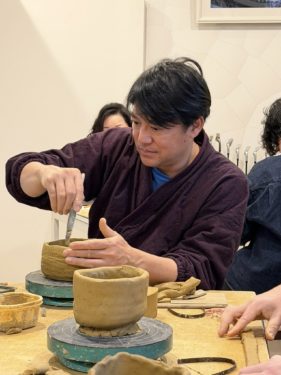
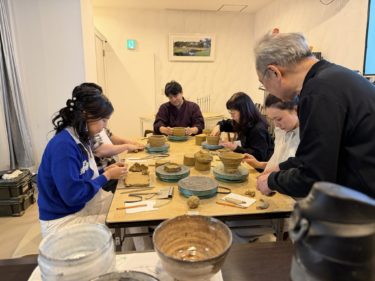
今日はゴルフ医科学研究所にて河村喜史先生の作陶でした。

前半後半に分かれて12名。

集中して作陶に取り組みました。

前回の作品も持ってきていただきましたが、皆それぞれ味があっていいですね!

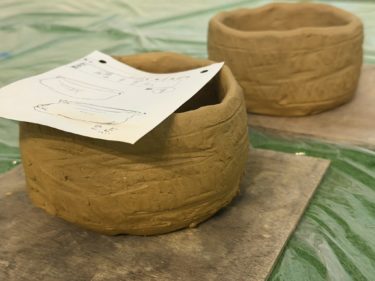
今回は僕は茶器を幾つか作りました。

戦国武将が使ったような、ちょっと無骨な、備前焼っぽくしたかったんですが、果たしてどう焼き上がるでしょうか。

次の北鎌倉の魯山人の登り窯の火入れは6月6日です。

Today, we held a pottery session with Mr. Kifumi Kawamura at the Golf Medical Science Research Institute.
There were twelve participants, divided into morning and afternoon groups, and everyone worked with deep focus on their pieces.

Mr. Kawamura also brought the works from our previous session, and each piece had its own distinct character—truly enjoyable to see how individual they all turned out.

This time, I made several tea utensils. I was aiming for something a bit rugged, reminiscent of pieces used by Sengoku-era warlords—something with a rough, Bizen-style feel. I’m curious to see how they will ultimately emerge from the firing.

The next firing at the Noborigama (climbing kiln) associated with Rosanjin in Kita-Kamakura is scheduled for June 6.


霊的なセンサー

霊的なセンサーが強い人は、波長を感じて、土地や場に反応するのか?

理由はよく分からないけれど、「ここは合わない」と感じる場所がある。

長くいると疲れる。
頭が重くなる。
妙に落ち着かない。

人に話すと、

「考えすぎじゃない?」「気のせいだよ」

と言われることも多い。

でも、この感覚。実はかなり正確だと思っている。

「霊的」という言葉が指しているもの

霊的なセンサーが強い、という言い方は、少し神秘的に聞こえる。

けれど実際には、外界の変化を拾いやすい身体

と言い換えた方が近い。

音、光、空気感、人の距離感。

多くの人が無意識に切り捨てている情報を、そのまま受け取ってしまうタイプ。

感じすぎる人、と言ってもいい。

これを第六感というのだろうか?

人だけでなく、場所にも「合う・合わない」がある

気の合わない人と一緒にいると、エネルギーを吸われる感じがする。

同じように、気の合わない場所にいると、身体がずっと微調整を強いられる。

音が反響しすぎる
光が不自然
空間が閉じている
人の動線が落ち着かない

こういう場所では、何もしていなくても、ただ「いるだけ」で消耗する。

これは根性の問題ではない。

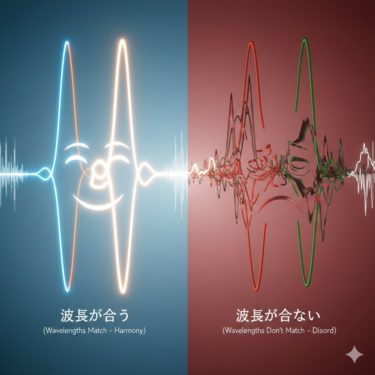
波長が合わない、とはどういうことか

「波長が合わない」という言葉は、実はかなり正確だ。

人も場所も、それぞれ固有のリズムを持っている。

テンポ。
間。
空気の流れ。

それが自分の内側のリズムと噛み合わないと、身体はずっとブレーキを踏み続けることになる。

気づかないうちに、呼吸は浅くなり、肩に力が入り、回復する暇がなくなる。

センサーが強い人ほど、疲れやすい理由

霊的なセンサーが強い人は、「感じなくていいもの」まで感じてしまう。

だから、

人混みが苦手
会食が続くと消耗する
旅行先で体調を崩しやすい
こういう傾向が出やすい。

問題は、感じること自体ではない。

感じ続けなければならない環境に、長く身を置くことだ。

老化は、こうして静かに進む

以前から書いているけれど、老化は一気に進むものではない。

無理が積み重なって、ある日ふと表に出る。

気の合わない人。
気の合わない場所。
気の合わない時間の使い方。

こうした「小さな違和感」を無視し続けることが、実は一番、老化を早める。

これはスピリチュアルではなく、とても現実的な話だ。

センサーが強い人に必要なのは、鈍感さではない

「もっと鈍感になったほうが楽だよ」

そう言われることもある。

でも、それは無理な話だ。

センサーの感度は、

才能でもあり、体質でもある。

大事なのは、

人を選ぶ
場所を選ぶ
滞在時間を選ぶ
一人で回復する時間を確保する

これだけ。

わがままでも、逃げでもない。

自分の身体を守るための設計だ。

「霊的に感じる」という言葉は、
世界を雑音込みで受け取ってしまう人の、正直な表現なのだと思う。

感じる人は、世界が少しうるさすぎるだけ。

老化ブレーキに必要なのは、若作りでも、根性でもない。

合わないものから、静かに離れる勇気

それだけで、人生後半の質はかなり変わる。
Do People with Strong “Spiritual Sensors” Feel Frequencies and React to Places?

There are places that, for reasons I can’t quite explain, simply feel wrong.
Staying there for long makes me tired.
My head feels heavy.
I become strangely restless.

When I mention this to others, I’m often told,
“You’re overthinking it,” or “It’s just your imagination.”

But this sensation—I believe it’s actually quite accurate.

What the Word “Spiritual” Really Points To

Saying someone has strong “spiritual sensors” sounds a bit mystical.
In reality, it’s closer to saying they have a body that is highly receptive to changes in the external environment.

Sound.
Light.
The quality of the air.
The distance between people.

They pick up information that most people unconsciously filter out.
You could also call them people who feel too much.

Is this what we mean by a sixth sense?

Just Like People, Places Can Feel Compatible—or Not

Being around someone you don’t resonate with can feel draining, as if your energy is being slowly siphoned away.
The same is true of places.

In environments that don’t suit you, your body is forced into constant micro-adjustments.

Sound that echoes too much

Unnatural lighting

Enclosed or oppressive spaces

Restless, chaotic human movement

In such places, even doing nothing—just being there—can be exhausting.

This has nothing to do with willpower.

What It Really Means When “Wavelengths Don’t Match”

The phrase “our wavelengths don’t match” is actually quite precise.
Both people and places have their own inherent rhythms.

Tempo.
Pauses.
The flow of the air.

When these don’t align with your internal rhythm, your body ends up pressing the brakes constantly.
Without realizing it, your breathing becomes shallow, your shoulders tense up, and your system never gets a chance to recover.

Why Highly Sensitive People Tire More Easily

People with strong “spiritual sensors” tend to feel things they don’t actually need to feel.

As a result, they often:

Struggle in crowds

Feel drained by frequent social dinners

Become physically unwell while traveling

The problem isn’t sensitivity itself.
It’s remaining for too long in environments that demand constant sensing.

This Is How Aging Quietly Advances

As I’ve written before, aging doesn’t happen all at once.
It accumulates quietly, until one day it suddenly surfaces.

People you don’t resonate with.
Places that don’t suit you.
Ways of using time that feel slightly off.

Continuously ignoring these small discomforts may actually be one of the fastest ways to accelerate aging.

This isn’t a spiritual argument—it’s a very practical one.

What Sensitive People Need Is Not Dullness

“You’d be happier if you were less sensitive,”
people sometimes say.

But that’s unrealistic.

Sensitivity is both a trait and a form of talent.
What truly matters is:

Choosing people

Choosing places

Choosing how long you stay

Securing time alone to recover

That’s all.

It’s not selfishness, and it’s not avoidance.
It’s a form of design—one meant to protect your body.

I think the phrase “feeling things spiritually” is simply an honest way of describing people who take in the world with all its noise included.

For sensitive people, the world is just a little too loud.

To slow aging, what’s needed isn’t trying to look younger, nor sheer grit.
It’s the quiet courage to step away from what doesn’t fit.

That alone can significantly change the quality of the second half of life.


N響定期公演 トゥガン・ソフィエフ指揮

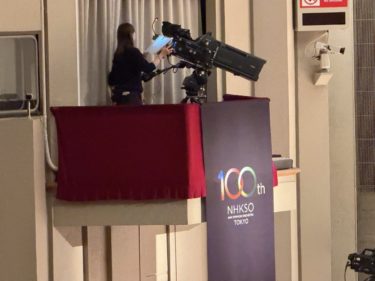
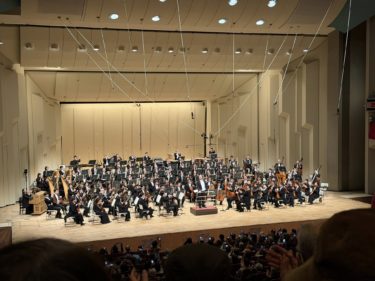
今日は陶芸家の河村喜史先生に誘われて、N響定期公演へ。

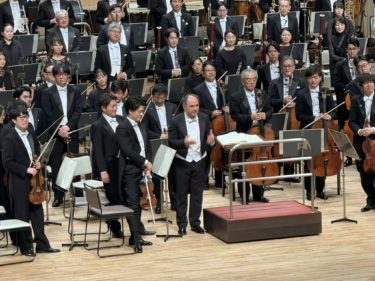
題目はマーラー交響曲第6番。指揮者は来年のウィーンニューイヤーコンサートの指揮を振ることが決まっている来年の指揮者はトゥガン・ソヒエフでした。

つい先日のブログで、マーラーの交響曲にハマる様になったらクラシック音楽ファンとして一人前、的な話を書いたのですが、80分間どっぷりマーラーサウンドに浸かってきました。

思えばマーラーの交響曲を上手く使ったなと思った日本のアニメがありました。田中芳樹作の銀河英雄伝説です。

『銀河英雄伝説』(1988–1997年の石黒昇監督OVA版)は、

マーラー、ブルックナー、ワーグナーをはじめとする後期ロマン派〜巨大交響曲レパートリーを、戦闘・政治・死の場面に大胆に使用した異色作です。

マーラーに関しては

交響曲第2番《復活》
交響曲第3番
交響曲第5番
交響曲第6番《悲劇的》

などが戦争描写におけるBGMとして使用されたことが、音楽ファン・研究者の間で広く認識されています。

とくに第6番特有の

行進的リズム
調性的緊張の持続
勝利に向かわない構造(ハンマー的終結感)

が、「英雄が死に、歴史が前に進む」銀英伝の世界観と極めて親和性が高いんですよね。

明日は半蔵門のゴルフ医科学研究所にて河村先生の作陶です。

一緒に写真を撮りたかったのですが、明日の準備という事で早々にお帰りになりました。明日も楽しみです。

Today, I was invited by the ceramic artist Mr. Kifumi Kawamura to attend an NHK Symphony Orchestra subscription concert.

The program was Mahler’s Symphony No. 6, conducted by Tugan Sokhiev, who has been selected to conduct the Vienna New Year’s Concert next year.

In a recent blog post, I wrote that once you truly start getting hooked on Mahler’s symphonies, you can finally call yourself a full-fledged classical music fan. Tonight, I spent a full 80 minutes completely immersed in the Mahler sound world.

Thinking about it, there is a Japanese anime series that made particularly effective use of Mahler’s symphonies: Legend of the Galactic Heroes, written by Yoshiki Tanaka.

The OVA version of Legend of the Galactic Heroes (directed by Noboru Ishiguro, 1988–1997) is a unique work that boldly employed late-Romantic and large-scale symphonic repertoire—Mahler, Bruckner, Wagner, and others—for scenes of battle, politics, and death.

Regarding Mahler in particular, it is widely recognized among music fans and researchers that the following symphonies were used as background music in war scenes:

Symphony No. 2, Resurrection

Symphony No. 3

Symphony No. 5

Symphony No. 6, Tragic

Especially characteristic of Symphony No. 6 are its:

March-like rhythms

Sustained tonal tension

A structure that does not lead toward victory, culminating instead in a hammer-like sense of finality

These elements resonate extraordinarily well with the worldview of Legend of the Galactic Heroes, where heroes die and history relentlessly moves forward.

Tomorrow, Mr. Kawamura will be working on his ceramics at the Golf Medical Science Research Institute in Hanzomon.
I had hoped to take a photo together, but he left early to prepare for tomorrow.
I’m very much looking forward to it.


カテゴリー