―― 砂漠は再び“世界の中心”となるのか ――
リヤドの朝。
乾いた光が都市の外縁に立つ砂丘の稜線を照らす。
砂は語らないが、そこに刻まれた時間は雄弁だ。
アラビア半島は、かつて「キャラバンの路」と「信仰の源泉」という二つの顔を持っていた。
しかし今、その役割は
「エネルギーの再編」と
「文明モデルの更新」へと拡張されつつある。
Ⅰ. 脱石油国家への静かな転換
サウジはしばしば“オイルマネー国家”と語られる。
だが、その枠組みはすでに過去のものとなりつつある。
Vision 2030 の核心は、石油収入に依存した「レント国家(Rentier State)」からの離脱である。
石油による再分配を社会の基盤とする政治体制そのものを組み替え、
“砂漠の国が、砂漠以外の富で国を支える国へ”向かおうとしている。
Ⅱ. 石油の時代:砂漠と島国が結んだ信頼
1970年代以降、日本の成長を支えたのは中東の石油だった。
サウジは日本にとって最大級の原油供給国であり、
石油が運んだのは燃料だけではなく、安定と信頼という外交の骨格であった。
宗教も文化も言語も異なる二国が、
“互いに欠けているものを補う”ことで結びついた。
砂漠と島国は、互いを必要としていたのである。
Ⅲ. エネルギー覇権の転移:「油」から「太陽」へ
湾岸の太陽は残酷なまでに強い。
しかし、その強さそのものが未来の資源となる。
サウジは、太陽光発電とブルー/グリーン水素を軸とした
新しいエネルギー輸出国家へと転じつつある。
NEOM に計画される水素生成コンプレックスは、その象徴である。
かつてオイルタンカーが世界をつないだ航路を、
未来には 液化水素船(水素キャリア) が走るだろう。
Ⅳ. 水素の時代:再びつながる日本とサウジ
エネルギーの主語は、今まさに変わりつつある。
石油 → 水素
サウジは「水素を生み出す国」へ。
日本は「水素を使う社会設計を先んじて持つ国」へ。
石油の時代と同じ構図だが、
今度は より持続的で、政治的に中立性の高い結びつきが形成されている。
Ⅴ. 文化の再生と「砂漠のルネサンス」
メッカとマディーナを抱く大地では、
「宗教」「市場」「哲学」がかつて同じ空間に重なっていた。
そして今、サウジは文化政策を大きく転換している。
劇場、映画館、音楽フェスティバル、博物館。
これは単なる西洋化ではない。
「部族の記憶 × 都市文明 × 未来的感性」 による、
砂漠のルネサンスである。
砂漠は沈黙ではなく、蓄積だった。
Ⅵ. 医療ツーリズムと「美の再生」
そして、第三の交差点が生まれつつある。
それが 医療と美の領域である。
中東圏では、健康長寿・痛みのケア・美容医療・再生医療への需要が拡大している。
サウジは、強い日差しと乾燥の中で、身体の適応力と回復力が鍛えられてきた文化圏である。
一方、日本は、皮膚・痛み・回復プロセスの微細な制御と美学に長けた国である。
「気候が強い国 × 皮膚の繊細さを知る国」
それは、産業交流ではなく、
身体の物語の共有である。
Ⅶ. 次に生まれる「第三のイスラーム都市」
かつて:メッカが信仰の中心だった。
中世:バグダードが知の中心だった。
では、21世紀は——
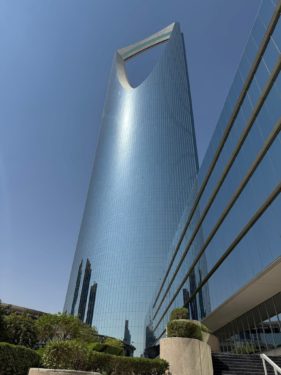
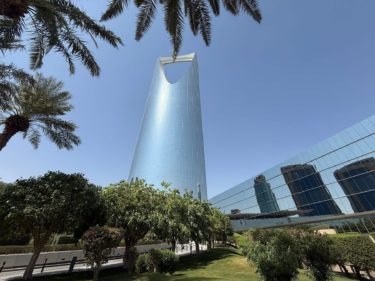
リヤドが、産業 × 科学 × 文化が交差する都市へと変容する可能性がある。
もしそれが実現すれば、
アラビア半島はもう一度、世界の中心として呼吸を始める。
結びに代えて
キャラバンは、ラクダからコンテナ船へ。
コンテナ船からデータ回線へ。
そして、データ回線から水素輸送網へ。
運ばれるものは変わる。
しかし、“世界をつなぐ”という本質は変わらない。
砂は語らない。
だが、未来はその上に書かれる。

— Will the Desert Once Again Become the “Center of the World”? —
Morning in Riyadh.
Dry light illuminates the ridges of sand dunes standing on the city’s outer rim.
The sand says nothing, yet the time inscribed upon it speaks eloquently.
The Arabian Peninsula once bore two faces — the route of caravans and the fountain of faith.
Now, its role is expanding toward
a reorganization of energy and
a renewal of the civilizational model.
I. A Quiet Transition Toward a Post-Oil Nation
Saudi Arabia is often described as an “oil-money state.”
Yet that framework is already fading into the past.
At the heart of Vision 2030 lies the departure from a rentier state dependent on oil revenue.
The Kingdom is seeking to rebuild its political foundation —
from a system sustained by oil redistribution
to a nation where the desert supports itself through wealth born beyond the desert.
II. The Age of Oil: Trust Between a Desert and an Island Nation
Since the 1970s, Japan’s growth has been fueled by Middle Eastern oil.
Saudi Arabia has long been one of Japan’s largest crude suppliers,
and what that oil carried was not only fuel — but also stability and trust,
the backbone of a diplomatic relationship.
Two countries, divided by religion, culture, and language,
were bound together by complementing what each lacked.
The desert and the island — they needed one another.
III. The Shift of Energy Hegemony: From “Oil” to “Sun”
The Gulf sun is mercilessly strong.
Yet that very intensity has become a resource for the future.
Saudi Arabia is transforming itself into a new energy-exporting nation,
centered on solar power and blue/green hydrogen.
The hydrogen-production complex planned in NEOM stands as its emblem.
Where once oil tankers connected the world,
soon liquefied hydrogen carriers may traverse the same routes.
IV. The Hydrogen Era: Japan and Saudi Arabia Reconnected
The subject of energy itself is now changing.
Oil → Hydrogen
Saudi Arabia — a nation that produces hydrogen.
Japan — a nation that designs societies to use it.
The structure resembles that of the oil age,
but this time, the partnership is more sustainable,
and far more politically neutral.
V. Cultural Renewal: Toward a “Desert Renaissance”
Upon the land that embraces Mecca and Medina,
religion, commerce, and philosophy once intertwined in the same space.
Today, Saudi Arabia is dramatically reforming its cultural policy —
building theaters, cinemas, music festivals, and museums.
This is not mere Westernization.
It is a Desert Renaissance,
born from tribal memory × urban civilization × futuristic sensibility.
The desert was never silence — it was accumulation.
VI. Medical Tourism and the Rebirth of Beauty
A third intersection is now emerging —
in the realms of health and aesthetics.
Across the Middle East, demand is growing for longevity care, pain management,
cosmetic and regenerative medicine.
Saudi culture, forged under harsh sunlight and arid air,
has long cultivated bodily resilience and recovery.
Japan, meanwhile, excels in the fine control and aesthetics of skin, pain, and healing.
A nation of strong climates × a nation that knows the delicacy of skin —
this is not merely industrial exchange,
but a sharing of the story of the body.
VII. The Birth of a “Third Islamic City”
Once — Mecca was the center of faith.
In the Middle Ages — Baghdad was the center of knowledge.
And now, in the 21st century —
Riyadh may transform into a city where industry, science, and culture intersect.
If that vision is realized,
the Arabian Peninsula will once again breathe as the center of the world.
In Place of an Epilogue
The caravan became the container ship.
The container ship became the data line.
And the data line will become the hydrogen network.
What is carried changes —
but the essence of connecting the world does not.
The sand says nothing,
yet the future will be written upon it.