














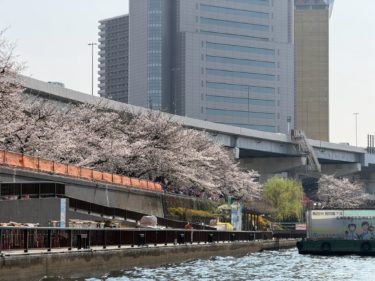
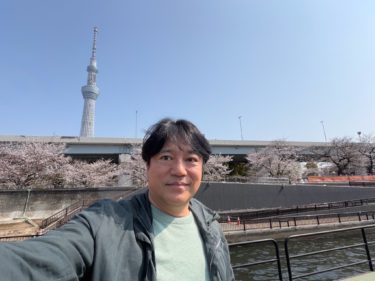
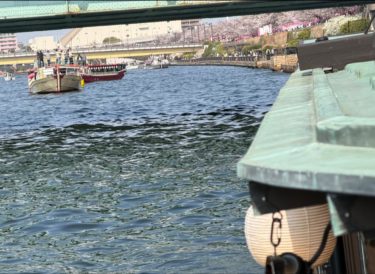
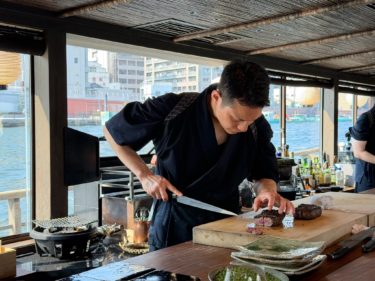
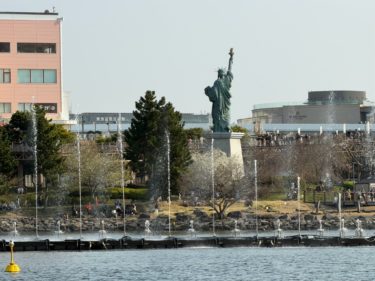
春うらら。隅田川の屋形船に揺られながら、川面に映る桜を眺めていると、ふと「この風景は誰が作ったのか」という問いに行き着きます。
結論から言えば隅田川沿いの桜の起源は、江戸幕府第8代将軍 徳川吉宗公の植樹なのですよね。
享保年間(18世紀前半)、吉宗は庶民の娯楽と江戸の防災・景観整備を兼ねて、現在の墨田区側、すなわち 墨田公園 一帯に桜を植えさせました。特に有名なのが「小梅堤」「寺島堤」と呼ばれた堤防で、ここに多数の桜が植樹され、江戸庶民の花見文化が一気に花開きます。この政策は単なる景観づくりではなく、実に多層的な意味を持っていました。
春の行楽地を提供し、庶民の不満を和らげる「治世の技術」
定期的に人が集まる事で河川堤防が踏み締められることで整備、洪水対策と都市インフラを強化
江戸という都市のブランド価値を高める「文化政策」
つまり、隅田川の桜は“自然発生的な名所”ではなく、将軍の意思によって設計された都市空間だったわけです。いまだに楽しめるのはありがたいですね!
https://www.facebook.com/1486146253/videos/pcb.10242742333402886/2149068505930527
Spring in full bloom.
As I gently sway on a traditional yakatabune boat along the Sumida River, gazing at the cherry blossoms reflected on the water’s surface, a thought suddenly comes to mind: Who created this landscape?
The answer, in fact, leads back to the planting initiatives of the eighth shogun of the Edo shogunate, Tokugawa Yoshimune.
During the Kyōhō era in the early 18th century, Yoshimune ordered the planting of cherry trees along the Sumida River. His intention was not only to provide leisure for ordinary townspeople but also to contribute to urban disaster prevention and landscape improvement in Edo. The plantings were carried out mainly on the eastern bank of the river, in what is now the area around Sumida Park in today’s Sumida Ward.
Two embankments became particularly famous: Koume-tei and Terajima-tei, where large numbers of cherry trees were planted. These locations quickly blossomed into celebrated viewing spots, and the culture of hanami—cherry-blossom viewing—flourished among the people of Edo.
What is fascinating is that this policy was far more than simple beautification. It carried several layers of meaning:
Providing seasonal leisure for townspeople and easing social tensions—an example of the art of governance.
Encouraging people to gather along the riverbanks, naturally reinforcing the embankments through foot traffic, thereby strengthening flood control and urban infrastructure.
Enhancing the cultural prestige and brand value of Edo as a city through a deliberate cultural policy.
In other words, the cherry blossoms along the Sumida River were not a “naturally occurring scenic spot.” They were a carefully designed urban space, shaped by the vision of a shogun.
The fact that we can still enjoy this landscape today is something to be truly grateful for.