













TakahiroFujimoto.com

HOME MAIL
HOME PROFILE BOOKS MUSIC PAPERS CONFERENCES BLOG MAIL CLOSE

BLOG 藤本幸弘オフィシャルブログ

BLOG|ブログ

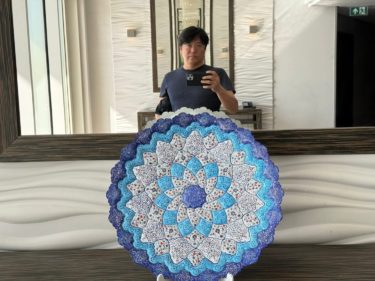
円の時間 Time draws a circle

イスラム圏滞在。

特にサウジアラビアでは全くアルコールを飲むことが出来ず、ストイックに過ごしました。

水、灼熱、盗賊、刻々と姿を変える砂漠の地を、安住の地に変えたイスラム教の功績は大きく、砂漠の民にどの様な影響を与えてきたか、その宗教観について毎日考える事ができました。

さらにメッカ神殿の中央にあるカーバ🕋。イスラムの民はこのカーバの周りを7回歩いて回るのが巡礼流儀なのだそうです。

その神が宿るという大きな黒い箱の中身が空洞であるという事。ユダヤ教、そして日本の神道にも通じますね。

ただ、今回の滞在での僕の最も大きな気付きは、西洋科学とイスラムの時間の考え方の違いです。

西洋科学の考えだと、時間は――まっすぐに流れます。

過去から未来へ。

一度進んだら、戻れない。

だからこそ、人は焦ります。

“今を無駄にしてはいけない”と。

時計の針に追われながら。

けれど、イスラームの時間は少し違うんです。

それは、円を描く。

祈りが一日を巡り、ラマダンが季節を巡り、人生もまた――神の定めの中で円を描いていく。

インシャーアッラー。神の御心のままに。

その言葉には、静かな受け入れの響きがあります。

時間は流れていくものじゃなく、訪れてくるもの。

人は、その訪れを待ちながら、生きていく。

でも、この「円の時間」は、ときに人の心を、別の方向へ導いてしまうこともあります。

死もまた円の一部だと思えば、

命はまた戻ってくる――そう感じてしまう。

その思いが歪んでしまうと、「今ここで命を捧げても、また始まる」そんな危うい信念に変わってしまう。

けれど、本来の“円”は、もっと優しい形なんです。

やり直しと、赦しのかたち。

祈りを重ねて、日々を受け入れ、やがて次の季節へとつないでいく。

その繰り返しの中に、

生まれ変わりではなく――「再生」があります。

終わりとは、円の切れ目ではない。

それは、次の始まりが訪れるための、静かな“間(ま)”。

沈黙のようでいて、希望の余白なのでしょうね。


Stay in the Islamic world.

Especially in Saudi Arabia, where alcohol is completely forbidden, I spent my days in a disciplined, almost ascetic way.

Water, scorching heat, thieves, and a desert that changes its face every moment—
the fact that Islam transformed such harsh lands into a place of settlement is an immense achievement.
Every day, I found myself reflecting on how this faith has shaped the hearts and minds of the desert people.

At the center of the Great Mosque in Mecca stands the Kaaba 🕋.
It is said that Muslims circle this sacred cube seven times during their pilgrimage.

What struck me is that the great black box said to house the presence of God is, in fact, hollow inside.
A concept that resonates, in some ways, with Judaism—and even with Japan’s own Shinto.

Yet the greatest realization I had during my stay was the difference between the Western scientific view of time and the Islamic understanding of it.

In Western science, time flows straight—
from past to future.
Once it moves forward, it cannot return.
And so, people grow anxious.
They tell themselves, “I must not waste the present moment,”
chased constantly by the hands of the clock.

But in Islam, time feels a little different.
It draws a circle.

Prayer turns through the day,
Ramadan cycles through the seasons,
and a life, too, moves in circles within the decree of God.

Insha’Allah—if God wills it.
There is a quiet tone of acceptance in that phrase.

Time does not merely flow;
it comes to us.
And we live our lives waiting for its arrival.

Yet this “circular time” can sometimes lead the human heart in another direction.
If one believes that death, too, is part of the circle,
one may come to feel that life will return again—
and if that thought becomes distorted,
it can turn into a dangerous conviction:
“Even if I give my life now, it will begin again.”

But the true circle is gentler than that.
It is the shape of renewal and forgiveness.

Through repeated prayers, we accept each passing day
and eventually connect it to the next season.

Within that repetition,
there is not reincarnation—but rebirth.

An ending is not a break in the circle.
It is the quiet pause that allows the next beginning to arrive.

It may look like silence—
but perhaps it is the space where hope quietly dwells.


教育は国の贈り物 Education is Diplomacy


――マディーナ最終日:学びと家族の国で――

サウジアラビア最終日。

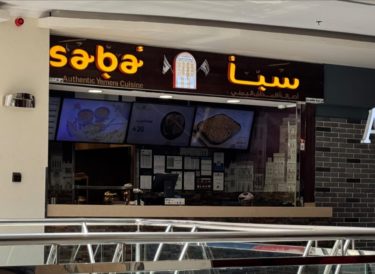
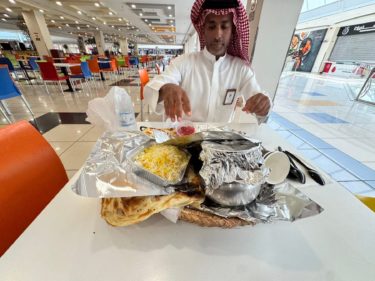
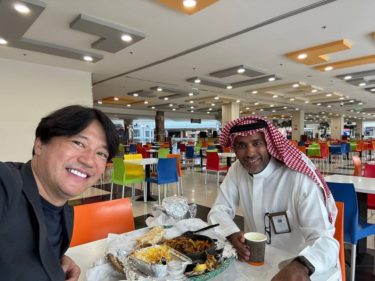
聖地マディーナでの案内をお願いしたガイドさんと、見学が終わったあと昼食をご一緒することになった。

せっかくだからと「現地のものが食べたい」とお願いすると、彼は迷うことなく地元の食堂へ連れていってくれた。
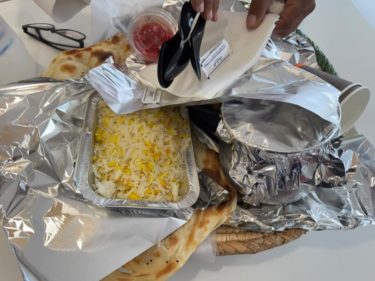
メニューは羊肉の煮込みと、サフランの香りが漂う長粒米。味付けはシンプルだが、食材の力がそのまま舌に届く。

食後はそのままプライベートカーで空港まで送ってもらった。ありがたや。

教育は「国の贈り物」

昼食での話題は、自然と家族と教育のことになった。

お互い、大学を卒業する年頃の子どもがいるという共通点もあり、会話は途切れなかった。

「サウジでは、大学を卒業するまでの学費はすべて無料なんです」と彼は言った。

思わず聞き返した。

「高校までではなく、大学まで?」
「ええ。12年間の教育すべてが国費です。」

教育の無償化――それはイスラムの理念の一つ、「知への道はすべての信徒に開かれるべき」という考え方の延長なのだろう。

日本では、子どもの教育費を捻出することが家庭の最大の課題のひとつになっている。

それに比べ、サウジアラビアでは学ぶことそのものが「国からの贈り物」になっているのだ。

世界が学びに来る国

さらに驚いたのは、世界中からアラビア語を学びに来る留学生たちの学費まで、国の奨学金で賄われているということだった。

宗教の言葉を通して文化を理解してもらうこと――。

それは単なる語学支援ではなく、「イスラムを正しく知ることが、誤解を減らす外交になる」という戦略でもある。

“Education is diplomacy.”
教育とは、最も静かな形の外交なのだ。

家族という社会の最小単位

食事の席で彼は笑いながら言った。
「私は二人の妻と、六人の子どもがいます。」

イスラム社会では特別なことではないが、実際に本人の口から聞くと、なかなかの迫力だ。

少子化に悩む日本とは対照的に、人口の伸びはここにある生活様式にも理由がある。

ただ一方で、サウジアラビアでも女性の社会進出は確実に進んでいる。

教師、医師、研究者――

かつて家の中に留まっていた女性たちは、今や社会のあらゆる場所で活躍しているという。

彼は笑いながら続けた。

「男性はお金を稼ぐと家族を作りたがる。でも女性はお金を稼げるようになると、“夫はいらない”と言い出すんです。なぜなら女性のほうが仕事ができるから。日本はどうですか?」

耳が少し痛い。

だが、世界の構造変化はここにも見える。
イスラムの国でも、時代の波は確実に届いているのだ。

旅の終わりに思うこと

教育が国家の柱であり、家族が社会の単位であり、
信仰が日常のリズムを刻む国――サウジアラビア。

この国の未来は、石油ではなく「人」そのものに宿っている。

子どもを育て、学びを与える。

それがこの国の最も強い資源なのだと、ガイドとの短い対話の中で深く感じた。

飛行機の窓から見えたマディーナの街が遠ざかる。

静かな感謝の気持ちと多くの学びともに、僕のサウジの旅は終わりを迎えた。


Final Day in Medina: In the Land of Learning and Family—

My last day in Saudi Arabia.

After finishing my tour of the holy city of Medina, my local guide kindly invited me to join him for lunch.
When I said I wanted to try something “truly local,” he didn’t hesitate—he drove straight to a small neighborhood eatery.

The meal was a stew of tender lamb served with long-grain rice fragrant with saffron.
The seasoning was simple, yet the flavor of the ingredients spoke directly to the tongue.

After lunch, he offered to drive me to the airport in his private car. I was deeply grateful.


Education as “A Gift from the Nation”

Our lunchtime conversation naturally turned to family and education.
It turned out we both had children around university age, and the talk never stopped flowing.

“In Saudi Arabia, all education up to university is free,” he said.
I blinked in surprise.
“Not just high school—but university too?”
“Yes,” he smiled. “All twelve years of schooling are fully funded by the government.”

Free education—perhaps this stems from one of Islam’s core principles:
“The path to knowledge should be open to all believers.”

In Japan, the cost of education is one of the heaviest burdens on families.
In contrast, in Saudi Arabia, learning itself is seen as a gift from the state.


A Country the World Comes to Learn From

What surprised me even more was that Saudi scholarships also cover the tuition of international students who come from around the world to study Arabic.

Through the language of religion, the kingdom seeks to share its culture and values.
It’s not just about teaching a language—it’s a form of diplomacy:
helping others understand Islam correctly, to reduce misunderstanding.

“Education is diplomacy,” I thought.
Indeed, education is the quietest—and perhaps most profound—form of diplomacy.


Family: The Smallest Unit of Society

At one point, my guide chuckled and said,
“I have two wives and six children.”

In Islamic society, that’s not unusual—but hearing it firsthand carried a certain weight.

Unlike Japan, which struggles with a declining birthrate, here population growth seems woven into the very fabric of daily life.

At the same time, women’s participation in society is clearly increasing in Saudi Arabia.
Teachers, doctors, researchers—
Women who once stayed within the home are now active in every field.

He laughed again.
“When men start earning money, they want to build a family.
But when women start earning, they say, ‘I don’t need a husband.’
Because, honestly, women are better workers!
How is it in Japan?”

I had to laugh, though the question stung a little.
But it was a glimpse of a global shift—
proof that even in Islamic countries, the waves of change have arrived.


Reflections at Journey’s End

A nation where education is the foundation,
family is the unit of society,
and faith sets the rhythm of everyday life—
That is Saudi Arabia.

Its future does not lie in oil, but in its people.

To raise children and nurture learning—
that, I realized in my brief talk with my guide, is the country’s greatest resource.

From the airplane window, I watched Medina slowly fade into the desert horizon.
With quiet gratitude and many lessons in my heart,
my journey through Saudi Arabia came to an end.


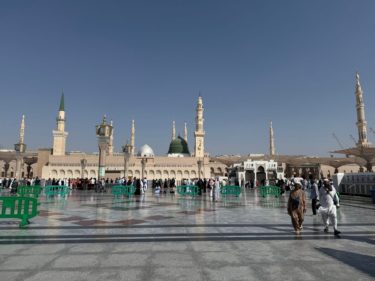
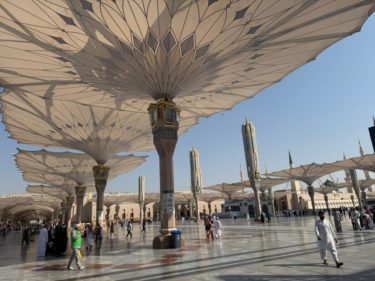
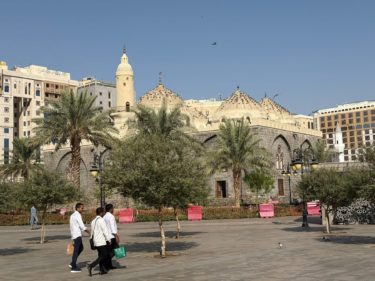
4000ものモスクから

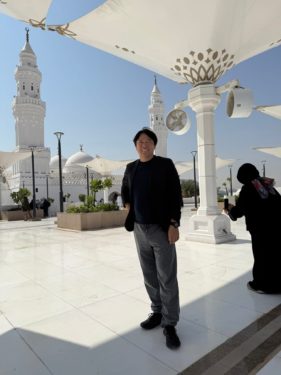
マディーナにはモスクが4000もあるそうです。


キーとなるモスクを幾つか訪れました。


特に最も巨大な預言者のモスク。


緑色のドームの下にはムハンマドが眠っています。


異教徒が入れるのはここまで。


中では本当に数多くの経験なイスラム教徒がお祈りを捧げています。


It is said that there are as many as 4,000 mosques in Medina. I visited several of the key ones, especially the largest of them all — the Prophet’s Mosque. Beneath its green dome lies the resting place of Muhammad. This is as far as non-Muslims are allowed to go. Inside, countless devoted Muslims are offering their prayers.


サウジアラビアの医療

―― サウジアラビアの医療と市中病院 ――

砂漠の国において「病院」とは単なる医療施設ではない。
それは、生命線であり、信仰にも似た共同体の守りそのものだ。

医学の大地に芽吹いた大学群

石油の富を知識へと変換する試みが、いまサウジで進行している。

かつてこの国に医科大学はわずか数校しか存在しなかった。
だがこの20年で一気に増加し、現在は 公立31校・私立6校、計37校(Ministry of Health, 2023)。
別の研究では「おおよそ30〜40校」と推計されており(ResearchGate, 2019)、
中東でも有数の医学教育拠点となった。

King Saud University、King Abdulaziz University、King Faisal University――
これらはすでに世界の医学ランキングにも登場し、
QS2025ランキングでは前者が世界165位、後者が148位に位置している。

さらに、各大学では従来の「講義中心」から「統合型・問題解決型」への転換が進み、教育の質を担保するための認証制度(accreditation)が整備されつつある。

この教育基盤の拡充が、次世代の医師を量産し、サウジ医療の中核を支える原動力となっている。
医師の数と、その構造最新統計(2023)によれば、サウジ全土の医師数は 113,300人。

そのうち サウジ国籍の医師は約4万8千人 にすぎず、
半数以上をエジプト、ヨルダン、フィリピンなどの外国人医師が占める。
人口1,000人あたりの医師数は 3.08人(World Bank 2022)。

これは世界平均(1.7人/1,000人)を大きく上回る。

しかし、問題は“分布”である。

都市部に医師が集中し、地方では慢性的な専門医不足が続く。とはいえ、この若い国がこれほど短期間で医療人材を育成したこと自体、驚異的といってよい。

大学の教員陣も欧米帰りが増え、英語教育が標準化されている。未来の医療人材の基盤は、確実に整いつつある。

市中病院という“オアシス”
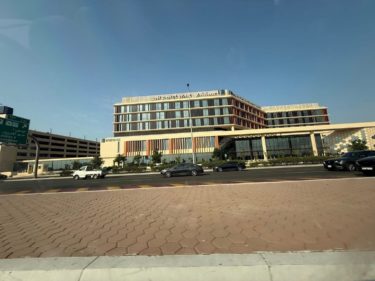
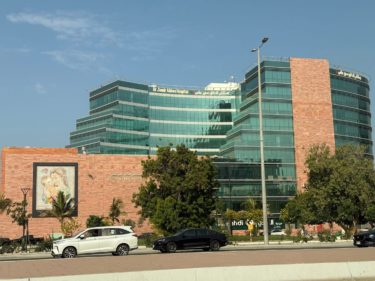
国の医療体制は、約415病院(うち公的249・私的127)で構成される。

その中核を担うのが、市中病院である。
リヤドでは「ヘルスクラスター(Health Cluster)」と呼ばれる統合運営体制が組まれ、18の病院と160のプライマリケアセンターが連携。
総ベッド数4,000床規模の地域医療圏が形成されている。

病院の廊下には英語とアラビア語が並び、看護師はフィリピン、医師はエジプトやレバノン出身。
まさに“国際医療都市”の様相を呈している。

また電子紹介制度(e-referral system)が整備され、
市中病院から専門病院への転送がスムーズになってきた。

課題と展望
ただし、砂漠の地にはまだ越えるべき岩がある。
地方では医師の数も専門性も限られ、都市との質的格差が依然として存在する。

また、研究・教育機能を持たない市中病院も多く、「治療と教育を両立する文化」はまだ萌芽段階にある。

それでも、変化の兆しは明確だ。
慢性疾患・加齢医療・美容・疼痛管理といった新領域が、
市中病院レベルで急速に導入されている。

サウジの医療は、
「量から質へ」
「治療から予防へ」
そして「輸入から創造へ」と確実に進化している。

医科大学の整備、医師の増加、病院ネットワークの再編。
この三位一体の変化が、国の医療を次のステージへ押し上げている。

市中病院は、もはや砂漠の中の孤立した建物ではない。
それは地域の心臓であり、医療という名のオアシスである。

そこには、未来のアジア型医療モデルの萌芽が確かに息づいている。


Healthcare and Public Hospitals in Saudi Arabia

In the desert country, a “hospital” is not just a medical facility. It is the lifeline and the guardian of the community, akin to faith itself.

A Network of Universities Sprouting in the Land of Medicine

Saudi Arabia is in the midst of an effort to transform its oil wealth into knowledge.

In the past, there were only a few medical schools in the country. However, in the past 20 years, the number has surged, and now there are 31 public schools and 6 private schools, totaling 37 (Ministry of Health, 2023). Other studies estimate the number at around 30 to 40 schools (ResearchGate, 2019), making it one of the leading centers of medical education in the Middle East.

King Saud University, King Abdulaziz University, King Faisal University — these institutions have already appeared in global medical rankings. In the QS 2025 rankings, King Saud University is ranked 165th in the world, while King Abdulaziz University holds the 148th spot.

Additionally, universities are transitioning from a traditional “lecture-based” model to a more integrated, problem-solving approach. Accreditation systems are being put in place to ensure the quality of education.

The expansion of this educational infrastructure is producing the next generation of doctors, driving the core of Saudi healthcare forward.

According to the latest statistics (2023), the number of doctors across Saudi Arabia is 113,300. Of these, only about 48,000 are Saudi nationals, while foreign doctors, particularly from Egypt, Jordan, and the Philippines, make up more than half. The number of doctors per 1,000 people is 3.08 (World Bank, 2022), which is well above the global average of 1.7.

However, the real issue lies in the “distribution.”

Doctors are concentrated in urban areas, while there remains a chronic shortage of specialists in rural regions. That said, it is nothing short of remarkable that such a young country has developed its medical workforce in such a short period of time.

Faculty members are increasingly returning from Europe and the U.S., and English-language education has become standardized. The foundation for the future healthcare workforce is certainly being laid.

“Oasis” of Public Hospitals

The country’s healthcare system is composed of about 415 hospitals (249 public and 127 private).

The heart of this system is the public hospitals. In Riyadh, an integrated management system called the “Health Cluster” has been established, linking 18 hospitals with 160 primary care centers. A regional healthcare network with a total of 4,000 beds has been formed.


In the hospital corridors, both English and Arabic signs are visible, with nurses from the Philippines and doctors from Egypt and Lebanon. The atmosphere is truly that of an “international medical city.”

Moreover, an e-referral system has been implemented, streamlining the process of transferring patients from public hospitals to specialized hospitals.

Challenges and Prospects

However, there are still challenges to overcome in this desert land.

In rural areas, the number and specialization of doctors remain limited, and there is still a quality gap between urban and rural healthcare.

Additionally, many public hospitals lack research and educational functions, and the culture of “balancing treatment and education” is still in its infancy.

That said, there are clear signs of change. New fields such as chronic disease management, aging-related healthcare, aesthetics, and pain management are rapidly being introduced at the public hospital level.

Saudi healthcare is unquestionably evolving:

  • “From quantity to quality”

  • “From treatment to prevention”

  • “From importation to innovation”

The transformation of medical schools, the increase in doctors, and the restructuring of the hospital network are pushing the country’s healthcare system to the next stage.

Public hospitals are no longer isolated buildings in the desert. They are the heart of the community, an oasis of healthcare.

In them, the seeds of a future Asian healthcare model are undoubtedly taking root.


サウジアラビアの美容医療

―― サウジアラビアの美容医療 ――

サウジアラビアで美容クリニックを見学したかったのですが、今回は日程の都合で叶いませんでした。

ただ、外では黒いヴェールに包まれている女性たちも、実際にはとてもおしゃれだと聞きます。

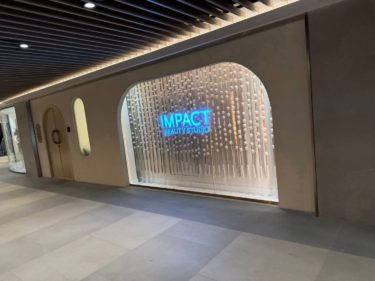
街のショッピングモールには、美容クリニックの看板がいくつも並び、東欧出身の女医が勤務しているケースも多いそうです。

砂漠の乾いた空気は、皮膚科学に正直です。

保湿・色素・たるみ――この三点が、ここでの美容医療のテーマ。

気温50度を超えることもある環境では、皮膚バリアの維持こそが「美」の土台になります。

サウジの美容医療市場では、Lasers、IPL、RF、HIFU、RFMNといったエネルギーベース機器が、この乾いた環境と戦っています。

“臨床需要 × 規制整備 × 民間投資” の三拍子が揃い、確実に良い流れができつつある印象です。

若年から中年層を中心に、外科ではなく非侵襲的な施術――レーザー脱毛、しみ・色素治療、スキンタイトニングが主戦場。

学術報告でも、サウジにおける最頻の非外科施術はレーザー脱毛であると示されています。

続いて、フィラー、ボトックス、ケミカルピーリング。
どれも「自然な変化」を求める時代の象徴です。

制度面では、サウジ食品医薬品庁(SFDA)が医療機器制度を整備。輸入・販売にはMDMA登録やMDS-G008分類などの基準が求められ、美容用途であっても“医療機器”としての認証が前提になります。

ここにも、宗教国家らしい「秩序ある美」の哲学を感じます。

臨床的な潮流としては、HIFUとRFの併用や、RFMN(Radiofrequency Microneedling)など、
多層加熱・多エネルギーの組み合わせがエビデンスとともに拡大中です。

市場全体では、美容医療(装置+施術)は中長期的に二桁成長が予測され、特に都市部リヤド・ジェッダでは民間投資が急増。

女性の社会進出に伴い、「美」が自己表現として再定義されつつあります。

黒いアバヤの下に秘めた、華やかな美意識。

それは、砂漠の中に咲く花のように――
外からは見えなくても、確かに息づいているのです。


Aesthetic Medicine in Saudi Arabia

I had hoped to visit a beauty clinic in Saudi Arabia, but due to scheduling constraints, I was unable to make it this time.

However, I’ve heard that the women who are wrapped in black veils outside are, in reality, very fashionable.

In shopping malls around the city, you can find many signs for aesthetic clinics, and it’s common for female doctors from Eastern Europe to be working there.

The dry air of the desert is very honest when it comes to dermatology.

Moisturization, pigmentation, and sagging — these are the three main themes of aesthetic medicine here.

In an environment where temperatures can exceed 50°C, maintaining the skin barrier is the foundation of “beauty.”

In the Saudi aesthetic medicine market, energy-based devices like Lasers, IPL, RF, HIFU, and RFMN are battling against the dry conditions.

The combination of “clinical demand × regulatory framework × private investment” is creating a strong and steady flow, and there’s a sense that things are definitely moving in a positive direction.

Among younger to middle-aged populations, non-invasive procedures—such as laser hair removal, pigmentation treatment, and skin tightening—are the main battlefield, as opposed to surgical methods.

Academic reports have also shown that the most common non-surgical procedure in Saudi Arabia is laser hair removal.

Next in line are fillers, Botox, and chemical peels.
These treatments reflect the era’s desire for “natural changes.”

In terms of regulations, the Saudi Food and Drug Authority (SFDA) has established a medical device system. Import and sales require MDMA registration and MDS-G008 classification, and even for aesthetic purposes, certification as a “medical device” is a prerequisite.

Here, too, you can sense the philosophy of “orderly beauty” typical of a religious state.

Clinically, combinations of multi-layer heating and multi-energy treatments, such as the combination of HIFU and RF, or Radiofrequency Microneedling (RFMN), are expanding with evidence to back them up.

In the broader market, the aesthetic medicine (devices + treatments) industry is expected to see double-digit growth in the mid-to-long term, with private investment surging, especially in urban areas like Riyadh and Jeddah.

With the increasing participation of women in society, “beauty” is being redefined as a form of self-expression.

A vibrant sense of beauty hidden under the black abaya.

Like a flower blooming in the desert—
Even though it’s not visible from the outside, it is undoubtedly alive.


カテゴリー