老化を「遅らせる」のではなく、「設計し直す」という発想 長寿物質ランキング2026 (私見)
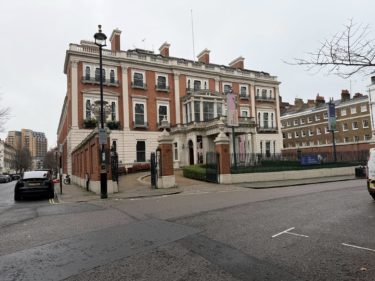
ロンドン滞在も最終日となりました。冬の朝、まだ太陽が低く、石畳がわずかに湿っている時間に目が覚めると、老化とは何かを考える瞬間があります。老化は病気ではありません。しかし、確実に進行する「現象」です。そして医学の本質とは、病気を治すこと以上に、この現象の速度をどこまで制御できるかという問いにあります。
これまで世界中の研究を見てきて確信しているのは、老化は単一の原因ではなく、エネルギー、炎症、修復能力、この三つの低下によって起こるということです。したがって、対策もこの三つに対して同時に介入しなければなりません。
第一層 エネルギーを回復させる
老化の本質は、ミトコンドリア機能の低下です。細胞が十分なエネルギーを生産できなくなると、修復も再生も止まります。ここで重要なのが、NAD⁺系の維持です。NAD⁺は年齢とともに確実に減少します。この低下は、疲労、筋力低下、認知機能低下のすべてに関係しています。
そのため僕は、NAD⁺の前駆体を補うことを基本にしています。これにより細胞は再び若い頃の代謝状態に近づきます。
同時に、クレアチンも極めて重要です。クレアチンは単なる筋肉の物質ではなく、ATPという生命エネルギーの緩衝装置です。これは脳でも同様に機能します。脳の疲労は、エネルギー不足そのものだからです。
第二層 炎症を抑制する
老化した細胞の特徴は、慢性的な微小炎症です。これは自覚症状のない静かな炎症でありながら、血管、神経、皮膚、すべてを劣化させます。これを抑制する最も基本的な要素が、オメガ3脂肪酸です。細胞膜の構造そのものを安定化させ、炎症反応を根本から変化させます。ビタミンDも同様に重要です。これは単なるビタミンではなく、遺伝子発現を調整するホルモンです。不足すると、免疫、神経、血管のすべてが不安定になります。レスベラトロールは補助的に使用します。主役ではありませんが、細胞のストレス耐性を高める作用があります。
第三層 修復能力を維持する
最も重要で、そして最も過小評価されているのが運動です。
運動は唯一、
・ミトコンドリアを増やし
・炎症を抑え
・DNA修復を促進し
・脳の神経新生を促進する
ことが確認されている介入です。
サプリメントは補助にはなりますが、運動の代わりにはなりません。特に重要なのは、筋肉への刺激です。筋肉は単なる運動器ではなく、内分泌臓器です。筋収縮によって放出される物質は、脳を保護し、老化を遅らせます。
第四層 最も重要な要素
そして最後に、最も重要なものがあります。それは睡眠です。睡眠中にのみ、脳は老廃物を排出し、細胞は修復されます。どれほど高価なサプリメントも、睡眠不足の前では無力です。
長寿物質ランキング(2026年版) 注)あくまで私見です
第1位 NMN(ニコチンアミド・モノヌクレオチド)
最も有望な長寿物質です。
NMNはNAD⁺の前駆体であり、NAD⁺は細胞のエネルギー代謝、DNA修復、ミトコンドリア機能の中心にあります。加齢とともにNAD⁺は減少し、これが老化の本質のひとつと考えられています。
NMN投与により
・インスリン感受性改善
・筋機能改善
・ミトコンドリア機能改善
がヒトで確認されています。
老化の根本原因に直接作用する点で、現在もっとも本質的な分子です。
第2位 メトホルミン
唯一、「長寿薬として大規模試験が進んでいる」薬です。
糖尿病薬ですが、
・癌発生率低下
・心血管死亡低下
・全死亡率低下
が多数の研究で確認されています。AMPK活性化により、細胞は「カロリー制限状態」と同じ代謝モードになります。これは老化抑制の最も確立したメカニズムです。
第3位 ラパマイシン
動物実験では最も強力な寿命延長物質です。mTORという「老化のスイッチ」を抑制します。マウスでは寿命を最大30%延長。ヒトではまだ長寿目的の正式適応はありませんが、老化研究の中心にある分子です。
第4位 ビタミンD
地味ですが、実は非常に重要です。ビタミンではなく、ホルモンです。
低値の人は
・死亡率上昇
・認知症増加
・癌増加
が明確に確認されています。
多くの人が不足しています。
第5位 オメガ3脂肪酸(EPA・DHA)
細胞膜そのものを構成する物質です。
・抗炎症作用
・動脈硬化抑制
・脳機能保護
があります。
慢性炎症は老化の本体であり、それを抑制します。
第6位 クレアチン
本来は筋肉用サプリですが、実は脳にも重要です。
ATPエネルギー供給を安定させます。
筋肉だけでなく、
・認知機能
・疲労耐性
・神経保護
にも関与します。
第7位 スペルミジン
オートファジーを活性化します。
オートファジーは細胞の「掃除機」です。
老化はゴミの蓄積です。
それを除去します。
第8位 レスベラトロール
有名ですが、順位はこの位置です。理由は単純で、理論は強い。しかしヒトでの効果はまだ限定的だからです。SIRT1活性化は魅力的ですが、体内での利用効率が低いのが問題です。
結論
老化は避けられません。しかし、その速度は確実に変えられます。
重要なのは、単一の物質に期待することではなく、
エネルギー
炎症
修復
この三つを同時に整えることです。これが、現在の医学が到達している「現実的な長寿戦略」です。老化とは時間の問題ではありません。それは、細胞の環境の問題なのです。
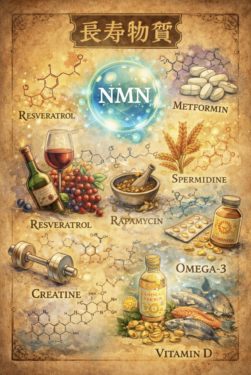
Rethinking Aging: Not “Slowing It Down,” but Redesigning It
Longevity Molecule Ranking 2026 (Personal View)
Today is my final day in London. On winter mornings, when the sun is still low and the cobblestones remain slightly damp, I sometimes wake up reflecting on what aging truly is. Aging is not a disease. Yet it is undeniably a progressing phenomenon. The essence of medicine is not merely curing disease, but asking how much we can control the speed of this phenomenon.
After reviewing research from around the world, I am convinced that aging does not stem from a single cause. It arises from the decline of three core systems: energy production, inflammation control, and repair capacity. Therefore, any meaningful strategy must intervene in all three simultaneously.
________________________________________
Layer 1: Restoring Energy
At its core, aging is mitochondrial decline. When cells can no longer produce sufficient energy, repair and regeneration slow down.
Central to this is maintaining the NAD⁺ system. NAD⁺ levels decline steadily with age, contributing to fatigue, muscle weakness, and cognitive decline.
For this reason, I consider supplementation with NAD⁺ precursors fundamental. This helps cells return closer to a youthful metabolic state.
Creatine is also critically important. It is not merely a “muscle supplement,” but a buffer system for ATP—the currency of biological energy. This applies to the brain as well. Mental fatigue is, fundamentally, an energy deficit.
________________________________________
Layer 2: Suppressing Inflammation
A hallmark of aging cells is chronic low-grade inflammation. It is often silent, yet it gradually degrades blood vessels, nerves, and skin.
Omega-3 fatty acids are foundational here. They stabilize cell membrane structure and fundamentally shift inflammatory signaling.
Vitamin D is equally essential. It is not simply a vitamin, but a hormone regulating gene expression. Deficiency destabilizes immune, neural, and vascular systems.
Resveratrol plays a supportive role. It is not central, but it enhances cellular stress resistance.
________________________________________
Layer 3: Maintaining Repair Capacity
The most important—and most underestimated—intervention is exercise.
Exercise is the only intervention confirmed to:
• Increase mitochondrial density
• Suppress inflammation
• Promote DNA repair
• Stimulate neurogenesis in the brain
Supplements can assist, but they cannot replace exercise. In particular, muscular stimulation is crucial. Muscle is not merely a mechanical organ—it is an endocrine organ. Substances released during muscle contraction protect the brain and slow aspects of aging.
________________________________________
Layer 4: The Most Important Factor
Finally, the most essential element: sleep.
Only during sleep does the brain clear metabolic waste and cells undergo repair. No matter how expensive a supplement may be, it is powerless against chronic sleep deprivation.
________________________________________
Longevity Molecule Ranking (2026 Edition)
Note: This reflects my personal view.
1st Place: NMN (Nicotinamide Mononucleotide)
Currently the most promising longevity molecule.
NMN is a precursor to NAD⁺, which lies at the center of cellular energy metabolism, DNA repair, and mitochondrial function. NAD⁺ declines with age, and this decline is believed to be one of the fundamental drivers of aging.
Human studies show that NMN administration improves:
• Insulin sensitivity
• Muscle function
• Mitochondrial function
Because it directly targets a root mechanism of aging, it ranks first.
________________________________________
2nd Place: Metformin
The only drug currently undergoing large-scale trials specifically as a longevity intervention.
Originally a diabetes medication, numerous studies associate it with:
• Reduced cancer incidence
• Reduced cardiovascular mortality
• Reduced all-cause mortality
Through AMPK activation, it shifts cells into a metabolic mode similar to caloric restriction—the most established anti-aging mechanism known.
________________________________________
3rd Place: Rapamycin
In animal studies, this is the most powerful lifespan-extending compound identified. It suppresses mTOR, often described as a “switch” of aging.
In mice, lifespan extension of up to 30% has been observed. While not yet formally approved for longevity in humans, it remains central in aging research.
________________________________________
4th Place: Vitamin D
Understated but critically important. It functions as a hormone rather than a simple vitamin.
Low levels are clearly associated with:
• Increased mortality
• Increased dementia risk
• Increased cancer risk
Deficiency is widespread.
________________________________________
5th Place: Omega-3 Fatty Acids (EPA & DHA)
Structural components of cell membranes.
They provide:
• Anti-inflammatory effects
• Atherosclerosis suppression
• Neuroprotection
Since chronic inflammation is a core driver of aging, omega-3s are foundational.
________________________________________
6th Place: Creatine
Traditionally considered a muscle supplement, but equally important for the brain.
It stabilizes ATP energy supply and supports:
• Cognitive function
• Fatigue resistance
• Neuroprotection
________________________________________
7th Place: Spermidine
Activates autophagy—the cell’s “cleaning system.”
Aging can be viewed as the accumulation of cellular waste.
Spermidine promotes its removal.
________________________________________
8th Place: Resveratrol
Well-known, but ranked here for a reason.
The theoretical foundation is strong. However, human evidence remains limited, and bioavailability is low. SIRT1 activation is attractive, but practical efficacy remains modest.
________________________________________
Conclusion
Aging is inevitable.
But its speed is modifiable.
The key is not placing hope in a single molecule, but simultaneously optimizing:
• Energy
• Inflammation
• Repair
This is the most realistic longevity strategy modern medicine has currently reached.
Aging is not fundamentally a matter of time.
It is a matter of the cellular environment.