













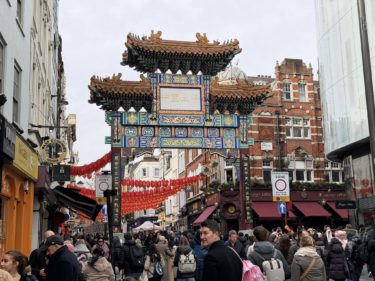
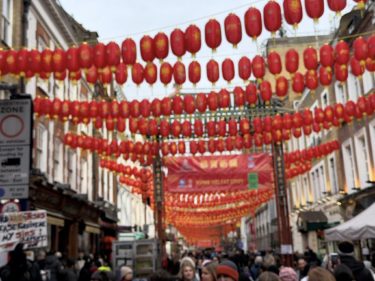
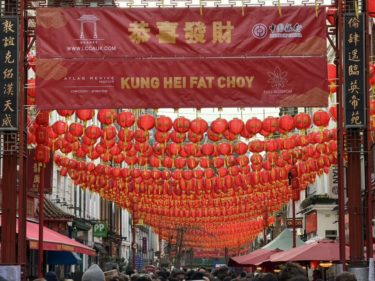
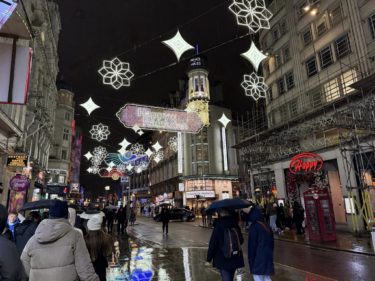
London’s Chinatown Celebrating Lunar New Year 2026

 藤本幸弘オフィシャルブログ
London’s Chinatown Celebrating Lunar New Year 2026
シャフベリーアヴェニューのハリポタ劇場の向かい、ちょうど二階建てバスのピルの裏ビルですが、三菱地所が工事を請け負っているんですね。
1000億円を超える案件。
頑張れ日本企業。
ロンドンでのオフィス大規模改修事業 「125 Shaftesbury Avenue」 本格始動 | 三菱地所
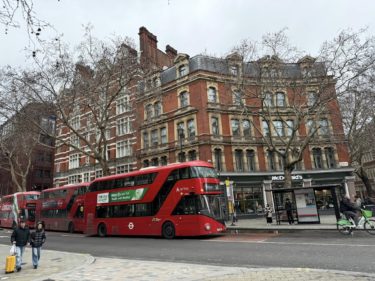
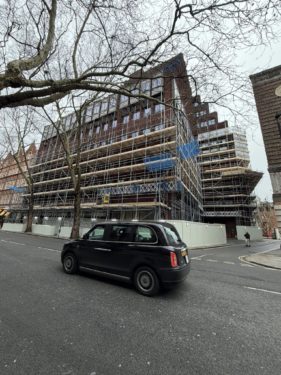
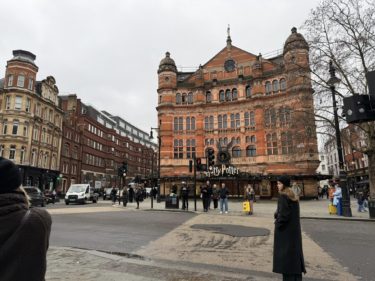
Directly across from the Harry Potter theatre on Shaftesbury Avenue—just behind the billboard featuring the double-decker bus—there’s a building where Mitsubishi Estate is undertaking the construction work.
It’s a project worth over 100 billion yen.
Go, Japanese companies!
大英博物館 特別展「Samurai」
OMG!
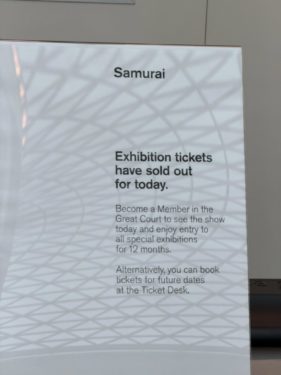
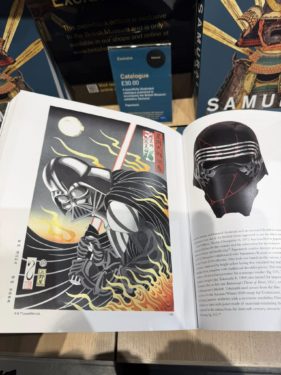
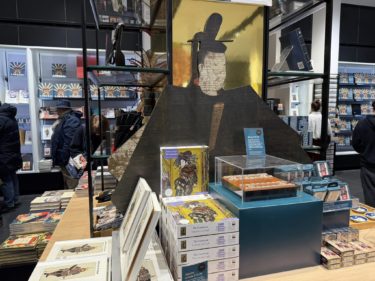
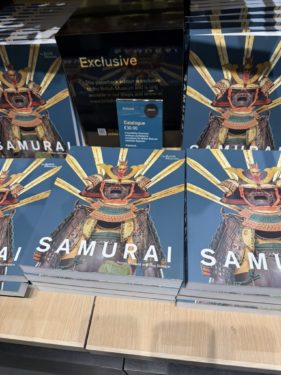
大英博物館サムライ人気を舐めてました。やってきたところ本日のチケットは完売だそうです。ただし、サムライ専用の大きなお土産屋さんもあり、詳しいガイドブックも売っていましたので、何が展示されていたかはわかりました。
ロンドンの大英博物館で現在開催されている特別展「Samurai」は、日本の武士の本当の姿を1000年の歴史の中で再検証する大規模な企画展です。
開催期間:2026年2月3日〜5月4日
場所:Sainsbury Exhibitions Gallery(Room 30)
展示数:約280点(甲冑・刀・浮世絵・書・工芸・現代アートなど)
サムライの歴史を何段階かに分けて説明しているのは斬新でした。
1.戦う者としてのサムライ(平安〜戦国)
弓や槍を主武器とした騎馬戦士
戦場の甲冑、合戦図屏風などが展示
刀は象徴的存在であり、主武器はむしろ弓や長柄武器だった
2.平和の中で文化人へ(江戸時代)
徳川幕府の260年の平和により、武士は戦士から官僚へと変化します。行政官・裁判官・消防・税務官 書道、茶道、香道の担い手。芸術のパトロンとしての役割。つまり、サムライとは軍人ではなく、統治エリート階級だったのです。
3.武士の消滅と神話化(明治以降)
1869年、武士階級は制度として消滅します。しかしその後、武士道という理念として再構築され、国家精神の象徴へ。
4. 現代では映画・ゲーム・スターウォーズにまで影響という形で、文化的象徴として生き続けています。
特に重要な展示:英国王に贈られた甲冑
徳川秀忠が英国王ジェームズ1世に贈った甲冑も展示されています。これは単なる武具ではなく、外交のための「国家の象徴」だった甲冑です。これは是非観たかったです。
興味深い事実:サムライの半数は女性だった
今回の展示で特に注目されているのが、女性武士の存在です。武士階級の約半数が女性だった時代もある。戦闘だけでなく政治・外交にも関与。巴御前などの実在の女性武士が紹介されている。などが興味深かったですね。
本展の核心メッセージ
この展覧会が問いかけているのは、極めて本質的なテーマです。サムライとは、刀ではなく「精神の構造」だった。
戦士 → 官僚 → 文化人 → 神話
という変化の中で、サムライは物理的存在から精神的象徴へと進化しました。
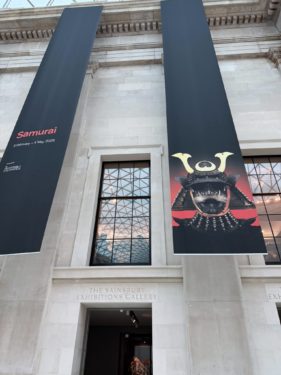
The British Museum Special Exhibition: “Samurai”
OMG!
I seriously underestimated the popularity of the Samurai exhibition at the British Museum. When I arrived, I was told that tickets for today were completely sold out. However, there was a large Samurai-themed gift shop and a detailed guidebook available, so I was still able to learn what had been on display.
The special exhibition “Samurai”, currently being held at the British Museum in London, is a large-scale project that reexamines the true nature of Japan’s samurai across 1,000 years of history.
Dates: February 3 – May 4, 2026
Location: Sainsbury Exhibitions Gallery (Room 30)
Number of exhibits: Approximately 280 items (armor, swords, ukiyo-e prints, calligraphy, crafts, contemporary art, and more)
One innovative aspect of the exhibition is that it explains the history of the samurai in several distinct phases.
Mounted warriors whose primary weapons were bows and spears.
Battlefield armor and folding screens depicting famous battles are displayed.
Although the sword is symbolic, the main weapons were actually bows and polearms.
During the 260 years of peace under the Tokugawa shogunate, samurai transformed from warriors into bureaucrats.
They served as administrators, judges, firefighters, and tax officials.
They were also practitioners of calligraphy, tea ceremony, and incense ceremony, and acted as patrons of the arts.
In other words, samurai were not merely military men, but the ruling elite of society.
In 1869, the samurai class was abolished as a formal institution.
However, it was later reconstructed as the ideology of Bushidō, becoming a symbol of national spirit.
Today, the samurai live on as a cultural symbol, influencing films, video games, and even Star Wars.
A Particularly Important Exhibit: The Armor Gifted to a British King
One of the most significant pieces on display is the suit of armor presented by Tokugawa Hidetada to King James I of England.
This armor was not merely a piece of military equipment, but a diplomatic “symbol of the state.”
I truly wish I could have seen it in person.
An Intriguing Fact: Half of the Samurai Were Women
One of the most notable aspects of this exhibition is its focus on female samurai.
There were periods in which women made up roughly half of the samurai class.
They were involved not only in combat but also in politics and diplomacy.
Historical female warriors such as Tomoe Gozen are introduced, which I found particularly fascinating.
The Core Message of the Exhibition
The exhibition raises a profoundly essential question:
The samurai were not defined by the sword, but by a structure of spirit.
Warrior → Bureaucrat → Cultural Figure → Myth
Through this transformation, the samurai evolved from a physical presence into a spiritual and cultural symbol.
なぜ『オペラ座の怪人』はオペラではなく、ミュージカルとして生まれたのか
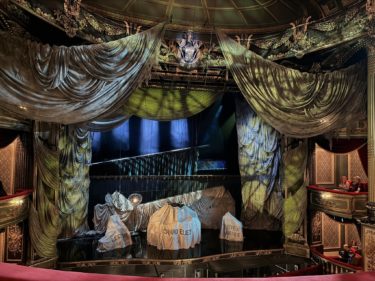
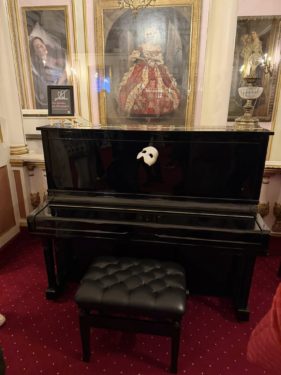
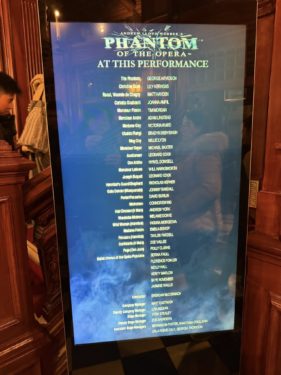
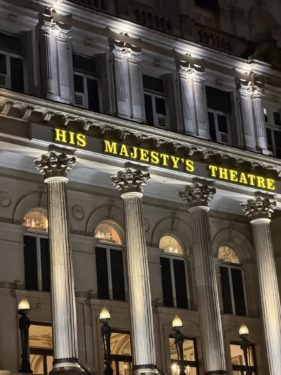
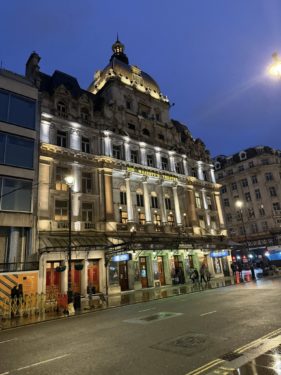
ロンドン最後の夜。His Majesty’s Theatreに大好きなミュージカル「オペラ座の怪人」を観にきました。
2022年9月8日、エリザベス2世が崩御し、チャールズ3世が即位して、Her Majesty’s Theatre(女王陛下の劇場)だった名称が、His Majesty’s Theatre(国王陛下の劇場)へと変更されたのです。
このミュージカルはそれこそ20回以上観ているでしょうか。劇場の名前が変わってからは初めてかもしれません。今はニューヨークでも観られなくなってしまったんですよね。本当に音楽が素晴らしく、舞台も豪華、ストーリーも大好きですが、久しぶりに観ると圧倒されますね。
客席に座り、開演前の静寂の中で天井を見上げていると、ふと奇妙な感覚に包まれます。この劇場で上演されている作品は、題名に「オペラ座」とありながら、実はオペラではない。これは単なる名称の問題ではなく、19世紀から20世紀にかけて起きた音楽の「主役交代」を象徴する事件なのです。
オペラとは本来、「声が主役」の芸術でした。モーツァルト、ヴェルディ、ワーグナー。彼らの作品では、音楽の中心は常に声であり、オーケストラはその精神を支える「身体」の役割を担っていました。声は神に最も近い音であり、劇場は神殿でした。オペラ歌手は単なる演者ではなく、神話の媒介者だったのです。
しかし19世紀後半になると、都市の構造そのものが変わり始めます。産業革命によって中産階級が誕生し、芸術は貴族のための儀式から、市民のための体験へと変化しました。ここで決定的な変化が起きます。「声」から「物語」へと、重心が移動したのです。
オペラでは、時間は止まります。有名なアリアの瞬間、物語は進行を停止し、登場人物の内面が永遠のように引き伸ばされる。例えば《椿姫》の「Sempre libera」では、ヴィオレッタは物語の中にいながら、時間の外側に立っています。これは現実の時間ではなく、精神の時間です。
一方でミュージカルでは、時間は止まりません。音楽は物語を前進させるための推進力として機能します。『オペラ座の怪人』の「The Music of the Night」は美しい旋律ですが、それは単なる心理描写ではなく、クリスティーヌを地下へ導く「力」そのものです。音楽が時間を止めるのではなく、空間を変形させるのです。
ここに、決定的な違いがあります。
オペラは垂直的な芸術です。神へ向かう運動。上昇する音。超越への志向。一方でミュージカルは水平的な芸術です。都市の中を移動し、地下へ降り、再び地上へ戻る。これは近代都市そのものの構造です。
『オペラ座の怪人』の舞台はパリ・オペラ座ですが、その本質はオペラではなく、「地下構造」にあります。ファントムは地下に住んでいます。彼は舞台の上ではなく、都市の下に存在する。これは象徴的です。19世紀のオペラが天上を志向したのに対し、20世紀の芸術は地下を発見したのです。
医学的に言えば、これは大脳皮質から辺縁系への重心移動です。オペラは前頭葉の芸術です。理性、構造、美。しかしミュージカルは辺縁系の芸術です。情動、記憶、欲望。『オペラ座の怪人』が世界中の観客に直感的に理解されるのは、それが理性ではなく、より古い脳に直接作用するからです。
アンドリュー・ロイド=ウェバーは、この構造を本能的に理解していました。彼はワーグナーのように神話を描こうとはしなかった。代わりに、「都市そのもの」を神話に変えたのです。地下に住む音楽家。顔を隠した天才。理解されない愛。これはギリシャ神話ではなく、近代都市が生んだ新しい神話です。
『オペラ座の怪人』は単なる恋愛劇ではありません。あれは、人間の存在の構造そのものを描いた作品です。怪人は怪物だから地下に住んでいるのではありません。愛されなかったから地下に住むしかなかったのです。
彼は音楽という、宇宙の秩序に最も近い言語を理解する知性を持ちながら、その肉体の外見ゆえに社会から排除されました。つまり彼は、「理解する能力」と「理解されない運命」の両方を同時に背負った存在です。この構造は、程度の差こそあれ、すべての人間の内部に存在します。
考えてみれば、現代の我々も同じ構造の中に生きています。地上では理性的な社会生活を送りながら、地下では誰にも見せない情動が蠢いている。ファントムとは、我々自身の深層構造の投影なのです。
だからこそ、この作品はオペラではなく、ミュージカルとして生まれなければならなかった。オペラという形式では、この「地下」は描けなかったのです。ミュージカルという、より柔軟で都市的な形式だけが、この物語を成立させることができた。
ロンドンの夜、劇場を出ると、石畳の下に地下鉄が走っています。誰もその存在を意識しません。しかし都市は、その地下構造によって支えられている。怪人がニューヨークのコニーアイランドに居を移したLove Never Diesという続編もありますが、ファントムは、消えたのではありません。彼は今も、都市の下で音楽を書き続けているのでしょうね。
Why The Phantom of the Opera Was Born as a Musical, Not an Opera
On my final night in London, I went to see my beloved musical The Phantom of the Opera at His Majesty’s Theatre.
On September 8, 2022, Elizabeth II passed away, and Charles III ascended the throne. As a result, the venue’s name changed from Her Majesty’s Theatre to His Majesty’s Theatre.
I have probably seen this musical more than twenty times. It may have been my first visit since the theatre’s name changed. It is no longer running in New York, after all. The music is magnificent, the staging lavish, and I love the story deeply — yet watching it again after some time, I was overwhelmed anew.
Sitting in the audience before the curtain rose, gazing at the ceiling in the pre-performance silence, I felt a curious sensation. The work being staged here contains the word “Opera” in its title — yet it is not an opera. This is not merely a matter of terminology. It symbolizes a historical shift in music from the 19th to the 20th century — a change of protagonist.
Opera was originally an art in which the voice was sovereign. Wolfgang Amadeus Mozart, Giuseppe Verdi, Richard Wagner — in their works, the voice was always central, while the orchestra served as the “body” supporting its spirit. The human voice was the sound closest to God; the theatre was a temple. Opera singers were not merely performers, but mediators of myth.
By the late 19th century, however, the very structure of cities began to change. The Industrial Revolution gave birth to the middle class, and art shifted from an aristocratic ritual to a civic experience. At that moment, a decisive transformation occurred: the center of gravity moved from voice to story.
In opera, time stops. During a famous aria, the narrative halts, and the character’s inner life is stretched toward eternity. In La Traviata, for example, during “Sempre libera,” Violetta stands outside chronological time. It is not real time, but psychological time.
In musical theatre, by contrast, time does not stop. Music functions as propulsion, advancing the narrative. In The Phantom of the Opera, “The Music of the Night” is a beautiful melody — but it is not merely psychological expression. It is the very force that draws Christine underground. Music does not suspend time; it transforms space.
Here lies the decisive difference.
Opera is vertical art — movement toward the divine, ascending sound, transcendence. Musical theatre is horizontal art — moving through the city, descending underground, returning to the surface. It mirrors the structure of the modern metropolis.
Though set in the Paris Opera House, the essence of The Phantom of the Opera lies not in opera itself, but in its subterranean structure. The Phantom lives underground. He does not inhabit the stage above, but the city below. This is symbolic. While 19th-century opera aspired toward heaven, 20th-century art discovered the underground.
If I may borrow a medical metaphor, this is a shift from the cerebral cortex to the limbic system. Opera is the art of the frontal lobe: reason, structure, beauty. Musical theatre is the art of the limbic system: emotion, memory, desire. The reason The Phantom of the Opera resonates so intuitively with global audiences is that it speaks not to rationality, but to an older brain.
Andrew Lloyd Webber understood this instinctively. He did not attempt to write myth in the Wagnerian sense. Instead, he transformed the city itself into myth. A musician living underground. A genius hiding his face. Love that cannot be understood. This is not Greek mythology; it is a new mythology born of the modern city.
The Phantom of the Opera is not merely a romance. It depicts the very structure of human existence. The Phantom does not live underground because he is a monster; he lives underground because he was never loved.
He possesses the intelligence to understand music — a language closest to the order of the universe — yet he is excluded from society because of his physical appearance. He embodies both the capacity to understand and the destiny of being misunderstood. In varying degrees, this structure exists within all of us.
Modern life reflects the same duality. On the surface, we live rational social lives. Beneath that surface, unseen emotions stir. The Phantom is a projection of our own deep structure.
That is why this work had to be born as a musical, not an opera. The operatic form could not have depicted this “underground.” Only the more flexible, urban form of musical theatre could sustain this narrative.
When you leave the theatre at night in London, the Underground runs beneath the cobblestones. Few people consciously notice it. Yet the city is supported by its subterranean structure.
The Phantom was later imagined to have moved to Coney Island in the sequel Love Never Dies. But he has not vanished. He is still there — somewhere beneath the city — writing music in the dark.
カティサーク ― 速度が価値だった時代の象徴
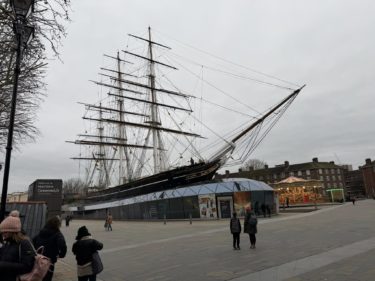
ロンドン南東部グリニッジに保存されているカティサークは、1869年に建造された高速帆船です。この船。父が好きで家に模型がありましたので覚えています。
中国から英国へ紅茶を誰よりも速く運ぶために作られた「ティー・クリッパー」であり、当時の最先端技術の結晶でした。
そのため船は極限まで合理化されました。船体は細く、マストは高く、帆の面積は最大化されました。風のエネルギーを無駄なく推進力へ変換する、まさに流体力学の結晶です。最速時には17ノット(約31km/h)を超え、当時の帆船としては驚異的な速度でした。
しかし時代は残酷です。カティサークが完成した1869年は、まさに蒸気船とスエズ運河の時代の始まりでした。蒸気船は風を必要とせず、スエズ運河を通過できたため、帆船は競争で不利になりました。カティサークは最速の帆船でありながら、時代の変化には勝てなかったのです。
それでもこの船は消えませんでした。その理由は、「技術的完成度」にあります。蒸気機関は燃料に依存しますが、帆船は自然のエネルギーのみで動きます。外部エネルギーを必要としない完全なシステム。その美しさは、現代のどんな機械にもない純粋性を持っています。
グリニッジで船体の下に立つと、その設計思想がよく分かります。無駄が一切ない。すべては速度のために存在しています。美しいですね。
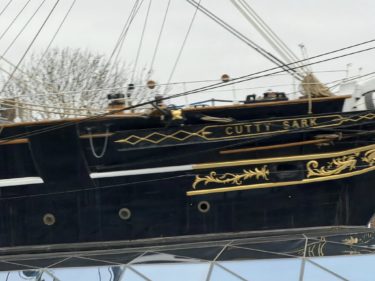
Cutty Sark — A Symbol of an Age When Speed Meant Value
Preserved in Greenwich in southeast London, the Cutty Sark is a high-speed sailing ship built in 1869. I remember it well because my father loved the ship and kept a model of it at home.
It was constructed as a “tea clipper,” designed to transport tea from China to Britain faster than any competitor — a crystallization of the most advanced technology of its time.
To achieve this, the ship was engineered to its absolute limits. The hull was narrow, the masts towering, and the sail area maximized. It converted the energy of the wind into propulsion with extraordinary efficiency — truly a masterpiece of fluid dynamics. At its fastest, it exceeded 17 knots (about 31 km/h), an astonishing speed for a sailing vessel of that era.
Yet history can be unforgiving. The year of Cutty Sark’s completion, 1869, also marked the dawn of the steamship age and the opening of the Suez Canal. Steamships required no wind and could pass through the canal, placing sailing vessels at a severe competitive disadvantage. Though Cutty Sark was the fastest of her kind, she could not outrun the tide of technological change.
And yet, she did not disappear.
The reason lies in her technical perfection. Steam engines depend on fuel; sailing ships move solely by natural energy. A self-contained system requiring no external power source — there is a purity in that design unmatched by modern machinery.
Standing beneath her hull in Greenwich, one clearly understands the philosophy behind her construction. There is no waste. Every line, every structure exists for one purpose: speed.
It is, simply, beautiful.