













TakahiroFujimoto.com

HOME MAIL
HOME PROFILE BOOKS MUSIC PAPERS CONFERENCES BLOG MAIL CLOSE

BLOG 藤本幸弘オフィシャルブログ

BLOG|ブログ

1月18日作陶教室のお知らせ

1月18日日曜日 作陶教室のお知らせ
昨晩は、北鎌倉にある魯山人の登り窯を継承する河村喜史先生の其中窯へ、昨年後半に作った自分の作品たちを迎えに行ってきました。
新聞紙に包まれた器を、今朝クリニックでそっと開いてみると、窯から出た直後とはまた違う表情が立ち上がってくる。
光の入り方、空間、置かれる場所によって、器は驚くほど語り始めます。
――やはり、作陶は楽しいですね。
【作陶教室のご案内】
来る 1月18日(日)、半蔵門の ゴルフ医科学研究所 にて、河村喜史先生による 作陶教室 を開催します。土に触れ、形をつくり、焼成を経て初めて立ち上がる「用の美」。日常とは異なる時間軸に身を置く体験は、感覚を静かに整えてくれます。
作陶時間:約2時間
13:00〜
16:00〜
参加費:1回 20,000円 カード支払い可 領収書有り
制作数:最大 2作品まで
対象:初心者歓迎 小学生でも参加できます
現在、まだ参加者募集中です。
ご興味のある方は、ぜひこの機会にご参加ください。
メッセージいただければ、1月18日作陶スレッドにご招待します。
器は、使われて完成する。
そして、作る時間そのものが、すでに豊かな体験です。

Pottery Workshop Announcement

Sunday, January 18

Last night, I visited Kichuyo kiln, run by Mr. Kifumi Kawamura, who carries on the tradition of Rosanjin’s noborigama (climbing kiln) in Kita-Kamakura, to pick up the pieces I had made in the latter half of last year.
When I gently unwrapped the newspaper-covered vessels at the clinic this morning, they revealed expressions quite different from those they had immediately after emerging from the kiln.
Depending on how the light falls, the surrounding space, and where they are placed, the vessels begin to speak—surprisingly vividly.

—Yes, pottery-making truly is a joy.


Pottery Workshop Information

On Sunday, January 18, we will be holding a pottery workshop led by Mr. Kifumi Kawamura at the Golf Medical Science Institute in Hanzomon.

Touching the clay, shaping it by hand, and allowing it to fully emerge only after firing—this is the beauty of utility (yō no bi). Spending time within a rhythm different from everyday life quietly recalibrates the senses.

Workshop details

  • Duration: Approximately 2 hours

  • Sessions:

    • 1:00 PM –

    • 4:00 PM –

  • Fee: ¥20,000 per session

    • Credit cards accepted

    • Receipts provided

  • Number of works: Up to 2 pieces per participant

  • Eligibility: Beginners welcome; elementary school children may also participate

We are currently still accepting participants.
If you are interested, please take this opportunity to join us. Send me a message, and I will invite you to the January 18 pottery thread.

A vessel is completed through use.
And the time spent creating it is already, in itself, a richly rewarding experience.


冬のソナタと感情のアンチエイジング

2026年、外来開始にあたって――『冬のソナタ』と「感情のアンチエイジング」
本日より、2026年のクリニックFの外来を開始いたします。本年もどうぞよろしくお願い申し上げます。
この連休中、僕は20年以上前の名作『冬のソナタ』を初めて鑑賞しました。年末年始の再放送を録画し、一気に全話を辿ってみたのです。
NHK地上波で再放送された2004年は僕も忙しい診療の中、夜は医学博士論文を仕上げるといった、ほとんどドラマやテレビと無関係な生活を送っていました。
今あらためて冷静に分解すれば、記憶喪失、異母兄弟疑惑、幾重にも重なる偶然の再会……。設定だけを見れば、正直「無理筋」のオンパレードです。
しかし、アンチエイジングに携わる医学者の視点で見ると、この作品は別の顔を見せてくれます。それは、当時の日本女性にとっての「感情の再生医療」(笑)、だったのではないか、という仮説です。
1. 国家の「教育」を飛び越えた、個人の「情緒」
日韓感情がたびたび冷え込む背景には、根深い歴史教育の問題があります。
教育は往々にして「国家」や「民族」を主語にし、対立の構図をアイデンティティとして植え付けます。
政治が冷え込むたび、脳内の「警戒アラート」が作動し、他者への不信感が募る。これは生物学的に見れば、慢性的なストレス状態に近いものです。
2002年の日韓W杯ですら、実際にはナショナリズムによる摩擦を強く刻み込み、集団感情を硬化させました。
その直後、まったく別のルートから入り込んだ『冬のソナタ』は、歴史を語らず、政治を持ち込まず、国家を主語にしないという手法で、個人の内側にある「回復されていなかった情緒」に直接アプローチしたのだと思います。
教育が植え付けた「不審な隣国」というフィルターを、個人の共感という「ドーパミンとオキシトシン」が鮮やかに上書きしてしまったのです。
2. 韓国では「流行」、日本では「救い」という名のアンチエイジング
ここで興味深いのが、日韓での受け止められ方の温度差です。
• 韓国でのリアル: 視聴層は主に中高生。ファッションが話題になる、若者向けトレンディドラマ。
• 日本でのリアル: 団塊世代から団塊ジュニア世代の女性が熱狂。「人生を救われた」と語られるほどの社会現象。
韓国の若者にとっての「流行」が、日本の成熟した世代にとっては「救い」になった。これは、長らく「感情の冬」を過ごしてきた世代が、この物語を浴びることで枯渇していた瑞々しい情緒を再起動させたことを意味します。
アンチエイジングとは単に見た目を整えることではなく、こうした「心の可塑性」を取り戻すことでもあります。
3. 「感情の安全設計」とペ・ヨンジュンの正体
なぜこれほどまでに刺さったのか。それは、この作品が徹底して「感情の安全設計」で作られていた点にあります。
暴力も、奪い合いも、殺伐とした競争もない。
「急かさない、壊されない」ことが保証されている世界。その中心にいたペ・ヨンジュンは、日本のドラマが描いてきた「無口で不器用な男」とは正反対の、「感情を言葉にし、相手を待ち、尊重する」という成熟した情緒のアイコンでした。
彼女たちが愛したのは韓国という国そのものではなく、「自分の心が求めていた、丁寧な扱い」を鏡のように映し出してくれる物語だったのでしょう。
設定はめちゃくちゃ、でも感情は本物
脚本術としては「盛りすぎ」な設定。
しかし、その非日常的なファンタジー性こそが、日常の酸化ストレスにさらされた心の「飢え」を正確に撃ち抜きました。
韓国側からすれば「なぜ今さらこれが?」という戸惑い(誤読)もあったでしょう。しかしその解釈のズレこそが、政治や教育という「上からの構造」を無効化し、感情のレベルで相手を「怖くない存在」に変えてしまった。
『冬のソナタ』は、いわば当時の日本女性の個人的な片思いであり、韓国サイドは冷ややかに見ていたので、日韓関係を構造的に変えたわけではありません。
しかし、「美しい感情に触れることで、人は他者への警戒を解き、それこそ内側から若返ることができる」という事実を、外交やスポーツよりも先に示してくれました。
21世紀の日韓感情史において、本作は一度だけ訪れた、静かで幸福な春だったのかもしれませんね。
ーーーーーーーーー
21世紀以降の日韓感情をまとめるとこんな感じでしょうか?。
欧州でもそうですが、隣り合った国というのは主義主張も異なり、共存は難しいですね。
【第1期】2000–2002年:形式的な友好、感情は未整理
21世紀初頭、日本と韓国は「未来志向」を掲げていました。
その象徴が、FIFAワールドカップの日韓共催です。
制度・外交レベルでは前進。
しかし感情レベルでは――
ナショナリズムの顕在化
誤審・不公平感の記憶
「競争による摩擦」
結果として、表向きは協力、内心では不信という、ねじれた状態を残しました。
【第2期】2003–2006年:文化が感情を先に溶かした
この「感情の宙ぶらりん状態」に、まったく別ルートから入ってきたのが、冬のソナタです。重要なのはタイミング。
韓国放送:2002年
日本受容:2003–2004年
W杯の“後処理”の時期に、日本社会へ浸透した。
ここで起きたのは、
国家理解 → ×
歴史和解 → ×
個人的親近感 → ◎
とくに日本の中年女性層において、
「韓国=感情的に安全な他者」という印象が形成されました。
これは外交史的には異例です。文化が、感情レベルで外交を追い越した瞬間でした。
【第3期】2007–2012年:揺り戻しと現実化
感情の雪解けは永続しません。
領土問題
教科書問題
歴史認識の再燃
この時期、日本では
「韓流は好きだが、政治は別」
という分離認知が広がります。
つまり、感情は溶けたが、記憶は消えなかった。
【第4期】2013–2017年:再び冷却、しかし断絶せず
政治的緊張が高まる一方で、K-POPやドラマは若年層を中心に定着。
嫌韓/好韓という二極化
世代による温度差
ここで日韓感情は、「一様に冷たい」状態から、「層によって違う」状態へ移行します。
【第5期】2018年以降:分断されたまま共存
2018年前後を境に、日韓感情は「良い・悪い」では測れなくなります。
政治・安全保障:冷
エンタメ・生活文化:温
個人レベル:無関心〜実利的
つまり現在は、感情がバラバラに分散した状態です。

2026: The Start of Outpatient Services — Winter Sonata and “Emotional Anti-Aging”

As of today, we begin our outpatient services at Clinic F for 2026.
I sincerely appreciate your continued support this year as well.

During the recent holiday break, I watched the classic Winter Sonata for the very first time—more than twenty years after its original release. I had recorded the year-end and New Year rebroadcast and watched all episodes in one stretch. When it was rebroadcast on NHK terrestrial television in 2004, I myself was immersed in a demanding clinical schedule and spending my nights finishing my doctoral dissertation in medicine—living a life almost entirely disconnected from television dramas.

Viewed calmly and analytically now, the story is full of familiar tropes: amnesia, suspicions of half-siblings, layers upon layers of coincidental reunions. Judging by its plot devices alone, it is frankly a parade of implausibilities.

However, when viewed through the eyes of a physician engaged in anti-aging medicine, this work reveals a very different face. One might hypothesize that it functioned as a kind of “emotional regenerative medicine” (with a smile) for Japanese women at the time.


1. Personal Emotion That Leapt Over National “Education”

One background factor behind the recurring chill in Japan–Korea relations lies in deeply rooted issues of historical education. Education often takes the “nation” or “ethnicity” as its subject, embedding confrontation as part of identity. Whenever politics cools, an internal “alert system” is triggered, heightening distrust toward others. From a biological perspective, this resembles a state of chronic stress.

Even the 2002 Japan–Korea World Cup, in reality, strongly etched friction born of nationalism and hardened collective emotions.

Immediately afterward, Winter Sonata entered through a completely different route. It spoke neither of history nor politics, and it did not take the nation-state as its subject. Through this approach, it directly accessed the “unrecovered emotions” within individuals.

The filter of “the suspicious neighboring country” implanted by education was vividly overwritten by dopamine and oxytocin generated through personal empathy.


2. “A Trend” in Korea, “A Salvation” in Japan — Anti-Aging by Another Name

What is particularly intriguing is the stark difference in how the series was received in the two countries.

  • The Korean reality:
    The main audience consisted of middle and high school students. It was a trendy youth drama, with fashion becoming a topic of conversation.

  • The Japanese reality:
    Women from the baby boomer generation through the boomer junior generation were enthralled. It became a social phenomenon, with some saying it “saved their lives.”

What was a “trend” for Korean youth became a “salvation” for Japan’s mature generations. This suggests that a generation that had long endured an “emotional winter” reactivated the fresh emotional vitality that had been depleted, simply by immersing themselves in this story. Anti-aging is not merely about refining outward appearance; it is also about restoring this kind of emotional plasticity.


3. “Emotional Safety by Design” and the True Nature of Bae Yong-joon

Why did it resonate so deeply? Because the series was meticulously constructed around “emotional safety.” There is no violence, no struggle for possession, no brutal competition. It is a world in which one is guaranteed not to be rushed or broken.

At its center stood Bae Yong-joon—an icon of mature emotionality who stood in stark contrast to the “taciturn, awkward man” often depicted in Japanese dramas. He verbalized emotions, waited for the other person, and showed respect.

What these women loved was not Korea as a nation, but a story that mirrored back the “careful, respectful treatment” their own hearts had been yearning for.


Absurd Settings, Genuine Emotions

From a screenwriting perspective, the plot is undeniably overstuffed. Yet it was precisely this extraordinary, fantastical quality that struck accurately at the “hunger” of hearts exposed daily to oxidative stress in ordinary life.

From the Korean side, there may well have been confusion—“Why is this resonating now?”—a kind of misreading. But that very gap in interpretation neutralized the “top-down structures” of politics and education, transforming the other into someone who no longer felt frightening at an emotional level.

Winter Sonata was, in a sense, a personal one-sided love affair of Japanese women at the time, observed coolly from the Korean side. It did not structurally transform Japan–Korea relations. Yet it demonstrated—earlier than diplomacy or sports—that by encountering beautiful emotions, people can release their guard toward others and genuinely rejuvenate from within.

In the emotional history of Japan–Korea relations in the 21st century, this work may have been a single, quiet, and happy spring.


A Rough Periodization of Japan–Korea Emotional Relations Since the 21st Century

Perhaps it can be summarized as follows. As in Europe, neighboring countries often differ in ideologies, making coexistence inherently difficult.

Phase 1: 2000–2002 — Formal Friendship, Unprocessed Emotions

At the start of the 21st century, Japan and Korea championed a “future-oriented” relationship.
The symbol was the jointly hosted FIFA World Cup.

  • Institutional and diplomatic progress

  • Yet emotionally:

    • The surfacing of nationalism

    • Memories of controversial refereeing and perceived unfairness

    • Friction born of competition

The result was a twisted state: cooperation on the surface, distrust beneath.


Phase 2: 2003–2006 — Culture Melted Emotions First

Into this emotionally suspended state entered Winter Sonata from an entirely different route. Timing was crucial.

  • Broadcast in Korea: 2002

  • Reception in Japan: 2003–2004

It permeated Japanese society during the “post–World Cup cleanup” phase.

What occurred was:

  • National understanding → ✕

  • Historical reconciliation → ✕

  • Personal sense of closeness → ◎

Especially among middle-aged Japanese women, an image formed of “Korea as an emotionally safe other.”
From a diplomatic-historical perspective, this was exceptional—a moment when culture overtook diplomacy at the level of emotion.


Phase 3: 2007–2012 — Recoil and Reality

Emotional thaw does not last forever.

  • Territorial disputes

  • Textbook controversies

  • Renewed debates over historical recognition

In Japan, a form of cognitive separation spread:

“I like Korean pop culture, but politics is another matter.”

Emotions had softened, but memories had not disappeared.


Phase 4: 2013–2017 — Cooling Again, Without Rupture

While political tensions intensified, K-pop and dramas took root among younger generations.

  • Polarization into pro- and anti-Korea sentiments

  • Generational temperature gaps

Japan–Korea emotions shifted from being “uniformly cold” to “layered and differentiated.”


Phase 5: From 2018 Onward — Coexistence Amid Fragmentation

Around 2018, Japan–Korea emotions could no longer be measured simply as good or bad.

  • Politics and security: cold

  • Entertainment and daily culture: warm

  • At the personal level: indifference to pragmatism

In short, we now live in a state where emotions are dispersed and fragmented.


男はなぜ早く死ぬのか

男はなぜ早く死ぬのか——「設計図」を卒業する日
機内で、映画『F1』を観ました。
ブラッド・ピット演じるベテランレーサーと、若くテストステロンの高いドライバーたち。
彼らは危険を承知で限界に踏み込み、時に衝突し、時に激しい口論を繰り広げながら走り続ける。
その姿を眺めながら、僕は正直にこう思いました。
「ああ、これが男なのだな」と。
F1という世界は、現代に残された数少ない“公認された危険地帯”です。
速度、衝突、死の可能性。
理性では回避すべきリスクを、彼らは職業として引き受ける。
これは単なる無謀なのでしょうか。
それとも、私たちの進化の深層に刻まれたプログラムが、最も露骨な形で表出しているだけなのでしょうか。
◎テストステロンという「聖域」のエネルギー
医学的に見れば、テストステロンは攻撃性を高め、衝動性を上げ、リスク評価を甘くする因子です。
臨床の場ではしばしば、健康リスクを抑えるために「制御したい対象」となります。
しかし、テストステロンにはもう一つの、極めてポジティブな側面があります。
それは、「困難に立ち向かう意欲」「未知を切り拓くバイタリティ」「何かを成し遂げようとする情熱」そのものだということです。
映画の中で描かれる男たちは、このホルモンがもたらす圧倒的なエネルギーによってしか到達できない世界に身を置いています。
誰よりも速く走るために、誰よりもリスクを引き受け、自らを奮い立たせる。
その突破力こそが、文明を推し進めてきた原動力でもありました。
それは、精子が数と速度で勝負し、ただ一つのゴールを目指して突き進む「生命の躍動」と、驚くほどよく似ています。
◎男が早く死ぬのは「設計」である
「男が早く死ぬのは、むしろ、そうなるように設計されてきたのだ」
医療やアンチエイジングに日々向き合っている立場からすると、この考え方は非常に刺激的です。
医学の世界では、寿命の差をホルモンや生活習慣の違いで説明しますが、進化の視点はさらにその「前提」を問い直します。
かつての狩猟採集社会。
男性は高いテストステロンを武器に、危険な狩りや未知の土地の探索を担いました。
男性は一定数が失われても集団は存続できますが、女性が失われれば集団そのものが消えてしまう。
この構造の中では、男性がリスクを引き受け、結果として早く亡くなることは、進化的にはむしろ「合理的」でした。
精子が代替可能な存在として「数と速度」に特化したように、男もまた、種を維持するための「使い捨てのOS(基本ソフト)」を実装して進化してきたのです。
◎「古いOS」を「知性」で乗りこなす
しかし、重要な事実があります。男性がこれほど長生きできるようになったのは、人類史においてごく最近、文明と医療がもたらした成果に過ぎないという点です。
医療の現場には、「いまだに20代の走り方をしている50代男性」が少なからず存在します。
睡眠を削り、慢性的な炎症を抱え、ストレスを武器だと勘違いしたままアクセルを踏み続ける。
それは本当の意味でテストステロンを使いこなしているとは言えません。
アップデートを忘れた「古いOS」に、身体が振り回されている状態です。
F1の世界で、マシンの限界を知り尽くしたベテランが、若手にはない鮮やかなライン取りを見せるように、私たちもまた、OSを書き換える必要があります。
◎結論:「役割」としての死から、「個」としての生へ
「男はもともと短命なのだから仕方がない」のではありません。
むしろ逆です。
テストステロンがもたらす「前へ進む力」というギフトを最大限に活かしつつ、その副作用である「身体へのダメージ」を医療と知性でコントロールする。
これこそが現代の男に求められる戦略です。
体調を数値で把握し、炎症や疲労を放置せず、早めに医療を頼る。
それは牙を抜かれることではなく、「より長く、より激しく、人生というレースを楽しむためのピット作業」なのです。
生物としての役割——「種を繋ぐための使い捨ての役」を終えた後。
そこから先にある時間は、人類史上、男たちが初めて手に入れた「個として生きる自由時間」なのだと僕は思います。
アクセルを踏み続ける情熱を失わず、同時に、ラインを読み、ブレーキを使いこなす知性を手に入れる。
それは“男らしさ”を捨てることではありません。むしろ、初めて自分の人生というマシンを、真の意味でドライブし始めるということなのです。
次にコーナーが来たとき、あなたは反射的に踏み込みますか。それとも、一瞬だけ計器を確認しますか。
その一瞬の差が、「役割として生きる男」と、「個として生きる男」を分けるのかもしれません。


Why Do Men Die Younger? — The Day We Graduate from the “Blueprint”

On a flight, I watched the film F1.

A veteran racer played by Brad Pitt, alongside younger drivers overflowing with testosterone.

Fully aware of the danger, they push past their limits—sometimes colliding, sometimes erupting into fierce arguments—yet they keep racing.

Watching them, I found myself thinking honestly:

Ah. This is what men are.

The world of Formula 1 is one of the few remaining “officially sanctioned danger zones” in modern society.

Speed.
Collision.
The possibility of death.

Risks that reason would normally tell us to avoid are, for them, a profession.

Is this mere recklessness?

Or is it simply the most unfiltered expression of a program etched deep into our evolutionary past?


Testosterone: The Energy of a “Sacred Zone”

From a medical standpoint, testosterone increases aggression, heightens impulsivity, and dulls risk assessment.

In clinical settings, it is often treated as something to be controlled in order to reduce health risks.

Yet testosterone has another side—one that is profoundly positive.

It is, quite literally, the drive to confront difficulty, the vitality to carve into the unknown, and the passion to accomplish something meaningful.

The men depicted in the film inhabit a world that can only be reached through the overwhelming energy this hormone provides.

To run faster than anyone else, they accept greater risk than anyone else and push themselves beyond reason.

That very breakthrough force is what has propelled civilization forward.

It closely resembles the surge of life itself—sperm competing through sheer number and speed, rushing relentlessly toward a single goal.


Men Die Younger Because They Were “Designed” To

“Men die younger because that’s how they were designed.”

From the perspective of someone who works daily with medicine and anti-aging, this idea is deeply provocative.

Medical science explains differences in lifespan through hormones and lifestyle habits.
Evolutionary thinking, however, questions the assumptions beneath those explanations.

In hunter-gatherer societies, men wielded high testosterone to take on dangerous hunts and explore unknown territories.

A group could survive the loss of some men.
The loss of women, however, threatened the survival of the entire group.

Within that structure, it was evolutionarily rational for men to shoulder risk—and to die earlier as a result.

Just as sperm evolved to specialize in “quantity and speed” because they are replaceable, men too evolved with a kind of disposable operating system—optimized not for longevity, but for the continuation of the species.


Mastering the “Old OS” with Intelligence

There is, however, one crucial fact.

The fact that men now live this long is an extremely recent achievement in human history—made possible only by civilization and modern medicine.

In clinical practice, I often see men in their 50s who are still “driving” their lives the way they did in their 20s.

Cutting sleep.
Living with chronic inflammation.
Mistaking stress for strength while keeping the accelerator floored.

That is not true mastery of testosterone.

It is the body being dragged along by an outdated operating system that was never updated.

Just as a veteran F1 driver—who fully understands the limits of the machine—can draw cleaner, more elegant racing lines than younger drivers, we too must rewrite our OS.


Conclusion: From Living as a “Role” to Living as an “Individual”

It is not that “men were meant to be short-lived, so it can’t be helped.”

The truth is the opposite.

The modern strategy for men is this:
to fully harness the gift of testosterone—the drive to move forward—while using medicine and intelligence to control its side effects, namely physical damage.

Monitor your health with data.
Do not ignore inflammation or fatigue.
Seek medical help early.

This is not about losing your edge.

It is pit work—necessary maintenance so that you can race longer, harder, and enjoy the race called life.

After fulfilling our biological role—our once “disposable function” of carrying the species forward—what comes next is something unprecedented in human history:

Time.

Time for men to live as individuals.

To keep the passion to press the accelerator, while also acquiring the intelligence to read the line and use the brakes.

That is not abandoning masculinity.
It is, for the first time, truly driving the machine that is your own life.

When the next corner comes, will you step on the gas reflexively?
Or will you glance at the gauges for just a moment?

That single moment may be what separates a man who lives as a role
from a man who lives as an individual.


東急と京急

【乗客のマナーや落ち着き】


電車に乗ると民度がわかるというか、僕は鎌倉出身なので東京〜神奈川路線は
東急 ≧ 小田急 ≧ JR ≧ 京急


こんな感じかなあ。


写真は江ノ電です。


自分は強運側にいるという初期設定

晴れ男か雨女か——それは、運の話ではありません
僕は、自分は晴れ男だと思っています。
それは、空を操れるという意味ではありません。
「自分は運がいい側の人間だ」という初期設定を、ずっと手放さずにいる、というだけの話です。
晴れ男と雨女の違いは、起きている出来事の差ではありません。
同じ雨に降られても、それをどう記憶し、どう物語にするか。その編集の仕方が違うだけです。
晴れた日はしっかり覚え、外れた日は軽く流す。そうやって人生のアルバムは、少しずつ青空寄りになっていきます。
ただし、思い返してみるとこれは大人になって突然身につく考え方ではありません。
「運がいいと思える力」は、こどもの頃からのトレーニングだと思っています。
嫌な思いをした経験、理不尽だった記憶、うまくいかなかった出来事。
そのたびに、「自分はついてない」と結論づけたのか
「まあ致命傷ではない」と一度棚に上げたのか。
その分岐点が、何度も何度も積み重なって、思考の癖になります。
運がいいと思っている人は、傷つかなかった人ではありません。
むしろ、ちゃんと嫌な思いもしています。
ただ、その出来事を致命傷にしないしまい方を、早い段階で覚えただけです。
ちなみに僕も3月生まれで身体も小さかったので、いじめなどの洗礼は人並み以上に受けました。
その上で、出来事をどうしまうか、自分に何と言って次に進むかを、長い時間をかけて練習してきたのだと思います。
適度なストレスと、それに対する自己対応のトレーニングは必要なんですよね。
ハラスメントはいけませんが、全てダメだと国家が決めてしまうと、対応方法を考えず、消費者意識だけが強い他力本願の人材しか輩出できなくなる。
晴れ男であることの正体は、とても地味です。
天気予報を無視する勇気でも、根拠のない楽観でもありません。
ただ、「自分は運がいいと思っている」という姿勢を、何度も更新し直してきた結果にすぎません。
結局、晴れ男か雨女かを分ける最後の一行は、いつもここに戻ってきます。
——運がいいと思っているかどうか。
それだけで、人生の天気図は、案外しっかり変わっていきます。
結局のところ、運がいいと思っている人でないと、成功しないのだと思います。
これは根性論でも精神論でもなく、もっと構造的な話です。
成功する人を見ていると、「自分はうまくいく側にいる」という前提を、ほとんど疑っていません。
失敗しても、「今回は違っただけ」「まだ途中です」と処理して、歩幅を変えずに進み続けます。
この立ち直りの速さが、行動量を落とさない最大の理由です。
そして大事なのは、この考え方は大人になってから急に身につくものではない、という点です。
「運がいいと思えるかどうか」は、かなりの部分が子どもの頃からのトレーニングです。
嫌なことがあったとき、「だから自分はダメなんだ」と結論づけたのか、「まあ、こういう日もあります」と一度保留にできたのか。
この小さな分岐が、何度も何度も積み重なって、思考の初期設定になります。
だから、子どもに教えるべきことがあるとしたら、テストの点や肩書きよりも、先にこれかもしれません。
「人生は、思っているより自分の味方です」
そう考えていい、という感覚です。
運がいいと思っている人は、世界を甘く見ているわけではありません。
世界を信頼したまま、何度でも踏み出せる人です。
そしてその姿勢が、あとから「成功」と呼ばれる場所に、静かに連れていきます。
晴れ男か雨女か。
その違いは運命ではありません。
どこかの時点で身につけた、考え方の初期設定にすぎないのです。
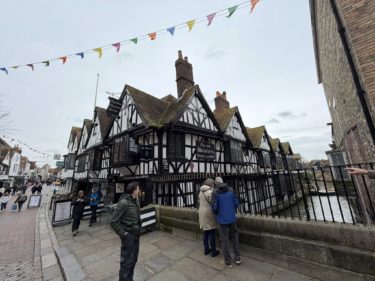
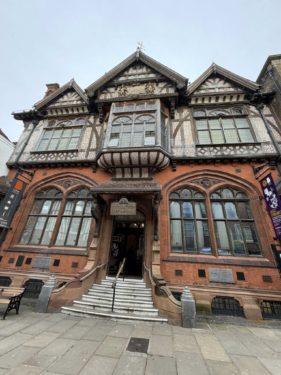
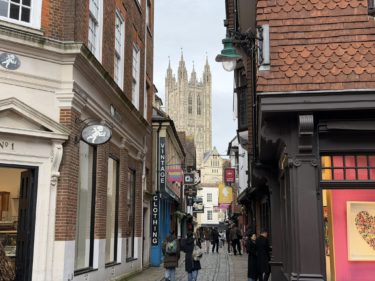
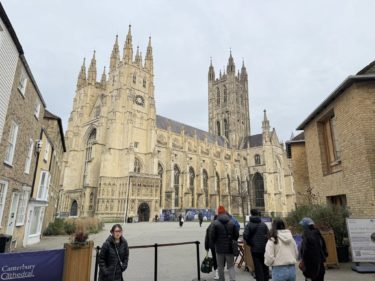
写真は僕の携帯から探した運が上がりそうな写真です。実際どうなんでしょうね。


カテゴリー