













京都ヘリポートより桜パトロール。
薬師寺、法隆寺、矢田寺、石舞台古墳。
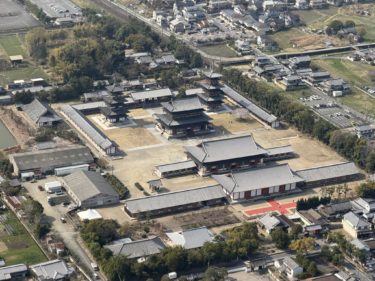
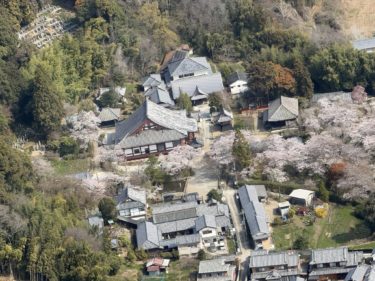
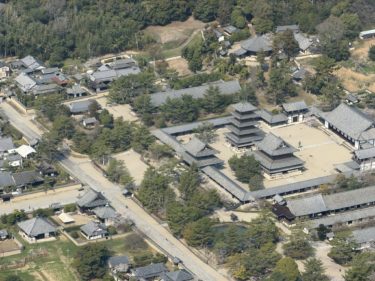
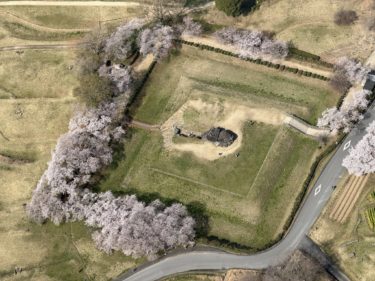
Cherry blossom patrol from Kyoto Heliport.
From the air: Yakushi-ji, Hōryū-ji, Yata-dera, and Ishibutai Kofun.

 藤本幸弘オフィシャルブログ
京都ヘリポートより桜パトロール。
薬師寺、法隆寺、矢田寺、石舞台古墳。
Cherry blossom patrol from Kyoto Heliport.
From the air: Yakushi-ji, Hōryū-ji, Yata-dera, and Ishibutai Kofun.
今日は西へ。
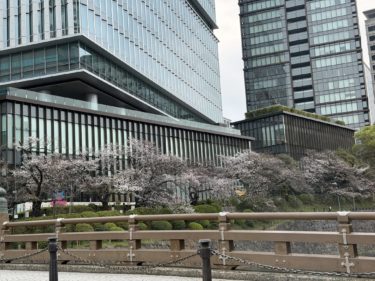
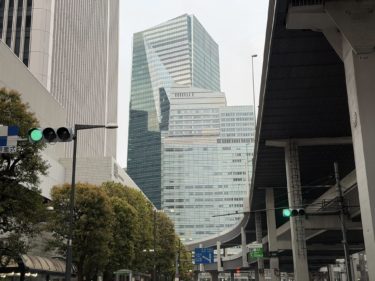
10分早く出て、早朝の赤坂の桜を楽しんできました。
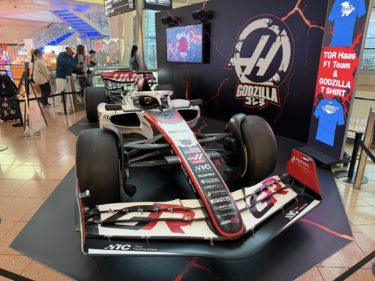
羽田は6時から大混雑。
ああ春休みだからですね。
https://www.facebook.com/1486146253/videos/pcb.10242752577698987/1505129224378165
Heading west today. I left ten minutes earlier than usual and took a moment to enjoy the cherry blossoms in Akasaka in the early morning.
Haneda Airport was already extremely crowded from 6 a.m. — of course, it’s spring vacation season.
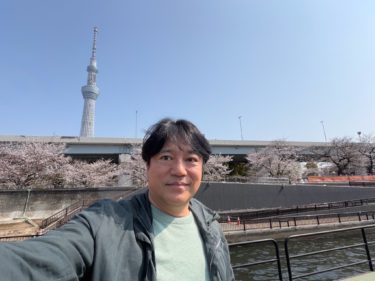
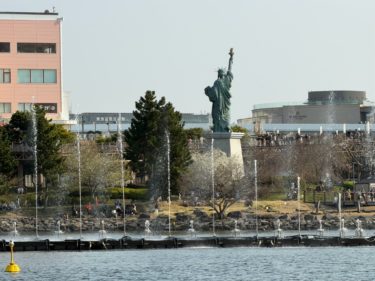
東京は水の都なんだなあとしみじみ思う。

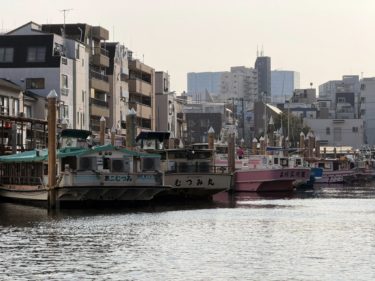
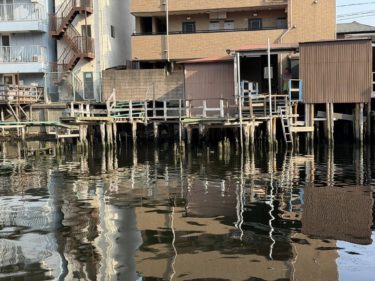
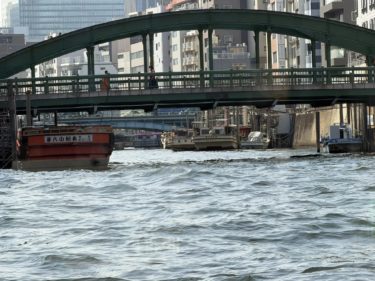
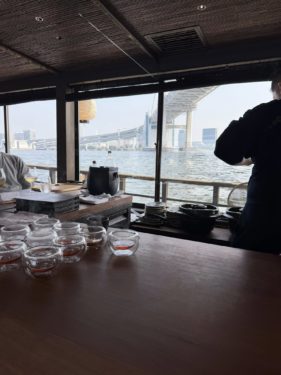
Standing here, I’m reminded once again that Tokyo truly is a city of water.
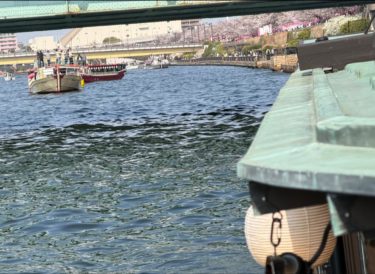
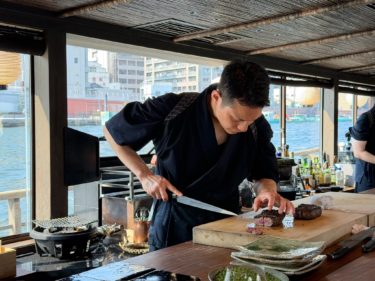
春うらら。隅田川の屋形船に揺られながら、川面に映る桜を眺めていると、ふと「この風景は誰が作ったのか」という問いに行き着きます。
結論から言えば隅田川沿いの桜の起源は、江戸幕府第8代将軍 徳川吉宗公の植樹なのですよね。
享保年間(18世紀前半)、吉宗は庶民の娯楽と江戸の防災・景観整備を兼ねて、現在の墨田区側、すなわち 墨田公園 一帯に桜を植えさせました。特に有名なのが「小梅堤」「寺島堤」と呼ばれた堤防で、ここに多数の桜が植樹され、江戸庶民の花見文化が一気に花開きます。この政策は単なる景観づくりではなく、実に多層的な意味を持っていました。
春の行楽地を提供し、庶民の不満を和らげる「治世の技術」
定期的に人が集まる事で河川堤防が踏み締められることで整備、洪水対策と都市インフラを強化
江戸という都市のブランド価値を高める「文化政策」
つまり、隅田川の桜は“自然発生的な名所”ではなく、将軍の意思によって設計された都市空間だったわけです。いまだに楽しめるのはありがたいですね!
https://www.facebook.com/1486146253/videos/pcb.10242742333402886/2149068505930527
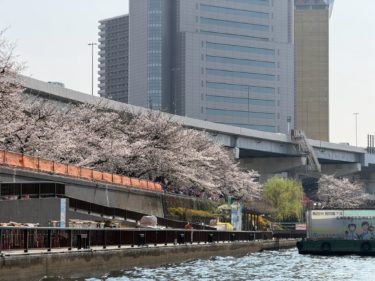
Spring in full bloom.
As I gently sway on a traditional yakatabune boat along the Sumida River, gazing at the cherry blossoms reflected on the water’s surface, a thought suddenly comes to mind: Who created this landscape?
The answer, in fact, leads back to the planting initiatives of the eighth shogun of the Edo shogunate, Tokugawa Yoshimune.
During the Kyōhō era in the early 18th century, Yoshimune ordered the planting of cherry trees along the Sumida River. His intention was not only to provide leisure for ordinary townspeople but also to contribute to urban disaster prevention and landscape improvement in Edo. The plantings were carried out mainly on the eastern bank of the river, in what is now the area around Sumida Park in today’s Sumida Ward.
Two embankments became particularly famous: Koume-tei and Terajima-tei, where large numbers of cherry trees were planted. These locations quickly blossomed into celebrated viewing spots, and the culture of hanami—cherry-blossom viewing—flourished among the people of Edo.
What is fascinating is that this policy was far more than simple beautification. It carried several layers of meaning:
Providing seasonal leisure for townspeople and easing social tensions—an example of the art of governance.
Encouraging people to gather along the riverbanks, naturally reinforcing the embankments through foot traffic, thereby strengthening flood control and urban infrastructure.
Enhancing the cultural prestige and brand value of Edo as a city through a deliberate cultural policy.
In other words, the cherry blossoms along the Sumida River were not a “naturally occurring scenic spot.” They were a carefully designed urban space, shaped by the vision of a shogun.
The fact that we can still enjoy this landscape today is something to be truly grateful for.
僕は自分のクリニックを紀尾井町から麹町さらに平河町へ移していますので、気がつけば千代田区のこの地域に20年以上いる事になります。レーザークリニックとしては命綱である電源を、千代田区なら確実に確保できるだろうとの読みもありました。
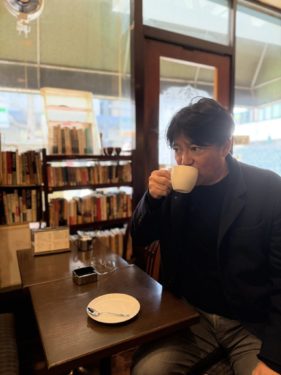
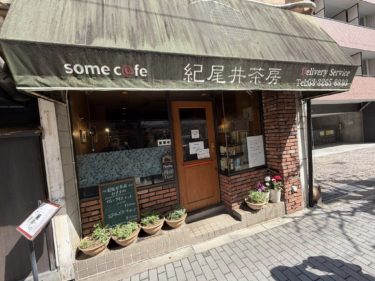
特に紀尾井町周辺には、ほとんど毎日のように足を運んでいたはずなのですが、一軒のコーヒー店の存在に気づきました。場所は文藝春秋のすぐ近く。聞けば、50年の歴史を持ち、作家の先生方もよく訪れる店とのことです。
これまで何度も前を通っていたにもかかわらず、僕はその存在を一度も「認識」していませんでした。
見えているのに、見えていない
人間の脳は、実に不思議なものです。
視界に入っていても、それが意味を持たなければ「見えていない」のと同じになります。これは認知科学でいう「選択的注意」という現象で、我々は必要だと判断した情報だけを拾い上げて世界を認識しています。
Simonsらの有名な研究では、バスケットボールのパス回数に注意を向けさせると、画面中央を横切るゴリラに気づかない被験者が多く存在したと報告されています。
つまり私たちは、「視覚」で見ているのではなく、「意味」で世界を見ているのです。
今回いただいたのはグアテマラコーヒーでした。派手さはありませんが、奥行きのあるコクと、穏やかな酸味。長く続いてきた店に特有の、時間の積層のような味わいです。
コーヒーというのは単なる嗜好品ではなく、ある種の時間芸術だと感じます。焙煎、抽出、そしてその場所に蓄積された人の営み。それらが一杯の中に凝縮されています。
なぜ気づかなかったのか
興味深いことに、そのすぐ隣にある、同じビルのつじ田 麹町店には、これまで何度も足を運んでいました。同じ空間にありながら、ラーメン店は認識され、喫茶店は完全にスルーされていたわけです。これは単なる偶然ではなく、「目的に合致する情報だけを拾う」という脳のフィルターが働いていた結果でしょう。
都市は、まだ見ぬ層でできている
この地域に20年いても、まだ新しい発見があります。それは街が変わったからではなく、自分の認知が変わったからです。見えるものは常にそこにあり、ただそれに意味を与えるタイミングが遅れていただけなのだと思います。
考えてみれば医療の現場でも、同じことを感じることがあります。
同じ患者さんを見ていても、ある瞬間に突然、本質が立ち上がってくることがある。それは新しい情報が加わったというより、「見える準備が整った」瞬間なのかもしれません。
グアテマラの一杯を飲みながら、ふと考えます。
この20年、自分は何を見てきて、何を見逃してきたのか。そしてこれからの20年、どのような「見えていなかったもの」に出会うのか。
都市も、人間も、まだまだ奥深いものです。
Kioicho, A Cup Twenty Years in the Making
I have moved my clinic from Kioicho to Kojimachi and then to Hirakawacho, and before I knew it, I have spent more than twenty years in this part of Chiyoda Ward. One practical reason was that, as a laser clinic, a stable power supply is literally a lifeline, and I assumed that in Chiyoda Ward it would be reliably secured.
Although I must have walked around the Kioicho area almost every day, I recently noticed a coffee shop that I had somehow overlooked. It is located very close to the headquarters of Bungeishunju. I learned that the shop has a history of over fifty years and is a place often visited by writers.
Despite having passed by it countless times, I had never once truly recognized its existence.
Seeing, yet not seeing.
The human brain is a truly mysterious thing.
Even if something enters our visual field, if it carries no meaning for us, it is almost the same as if we never saw it at all. In cognitive science, this phenomenon is known as selective attention—we perceive the world by picking up only the information our brain deems relevant.
In a famous study by Simons and colleagues, participants were asked to focus on counting basketball passes. Many of them failed to notice a person in a gorilla suit walking across the center of the screen.
In other words, we do not see the world merely with our eyes; we see it through meaning.
The coffee I ordered was a cup of Guatemalan coffee. It was not flashy, but it had a deep body and a gentle acidity. It carried a layered richness that seemed to reflect the accumulation of time—something unique to establishments that have endured for decades.
Coffee, I often feel, is not merely a beverage of preference but a kind of temporal art. The roasting, the brewing, and the countless human stories that accumulate in a place over the years—all of these are condensed into a single cup.
Why hadn’t I noticed it before?
Interestingly, right next door in the same building is Tsujita Kojimachi, a ramen shop I have visited many times. The two places exist in the same space, yet while the ramen shop was clearly recognized, the coffee shop had been completely filtered out of my awareness.
This is hardly a coincidence. Rather, it reflects the brain’s filtering mechanism—one that selectively captures only the information aligned with our immediate purpose.
Cities are made of layers we have yet to see.
Even after twenty years in this neighborhood, I continue to encounter new discoveries. It is not that the city has changed; rather, my perception has.
The things we see were always there. The timing of when they acquire meaning for us simply arrives later.
When I think about it, I often experience something similar in clinical practice.
Even when observing the same patient, there are moments when the essential insight suddenly emerges. It is not necessarily that new information has appeared; perhaps it is simply the moment when one is finally ready to see.
As I sip this cup of Guatemalan coffee, I find myself reflecting.
Over the past twenty years, what have I truly seen—and what have I overlooked? And in the next twenty years, what unseen things will finally come into view?
Cities, like human beings, still hold remarkable depths waiting to be discovered.