TakahiroFujimoto.com

HOME MAIL
HOME PROFILE BOOKS MUSIC PAPERS CONFERENCES BLOG MAIL CLOSE

BLOG 藤本幸弘オフィシャルブログ

BLOG|ブログ

チェロとワインの会

昨日は25名以上の方をお迎えして、チェロとワインの会の最終回。


僕も音楽が脳と身体に与える影響について、講演させていただきました。

最後は金子さんが留学していたハンガリーの作曲家 リゲティとコーダイの無伴奏チェロソナタでしたが、コーダイは全身鳥肌が立つような素晴らしい演奏でした。


24回の開催を重ねてきましたが、金子鈴太郎さんが地方の交響楽団に就職のため、一旦最終会を迎える事となりました。

終了後には近くのお店で打ち上げを。


この会にも20名以上が集まり、盛大に鈴太郎さんの送り出しを行う事ができました。

室内楽の生演奏を聴きながら、その曲にマリアージュさせたワインを提供する企画は、今後も続けてゆきたいと思っています。乞うご期待。


Yesterday, we hosted the final session of the “Cello and Wine” event with over 25 guests. I also had the opportunity to give a lecture on the impact of music on the brain and body.

The last piece featured Hungarian composers from the country where Kaneko-san had studied: Ligeti and Kodály’s unaccompanied cello sonatas. The performance of Kodály’s piece was absolutely stunning, sending shivers down my spine. This event marked the 24th session, and with Kaneko Suzutaro-san moving to a regional symphony orchestra, this has become the final one for now.

Afterward, we gathered at a nearby restaurant for a celebration. More than 20 people joined us, and we were able to send Suzutaro-san off in grand style.

The concept of pairing live chamber music performances with wines that complement the pieces is something I hope to continue in the future. Stay tuned!


クラブを握りました Finally picked up my clubs again

帰国して3週間ぶりにクラブ握りました。

明日は時差ぼけ解消ゴルフからの、ゴルフ医科研開催のチェロとワインの会、最終回(15時から)です。

まだ席は用意できるそうなので、よろしかったら足をお運びください。

チェリスト金子鈴太郎さんが地方の交響楽団に就職が決まったたので、明日は最終公演会。

皆で送り出しをしてあげたいですね!

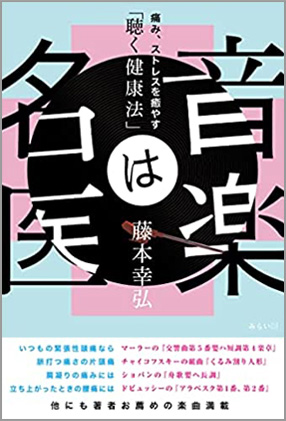
僕がラフマニノフのピアノコンチェルト第2番の指揮をした「音楽は名医」の企画が縁で、その後のコロナ禍中に始まったのですが、もう5年間、24回も開催出来ました。

今後も何か形を変えて音楽家の支援は続けていきたいですね。


It’s been three weeks since I returned to Japan, and today I finally picked up my clubs again.

Tomorrow, I’ll be playing a round of golf to shake off my jet lag, followed by the final session of The Cello and Wine Gathering hosted by the Golf Medical Research Society, starting at 3 p.m.
It seems there are still some seats available, so please feel free to join us if you’re interested.

Our cellist, Rintaro Kaneko, has been appointed to a regional symphony orchestra, so tomorrow will be his final performance with us. Let’s give him a warm send-off together.

This event actually began about five years ago, during the pandemic, inspired by the project “Music as the Master Healer”—where I conducted Rachmaninoff’s Piano Concerto No. 2. Since then, we’ve managed to hold it 24 times.

I hope to continue supporting musicians in some form even as the program evolves in the future.


砂漠の薔薇 Desert Rose

「砂漠の薔薇」ってご存知ですか?

昔から好きで、今回の出張で自分に買った唯一のお土産。お土産店ではなく、砂漠で買ったので驚くほど安いんです。

鉱物学的には、「砂漠の薔薇」は石膏(Gypsum)や重晶石(Barite)が砂漠地帯で花のような形に結晶化したものを指します。

砂と鉱物が風と水分でゆっくりと再結晶化し、まるで花弁が幾重にも重なった薔薇のような造形を作るため、「自然が咲かせた花」として珍重されています。

古代エジプトでは、「永遠の愛」や「再生」の象徴ともされ、現代でもスピリチュアルな文脈では「忍耐」「静かな情熱」を意味します。

僕が個人的に思い出すのは、スティング(Sting)の名曲 “Desert Rose”(1999)。

アラビックな旋律が記憶にありますね。

「一つとして同じ形がない」ことから「神の創造の多様性」を象徴するものとされています。

クリニックFの待合にしばらく飾っておこうと思います。

宜しかったらご覧くださいね。


Do you know “Desert Rose”?

I’ve always loved it, and this time it’s the only souvenir I bought for myself during my business trip. Since I got it in the desert—not from a souvenir shop—it was surprisingly inexpensive.

From a mineralogical point of view, a “Desert Rose” refers to formations of gypsum or barite that crystallize in desert regions into flower-like shapes. Sand and minerals slowly recrystallize through the effects of wind and moisture, creating structures that resemble layers of rose petals. Because of this, it’s cherished as a “flower blossomed by nature.”

In ancient Egypt, it symbolized eternal love and rebirth, and even today, in spiritual contexts, it represents patience and quiet passion.

Personally, it always reminds me of Sting’s classic song “Desert Rose” (1999)—that haunting Arabic melody still lingers in my memory.

Since no two Desert Roses are ever the same, they are said to embody “the diversity of God’s creation.” I think I’ll display mine for a while in the waiting area of Clinic F. Please have a look if you get the chance.


遅延で朝の3時 Flight delay again

マニラ発のフライトも遅延し、ようやく自宅にたどり着いたのは今朝3時前。

でも、おかげさまでなんとか連休中に帰国できました。

今回のトラブルは、出国前に届いた「予定されたフライトがキャンセルになりました」というブッキングドットコムからの一通のメールに始まります。

おそらくダブルブッキングでしょう。

その後連絡がなかったので放置したのですが、出国後イギリス滞在中に予約確認の連絡をして、「予約が確定しました」との通知に安心していたのです。

ブッキングコムのマイページには変更後の自分の上海経由の飛行行程が載っていたので安心していましたし、前日からオンラインチェッキン出来なかったのも、当日カウンターでやればいいいと思っていたんです。

ただ、実際には僕のチケット情報が航空会社に登録されておらず、完全な人為的ミスでした。

おそらくフライトキャンセル時の再手続きが、マニュアル化されていなかったのでしょう。

問い合わせ先はスウェーデンにある予約センター。

質問しても「我々のチームで共有します」「少々お待ちください」の繰り返しで、要領を得ません。

最後には

「私たちを信じてお待ちください」

と。

で、結局カウンターで「最後にもう乗れないから諦めてくれ」と言われた時には、漫画じゃないですが、チーン!。詰んだなと。

やり取りの印象では、対応の半分はAIが担っているのではないかと感じました。

当日、別の航空券を自費で購入しても補償される可能性は低く、唯一の道はブッキングドットコム側にミスを認めさせ、代替便のチケットを発行させること。

結果的にこの交渉に16時間以上を費やし、ようやく事態が収束しました。

――旅の終わりにして、まるで「AI時代の交渉力」を試されるような一幕でした。

もう一点、ahamoは海外ローミングが国内料金内で無料。今までも便利に使ってきたのですが、海外で初めて使ってから、15日後の日本時間の0時にほぼネット使えなくなるのです。

今回は15日目に帰国のはずだったのが、ディレイになったのでまるまる1日ずれて、再びデジタルデバイドに。

便利さに慣れているだけに、旧市街地などを歩くときしんどいですね。

マズローの欲求5段階説はご存知ですか?

〇生理的欲求(Physiological needs)
食事・睡眠・呼吸など、生きるために必要な基本的欲求。
例:食べたい・眠りたい・安全な水を飲みたい。

〇安全の欲求(Safety needs)
身の安全・経済的安定・医療的安心など、危険から守られたいという欲求。
例:安定した収入、健康保険、住居など。

〇社会的欲求(Love and belongingness needs)
家族や友人、社会集団とのつながりを求める欲求。
例:友人関係・職場コミュニティ・恋愛など。

〇承認の欲求(Esteem needs)
他者からの尊敬や自己評価を求める欲求。
例:地位・名誉・達成感・承認。

〇自己実現の欲求(Self-actualization needs)
自分の可能性を最大限に発揮し、創造的な活動を行う欲求。
例:芸術・研究・教育・自己表現など。

にまとめられますが、今は7段階なのではないでしょうか?

〇生理的欲求の前に、WiFiが必要。

さらにその前に

〇バッテリーが必要

なのですね。笑


My flight from Manila was also delayed, and I finally made it home just before 3 a.m. this morning. Still, I managed to return to Japan during the long weekend somehow.

This whole trouble began with one email from Booking.com that arrived before my departure: “Your scheduled flight has been canceled.”
It was probably a case of double booking. Since I didn’t hear anything after that, I decided to ignore it for the time being. Later, while I was in the U.K., I contacted them to confirm my reservation and received a reassuring message saying, “Your booking has been confirmed.”
My updated itinerary via Shanghai was clearly shown on my Booking.com page, so I felt relieved. I couldn’t check in online the day before, but I thought, “Well, I can just do it at the counter on the day.”

However, it turned out that my ticket information hadn’t been registered with the airline at all—a complete human error. Most likely, there was no proper manual process for reissuing tickets after a cancellation.

The only contact point was a reservation center in Sweden. Every time I asked something, they just kept saying, “We’ll share this with our team,” or “Please hold on,” without giving any clear answers. Finally, they said, “Please trust us and wait.”
And in the end, when the airport counter told me, “You can’t board anymore—please give up,” I just went, ching!—like in a manga—“That’s it, I’m done.”
From the way the communication went, I couldn’t help feeling that half of their responses were handled by AI.

Buying a new ticket myself that day would likely not have been reimbursed. The only way forward was to make Booking.com admit their mistake and have them issue an alternative flight ticket.
In total, it took over 16 hours of negotiation, but the situation finally got resolved.

It felt, at the end of my trip, as if I was being tested on my negotiation skills in the age of AI.

One more thing — ahamo offers free international roaming at domestic rates, which has been very convenient. But I discovered that once you start using it abroad, your data connection essentially stops working after 15 days (Japan time, midnight).
Since my return flight was delayed by a day, I ended up spending a full extra day disconnected — a sudden plunge back into the digital divide.
When you’ve gotten used to convenience, walking through old town areas without internet access feels surprisingly tough.

Do you know Maslow’s hierarchy of needs?

  1. Physiological needs — food, sleep, breathing — the basic needs for survival.
    Examples: wanting to eat, wanting to sleep, wanting clean water.

  2. Safety needs — personal security, economic stability, health, protection from danger.
    Examples: steady income, health insurance, housing.

  3. Love and belongingness needs — the need to connect with family, friends, and society.
    Examples: friendships, workplace communities, romantic relationships.

  4. Esteem needs — the desire for respect and self-worth.
    Examples: status, reputation, a sense of achievement, recognition.

  5. Self-actualization needs — the desire to realize one’s full potential through creative activities.
    Examples: art, research, teaching, self-expression.

But perhaps today, it’s actually a seven-level model:

Before physiological needs, you need Wi-Fi.
And before that—you need battery power. 😄



オカダ・マニラ Okada Manila

僕は昔から、賭け事というものが好きではない。

麻雀でもゴルフでも、お金を賭けることはしない主義である。

ちょっと勝つ事で小さな運を使ってしまうよりも、どうせなら“大きな運”をビジネスで使いたい――そう思ってきた。

ただ、「オカダ・マニラ」は以前から個人的に興味のあった場所だった。

実際に訪れてみると、そこは圧倒的な巨大なスケールのエンターテイメントスペース。

カジノをしている人は一杯いたのですが、写真は控えました。


I’ve never liked gambling.

Whether it’s mahjong or golf, I’ve always avoided putting money on the line.
I’d rather save my luck for business — better to use it for something big than waste a little of it on small wins.

That said, I’d always been personally curious about Okada Manila.
When I finally visited, I found an overwhelmingly grand entertainment complex on an incredible scale.

There were plenty of people playing at the casino, but I refrained from taking photos.


カテゴリー