













コペンハーゲンが曇りで10度だったのに対して、ビルバオは20度超えて晴天です。
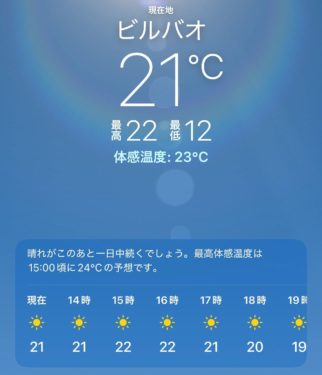
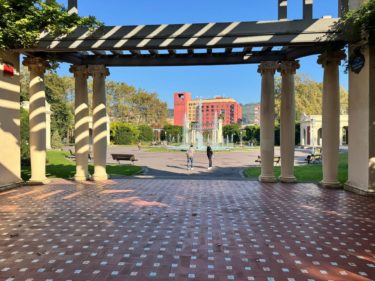
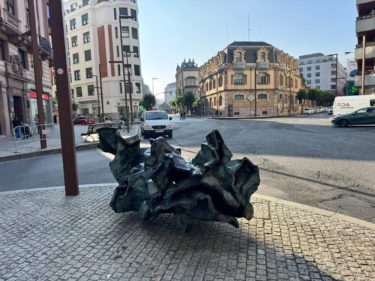
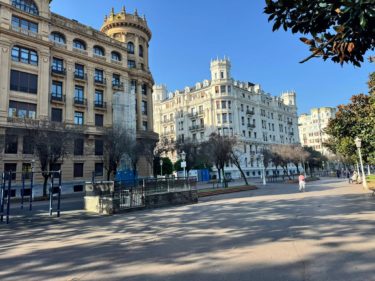
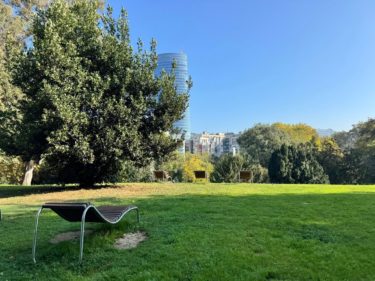
While it was cloudy and 10°C in Copenhagen, it’s sunny and over 20°C in Bilbao.

 藤本幸弘オフィシャルブログ
コペンハーゲンが曇りで10度だったのに対して、ビルバオは20度超えて晴天です。
While it was cloudy and 10°C in Copenhagen, it’s sunny and over 20°C in Bilbao.
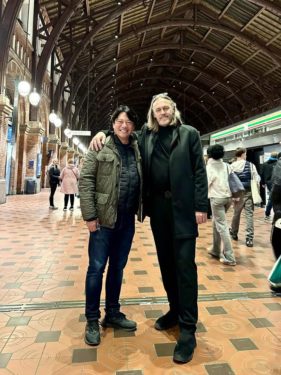
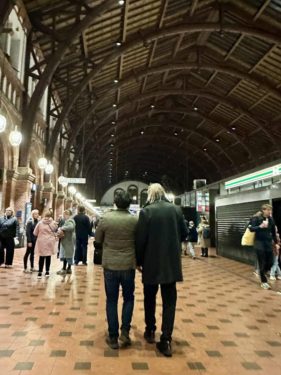
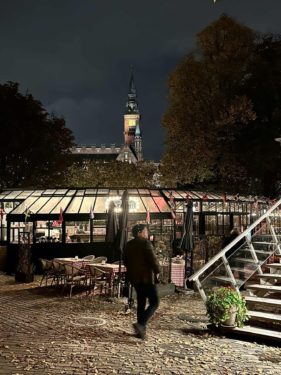
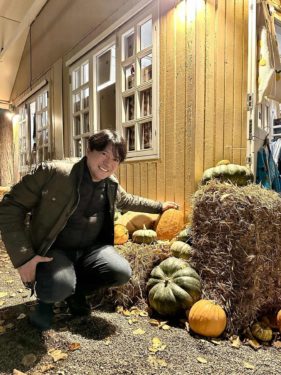
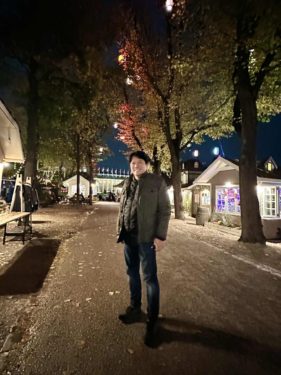
昨晩のJensとのチボリ公園と中央駅の夜の散歩の写真を送ってもらいました!
I received some photos from last night’s evening walk with Jens around Tivoli Park and the central station. Thank you!
新国際学会周遊記──ニューヨークとビルバオ、二つのグッゲンハイムに見る「時代の曲線」
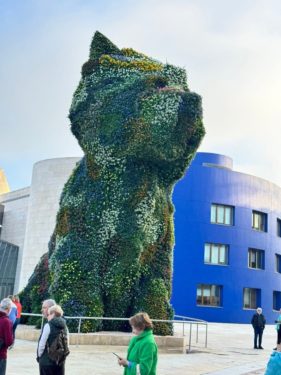
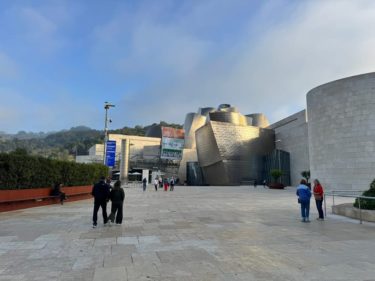
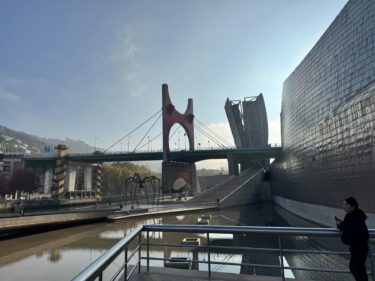
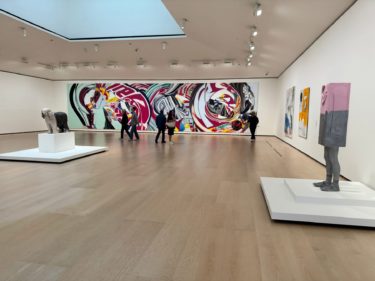
早朝ビルバオに飛び、訪れたかったビルバオグッゲンハイム美術館へ。完全に経営母体が一致するわけではないのですが、ニューヨークと姉妹館なのです。




ニューヨークの5番街を歩きながら、ふと見上げると、そこに現れるのは白く螺旋を描く建築の塔──ソロモン・R・グッゲンハイム美術館。
建築家フランク・ロイド・ライトが描いた未来の曲線が、半世紀を超えてなお凛と立ち続けている。
美術館というより、もはや「建築そのものが展示作品」。
入館するとエレベーターで最上階へと運ばれ、そこから緩やかなスロープを歩みながら下りていく。
壁面に並ぶカンディンスキーやモンドリアンの抽象画が、螺旋の光の中で呼吸するように見える。
上から下へ──まるで時代を逆行するような美術体験だ。
この空間に漂うのは、戦後アメリカのモダニズムの理想。
直線を拒み、自然の形を模倣し、人間の感覚を信じたライトの哲学が、ここには確かに息づいている。
「芸術は空間を超えて生きる」という思想。
その白い螺旋は、文明がまだ信仰と理性のバランスを保っていた頃の、最後の祈りの形なのかもしれない。
そして──時代は移る。
スペイン北部、かつて製鉄の街であったビルバオ。
その川沿いに突然現れるのが、もうひとつのグッゲンハイム。
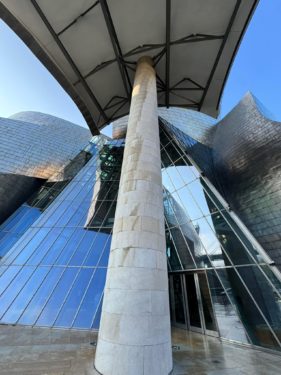
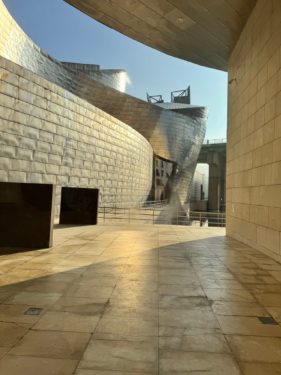
設計はカナダ生まれの建築家、フランク・ゲーリー。
チタンの外装が夕陽に反射し、街と川と光が融合する。
ニューヨークの直線が「理性の螺旋」なら、ビルバオは「感情の波動」だ。
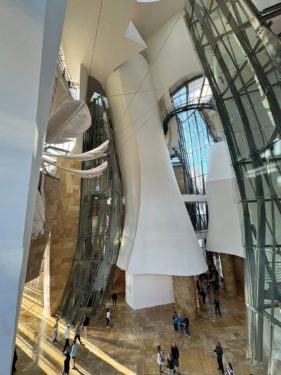
内部は迷宮のように広がり、巨大なインスタレーションが空間を支配する。
リチャード・セラの鉄の彫刻の間を歩くと、自分の存在が相対化されていく。
この建物は、もはや「美術館」というより、現代都市の記憶装置そのものだ。
1997年の開館以来、この館は「ビルバオ効果」と呼ばれる現象を生んだ。
衰退した工業都市を、アートと建築の力で再生させた奇跡の象徴。
ゲーリーが描いた流線は、経済を、観光を、人の心をも動かした。
つまりこれは、芸術が「都市の免疫」を取り戻した瞬間だった。
同じ「グッゲンハイム」の名を冠しながら、ニューヨークはモダンの誇りを、ビルバオはポストモダンの可能性を象徴している。
前者は「人間の内面への旅」、後者は「都市の再生への航海」。
そして二つをつなぐキーワードは「曲線」だ。
螺旋が時を下りるように、チタンの曲線が光を反射するように──
アートはいつも、直線ではなく、揺らぎと回帰の中に進化する。
美術館を後に再び歩き出すとき、僕は思った。
ニューヨークの螺旋は個人の理想であり、ビルバオの波は社会の希望であると。
この二つの美術館を訪れることは、20世紀の芸術思想そのものを身体で体験する旅なのだ。
コペンハーゲンの夜は、かつてデンマークのIPL企業「エリプス」に長く在籍していたJens夫妻と
─2人とは実にコロナ前以来、6年ぶりの再会でした。


待ち合わせの場所は、秋のチボリ公園内にあるレストラン。


ライトアップされた園内は幻想的で、ウォルト・ディズニーがこのチボリ公園を訪れ、「自分でもこんな夢の国をつくりたい」と構想を練ったという逸話もうなずけます。
話が弾むうちに、思いがけず共通の知人が沢山いることが判明し、驚きと懐かしさの入り混じった時間となりました。
初めて訪れたチボリは、夜でしたが、ハロウィンシーズン仕様で可愛らしく、まさに北欧の秋の夜を象徴するような、静かで華やかな美しさを湛えていました。

A lovely Evening in Copenhagen
It had been six years—since before the pandemic—since I last saw the Jens couple, who had long worked at the Danish IPL company Ellipse.
We finally reunited on a crisp Copenhagen evening.
Our meeting spot was a restaurant located inside Tivoli Gardens, adorned in its autumn splendor. The illuminated park looked almost magical, and it was easy to understand the famous story of how Walt Disney, after visiting Tivoli, was inspired to create a dreamland of his own.
As our conversation flowed, we were surprised to discover that we shared many mutual acquaintances. It turned into a heartwarming evening, filled with both nostalgia and delight.
Though it was my first time visiting Tivoli, and at night no less, the park—charmingly decorated for the Halloween season—radiated a quiet yet festive beauty. It perfectly embodied the spirit of a Nordic autumn night.
デンマークはコペンハーゲンより20km北にある、レーダーによるゴルフ弾道測定機器のトラックマンの本社を訪れてきました。

先日受理された物理理論のゴルフ医学論文をお土産に、Fredrik Tuxen (最高技術責任者)との議論に。
元々軍関係のレーダーの研究をしていたそうで、銃弾などと比較するとゴルフボールの解析は楽だと言っていました。
トラックマンの本社は、300名以上の技術スタッフが日々研究を重ねていて、見せていただいた限り、ものすごい勢いで世界のゴルフ教育や理論市場をリードすると思いました。
弾道解析もそうですが、現在開発途中の3D解析技術も素晴らしく、科学の力でここまで解析できるとゴルファーの上達スピードも格段に変わるでしょうね。
凄い技術を見せてもらいました。
I had a great opportunity to visit the headquarters of TrackMan, the radar-based golf ball tracking technology company, located about 20 kilometers north of Copenhagen, Denmark.
As a gift, I brought along a recently accepted research paper on golf science based on physical theory, which sparked an engaging discussion with Fredrik Tuxen, the Chief Technology Officer.
He originally conducted radar research for military applications and mentioned that, compared to tracking bullets, analyzing golf balls is relatively easy.
At TrackMan’s headquarters, more than 300 technical staff are working daily on research and development. From what I saw, it’s clear that they are rapidly leading the world in golf education and theory through their technology.
Not only is their ball flight analysis impressive, but their ongoing development of 3D analysis technology is also remarkable. With this level of scientific precision, golfers will likely be able to improve at a much faster pace.
It was an incredible experience to witness such cutting-edge technology in action.