














脳は、0–5歳のスキンシップで設計される
「人間の能力は、いつ設計されるのでしょうか。」
ロンドンのホテルで原稿を書いていると、最先端の医療機器の話をしているはずなのに、ふともっと根源的なことに思い至る瞬間があります。それは、人間の脳はどのようにして完成するのか、という問いです。レーザーの波長やエネルギー密度を議論することも重要ですが、そのレーザーを理解し、使いこなす「脳」そのものが、いつ、どのように作られたのかを考えると、医療の本質はずっと手前にあることに気づきます。
大学受験の直前に塾へ通い、100万円単位の教育投資を行うことは珍しくありません。しかし、本当に重要な投資は、そのずっと前、0〜5歳の間にあると言われています。この時期に親がどれだけそばにいて、抱っこし、触れ、声をかけたか。それが、その後の人生の基盤を決めます。
AIが計算を行い、翻訳を行い、知識を瞬時に提示する時代に入りました。知識や処理能力そのものの価値は、相対的に下がっています。しかし、初対面でも自然に関係を築ける力や、困っている人に手を差し伸べることができる力は、機械には代替できません。こうした非認知能力は、教育によって後から付け加えられるものではなく、幼少期の関係性の中で形成されます。だからこそ、抱っこすること、触れること、声をかけることが重要になります。
人間の脳は、知識によって完成するのではなく、まず安心によって設計されるのです。
人間の脳は、生まれた瞬間にはまだ完成していません。出生時には約25%しか完成しておらず、5歳までに約90%まで成熟します。この期間に起きているのは、知識の蓄積ではなく、神経回路の配線です。どの回路を強くし、どの回路を残し、どの回路を刈り込むか。その選択は、環境との相互作用によって決まります。つまり形成されているのは知識ではなく、「脳の使い方」そのものです。情動の安定、社会性、自己調整能力といった、人間の基盤がこの時期に形作られていきます。
ここで重要なのは、「何を教えるか」ではなく、「どう関わるか」です。
抱っこする
声をかける
目を合わせる
読み聞かせをする
こうした行為は単なる愛情表現ではありません。神経回路の構築そのものです。身体的な接触は安心という感覚を生み、それが神経回路の安定化につながります。脳は安心しているときに、最も効率よく発達するからです。
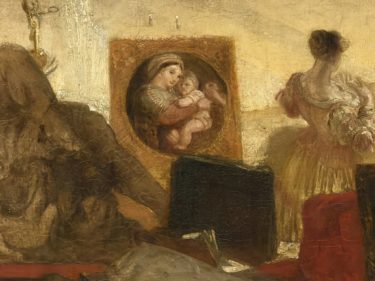
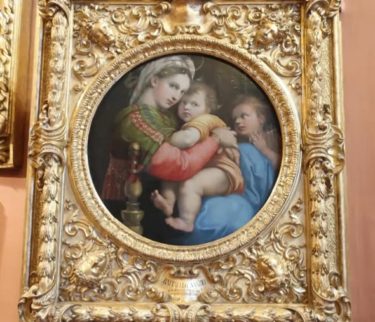
昨日、ラファエロの《小椅子の聖母》についてブログを書きましたが、その絵を見たとき、このことを強く思い出しました。円形の画面の中で、聖母マリアは幼いキリストをしっかりと抱き寄せています。その腕は単に支えているのではなく、包み込むように、守るように、完全に身体を預けさせています。キリストは安心しきった表情で、その腕の中に収まっている。そこには教育も訓練もありません。ただ「存在を受け入れられている」という、絶対的な安心があります。
ラファエロは宗教的な意味を描いたのかもしれません。しかし同時に、あの絵は、人間の脳が形成される最も重要な瞬間を描いているようにも見えました。人間はまず抱かれることで世界を知り、抱かれることで自分の存在を確信します。知識はその後に積み重なりますが、その土台となるのは安心という感覚です。
興味深いのは、この時期に形成されるのが、いわゆる知能そのものではないという点です。計算力や記憶力のような能力は後からでも伸ばすことができます。しかし、自己を信じる力や、他者を信頼する力、困難に直面しても折れない力といった、人間の根幹を支える部分は、もっと早い時期にその基盤が作られます。それは教育によって与えられるものではなく、関係性の中で自然に形成されていくものです。
読み聞かせは、その象徴的な行為のひとつです。内容を理解しているかどうかは、本質ではありません。同じ時間を共有し、同じページをめくり、同じ物語の中に身を置く。その経験そのものが、子どもにとっては「世界は安全である」という確信になります。膝の上で感じる体温、声の振動、ページをめくる静かな時間。それらすべてが、脳の中に安心という基準点を作ります。
そしてこれは、AI時代においてますます重要になります。
計算
翻訳
知識検索
これらはすでにAIが人間を超えています。しかしAIが持てないものがあります。
信頼を築く力
共感する力
場の空気を変える力
これらは知識ではなく、幼少期の愛着形成によって生まれます。抱っこされ、守られ、受け入れられた経験が、自分自身と他者への信頼の基盤になります。
医療の世界では、病気を治すことが中心になります。しかし、本当の意味での予防は、もっと早い段階から始まっています。それは薬でも装置でもありません。人と人との関係です。抱っこされること。声をかけられること。見守られていると感じること。そうした経験の積み重ねが、将来の精神的な安定性や社会性の基盤になります。
振り返ってみると、最先端の科学技術も、すべては人間の脳から生まれています。その脳の設計が、親の腕の中で静かに始まっていると考えると、これほど壮大なプロセスはありません。
ラファエロの描いたあの腕の中で、キリストはまだ何も学んでいません。しかし、すでにすべてを得ています。
抱っこされるという経験こそが、人間という存在の最初の設計作業なのだと思います。
The Brain is Designed by Touch (Ages 0–5)
“When, exactly, is human potential designed?”
Writing my manuscript in a London hotel, I find myself drifting from the specifics of cutting-edge medical equipment to a more fundamental realization. It is the question of how the human brain truly reaches completion. While discussing laser wavelengths and energy density is vital, realizing that the “brain” which understands and masters those lasers was formed much earlier makes me see that the essence of medicine lies far upstream.
It is common for parents to invest millions of yen in cram schools and education just before university entrance exams. However, it is said that the truly critical investment occurs much earlier—between the ages of zero and five. How much a parent was present, how often they held, touched, and spoke to their child—these moments define the foundation of a lifetime.
We have entered an era where AI performs calculations, handles translations, and presents knowledge instantaneously. The value of raw information and processing power is declining relatively. However, the ability to build natural relationships with strangers or to extend a helping hand to someone in need cannot be replaced by machines. These “non-cognitive skills” are not something added later through formal education; they are formed within early childhood relationships. This is why holding a child, touching them, and speaking to them is so vital.
The human brain is not completed by knowledge; it is designed first by a sense of security.
The Architecture of the Early Brain
The human brain is not finished at birth. It is only about 25% complete when we enter the world, maturing to about 90% by age five. What happens during this period is not the accumulation of knowledge, but the “wiring” of neural circuits. Which circuits to strengthen, which to keep, and which to prune—these choices are determined by interaction with the environment. In other words, it is not knowledge being formed, but the “operating system” of the brain itself. The human foundations—emotional stability, sociality, and self-regulation—are shaped during this time.
The key here is not “what to teach,” but “how to relate.”
• Holding them
• Speaking to them
• Making eye contact
• Reading aloud
These acts are not merely expressions of affection; they are the very construction of neural pathways. Physical contact creates a sense of safety, which leads to the stabilization of neural circuits. The brain develops most efficiently when it feels secure.
________________________________________
Lessons from Raphael
Yesterday, I blogged about Raphael’s Madonna della Seggiola. Looking at that painting, I was reminded powerfully of this truth. Within the circular frame, the Virgin Mary holds the infant Christ close. Her arms do not just support him; they envelop and protect him, allowing him to lean his entire weight into her. Christ rests within that embrace with an expression of total peace. There is no education there, no training—only the absolute security of having one’s existence accepted.
Raphael may have intended a religious meaning, but to me, the painting captures the most critical moment of human brain formation. Humans first learn about the world by being held, and they confirm their own existence through that embrace. Knowledge is layered on later, but the foundation is the sensation of being safe.
Interestingly, what is formed during this period is not “intelligence” in the traditional sense. Abilities like calculation or memory can be improved later in life. However, the core pillars of a human being—the power to believe in oneself, to trust others, and the resilience to stay upright in the face of hardship—are established much earlier. These are not granted by education; they emerge naturally through relationships.
Reading aloud is a symbolic act of this. Whether the child understands the content is secondary. Sharing the same time, turning the same pages, and inhabiting the same story—that experience itself becomes a conviction for the child that “the world is safe.” The warmth felt on a lap, the vibration of a voice, the quiet moment of a page turning—all of these create a baseline of security within the brain.
The Human Advantage in the Age of AI
In the age of AI, this becomes increasingly significant.
• Calculation
• Translation
• Knowledge retrieval
In these areas, AI has already surpassed humans. But there are things AI cannot possess:
• The power to build trust
• The capacity for empathy
• The ability to change the “atmosphere” of a room
These do not come from knowledge; they are born from the formation of attachment in early childhood. The experience of being held, protected, and accepted becomes the bedrock of trust in oneself and others.
In medicine, we focus on curing disease. However, true “prevention” begins much earlier. It involves neither drugs nor devices, but human connection. Being held. Being spoken to. Feeling watched over. The accumulation of such experiences forms the basis for future mental stability and social integration.
Looking back, even the most advanced science and technology spring from the human brain. When you consider that the design of that brain begins quietly within a parent’s arms, there is no process more magnificent.
In those arms painted by Raphael, Christ has not yet learned anything. And yet, he has already gained everything.
The experience of being held is, I believe, the very first “design phase” of being human.