













仕事として選んだ医学では他人を幸せにできると思う。
でも自分が幸せになるには やはり音楽なんだなあ。
アインシュタインの場合、それはバイオリンだったと聞く。
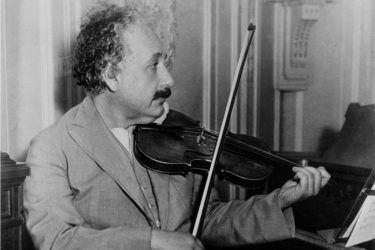
そういえば、そのアインシュタインはレーザー誕生に深くかかわっていることをご存じでしたか?
昔僕もこちらのブログの中で書いていますので、リンクを貼っておきますね
レーザーの歴史 その壱 レーザー発想の誕生と黎明期 | 新国際学会周遊記 – クリニックF院長 藤本幸弘オフィシャルブログ

 藤本幸弘オフィシャルブログ
仕事として選んだ医学では他人を幸せにできると思う。
でも自分が幸せになるには やはり音楽なんだなあ。
アインシュタインの場合、それはバイオリンだったと聞く。
そういえば、そのアインシュタインはレーザー誕生に深くかかわっていることをご存じでしたか?
昔僕もこちらのブログの中で書いていますので、リンクを貼っておきますね
レーザーの歴史 その壱 レーザー発想の誕生と黎明期 | 新国際学会周遊記 – クリニックF院長 藤本幸弘オフィシャルブログ
なぜ 「人はピアノ協奏曲にこれほど心を奪われるのか」
お付き合いしている会計事務所さんのご縁でコンサートに行ってきました。
還暦のヴィルトゥオーゾ・ピアニスト若林顕さんが、三曲ものピアノ協奏曲を一日で弾かれたコンサートでした。
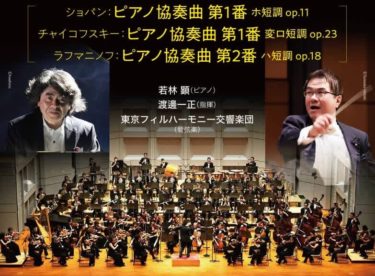
どの曲も体力を使う大曲ですが
ショパンは繊細に
チャイコフスキーは壮大に
ラフマニノフは甘美に
まさに三曲三様の表現で弾かれ、さらに終了後にラヴェルのソナチネ2番と、ショパンの革命をさらっとアンコールで弾かれて終了。
素晴らしいコンサートでした。
ちなみにヴィルトゥオーゾとは何か?
音楽学の定義では
「超常的技巧+個性的解釈を両立する演奏家」
とされています。
しかし実際にホールで聴くと、もっと直接的で、
● 時間が止まる
● 空気が震える
● 観客が息をするのを忘れる
● 心臓の鼓動が演奏に同期する
といった“生理学的な現象”が起きる。
ヴィルトゥオーゾとは
聴衆の脳と身体の両方を“支配できる”演奏家のこと
と定義できるのではないでしょうか。
閑話休題
僕は昔からピアノの音色が好きでしたが、特に交響楽団とピアノの独奏が聴くことができるピアノ協奏曲が大好きでした。
今でも空いた時間があると、ピアノコンチェルトの題目のコンサートを探してしまいます。
ピアノ協奏曲が脳科学的にも良い理由を幾つか考えてみました。
1. ピアノ協奏曲は「人間の物語」を描くから
協奏曲は、独奏者(自分) vs オーケストラ(世界)という構図の音楽です。
これは心理学的に、人がもっとも共感しやすい形式といわれています。
主題が立ち上がる=自分の声を世界に投げかける瞬間
管弦楽が応じる=社会との対話
カデンツァ=孤独な内面の独白
終結部=世界と調和していくプロセス
人間の人生の縮図を、20〜40分のスケールでドラマとして見せてくれる。
だから“聴く側がいつのまにか主人公になる”のです。
◆ 2. ピアノの音は「人の声帯と周波数が近い」から心に刺さる
ピアノの平均的主成分は 250〜4,000 Hz の帯域で、これは人間の音声とほぼ重なります。
つまり脳はピアノを“自分と同じ声の仲間”として処理しやすい。
とくに協奏曲のようにオーケストラの中でピアノが際立つと、「私の声が大きく世界に響く」という錯覚的快感が生まれます。
◆ 3. 協奏曲は「旅の風景」と似ている
世界のホールを回ると痛感するのですが、協奏曲ほど“都市の空気に左右される音楽”はありません。
ラフマニノフ2番 → 冬のロンドンやモスクワの湿度
ラフ3 → カーネギーホールの鋼のような残響
モーツァルト20 → ウィーン黄金ホールの柔らかな吸音
プロコフィエフ3 → バルセロナの硬質な石壁の反射
都市の“温度・歴史・建築”がそのままサウンドに溶け込むため、協奏曲鑑賞は 「音楽による都市体験」 と非常に近いのです。
旅好きの人が協奏曲に惹かれるのは、ごく自然なこと。
◆ 4. ピアノ協奏曲は「脳の報酬系をもっとも強く刺激する構造」になっている
神経科学研究では、「音楽のクライマックスの直前でドーパミンが最も分泌される」ことがfMRI研究で確認されています。
協奏曲はその構造上
独奏が登場(期待)
緊張の高まり
カデンツァのピーク
オーケストラとの統合
爆発的な終止
という“脳が最も快感を感じる流れ”を必ず踏みます。
映画よりもドラマ性が高く、オペラよりも直接的で、ソナタよりも外界との対話が大きい。
つまり協奏曲は 「脳が快楽として感じる構造の完成形」 なのです。
◆ 5. 医学的には“適度なストレス+解放”が気持ちよさを作る
とくにラフマニノフやブラームスは開始直後に低音の衝撃を与えて交感神経を刺激し、そのあとで旋律美によって副交感神経を引き戻します。
この“交感 → 副交感”の往復が心地よいと感じるのは音楽療法でも繰り返し示されている反応で、一種の“聴覚マッサージ”のような効果があるのです。
◆ 6. 協奏曲は「人間の限界への挑戦」を目撃する芸術
ソリストがステージ中央でオーケストラを背負い、約40分間極度の集中で精神を燃やす。
これはスポーツの世界とも重なる“人間の極限”。
心理学的には、人は他者が危機や緊張を乗り越える瞬間に強く共感しやすい。
ピアノ協奏曲のカデンツァは、ソリストがひとりで「運命と取っ組み合う」時間。
観客はそこに自分の感情を投影し、だから“胸が熱くなる”。
◆ 結論:なぜ人はピアノ協奏曲が好きなのか
おそらく理由はこうです。
● ピアノ=人間の声質に近く、親密な響きだから
● 協奏曲=人生のドラマを20〜40分で体験させてくれる形式だから
● 旅をしてきた感性に、都市の響きが重なるから
● 医学的にも脳が快楽として感じる構造になっているから
● ソリストが人間の限界に挑む姿が、深い共感を呼ぶから
つまり、ピアノ協奏曲は“人生・都市・精神・科学”が最も美しく交差する音楽形式なのです。
ちなみに、自分が10大ピアノコンチェルトを選ぶとしたらこんな感じでしょうか?
①ラフマニノフ:ピアノ協奏曲第2番 ハ短調 Op.18
モスクワ音楽院の冬、氷点下の街に立ちのぼる白い息。
この曲の冒頭の和音を聴くたび、僕はいつもロシアの湿度のある寒さを思い出します。
あの2楽章の旋律は「癒し」ではなく「立ち上がる意志」そのもの。
世界中のホールで同曲を聴いてきましたが、「音楽は名医」で一生に一度しか指揮のチャンスがないかもしれないと選んだのが、超難曲でしたが、この曲でした。
② ラフマニノフ:ピアノ協奏曲第3番 ニ短調 Op.30
ニューヨークのカーネギーホール——。
ラフマニノフ自身が1909年にここで初演したことはよく知られています。
いまも、この曲を聴くと舞台袖に漂う“本番前の金属的な緊張”が蘇ります。
ピアノ単音から始まる旋律は、単なる難曲ではない。
3楽章に向かう頃には、ピアニストの精神が研ぎ澄まされ、会場全体が“ひとつの肺”のように呼吸を止めるのです。
演奏が終わった瞬間の静寂は、他の協奏曲にはない特別な質感です。
③ チャイコフスキー:ピアノ協奏曲第1番 変ロ短調 Op.23
冒頭の“強打する和音”は、作曲者がアメリカ滞在中に見た“新世界の荒々しい自然”を象徴しているとも言われます。
僕自身、子供のころに父親のエミールギレリスの演奏のLPレコードを擦り切れるほど聞きました。
第一楽章のピアノの独奏からの金管の輝き、第二楽章の甘い小品的世界から、終楽章の民族舞曲の爆発まで——
“ロシアとアメリカの間に架かる一本の橋”のような協奏曲です。
④ ベートーヴェン:ピアノ協奏曲第5番《皇帝》変ホ長調 Op.73
ウィーンの楽友協会で聴いた《皇帝》。
黄金の間の装飾が、1楽章の主題の堂々たる歩みにぴたりと重なる。この曲が作られた1809年、ベートーヴェンはナポレオン軍の侵攻で砲声の中にいました。
だから《皇帝》は“戦いの勝利”ではなく「混乱の只中で見失わない尊厳」の音楽なのです。
第二楽章の静謐さは、その証。
⑤ モーツァルト:ピアノ協奏曲第20番 ニ短調 K.466
モーツァルトが残した数少ない“短調協奏曲”。
この曲の闇の深さは、ウィーンの評判紙でも“激情のモーツァルト”と記されています。
僕が初めてこの曲を生で聴いたのは楽友協会。
金色のホールにもかかわらず、音は天井へ抜けず“沈むように消えていった”。
まるで光を吸い込むヴェルヴェットのよう。
オペラ的運命感を帯びた協奏曲です。
⑥ ブラームス:ピアノ協奏曲第1番 ニ短調 Op.15
ハンブルクの冬の空は重い。
その空気の色が、そのままこの曲の1楽章の和声になったような気がします。
ブラームスはこの曲で“交響曲を書こうとして失敗した”と自嘲していますが、実際には交響曲以上に青春の激情が詰まっている。
特にティンパニとピアノが対峙する場面は、若者の叫びのようで胸を打ちます。
⑦ ブラームス:ピアノ協奏曲第2番 変ロ長調 Op.83
南ドイツの広い草原を思わせる大曲。
4つの楽章は“旅の四季”のようで、特に第3楽章のチェロ独奏は名演が多い。
初演時、評論家が「これはピアノ協奏曲に姿を借りた交響曲だ」と評したのも有名。
ハーモニーの美しさは宇宙を彷彿とさせます。長旅を終えた後の満足感は、この曲が随一でしょう。
⑧ プロコフィエフ:ピアノ協奏曲第3番 ハ長調 Op.26
スペインのホールで客席にいたときアタッカで飛び込んでくる主題が壁に反射し、“光の粒”になって踊るようでした。
プロコフィエフはこの曲を“最もバランスの良い協奏曲”と述べています。鋭く、しかしユーモアがあり、20世紀の機械文明のリズムをまとった傑作。
⑨ バルトーク:ピアノ協奏曲第3番 Sz.119
アメリカ亡命中の晩年、病床の妻ディッタのために書いた曲。
“死の影と祈りの光”が不思議に共存している。
この協奏曲を聴くと、ニューヨークの晩秋の公園の静けさを思い出します。
民族音楽の熱は薄れ、余計な力を抜いた“透明な感情”が残る。
⑩ ショパン:ピアノ協奏曲第1番 ホ短調 Op.11
弱冠20歳の若きショパンがワルシャワで書いた青春そのものの協奏曲。
当時の新聞にも“香気を伴う若き才能”と記されています。
ワルシャワの夜、街灯の滲む雨の通りでこの曲を聴いたとき、第二楽章の“恋文のような旋律”が空気に溶けていくのを忘れられません。
グリーグ:ピアノ協奏曲 イ短調
サン=サーンス:協奏曲第2番
ラヴェル:左手のための協奏曲
ラフマニノフ:パガニーニ狂詩曲
ショスタコーヴィチ:ピアノ協奏曲第2番
このあたりも入れたかったんですけれどねえ。
Why Are People So Captivated by Piano Concertos?
Thanks to an introduction from our partner accounting firm, I had the chance to attend a concert. It featured the virtuoso pianist Akira Wakabayashi—now sixty years old—who performed three piano concertos in a single day.
Each piece alone demands immense stamina, yet he played Chopin with delicacy, Tchaikovsky with grandeur, and Rachmaninoff with sensual richness—three entirely different worlds. And after finishing all three, he casually offered Ravel’s Sonatine (2nd movement) and Chopin’s Revolutionary Étude as encores.
It was a magnificent concert.
So—what exactly is a virtuoso?
Musicology defines a virtuoso as
“a performer who unites supernatural technique with deeply individual interpretation.”
But when you listen in a concert hall, the experience feels much more direct:
● Time stops
● The air begins to tremble
● The audience forgets to breathe
● Your heartbeat synchronizes with the performance
These are almost physiological phenomena.
A virtuoso, then, could be defined as
a performer capable of taking command of both the audience’s brain and body.
–––
I’ve always loved the sound of the piano, but especially piano concertos—where the piano’s solitary voice meets the vast landscape of the orchestra.
Even now, whenever I have a free moment, I find myself searching for concerts with piano concertos on the program.
Here are a few neuroscientific and psychological reasons why piano concertos are so compelling.
A concerto is structured as soloist (the self) vs orchestra (the world).
Psychologically, this is said to be one of the most relatable forms of expression.
The theme emerges = the moment you cast your voice into the world
The orchestra responds = dialogue with society
The cadenza = solitary inner monologue
The finale = reconciliation with the world
A concerto compresses the arc of a human life into 20–40 minutes of drama.
The listener becomes the protagonist without even realizing it.
The piano’s main frequency components lie roughly between 250–4,000 Hz—
almost identical to the human vocal range.
This makes the brain perceive the piano as a “voice akin to our own.”
And in a concerto—where the piano rises above the orchestra—
we experience a sort of illusory pleasure:
“My voice is resonating through the world.”
Traveling across concert halls around the world, I’m struck by how strongly concertos are shaped by the air of each city:
Rachmaninoff No.2 → damp winter air of London or Moscow
Rach 3 → the steel-like resonance of Carnegie Hall
Mozart No.20 → the soft acoustics of Vienna’s Golden Hall
Prokofiev No.3 → the stone reflections of Barcelona
Because a city’s temperature, history, and architecture melt into the sound,
listening to a concerto becomes a kind of urban experience through music.
No wonder travelers feel drawn to concertos.
Neuroscience shows that
dopamine peaks right before the musical climax.
Structurally, a concerto always passes through:
— Entrance of the soloist (anticipation)
— Rising tension
— Cadenza peak
— Reintegration with the orchestra
— Explosive conclusion
It is the exact flow the brain finds most pleasurable.
More dramatic than film, more direct than opera,
and more dialogic than a sonata.
A concerto is a perfected architecture of musical pleasure.
Especially in Rachmaninoff and Brahms:
Low, thunderous openings stimulate the sympathetic nervous system,
then lyrical melodies pull us back toward the parasympathetic.
This oscillation—sympathetic → parasympathetic—
creates the deeply pleasant sensation often described in music therapy.
Like a kind of auditory massage.
A soloist stands at center stage, carrying the orchestra on their back,
burning mental focus for nearly forty minutes.
This resembles athletic extremity—the limit of human capability.
Psychologically, people empathize strongly when witnessing another person
overcome tension or crisis.
The concerto cadenza is the moment the soloist “wrestles with fate” alone.
The audience projects their emotions into it—
and that is why our hearts swell.
Perhaps for reasons like these:
● The piano feels intimate because its spectrum resembles the human voice
● The concerto lets us live a full life’s drama in under an hour
● We sense the resonance of cities and travel through sound
● Its structure aligns with the brain’s reward system
● We witness a performer challenging the limits of human ability
In other words,
A piano concerto is where life, cities, the spirit, and science intersect most beautifully.
The winter of the Moscow Conservatory; breath rising white in the subzero air.
The opening chords always bring back that damp Russian cold.
The second movement is not “healing,” but the very will to rise again.
Of all the halls where I’ve heard this piece, it remains the music I chose—
though a formidable challenge—when conducting what might be my one chance in a lifetime.
Carnegie Hall, New York.
Famous as the site of Rachmaninoff’s own 1909 premiere.
Whenever I hear this piece, that metallic tension backstage returns.
The opening single-note melody is not merely difficult;
by the third movement the pianist’s spirit is sharpened to its edge,
and the audience seems to hold its breath as one single lung.
The silence after the final note has a quality unlike any other concerto.
The opening hammered chords are said to reflect the wild nature
Tchaikovsky saw during his time in America.
As a child, I wore out my father’s LP of Emil Gilels playing this piece.
The brilliance of the brass after the piano’s first solo,
the tender second movement, the folk-dance explosion of the finale—
a bridge between Russia and America.
I heard the Emperor at Vienna’s Musikverein.
The hall’s golden glow perfectly matched the noble stride of the first theme.
In 1809, Beethoven wrote this amid Napoleon’s invasion and cannon fire.
So the “Emperor” is not triumph over war, but
the dignity one refuses to lose in the midst of chaos.
The serenity of the second movement proves it.
One of Mozart’s rare minor-key concertos.
Even early Viennese reviews called it “Mozart in a state of passion.”
The first time I heard it live at the Musikverein,
the sound didn’t rise to the ceiling—it sank, like velvet absorbing light.
An operatic sense of fate permeates the work.
Hamburg’s winter sky hangs heavy—just like the harmony of the first movement.
Brahms joked that he “failed to write a symphony,”
but in truth it contains more youthful fire than a symphony.
When the timpani and piano confront each other,
it feels like a young soul crying out.
A vast landscape reminiscent of southern Germany.
Four movements like the four seasons of a long journey.
The third movement’s cello solo has countless celebrated performances.
A critic once wrote:
“This is a symphony disguised as a piano concerto.”
The harmonic beauty is almost cosmic.
In a Spanish hall, the opening theme shot forward attacca,
and the reflections on the stone walls danced like particles of light.
Prokofiev called it his “most balanced concerto”—sharp, witty,
and pulsing with the rhythm of the machine age.
Written during his final years in America for his ailing wife, Ditta.
A strange coexistence of shadow and prayer.
It always reminds me of late-autumn quiet in a New York park—
folk intensity stripped away, leaving a transparent emotion.
Written by a 20-year-old Chopin—pure youth.
Contemporary newspapers spoke of “a fragrant young genius.”
One rainy night in Warsaw,
I heard the second movement’s love-letter-like melody dissolve into the air.
I’ve never forgotten it.
Grieg’s A minor Concerto,
Saint-Saëns No.2,
Ravel’s Left-Hand Concerto,
Rachmaninoff’s Rhapsody on a Theme of Paganini,
Shostakovich No.2…
I would have loved to include those as well.