













TakahiroFujimoto.com

HOME MAIL
HOME PROFILE BOOKS MUSIC PAPERS CONFERENCES BLOG MAIL CLOSE

BLOG 藤本幸弘オフィシャルブログ

BLOG|ブログ

苺は小さな処方箋

「いちごは春の小さな処方箋」

晴天の今日は、ご縁をいただいた「いちご農家」の見学に農学部で学ぶ次男と行ってきました。イメージしていたよりはるかに巨大な施設。なかなか観られない経験に感激。思えば、日本ほど美味しいいちごは、海外では滅多に食べられません。


 

お土産にいただいたいちごをみて、「これは栄養学的にどれだけ価値があるのだろう」と、つい研究者の癖が顔を出しました。

そんなわけで、いちごの栄養価を、整理してみました。

●いちごの主要な栄養価

成分 期待できる作用
ビタミンC(約62mg/100g) 抗酸化・免疫支持・コラーゲン合成の素材に
アントシアニン 血管・脳・視機能のサポート
エラグ酸 肌の光老化抑制に関連
食物繊維 腸内環境の補助、食後血糖の急上昇抑制に一役
カリウム ナトリウム調整による血圧サポート

●医学的メリット

▲抗酸化と細胞保護
ローマの研究グループは、いちご摂取で血中抗酸化能が上昇し、炎症・酸化ストレス指標が改善する可能性を示した。
→ Giampieri F et al., Journal of Agricultural and Food Chemistry, 2012, 60:6120–6130.

▲心血管リスクの低減に関与する可能性
フラボノイド(いちご・ブルーベリー由来)の摂取が、若年~中年女性における心筋梗塞リスク低下と関連。
→ Cassidy A et al., American Journal of Clinical Nutrition, 2013, 97(1):176–185.

▲整肌作用(光老化の抑制)
紫外線によるコラーゲン分解を、いちご由来エラグ酸が阻害する可能性を示した基礎研究。
→ Bae J et al., Journal of Investigative Dermatology, 2010, 130(6):1465–1472.

▲糖制御の補助(GIが低め)
食後血糖の上昇抑制を示唆する報告。糖質はあるが、食物繊維と低GIが救いになる。
→ Edirisinghe I et al., Journal of Medicinal Food, 2011, 14(5):510–517.

▲農法による抗酸化能の違い
有機栽培いちごの方が抗酸化成分が高い可能性。選び方のヒントに。
→ Asami DK et al., Journal of Agricultural and Food Chemistry, 2003, 51(5):1237–1241.

良い事ばかりじゃないか!

いちごは甘すぎるんじゃないかと思い、気になる実際の糖量はを調べてみましたが、いちご100gあたりの糖質は約7.5g前後。果物の中では比較的低めの部類。

食材 糖質量(約)
いちご 100g 7.4–7.5g
バナナ 100g 21.4g
みかん 100g 10.9g
ぶどう 100g 15.2g

引用
→ USDA National Nutrient Database, Release 28 (2016)
つまり、「甘いけど重くない」は数字にも裏付けがある。

●なぜ甘く感じるのか
・クエン酸の酸味が、味覚神経の閾値を下げて甘味を強調
・ビタミンCの清涼感が後味を引き締める
・品種改良で“香りのボリューム”が増し、香りが甘味を補強する
香りと酸味の構造が、脳内で甘さの印象を増幅している。
これを示唆する実験もある。
→ Schifferstein HN et al., Chemical Senses, 2002, 27(7):613–624.

●血糖値の観点では?
いちごのGI値は約40(低GI)。
→ Atkinson FS et al., American Journal of Clinical Nutrition, 2008, 87(1):247S–253S.
もちろん量や食べ方によるが、同カロリーの砂糖菓子より血糖負荷は穏やかである。

「甘いけれど、身体に優しい範囲で完結する甘さ」
糖としての負担は控えめだが、感覚としての満足度は高い。

このギャップこそが、いちごの上品さであり、春の果物らしい“節度の美学”と言えますね。

日本の農家でも、いちごには未来はありますね!


“Strawberries: A Small Springtime Prescription”

On this beautifully clear day, I visited a strawberry farm I had the good fortune to be connected with, together with my second son, who studies agriculture at university.
The facility was far larger than I had imagined—an impressive experience that one rarely gets to see.

Come to think of it, strawberries as delicious as those in Japan are rarely found overseas.

Looking at the strawberries we received as a gift, the researcher in me instinctively surfaced:
“Just how valuable are these nutritionally?”

So, I decided to organize the nutritional profile of strawberries.


Key Nutritional Components of Strawberries

Component Expected Effects
Vitamin C (~62 mg/100 g) Antioxidant activity, immune support, and a substrate for collagen synthesis
Anthocyanins Support for blood vessels, brain health, and visual function
Ellagic acid Associated with suppression of photoaging of the skin
Dietary fiber Supports gut health and helps moderate postprandial blood glucose spikes
Potassium Supports blood pressure regulation via sodium balance

Medical and Scientific Benefits

Antioxidant and Cellular Protection
A research group in Rome demonstrated that strawberry consumption may increase plasma antioxidant capacity and improve markers of inflammation and oxidative stress.
→ Giampieri F et al., Journal of Agricultural and Food Chemistry, 2012, 60:6120–6130.

Potential Reduction in Cardiovascular Risk
Intake of flavonoids (from strawberries and blueberries) was associated with a reduced risk of myocardial infarction in young to middle-aged women.
→ Cassidy A et al., American Journal of Clinical Nutrition, 2013, 97(1):176–185.

Skin-Conditioning Effects (Suppression of Photoaging)
Basic research suggests that ellagic acid derived from strawberries may inhibit UV-induced collagen degradation.
→ Bae J et al., Journal of Investigative Dermatology, 2010, 130(6):1465–1472.

Support for Glycemic Control (Relatively Low GI)
Reports suggest strawberries may help suppress postprandial blood glucose rises. While they do contain carbohydrates, dietary fiber and a low GI offer protection.
→ Edirisinghe I et al., Journal of Medicinal Food, 2011, 14(5):510–517.

Differences in Antioxidant Capacity by Farming Method
Organically grown strawberries may contain higher levels of antioxidant compounds—useful information when choosing produce.
→ Asami DK et al., Journal of Agricultural and Food Chemistry, 2003, 51(5):1237–1241.

So many benefits—almost too good to be true!


But Aren’t Strawberries Too Sweet?

Curious about the actual sugar content, I looked it up. Strawberries contain approximately 7.5 g of carbohydrates per 100 g, which is relatively low among fruits.

Food Carbohydrates (approx.)
Strawberries (100 g) 7.4–7.5 g
Bananas (100 g) 21.4 g
Mandarins (100 g) 10.9 g
Grapes (100 g) 15.2 g

Source:
→ USDA National Nutrient Database, Release 28 (2016)

In other words, “sweet, yet not heavy”—a claim supported by numbers.


Why Do Strawberries Taste So Sweet?

  • Citric acid lowers the sensory threshold of taste receptors, enhancing perceived sweetness

  • Vitamin C provides a refreshing finish that sharpens the aftertaste

  • Breeding has increased the “volume” of aroma, with fragrance reinforcing sweetness

The interplay of aroma and acidity amplifies the perception of sweetness in the brain.
Experiments supporting this mechanism have been reported.
→ Schifferstein HN et al., Chemical Senses, 2002, 27(7):613–624.


From a Blood Glucose Perspective

Strawberries have a GI value of approximately 40, classifying them as a low-GI food.
→ Atkinson FS et al., American Journal of Clinical Nutrition, 2008, 87(1):247S–253S.

Of course, quantity and timing matter, but compared with sugary confections of equal calories, strawberries impose a gentler glycemic load.


In Summary

“Sweet, yet gentle on the body.”

The metabolic burden of sugar is modest, while sensory satisfaction remains high.

This gap is precisely what gives strawberries their elegance—a kind of aesthetic of moderation that feels quintessentially springlike.

Even for Japanese farmers, the future of strawberries looks bright.


講演、おでん、カラオケで忘年会

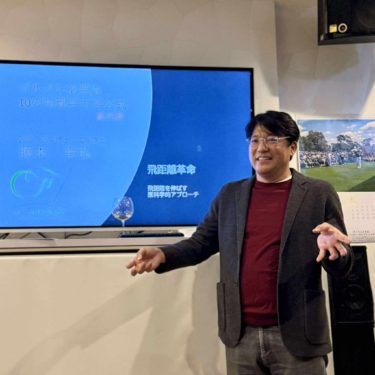
ゴルフ医科研研究所のゴルフ系の忘年会でした。
ワインand音楽系の忘年会は今月中旬に開催したのですが、ゴルフ系人数も増えたので今年は忘年会を分けました。
約20名の参加。
飛距離を上げるための10の物理公式を使った講演。

男女ペアのシミュレーションゴルフ。
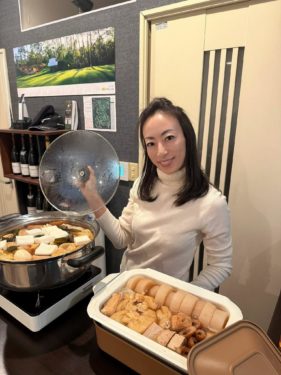
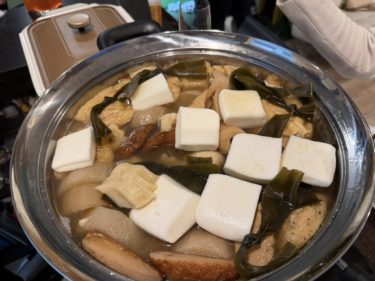
驚きのお手製おでんの差し入れもあり、最後はJOYSOUNDならぬまさに「女医サウンド」カラオケに突入。笑。
ワインも10本空きました。
楽しかったー!
カラオケ中の良い写真が沢山あったんですが、参加者の皆様にのみ共有しました。
きっと来年も良い年になりますね!

珊瑚

クリニックFの珊瑚水槽です。珊瑚飼育の共同研究中です。でも何より癒される。

This is the coral tank at Clinic F.
We are working on a collaborative research project focused on coral cultivation.
More than anything, it’s very calming and therapeutic.


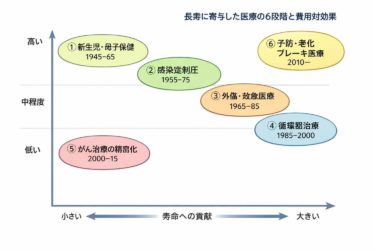
長寿に寄与した医療の6段階

長寿に寄与した医療の6段階 そしてその費用対効果

——乳児死亡率の改善だけではなかった寿命の物語——

つい先日も、廃業したクリニックの内装施設を買ってもらえないかと相談されました。思えば、病院やクリニックが経営難になる時代となりました。本来であれば、命のセイフティネットとなりうる医療機関は政治としても最優先されるべき政策。

しかし、ふと「寿命は医療の発展の中、どこで伸びたのか」という問いが浮かびました。

以下、その6段階を簡潔に整理してみます。

① 新生児・乳児死亡率の激減(1945–1965)

母子保健と周産期医療の整備により、出生直後の死亡リスクが劇的に低下しました。NICUや産科麻酔といった基盤投資は比較的少額で、平均寿命の底を強力に押し上げました。戦後、日本の寿命が一気に伸びた最大の力点はここにあると考えています。

② 感染症の制圧(1955–1975)

抗生物質と定期接種の普及で、肺炎・結核など致死的な感染症の影響が弱まりました。「死なない社会」の基礎体力がこの時期に形成されました。寿命は“運”ではなく、制度と技術に支えられるものへと変化していきます。

③ 外傷・救急医療の体系化(1965–1985)

救急車、救命救急センター、ATLSの導入により、外傷死や事故死が回避可能なものになりました。大規模なインフラ整備を要しましたが、救命の実感値は非常に高いものでした。医学と社会基盤がつながり始めた時期でもあります。

④ 循環器疾患の制圧(1985–2000)

高血圧治療の標準化、スタチンによる冠動脈疾患の管理、脳梗塞急性期治療などが確立しました。「中年期の崖」を越える手段が揃ったことで、寿命の伸びが再加速しました。治療の費用と効果の関係は比較的安定しており、費用対効果は中程度から良好といえます。

⑤ がん治療の精密化(2000–2015)

分子標的薬や免疫療法により、生存期間は延びましたが、治療コストも急上昇しました。個体差が大きく、延命効果の予測性が低いことから、費用対効果の不確実性が最も大きい段階です。この時期に、医療の進歩が医療経済と噛み合わない現象がはっきりと現れました。

⑥ 予防医療と老化ブレーキ医療(2010–現在)

禁煙政策、生活習慣介入、栄養指導などが進み、治療ではなく病気になる前に寿命の漏出を防ぐ技術が重視されるようになりました。医療者だけでなく、生活者自身が寿命の主体となる段階であり、費用対効果は極めて高く、持続可能性にも優れています。

費用対効果という観点での再配置

寿命の回収効率=少ない投資で時間を取り戻せる領域として眺めると、次の順序になります。

新生児・母子保健(1945–65)
小さな投資で大きな寿命の伸びを生みました。

予防医療(2010–現在)
病気になる前の介入が医療費全体を押し下げます。

感染症対策(1955–75)
寿命の「最初の壁」を破り、死を日常から遠ざけました。

一方で、費用対効果が最も厳しかったのは、⑤がん治療の精密化です。
治療単価の高騰と、生存利益の個体差という構造的要因が背景にあります。

がん細胞が“個体の細胞史”である以上、治療は個別最適にならざるを得ず、医療経済学と摩擦を起こしやすい構造を持っています。

■ 例:分子標的薬

年間治療費:数百万円
延命効果:数ヶ月〜数年(個体差大)

■ 例:免疫チェックポイント阻害薬

年間:1,000万円規模も
奏効率:数%〜数十%(がん種で大きく差)

この“ばらつき”こそが、費用対効果を押し下げている本質。

医療経済学ではしばしば、がん治療薬はQALY(質調整生存年)あたりのコストが突出すると指摘されます。なぜ、費用対効果が悪くなるのか?

「がんは、個体の歴史そのものが病気になる」だから治療は、個体の数だけ最適化が必要になる。

この一文に、本質が凝縮されている。

◽ がん細胞の遺伝子変異は“個体の履歴”
◽ ターゲットが微細で高コスト
◽ 効果の指標が“延命”や“QOL改善”で測定が複雑
◽ 社会的費用(労働損失・介護など)が計算に入ると評価軸が揺れる

つまり、がん治療は“医療単体=費用対効果”で測れない領域に踏み込んでいるといえるのです。

がん治療の時代は、医療の進歩に反比例して費用対効果が悪化した不思議な時代だった。国家単位の医療経済学と治療とが噛み合わなくなった瞬間だったともいえるのです。


Six Stages of Medical Advances That Contributed to Longevity — and Their Cost-Effectiveness

— The Story of Life Expectancy Was More Than Just Infant Mortality —

Just the other day, I was asked whether I might be interested in purchasing the interior facilities of a clinic that had gone out of business. It struck me that we have entered an era in which hospitals and clinics themselves struggle financially. Medical institutions, which should function as the ultimate safety net for life, ought to be among the highest priorities of public policy.

This led me to a simple but fundamental question:
At which points, within the development of medicine, did life expectancy actually increase?

Below is a concise overview of the six major stages.


① Dramatic Reduction in Neonatal and Infant Mortality (1945–1965)

Through the establishment of maternal and child health systems and advances in perinatal care, the risk of death immediately after birth fell dramatically. Foundational investments such as NICUs and obstetric anesthesia required relatively modest funding, yet powerfully lifted the lower bound of average life expectancy. I believe this period represents the single greatest driver behind Japan’s rapid postwar gains in longevity.


② Control of Infectious Diseases (1955–1975)

With the widespread use of antibiotics and routine vaccination, fatal infections such as pneumonia and tuberculosis lost much of their lethality. During this period, the basic resilience of a “society that does not easily die” was formed. Life expectancy began to shift from something governed by chance to something supported by institutions and technology.


③ Systematization of Trauma and Emergency Care (1965–1985)

The introduction of ambulances, emergency medical centers, and ATLS transformed trauma and accident-related deaths into largely preventable outcomes. Although this required substantial infrastructure investment, the perceived impact on survival was extremely high. This was also the period when medicine and social infrastructure began to meaningfully converge.


④ Control of Cardiovascular Disease (1985–2000)

Standardized hypertension management, statin-based control of coronary artery disease, and acute stroke treatments were established. With effective ways to overcome the “midlife cliff,” gains in life expectancy accelerated once again. The relationship between cost and benefit during this phase was relatively stable, yielding moderate to good cost-effectiveness.


⑤ Precision Cancer Therapy (2000–2015)

Molecular targeted therapies and immunotherapies extended survival, but at the cost of a sharp rise in treatment expenses. Due to large individual variability and low predictability of survival benefit, this stage carries the greatest uncertainty in cost-effectiveness. It was during this period that the misalignment between medical progress and health economics became unmistakably clear.


⑥ Preventive Medicine and “Aging-Brake” Medicine (2010–Present)

Anti-smoking policies, lifestyle interventions, and nutritional guidance have shifted emphasis away from treatment toward preventing the loss of lifespan before disease occurs. This is a stage in which individuals themselves—not only healthcare professionals—become the primary agents of longevity. Cost-effectiveness is extremely high, and sustainability is strong.


Reordering Medical Advances Through the Lens of Cost-Effectiveness

If we view longevity gains as a form of “lifespan recovery efficiency”—that is, areas where time can be reclaimed with minimal investment—the ranking becomes:

Neonatal and maternal health (1945–65)
→ Small investments generated enormous gains in life expectancy.

Preventive medicine (2010–present)
→ Pre-disease interventions reduce total healthcare expenditures.

Infectious disease control (1955–75)
→ Broke through the first major “wall” of mortality and pushed death out of daily life.

By contrast, the most challenging in terms of cost-effectiveness was ⑤ Precision cancer therapy.
This is driven by structural factors: soaring per-treatment costs and wide individual variation in survival benefit.

Because cancer cells represent an individual’s unique cellular history, treatment inevitably must be individually optimized—making friction with health economics almost unavoidable.


Examples

Molecular targeted therapies

  • Annual cost: several million yen

  • Survival benefit: several months to several years (high individual variability)

Immune checkpoint inhibitors

  • Annual cost: sometimes exceeding 10 million yen

  • Response rates: from a few percent to several tens of percent, depending heavily on cancer type

This very variability lies at the heart of declining cost-effectiveness.

In health economics, cancer drugs are often noted for their exceptionally high cost per QALY (quality-adjusted life year). Why does cost-effectiveness deteriorate?

Because “cancer is a disease in which an individual’s own history becomes the pathology.”
As a result, treatment must be optimized for each individual patient.

This single sentence captures the essence.

  • Genetic mutations in cancer cells reflect an individual’s life history

  • Targets are highly specific and therefore costly

  • Outcomes are measured in survival extension and QOL improvement, making evaluation complex

  • When societal costs (lost productivity, caregiving burden) are included, the evaluative framework itself becomes unstable

In other words, cancer treatment has entered a domain that cannot be adequately measured by “medical intervention = cost-effectiveness” alone.

The era of cancer therapy was a curious one: as medical progress advanced, cost-effectiveness paradoxically worsened. It may be seen as the moment when national-scale health economics and frontline clinical treatment ceased to align.


カテゴリー