













TakahiroFujimoto.com

HOME MAIL
HOME PROFILE BOOKS MUSIC PAPERS CONFERENCES BLOG MAIL CLOSE

BLOG 藤本幸弘オフィシャルブログ

BLOG|ブログ

若返りよりも壊れない生き方を

「老化ブレーキ」という考え方
——若返りよりも、壊れない生き方を——

抗加齢医学の議題では
いつも同じ言葉が飛び交っている。

Anti-aging.
Rejuvenation.
Reverse aging.
老化は病気である
老化は治せる

などなど

だが、その熱気の中で、僕は時々立ち止まる。
本当に我々が必要としているのは、
「若返り」なのだろうか、と。
老化は止められない。

しかし——老化ブレーキは踏める。
これは魔法の話ではない。
生活と生理の話である。

老化ブレーキ①|睡眠を削らない

老化ブレーキは、日中に踏むものではない。
夜、眠っている間に整備される。
睡眠中、成長ホルモンが分泌され、
DNA修復、タンパク合成、脳の老廃物除去が同時に進む。
6時間未満の睡眠が続くということは、
ブレーキパッドが摩耗したまま高速道路を走り続けるようなものだ。
老化対策の第一歩は、
新しい治療でも、サプリでもない。
まず、眠ること。

老化ブレーキ②|朝の血糖を暴走させない

朝は、一日の中で
最も老化ブレーキが効きやすい時間帯だ。
ここで
・菓子パン
・砂糖入りコーヒー
を入れると、血糖値は急上昇し、
インスリンと炎症反応が同時に動き出す。
朝食とはエネルギー補給ではない。
代謝の方向性を決めるスイッチである。
タンパク質と脂質から始める。
それだけで、その日の老化速度は大きく変わる。

老化ブレーキ③|ミトコンドリアを動かす

老化とは年齢の問題ではない。
エネルギーを作れなくなる現象だ。
ミトコンドリアが減り、働かなくなると、
細胞は修復を諦め、老化モードへ移行する。
重要なのは
・軽いが継続できる運動
・そして、しっかり回復すること
追い込むより、回復できる刺激。
これがミトコンドリアを再び動かす。

老化ブレーキ④|下半身の筋肉を守る

筋肉は単なる運動器官ではない。
最大の内分泌臓器である。
特に下半身の筋肉は、
抗炎症性サイトカインや代謝改善シグナルを大量に分泌する。
脚が弱ると、老化は一気に加速する。
老化ブレーキは、
顔ではなく脚に付いている。

老化ブレーキ⑤|炎症を溜めない

老化は「すり減り」ではない。
慢性炎症の蓄積だ。
高血糖、睡眠不足、過剰な負荷。
これらはすべて、
体内に小さな火種を残す行為。
老化ブレーキとは、
炎を消すことではなく、
燃え続けない構造に戻すことである。

老化ブレーキ⑥|ストレスを放置しない

ストレスそのものが老化を進めるわけではない。
問題は、回復できないことだ。
慢性的な緊張は自律神経をアクセル側に固定し、
ブレーキが踏めなくなる。
意識的な休息。
ぼーっとする時間。
深い呼吸。
老化ブレーキは、
「頑張る」ではなく「緩める」で踏まれる。

老化ブレーキ⑦|呼吸を浅くしない

呼吸は、自律神経に直接介入できる
唯一の手段だ。
浅く速い呼吸は、
体を常に戦闘モードに置く。
逆に、
しっかり吐ける呼吸は副交感神経を優位にし、
老化ブレーキを作動させる。
息を吐ける人ほど、老けにくい。

老化ブレーキ⑧|無理な若作りをしない

引き上げすぎた顔に、
時間は宿らない。
老化ブレーキが効いている人の顔は、
派手ではないが、
疲労と無理が見えない。
若さとは、作るものではない。
滲み出る結果である。

老化ブレーキ⑨|サプリに頼りすぎない

サプリは道具だ。
だが、運転手ではない。
睡眠・食事・運動という
ブレーキペダルを踏まない限り、
どんなサプリも機能しない。
補助輪を外せない限り、
スピードは制御できない。

老化ブレーキ⑩|老化を敵にしない

老化は排除すべき敵ではない。
速度調整装置である。
老化ブレーキを理解すると、
人生は短距離走から、
長距離の美しい巡航に変わる。

終わりに
老化ブレーキとは、
若返ることではない。
壊れずに、生き切るための技術である。

クリニックの院長室で、そんなことを考えながら、僕はゆっくりコーヒーを飲んでいる。

時計の針は進む。

The Concept of the “Aging Brake”

Not Rejuvenation, but a Way of Living Without Breaking Down

In the field of anti-aging medicine,
the same words are always being exchanged.

Anti-aging.
Rejuvenation.
Reverse aging.
Aging is a disease.
Aging can be cured.

And yet, amid all this enthusiasm,
I sometimes stop and ask myself:

Is what we truly need really rejuvenation?

Aging cannot be stopped.
But—the aging brake can be applied.

This is not a story about magic.
It is a story about lifestyle and physiology.


Aging Brake ① | Do Not Cut Back on Sleep

The aging brake is not applied during the day.
It is serviced at night, while we sleep.

During sleep, growth hormone is released,
DNA repair, protein synthesis,
and the clearance of metabolic waste from the brain all proceed simultaneously.

Continuing to sleep less than six hours
is like driving on a highway with worn brake pads.

The first step in anti-aging
is not a new treatment or a supplement.
It is simply—sleeping.


Aging Brake ② | Do Not Let Morning Blood Sugar Run Wild

Morning is the time of day
when the aging brake works most effectively.

If you start the day with:

  • sweet pastries

  • sugar-laden coffee

blood glucose spikes,
triggering insulin release and inflammatory responses at the same time.

Breakfast is not about refueling energy.
It is a switch that determines the direction of metabolism.

Start with protein and fat.
That alone can significantly change the speed of aging for the entire day.


Aging Brake ③ | Activate the Mitochondria

Aging is not a matter of years.
It is the inability to produce energy.

When mitochondria decline in number and function,
cells abandon repair and shift into aging mode.

What matters is:

  • light but sustainable exercise

  • and adequate recovery

Not pushing harder,
but applying a stimulus that allows recovery.
This is what reactivates the mitochondria.


Aging Brake ④ | Protect the Muscles of the Lower Body

Muscles are not merely organs of movement.
They are the body’s largest endocrine organ.

The muscles of the lower body, in particular,
release large amounts of anti-inflammatory cytokines
and metabolic improvement signals.

When the legs weaken, aging accelerates rapidly.

The aging brake
is not attached to the face—
it is attached to the legs.


Aging Brake ⑤ | Do Not Accumulate Inflammation

Aging is not simple “wear and tear.”
It is the accumulation of chronic inflammation.

High blood sugar, sleep deprivation, excessive load—
all of these leave small sparks of fire within the body.

The aging brake is not about extinguishing flames,
but about restoring a structure in which fire does not keep burning.


Aging Brake ⑥ | Do Not Leave Stress Unattended

Stress itself does not necessarily accelerate aging.
The problem is the inability to recover.

Chronic tension locks the autonomic nervous system
into accelerator mode,
making it impossible to apply the brakes.

Intentional rest.
Moments of doing nothing.
Deep breathing.

The aging brake is applied
not by “trying harder,”
but by “loosening.”


Aging Brake ⑦ | Do Not Let Your Breathing Become Shallow

Breathing is the only way
to directly intervene in the autonomic nervous system.

Shallow, rapid breathing
keeps the body in constant combat mode.

In contrast,
breathing that allows full exhalation
activates the parasympathetic nervous system
and engages the aging brake.

The better you can exhale,
the less you age.


Aging Brake ⑧ | Do Not Force Yourself to Look Young

Time does not dwell
in an over-lifted face.

The faces of those whose aging brake is working
are not flashy,
but they show no signs of strain or exhaustion.

Youth is not something to be manufactured.
It is a result that quietly emerges.


Aging Brake ⑨ | Do Not Rely Too Heavily on Supplements

Supplements are tools.
They are not the driver.

Without stepping on the brake pedals
of sleep, diet, and movement,
no supplement can truly function.

As long as the training wheels remain on,
speed cannot be controlled.


Aging Brake ⑩ | Do Not Make Aging Your Enemy

Aging is not an enemy to be eliminated.
It is a speed-control system.

When you understand the aging brake,
life shifts from a sprint
to a long, graceful cruise.


In Closing

The aging brake
is not about becoming younger.

It is a technique
for living fully—without breaking down.

Sitting in the director’s office of the clinic,
thinking about these things,
I slowly sip my coffee.

The hands of the clock continue to move.


ひらめきとは何か

ひらめきとは何か

― それは、無から生まれる現象ではない ―

「ひらめいたんです」
研究者も、臨床医も、芸術家も、この一言で長い説明を省略することがある。

だが本当のところ、ひらめきは魔法でも偶然でもない。
脳内で起きている、かなり再現性の高い現象だ。

ひらめきは「突然」ではない
脳科学の世界では、ひらめきは
Insight(洞察) と呼ばれる。

2004年、Bowdenらは、
「Aha! 体験」が起きる瞬間の脳活動を詳細に解析した。

彼らの結論は明快だった。

ひらめきは、
右側頭葉前部の活動が一気に立ち上がる現象
その直前まで、脳は「解けない問題」を裏で処理し続けている

つまり、何もしていないように見える時間こそが、準備期間なのだ。

集中している時には、ひらめかない

意外に思われるかもしれないが、ひらめきは「頑張って考えている最中」には起こりにくい。

このとき重要なのが、
Default Mode Network(DMN) という脳回路だ。

ぼーっとしている時
散歩している時
シャワーを浴びている時
お風呂の入っている時

に活性化するネットワークである。

古くはアリストテレスは、
アテネ郊外のリュケイオン(Lyceum)という学園で、弟子たちと回廊を歩きながら対話形式で講義をしたと伝えられています。

この「歩きながら考える」学びの様式から
ギリシア語 peripatein(歩き回る)
→ 逍遥学派 と呼ばれるようになりました。

ひらめきとは、
集中モード(Executive Network)
ぼんやりモード(DMN)
この 二つが一瞬だけ同期する現象
と考えられている。

情報が少ない人ほど、ひらめかない
ここで重要な現実を一つ。

ひらめきは、知識量に強く依存する。
まったくの無知から、突然優れたアイデアが生まれることは、ほぼない。

脳は、
すでに持っている情報
断片化された経験
一見関係ない記憶
これらを再結合しているだけだ。

つまりひらめきとは、
知識の再編集作業の結果である。

では、ひらめきが起きやすい条件とは
研究から見えてくる条件は、かなり実践的だ。

① 長時間インプットしていること

論文
臨床経験
失敗例
これがなければ、再結合する素材がない。

② 一度、考えるのをやめること

睡眠
散歩
音楽

睡眠後に、問題解決率が跳ね上がることは、
何度も再現されている。

③ 少しだけ時間的余裕があること

スケジュールが詰まりすぎている脳では、
DMNが働く余地がない。

医師や研究者に多い「誤解」

ひらめきを、
センス
才能
特別な直感
だと思ってしまうこと。

だが実際には、
「考え抜いた後に、いったん手放した人」
にだけ訪れる現象だ。

ひらめきとは、
無から降ってくる啓示ではない。

それは、
膨大な情報を脳に詰め込み
解けない問題に何度もぶつかり
それでも一度、考えるのをやめたとき
脳が静かに出してくる
「仮の答え」にすぎない。

だからこそ、ひらめきの多い人は、実は誰よりも地味な時間を過ごしている。

何も起きていないように見える時間の裏で、脳はずっと、仕事をしている。


What Is an Insight?

It Is Not Something That Emerges from Nothing

“I just had an insight.”

Researchers, clinicians, and artists alike sometimes use this single phrase to skip a long explanation.

But in truth, insight is neither magic nor coincidence.
It is a highly reproducible phenomenon occurring within the brain.

Insight Is Not “Sudden”

In neuroscience, what we call hirameki is referred to as insight.

In 2004, Bowden and colleagues closely analyzed brain activity at the precise moment an “Aha!” experience occurs.

Their conclusion was clear:

Insight is a rapid surge of activity in the right anterior temporal lobe.
Up until that moment, the brain has been continuously and unconsciously processing a “problem that cannot yet be solved.”

In other words, the time that appears unproductive is, in fact, the preparation phase.

Insight Does Not Occur During Intense Focus

This may be surprising, but insights are less likely to occur while one is actively forcing oneself to think.

What plays a crucial role here is the Default Mode Network (DMN).

This network becomes active when:

  • you are spacing out

  • taking a walk

  • showering

  • soaking in a bath

Historically, Aristotle is said to have taught his students while walking and engaging in dialogue at the Lyceum, a school on the outskirts of Athens.

From this practice of “thinking while walking,” the Greek word peripatein (“to walk about”) gave rise to the name Peripatetic School.

Insight is thought to occur when:

  • the Executive Network (focused mode)

  • and the DMN (diffuse mode)

briefly synchronize.

The Less Information You Have, the Less Likely Insight Becomes

Here is an important reality.

Insight is strongly dependent on the amount of knowledge one possesses.
Exceptional ideas almost never emerge from complete ignorance.

The brain simply recombines:

  • information already acquired

  • fragmented experiences

  • memories that seem unrelated

Insight, therefore, is the result of re-editing existing knowledge.

Conditions That Make Insight More Likely

Research reveals surprisingly practical conditions.

1. Prolonged input

  • Academic papers

  • Clinical experience

  • Failed attempts

Without these, there is nothing to recombine.

2. Stopping deliberate thinking—temporarily

  • Sleep

  • Walking

  • Music

The increase in problem-solving success after sleep has been demonstrated repeatedly.

3. A small margin of temporal freedom

When schedules are too tightly packed, the DMN has no room to operate.

A Common Misconception Among Physicians and Researchers

Many believe insight to be:

  • a matter of sense

  • talent

  • or special intuition

In reality, it is something that visits only those who have thought deeply—and then let go.

Insight is not a revelation that descends from nothing.

It is merely a provisional answer the brain quietly produces after:

  • absorbing vast amounts of information

  • repeatedly confronting unsolvable problems

  • and finally stopping conscious effort

That is why people who seem to have many insights are often spending the most unremarkable, uneventful time.

Behind moments that appear empty, the brain is constantly at work.


老化ブレーキ

—なぜ運動は、もっとも確実なアンチエイジングなのか 「動くこと」は若返りではなく、老化ブレーキである——

今年の4月学会帰りにフィラデルフィアで観戦したドジャース、パドレス戦。まだまだ開幕9戦目で今年の結果がわかりませんでしたが、山本が投げて大谷が打つ夢の様な試合。攻守で全く動きが異なる野球は、いわば理想的な運動の代表ですね。

医学会では毎年のように「老化を止める新分子」「若返り遺伝子」「最新サプリ」が発表される。だが、不思議なことに、どの分野の最終スライドにも必ず残る共通項がある。

それが、Exercise(運動) だ。

なぜ運動が良いのであろうか?

老化とは「静止」が加速させる現象である
老化は、時間そのものではない。

「使われなくなった機能が順番に失われていく過程」だ。
動かない筋肉は萎縮する
刺激のない骨は脆くなる
血流の乏しい脳は鈍くなる
エネルギー需要の低い細胞はミトコンドリアを減らす

運動とは、この流れに逆方向の圧力をかける行為に他ならない。

① 運動は「ミトコンドリア」を若返らせる

加齢によりミトコンドリアは
数が減る
ATP産生効率が落ちる
活性酸素処理能力が低下する
しかし、有酸素運動や筋活動は
PGC-1α を活性化し、新しいミトコンドリア産生を促す。
これは“回復”ではない。
再設計である。

ミトコンドリアの数と質が上がるほど、
細胞は「老化モード」から「維持モード」に戻る。

② 運動は「慢性炎症(inflammaging)」を鎮める

老化の正体は、実は低度慢性炎症だ。
IL-6、TNF-α、CRP
——これらが静かに高い状態が続くと、

動脈硬化
糖尿病
認知機能低下
皮膚老化
が同時進行する。
運動習慣のある人では、
これら炎症性サイトカインが有意に低下する。

重要なのは、
運動時に一時的に上昇するIL-6は抗炎症性に働くという逆説だ。

③ 運動は「ホルモン設計」を若返らせる

運動は筋肉だけの話ではない。

骨 → オステオカルシン
筋 → マイオカイン(IL-15, irisin)
脳 → BDNF
内分泌 → インスリン感受性改善

これらが連鎖的に動く。特に骨から生成されるオステオカルシンは、

筋肉のエネルギー利用を改善
男性ホルモン分泌を調節
認知機能にも関与
という、まさに全身アンチエイジングホルモンだ。

2016年、Meraらは、運動時に骨から分泌されるオステオカルシンが筋肉に作用し、

グルコース取り込み促進
ミトコンドリア機能改善
運動持久力向上
を引き起こすことを報告した。

つまり、
運動 → 骨 → オステオカルシン → 筋肉 → さらに動ける
という正のフィードバックが存在する。

高齢者で「動かなくなると一気に衰える」現象は、筋だけの問題ではない。

脳と男性ホルモンへの作用

オステオカルシンは血液脳関門を通過し、脳にも作用する。
記憶力
不安行動
空間認知
に関与することが、動物実験で示されている。

また、男性ではテストステロン分泌低下とオステオカルシン低下が並行する。

「骨が老いると、思考もホルモンも老いる」
これは比喩ではなく、生理学的事実だ。

④ 運動は「脳の老化」を最も強く抑制する

加齢とともに減少する海馬容積は、
運動で回復可能であることが示されている。
中高年における有酸素運動で、

海馬容積増加
記憶力改善
認知症リスク低下
が確認された。

脳は「考える器官」ではない。
動くことで保たれる器官なのだ。

⑤ 運動は「時間の刻まれ方」を変える

同じ年齢でも、
動いてきた人
座ってきた人
では、
生体年齢は10年以上ズレる。
テロメア長、DNA修復能、エピジェネティッククロック
そのすべてが、運動習慣と相関する。

運動は若返りではない。
老化の進行速度を落とす唯一の確実な介入だ。

結論:運動とは「老いへの抵抗運動」である

高価な機器も、
最新の分子も、
最終的にはこの一点に帰着する。

人は、使った機能だけ若さを保つ

運動とは、筋トレでも、ランニングでもなく、身体に「まだ使う意思がある」と伝える行為なのだ。そして身体は、その意思に驚くほど忠実に応える。

——だから運動は、
今日も最強のアンチエイジングであり続けている。


Why Exercise Is the Most Reliable Anti-Aging Strategy

Movement Is Not Rejuvenation—It Is the Brake on Aging

In April this year, on my way back from a medical conference, I watched a Dodgers vs. Padres game in Philadelphia. It was only the ninth game of the season, far too early to predict how the year would unfold—but it was a dreamlike matchup, with Yamamoto pitching and Ohtani at the plate. Baseball, with its striking contrast between offense and defense, represents an almost ideal form of physical activity.

At medical conferences, new discoveries are announced every year: “novel anti-aging molecules,” “rejuvenation genes,” “the latest supplements.”
Yet curiously, across all fields, there is one common element that inevitably remains on the final slide.

That element is Exercise.

Why is exercise so beneficial?


Aging Is Accelerated by Stillness

Aging is not the passage of time itself.

It is the process by which unused functions are gradually lost.

  • Muscles that are not used atrophy

  • Bones without mechanical stress become fragile

  • A brain with poor blood flow becomes sluggish

  • Cells with low energy demand reduce their mitochondria

Exercise is nothing more—and nothing less—than an act that applies pressure in the opposite direction.


① Exercise Rejuvenates Mitochondria

With aging, mitochondria:

  • Decrease in number

  • Lose ATP production efficiency

  • Decline in their ability to manage reactive oxygen species

However, aerobic exercise and muscle contraction activate PGC-1α, promoting the generation of new mitochondria.
This is not “repair.”
It is redesign.

As both the quantity and quality of mitochondria improve, cells shift from an “aging mode” back into a “maintenance mode.”


② Exercise Suppresses Chronic Inflammation (“Inflammaging”)

The true nature of aging is, in fact, low-grade chronic inflammation.

Persistently elevated levels of:

  • IL-6

  • TNF-α

  • CRP

quietly drive the simultaneous progression of:

  • Atherosclerosis

  • Diabetes

  • Cognitive decline

  • Skin aging

People with regular exercise habits show significantly lower levels of these inflammatory cytokines.

The key paradox is this:
IL-6 temporarily increases during exercise—but acts in an anti-inflammatory manner.


③ Exercise Rejuvenates Hormonal Architecture

Exercise is not just about muscles.

  • Bone → Osteocalcin

  • Muscle → Myokines (IL-15, irisin)

  • Brain → BDNF

  • Endocrine system → Improved insulin sensitivity

These systems activate in a coordinated cascade.
Notably, osteocalcin, produced by bone, functions as a powerful whole-body anti-aging hormone:

  • Improves muscular energy utilization

  • Regulates testosterone secretion

  • Contributes to cognitive function

In 2016, Mera et al. reported that osteocalcin released from bone during exercise acts on muscle to:

  • Enhance glucose uptake

  • Improve mitochondrial function

  • Increase exercise endurance

In other words, a positive feedback loop exists:

Exercise → Bone → Osteocalcin → Muscle → Greater capacity to move

The phenomenon in older adults where decline accelerates once they stop moving is not merely a muscular issue.


Effects on the Brain and Male Hormones

Osteocalcin crosses the blood–brain barrier and acts directly on the brain.
Animal studies have demonstrated its involvement in:

  • Memory

  • Anxiety-related behavior

  • Spatial cognition

In men, declines in testosterone secretion parallel reductions in osteocalcin levels.

“When bones age, thinking and hormones age as well.”

This is not metaphor—it is physiological fact.


④ Exercise Powerfully Inhibits Brain Aging

The age-related reduction in hippocampal volume has been shown to be reversible with exercise.

In middle-aged and older adults, aerobic exercise has been associated with:

  • Increased hippocampal volume

  • Improved memory

  • Reduced risk of dementia

The brain is not merely an organ for thinking.
It is an organ that is maintained through movement.


⑤ Exercise Changes How Time Is Written Into the Body

Even at the same chronological age, the biological age of:

  • Those who have kept moving

  • Those who have remained sedentary

can differ by more than ten years.

Telomere length, DNA repair capacity, and epigenetic clocks—all correlate with exercise habits.

Exercise is not rejuvenation.
It is the only proven intervention that reliably slows the rate of aging.


Conclusion: Exercise Is Resistance Against Aging

Expensive devices.
Cutting-edge molecules.

In the end, everything converges on this single truth:

Humans retain youth only in the functions they continue to use.

Exercise is not merely weight training or running.
It is an act of telling the body, “I still intend to use you.”
And the body responds with astonishing loyalty.

—That is why exercise remains, today and always,
the strongest anti-aging strategy we have.


技術を説明しない講演

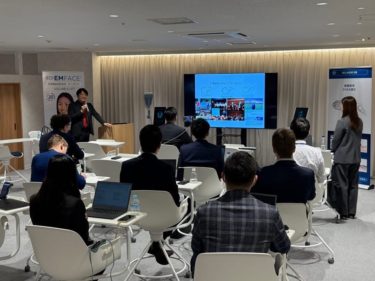
企業講演を終えました。

今回のテーマは

「美容機器メーカーとしてのBTL社のグローバルな存在感と技術力」

でした。

ただし、最初から「製品紹介をするつもり」はありませんでした。依頼内容をそのままなぞっても、社員の皆さんの行動や思考は変わらない。

そう感じた時点で、僕は週末を使って、講演スライドを一度すべて白紙に戻しました。

技術を説明しない講演、という選択

今回の講演で意識したのは、DBA(経営管理学博士)的視点です。

つまり、
「技術をどう説明するか」ではなく、
「その技術によって、企業は世界でどのような役割を担っているのか」という構造から、話を組み立て直しました。

技術力は、もちろん重要です。

しかし、技術力“そのもの”が主役になる講演は、翌日には忘れられます。記憶に残り、組織を動かすのは、技術が戦略の中でどのような意味を持っているのかという理解です。

当たり前の中に埋もれている「非凡さ」を可視化する

BTLの機器は、客観的に見ても世界トップクラスです。

講演ではまず、
BTLの製品が
どの領域において
どの未充足ニーズを
解決してきたのかを、俯瞰的に整理しました。

製品単体ではなく、
市場選択と意思決定の積み重ねとして捉え直すことで、
社員の皆さんが日常的に扱っている“当たり前”の中に、
実は極めて非凡な戦略が内包されていることが、自然と浮かび上がってきます。

社員の視点が変わると、組織の重心が変わります

質疑応答で、最も印象に残った言葉があります。
「自社製品を、こんな視点で考えたことがなかった」

これは単なる感想ではありません。
社員の視座が一段上がったサインです。

自社製品の価値を再定義する

企業が世界で果たしている役割を構造的に理解する
自分の仕事が、グローバル戦略のどこに位置づけられているのかを知る

このプロセスを経ることで、組織内には共通認識と誇りが生まれ、結果としてチームの一体感と判断の質が変わっていきます。

経営学的には、これは
Organizational Identity(組織アイデンティティ)の再構築に相当します。

独自の技術を持つ企業ほど「語り直し」が必要です

高度な技術を持つ企業ほど、
「分かっているはず」「今さら説明はいらない」という前提に縛られがちです。

しかし実際には、
語り直された技術だけが、社員の中で誇りとして定着し、行動規範になります。

技術の良さが“分かっているつもり”の状態では、
その価値は社内にも、そして社外にも、十分には伝わりません。

答えを出さない講演、という設計

今回の講演では、あえて5つの命題を提示して終えています。答えを教えることは簡単です。

しかし、それでは組織は変わりません。

命題を投げ、
組織が自ら考え、噛み砕き、次の一歩を選ぶ。

講演とは、その思考の起点をつくる装置だと、僕は考えています。

これからの企業講演に求められているのは、

モチベーションアップでもなく
製品理解の促進でもなく
「自分たちは何者なのか」を再定義する視点です。

技術、製品、歴史、そして現場。
それらを一段高い経営視座から再接続する。

企業に呼ばれて話す講演では、その役割を担うことが、今の僕の仕事なのだろうと思っています。


I’ve just finished a corporate lecture.

The theme this time was:
“BTL’s Global Presence and Technological Capabilities as an Aesthetic Medical Device Manufacturer.”

However, from the outset, I had no intention of giving a product presentation. Simply following the brief as given would not change how employees think or act.

Once I realized that, I spent the weekend wiping the presentation slides completely clean and starting over from scratch.


Choosing Not to Explain the Technology

What I focused on in this lecture was a DBA (Doctor of Business Administration) perspective.

In other words, instead of asking,
“How should we explain the technology?”
I reframed the talk around the question:
“What role does this technology enable the company to play in the world?”

From that structural viewpoint, I rebuilt the entire narrative.

Technological capability is, of course, important.

But lectures where technology itself is the protagonist are forgotten the very next day. What truly stays with people—and moves an organization—is an understanding of what that technology means within a broader strategy.


Making the “Extraordinary” Visible Within the Ordinary

Objectively speaking, BTL’s devices are among the best in the world.

At the beginning of the lecture, I organized a high-level overview of:

  • which domains BTL’s products operate in,

  • which unmet needs they have addressed,

  • and how those needs have been solved over time.

By reframing the products not as isolated items but as the result of accumulated market choices and strategic decisions, something became clear.

Within what employees handle every day as “business as usual,” there lies an exceptionally sophisticated strategy—one that often goes unnoticed precisely because it feels so normal.


When Employees’ Perspectives Change, the Center of Gravity Shifts

During the Q&A session, one comment stood out to me:
“I’ve never thought about our products from this perspective before.”

This was not merely feedback.
It was a signal that their frame of reference had shifted upward.


Redefining the Value of One’s Own Products

Understanding, in structural terms, the role the company plays globally.
Recognizing where one’s own work fits within a global strategy.

Through this process, shared understanding and pride emerge within the organization. As a result, team cohesion strengthens and the quality of decision-making improves.

From a management theory perspective, this corresponds to a reconstruction of Organizational Identity.


The More Advanced the Technology, the More It Needs to Be Reframed

Companies with highly advanced technologies are often constrained by assumptions such as:
“Everyone already understands this,” or
“There’s no need to explain it again.”

But in reality, only technology that has been re-articulated becomes a source of pride for employees and a genuine guide for action.

When people merely think they understand the value of a technology, that value is never fully communicated—neither internally nor externally.


Designing a Lecture That Does Not Provide Answers

In this lecture, I intentionally ended by presenting five propositions—without giving the answers.

Providing answers is easy.
But that does not change an organization.

Instead, I believe in posing questions, allowing the organization to think, digest, and choose its next step on its own.

A lecture, in my view, is a device designed to initiate that thinking process.


What Corporate Lectures Are Being Asked to Do Now

What is required of corporate lectures today is not:

  • boosting motivation,

  • nor simply deepening product understanding,

but offering a perspective that helps people redefine “who we are.”

Technology, products, history, and frontline operations—all reconnected from a higher managerial vantage point.

When I am invited to speak at companies, fulfilling that role is likely what my work is about now.


TBS ザ・ロイヤルファミリー

昨日はザロイヤルファミリーの最終回でしたね。


友人の間でも話題になっていて、僕もNetflixで追いつこうと頑張ったのですが、あと数話を残して観終らず、最終話は録画しておきました。

Netflix観てると、デフォルトモードネットワークが働くのか、色々思いついて、ブログを書きたくなってしまうんです。

週末に幾つも投稿が上がったのはそんな理由です。

学生の時にダービースタリオンにハマって散々やったので、競馬用語や血統は覚えているのですが、賭け事があまり好きじゃないので、思えば僕は馬主とは縁がなかったなあ。笑。


Yesterday was the final episode of The Royal Family. It was a hot topic among my friends as well, and I tried to catch up on Netflix, but I ended up leaving a few episodes unwatched and recorded the finale instead.

Whenever I watch Netflix, my default mode network seems to kick in—I start coming up with all sorts of ideas and feel like writing blog posts. That’s why several posts went up over the weekend.

I was really into Derby Stallion when I was a student and played it endlessly, so I still remember a lot of horse-racing terms and bloodlines. But since I’m not that fond of gambling, I guess I was never really meant to be a racehorse owner. Haha.


カテゴリー