














魯山人が立ち止まった温泉地、山代温泉
北大路魯山人が「住んだ場所」は数あれど、山代温泉は、明らかに特別な時間が流れていた場所だと思います。
北大路魯山人が山代温泉に身を置いたのは大正期。当時の山代は、いわゆる観光温泉ではなく、工芸と湯治と思想が静かに共存する場でした。
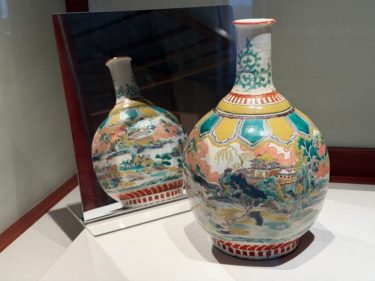
魯山人はここで、名工・須田菁華の窯に出入りし、九谷の素地と徹底的に向き合います。華美な赤絵でもなく、輸出用の金彩でもない。彼が求めたのは「料理を受け止める器」、つまり用の哲学でした。
作陶でお世話になっている河村先生の引き継いだ北鎌倉の「星岡窯」や東京での活動が注目されがちですが、京都出身の魯山人の美意識が「工芸として地に足をつけた」のは、間違いなく山代・菁華山房です。
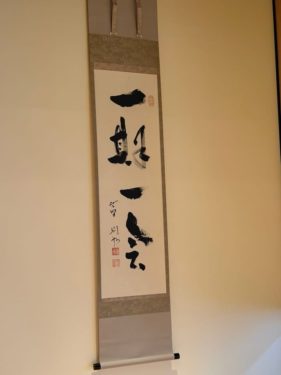
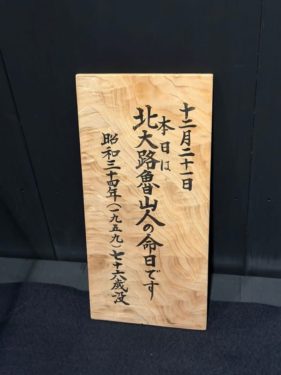
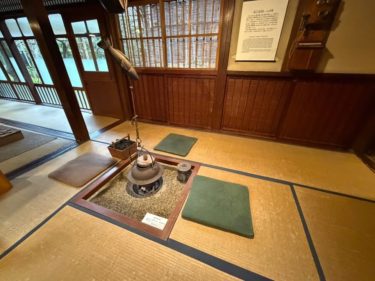
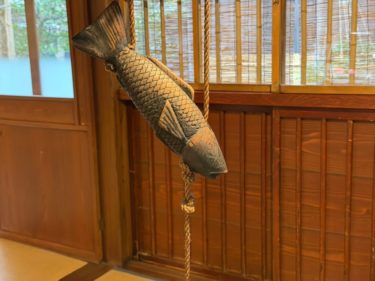
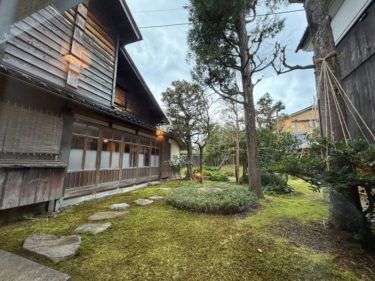
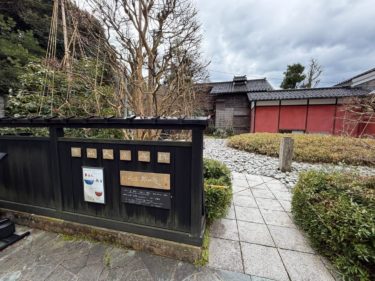
魯山人の寓居跡はいろは草庵として建物が残っていたのですが、そんな場所があるよと偶然タクシーの運転手さんに聞いて、気になって訪ねてみると、まさに本日は魯山人の命日でした。きっと呼ばれましたね。
Yamashiro Onsen, the Hot Spring Town Where Rosanjin Once Paused
Kitōji Rosanjin lived in many places, but Yamashiro Onsen strikes me as somewhere time flowed in a distinctly different way.
Rosanjin stayed in Yamashiro during the Taishō period. At the time, Yamashiro was not a tourist hot spring resort as we think of today, but a quiet place where craft, therapeutic bathing, and thought coexisted in balance.
Here, Rosanjin frequented the kiln of the master potter Suda Seika, confronting the clay of Kutani ware with uncompromising intensity. What he sought was neither flamboyant red overglaze nor gold decoration made for export. Instead, he pursued vessels that could truly receive food—in other words, a philosophy of utility.
Although attention often centers on Hoshigaoka Kiln in Kita-Kamakura, inherited by my own teacher Kawamura-sensei, or on Rosanjin’s activities in Tokyo, it was undoubtedly in Yamashiro—at Seikazanbō—that the aesthetic sensibility of the Kyoto-born Rosanjin became firmly grounded as craft.
Rosanjin’s former residence still remains as Iroha Sōan. I happened to hear about it by chance from a taxi driver, and when I decided to visit out of curiosity, I discovered that today was, in fact, the anniversary of Rosanjin’s death.
I suppose I was called there.