














藤本幸弘 講演ラインナップ― 医学・物理・音楽・経営を統合した次世代知 ―
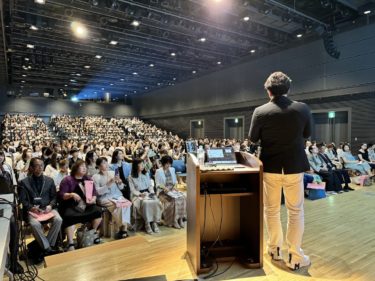
つい先日、講演付きの交流会に参加させていただいたのですが、そういえば最近の自分の講演情報をアップデートしていないなと思い、まとめることにしました。
こちらの10の講演題目は、学会や大学講義、経営者交流会などで何度も話をさせていただいていますので、もしもご用命があればご連絡ください。
医学、工学、薬学、経営管理学と4つの博士号を分野をまたいで取得した唯一の日本人医師。英文論文、著書、CD発売多数。
■ 医療分野
医師、医学博士、米国レーザー医科外科学会(ASMLS)専門医欧州皮膚科泌尿器科学会(EADV)認定医として
①「レーザー・エネルギーデバイスによる肌の若返り」
― 30年の進化と“世界標準”の現在地 ―
単なる美容医療ではなく、
「エネルギーと生体の相互作用」として再定義する講義。
・光熱作用と組織応答(selective photothermolysis)
・フラクショナル化による治癒ダイナミクス
・HIFU・RF・プラズマとの統合治療
“なぜ効くのか”を物理・生物で理解する
②「身体を守り、そして高める進化型栄養学」
― ディフェンシブ栄養学 × オフェンシブ栄養学 ―
従来の「欠乏を防ぐ栄養学」から
「パフォーマンスを設計する栄養学」へ
・ミトコンドリア機能と栄養
・炎症制御と免疫最適化
・スポーツ・脳機能への応用
③「サプリメントは本当に必要か?」
― NMN・脂肪酸・ビタミンの科学的整理 ―
サプリメント市場の拡大の中で問う
「エビデンスとビジネスの境界」
・NMNとNAD+代謝の実際
・オメガ脂肪酸の再評価
・ビタミン過剰時代のリスク
“効く”と“売れる”は別物である
④「男性のメンタルヘルス」
― テストステロンと現代男性の構造的ストレス ―
男性特有の心理・行動特性を
進化生物学 × 内分泌学から読み解く
・テストステロンと意思決定
・競争環境とストレス反応
・現代社会における男性の不適応
「男はつらいよ」を科学する
■ 医療 × 音楽
⑤「音楽はなぜ人を癒すのか」
― 脳・自律神経・時間認識から読み解く ―
音楽を単なる芸術ではなく
「時間構造の医療」として捉える講義
・脳内報酬系とドーパミン
・心拍・呼吸との同期(entrainment)
・時間意識と音楽構造
“音楽は名医 Music is a Great Physician”の科学的根拠
ユニバーサルミュージックよりクラシックCD発売(6枚)
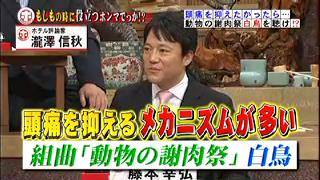
ホンマでっかTV!? 情報プレゼンター とくダネ! などに出演
■ ゴルフ × 脳科学・物理学 ゴルフ医科学研究所 所長
ゴルフ理論の英文科学論文2報
⑥「ゴルフスイングを支配する10の物理公式」
― 小脳が習熟する“運動の法則”とは何か ―
感覚論を排し、
「再現可能な運動科学」としてゴルフを再定義
・角運動量保存則
・トルクと地面反力
・運動学習と小脳
上達とは“再現性の獲得”である
■ 経営・学習 慶應義塾大学経済学部中退 医学部受験
海外MBA DBA取得
上場企業の経営顧問 取締役多数
株式上場経験 四季報に大株主で名前が掲載
⑦「AI時代の新・勉強法」
― 知識は“覚えるもの”から“使うもの”へ ―
AIによって変わる学習の本質
・記憶中心教育の終焉
・知識の構造化と応用力
・思考力と問いの設計
MBAの上級学位DBA(Doctor of Business Administration) の学位取得論文 AI時代の教育システムの変革
⑧「成功する経営者の条件」
― 医師 × 起業家の視点から ―
医療と経営の両側から見た「意思決定の本質」
・リスクとリターンの非対称性
・組織設計と人材配置
・長期戦略と直感
⑨「エビデンスとは何か?」
― 理系思考(物理・化学・生物)で世界を理解する ―
“なんとなく正しい”を排除する
科学的意思決定のフレームワーク
・物理・化学・生物の統合思考
・エビデンスレベルの限界
・医療・サプリ・機器評価の実践
■ 仏教・哲学 真言宗僧侶資格を取得 社会人得度
⑩「般若心経を現代に読む」
― 記憶法と“空”の実践的理解 ―
科学では到達できない領域を
構造として理解する試み
・空(śūnyatā)と存在論
・認知と実在のズレ
・苦の構造とその解消
科学と宗教が交差する地点
著書
2025年8月
AI時代の新勉強法 努力より戦略(きずな出版)
2025年6月
10歳若く見える肌習慣 : 科学で叶えるキレイを保つ秘訣(きずな出版)
2023年10月
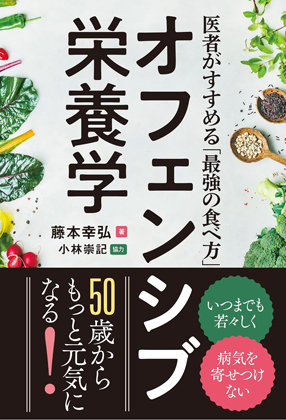
オフェンシブ栄養学 : 医者がすすめる「最強の食べ方」(オリーブの木)
2023年9月
マンガでわかる!アロエベラのすごい抗酸化力(オリーブの木)
2022年12月
医師と経営者だけが知っている酸素カプセル7つのメリット(ゴマブックス)
2021年9月
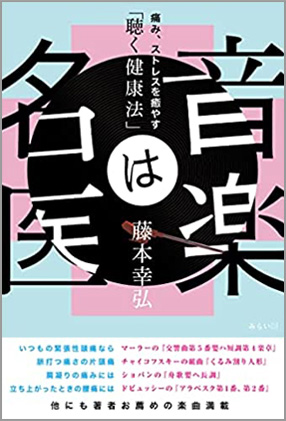
音楽は名医 : 痛み、ストレスを癒やす「聴く健康法」(みらいパブリッシング)
2019年12月
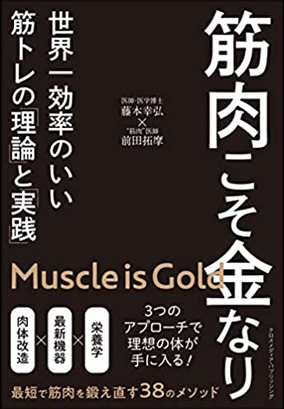
筋肉こそ金なり(クロスメディアパブリッシング)
2019年5月
医者が教えるアロエベラの体にやさしい抗酸化力
2019年2月
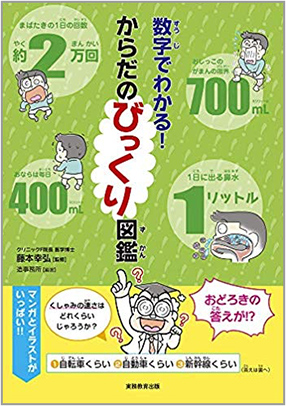
数字でわかる!からだのびっくり図鑑
2018年5月
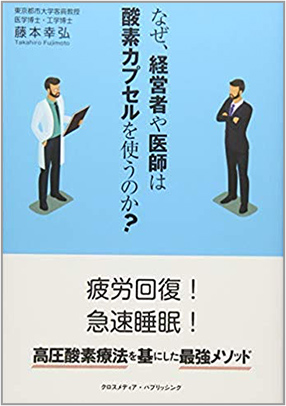
なぜ、経営者や医師は酸素カプセルを使うのか?
2017年12月
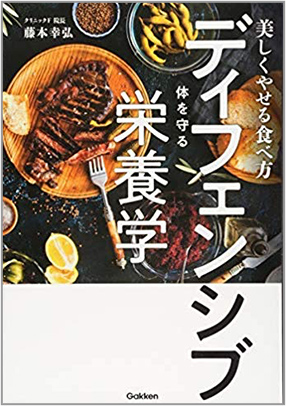
ディフェンシブ栄養学(学研)
2017年4月
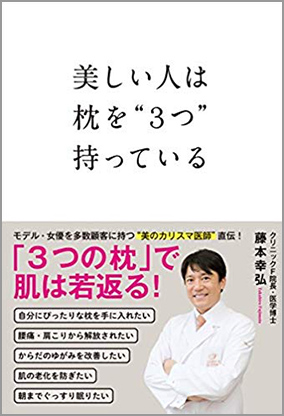
美しい人は枕を3つ持っている(双葉社)
2017年3月
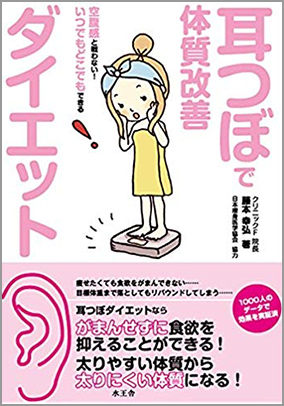
耳つぼで体質改善ダイエット(水王舎)
2017年1月
メディカルアロマテラピーの科学(コスモトゥーワン社)
2015年11月
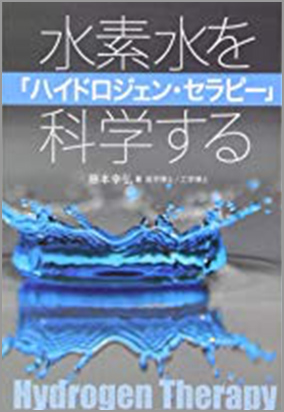
ハイドロジェン・セラピー―水素水を科学する(ソースブックス社)
2014年4月
痩身を科学する―最新医療機器のすすめ(ソースブックス社)
2010年11月
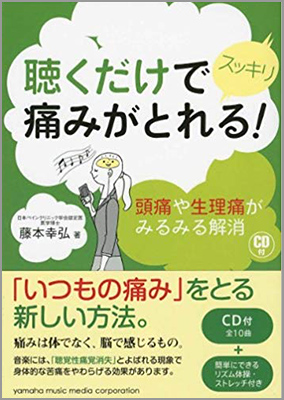
聴くだけでスッキリ痛みがとれる!(ヤマハミュージックメディア社)
■ CD(ユニバーサルミュージック)
2015年9月
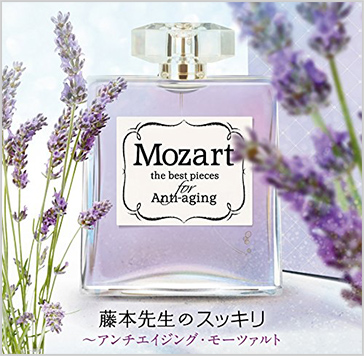
藤本先生のスッキリ~アンチエイジング・モーツァルト
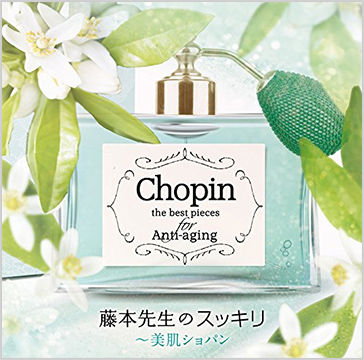
藤本先生のスッキリ~美肌ショパン
藤本先生のスッキリ~アンチエイジング・ジャズ
2015年6月
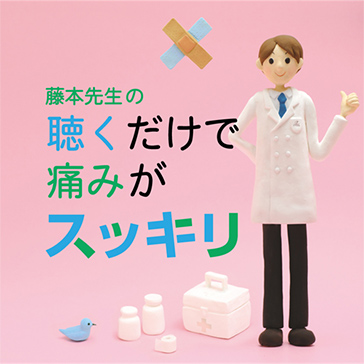
藤本先生の聴くだけで痛みがスッキリ
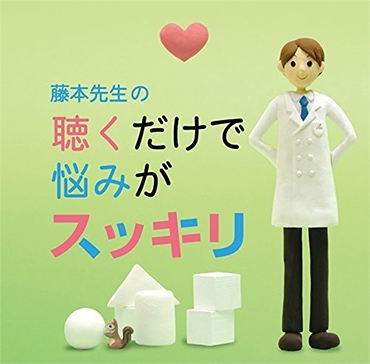
藤本先生の聴くだけで悩みがスッキリ
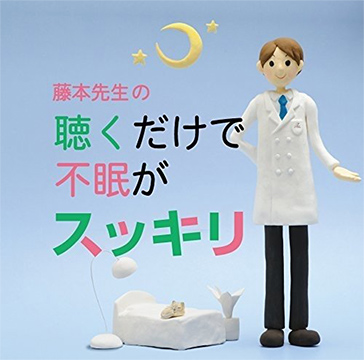
藤本先生の聴くだけで不眠がスッキリ
Takahiro Fujimoto – Lecture Lineup
— Next-Generation Knowledge Integrating Medicine, Physics, Music, and Management —
I recently had the opportunity to participate in a networking event with a lecture, and it made me realize that I hadn’t updated my recent lecture topics. I’ve therefore compiled them here.
The following ten lecture themes have been presented multiple times at academic conferences, university courses, and executive networking events. Please feel free to contact me if you are interested.
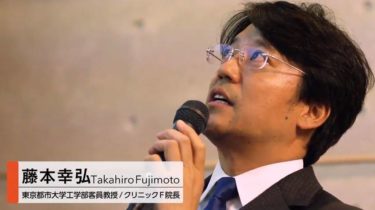
Takahiro Fujimoto, MD, PhD, MBA, DBA
Keynote Speaker | Physician-Scientist | Executive Advisor
Profile
Dr. Takahiro Fujimoto is a uniquely multidisciplinary physician-scientist, holding doctoral-level qualifications across medicine, engineering, pharmaceutical sciences, and business administration. His work integrates medical science, physics, neuroscience, and management theory to deliver practical, evidence-based insights for both healthcare and business audiences.
He has authored numerous peer-reviewed English publications, bestselling books, and music-based therapeutic works, and serves as an advisor and board member to multiple publicly listed companies.
Keynote Themes
1. Medical Innovation & Human Performance
Energy-Based Medicine & Skin Rejuvenation
Redefining aesthetic medicine through physics and biological interaction
Evolutionary Nutrition: From Defense to Performance
Designing nutrition for mitochondrial function, immunity, and cognition
Evidence vs. Market: The Truth About Supplements
Scientific evaluation of NMN, fatty acids, and vitamins
Men’s Mental Health & Hormonal Dynamics
Testosterone, decision-making, and stress in modern environments
2. Neuroscience, Music & Human Optimization
Why Music Heals: A Scientific Perspective
Brain reward systems, autonomic regulation, and time perception
Music as “structured medicine in time” for stress, pain, and recovery
3. Sports Science & Performance Engineering
The Physics of the Golf Swing
Applying angular momentum, torque, and motor learning science
Reframing performance as reproducible biomechanics, not intuition
4. AI, Learning & Executive Strategy
Learning in the Age of AI
From memorization to applied intelligence and problem design
What Defines a Successful Executive
Decision-making under uncertainty: risk asymmetry, strategy, and intuition
What Is Evidence?
A scientific framework for decision-making across industries
5. Philosophy, Consciousness & Leadership
The Heart Sutra Revisited
Practical understanding of “emptiness” and human cognition
Exploring the intersection of science, perception, and reality
Selected Achievements
Board-Certified Specialist, American Society for Laser Medicine and Surgery (ASLMS)
Certified by the European Academy of Dermatology and Venereology (EADV)
Director, Golf Medical Science Institute
MBA / DBA (Doctor of Business Administration)
Executive advisor and board member for publicly listed companies
Experience in IPO and major shareholding (as listed in financial reports)
Publications & Media
Author of multiple books on nutrition, medicine, performance, and AI-era learning, including:
New Study Methods in the Age of AI: Strategy Over Effort (2025)
Offensive Nutrition (2023)
Music Is a Great Physician (2021)
Released six music CDs through Universal Music focused on therapeutic listening.
Frequent media appearances on major Japanese television programs.
Speaking Engagements
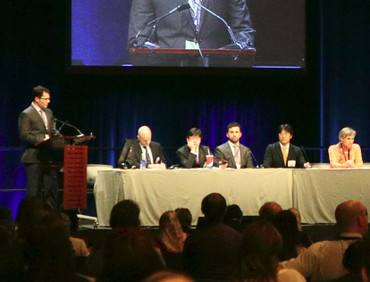
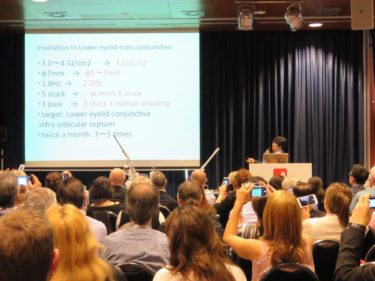
Dr. Fujimoto has delivered lectures at:
Academic conferences
Universities and medical institutions
Executive forums and leadership programs
Available for keynote speeches, corporate training, and advisory engagements worldwide.
Contact
Available upon request