














酒は香りの神経科学
世界には様々な酒があります。
しかし不思議なことに、人はそれぞれの酒で酔い方が違うと感じます。
テキーラを飲めば陽気になり、
ワインでは幸福感が広がり、
ウイスキーでは少し思索的になります。
ジンやウォッカはどこか直線的な酔い方をし、
ビールはなぜか人を安心させます。
もちろん主成分はすべてエタノールです。
それでも体験が違うのは、酒に含まれる香味成分が脳に与える影響が異なるからだと考えられます。
アルコールは脳のドーパミン報酬系を刺激し、快感や高揚感を生むことが知られています
(Spanagel R. Nature Reviews Neuroscience. 2009;10:547–556)。
さらに重要なのは「香り」です。
嗅覚は脳の大脳辺縁系、つまり感情や記憶を司る領域へ直接伝わります。
そのため酒の香りは、理性より先に感情を刺激します。
ワインの特徴は、数百種類とも言われる複雑な香りです。
エステルやテルペンなどの香気分子が重なり合い、脳の報酬系を刺激します。
そのためワインは単なる酔いというより、どこか幸福感に近い感覚を伴う酒になります。
ウイスキーは少し違います。
長い樽熟成の中でバニリンやフェノール、オークラクトンなどの香りが生まれます。
甘さ、煙、木のニュアンスが重なったこの香りは神経を静かに緩めます。
バーのカウンターでウイスキーを傾けると、人は少し哲学的な話をしたくなるものです。
ウイスキーが「思索の酒」と言われるのも、あながち偶然ではないでしょう。
テキーラは対照的です。
アガベ由来のテルペンや柑橘系のエステルが明るい香りを作り、ショットで飲む文化と相まって場を一気に陽気にします。
ジンはジュニパーベリーの香りを中心に、リモネンやピネンなどの植物由来テルペンを多く含みます。
そのため印象はシャープで覚醒的です。
一方ウォッカは蒸留を極限まで進めることで香味成分がほとんど取り除かれています。
そのため酒の個性というより、純粋にアルコールの作用が前面に出る酒と言えるでしょう。
そしてビールです。
ビールの個性はホップにあります。
ホップにはミルセンやフムレンといったテルペンが含まれ、リラックス作用を示す可能性が研究で報告されています
(Franco L. Journal of Agricultural and Food Chemistry. 2012;60:12321–12328)。
そのためビールは、ワインの陶酔でもウイスキーの思索でもありません。
むしろ仲間と安心して語り合える酒なのだと思います。
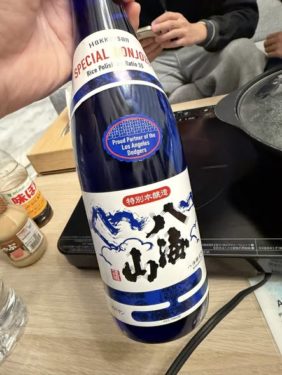
こうでは日本酒はどうでしょうか。
日本酒は米を原料とし、麹と酵母による並行複発酵という独特の醸造で作られます。
吟醸酒ではカプロン酸エチルや酢酸イソアミルといった香り成分が生まれ、リンゴやバナナのような穏やかな香りを作ります。
しかしワインのような数百種類の香りの複雑さや、ウイスキーの樽香とは少し性格が異なります。
日本酒の魅力はむしろ、香りの強さではなく静かな調和にあります。
旨味、甘味、柔らかな香りが穏やかに重なり、料理と共に静かに広がる。
そのため日本酒の酔いは、陶酔というより落ち着きや余白に近い感覚かもしれません。
こうして見てみると、酒とは単なるアルコールではありません。
香りが脳を刺激し、文化が飲み方を決め、人の感情を少し変えます。
ワインは幸福を呼び、
ウイスキーは思索を呼び、
テキーラは陽気さを呼び、
ビールは安心を呼び、
そして日本酒は静けさを呼ぶ。
同じエタノールなのに、人間の感じる世界はこんなにも違うのです。
酒とは、文化が作った小さな神経科学装置なのかもしれません。


The Neuroscience of Aroma in Alcohol
The world offers an astonishing variety of alcoholic beverages. Yet, interestingly, people often feel that the experience of intoxication differs depending on the drink.
Tequila tends to make people cheerful.
Wine often brings a sense of happiness.
Whisky can make one slightly reflective.
Gin and vodka produce a more linear, straightforward intoxication, while beer somehow seems to relax and reassure people.
Chemically speaking, however, the main active ingredient is the same in all of them: ethanol.
Why, then, do the experiences feel so different?
One explanation is that the aromatic compounds contained in each drink influence the brain in different ways.
Alcohol itself is known to stimulate the brain’s dopamine reward system, producing pleasure and euphoria (Spanagel R., Nature Reviews Neuroscience, 2009;10:547–556).
Even more important, however, is aroma.
The sense of smell is directly connected to the limbic system, the brain region that governs emotion and memory. Because of this direct neural pathway, aromas stimulate emotions before they are processed by rational thought.
Wine: The Chemistry of Happiness
Wine is characterized by extraordinary aromatic complexity. It is said to contain hundreds of different volatile compounds.
Aromatic molecules such as esters and terpenes overlap and interact, stimulating the brain’s reward system.
For this reason, wine intoxication often feels less like simple drunkenness and more like a gentle expansion of happiness.
Whisky: The Spirit of Reflection
Whisky has a different character.
During long maturation in oak barrels, compounds such as vanillin, phenols, and oak lactones are formed. These aromas combine sweetness, smoke, and woody notes.
This layered fragrance tends to relax the nervous system quietly. Sitting at a bar and slowly sipping whisky often leads people into philosophical conversations.
It may not be entirely coincidental that whisky is sometimes described as “a drink for contemplation.”
Tequila: Bright and Social
Tequila stands in contrast.
Terpenes derived from the agave plant, along with citrus-like esters, create a bright and lively aroma. Combined with the cultural habit of drinking tequila as shots, it can quickly energize a social setting.
Gin and Vodka: Botanical Sharpness vs. Purity
Gin centers on the aroma of juniper berries and contains many plant-derived terpenes such as limonene and pinene. The result is a sharp, awakening impression.
Vodka, on the other hand, is distilled to an extreme degree, removing most aromatic compounds. As a result, vodka expresses less of a distinct flavor profile and more of the pure physiological effects of alcohol itself.
Beer: The Comfort of Hops
Beer’s character comes largely from hops.
Hops contain terpenes such as myrcene and humulene, and some studies suggest these compounds may have mild relaxing effects (Franco L., Journal of Agricultural and Food Chemistry, 2012;60:12321–12328).
For this reason, beer is neither the intoxicated bliss of wine nor the contemplative mood of whisky.
Rather, it is a drink that invites people to relax and talk comfortably with friends.
And What About Sake?
Where does Japanese sake fit into this picture?
Sake is made from rice through a unique brewing process known as multiple parallel fermentation, involving both koji mold and yeast.
In premium styles such as ginjo sake, aromatic compounds such as ethyl caproate and isoamyl acetate are produced, creating gentle notes reminiscent of apples or bananas.
However, the character of sake differs somewhat from both wine’s vast aromatic complexity and whisky’s barrel-derived fragrance.
The charm of sake lies not in the strength of its aroma, but in its quiet harmony.
Umami, mild sweetness, and delicate fragrance blend softly together, expanding gradually alongside food.
For this reason, the intoxication of sake may feel less like euphoria and more like a sense of calm and spaciousness.
Alcohol as Cultural Neuroscience
Seen from this perspective, alcohol is not merely ethanol.
Aromas stimulate the brain.
Culture shapes the way a drink is consumed.
And together they subtly influence human emotion.
Wine calls forth happiness.
Whisky invites reflection.
Tequila sparks cheerfulness.
Beer brings comfort.
And sake evokes quietness.
The ethanol may be the same, yet the world humans experience can feel remarkably different.
Perhaps alcohol is, in a sense, a small piece of neuroscience shaped by culture.