














ゴルフは“振る競技”ではありません
― 小脳習熟とプロのイメージトレーニング ―
■ ゴルフスイングの正体
ゴルフは一般には「クラブを振る競技」と思われていますが、実際には違います。
本質は「時間と順序の制御」です。
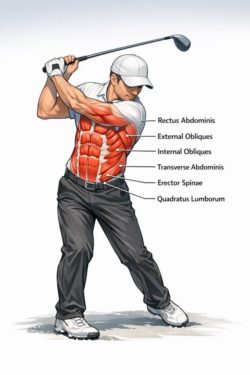
骨盤から体幹、上腕、前腕、クラブへと伝わる運動連鎖が、ミリ秒単位で成立するかどうか。飛距離も方向性も、この精度に依存しています。
■ 小脳習熟というメカニズム
この精度を担っているのが小脳です。
小脳は
運動の予測
実際との誤差検出
自動補正
を担っています。
臨床的に見れば「ゴルフの上達とは、小脳の内部モデルの最適化」です。
■ プロのイメージトレーニング
ここで重要になるのが、プロが行っているイメージトレーニングです。
彼らはボールを打たずに、スイングを何度も頭の中で再現しています。
これは単なる想像ではありません。
脳内では
運動前野
小脳
大脳基底核
が実際の運動と同様に活動しています。
運動を伴わない神経学的リハーサル つまり 動かなくても上達している
■ ゴルフクラブという完成形
ここで視点を少し変えます。
ゴルフクラブの形状は、何百年も大きく変わっていません。
それは最も効率よくボールを飛ばす構造が、すでに完成しているからです。
これは臨床で使う医療機器にも似ています。最適化された形は、そう簡単には変わりません。
■ スイングを変えるとスコアが落ちる理由
レッスンを受けてスイングを変えると、一時的にスコアが落ちることがあります。これは異常ではなく、極めて正常な現象です。
● 何が起きているのか
自己流スイング
→ 小脳に強固に固定されている
理想スイング
→ まだ神経回路として存在しない
結果
既存の内部モデルを壊し、新しいモデルを構築している途中
つまり「再学習過程に入っている状態」です。
■ 自己流スイングの限界
自己流でも、たまに良いスコアが出ることはあります。
80台が出ることもあるでしょう。
しかしそれは再現性がないという問題を内包しています。
自己流スイングは
タイミングが不安定
誤差補正が不十分
小脳モデルが最適化されていない
そのため “たまに当たるが、安定しない”
■ 理想スイングとは何か
理想のスイングとは
「物理的に最も効率の良い運動パターン」
です。
力の伝達効率
タイミングの安定性
誤差耐性
これらが最大化された状態が、結果として「美しいスイング」として観察されます。
つまりレッスンは美しいスイングを目指すべきなのです。
■ 小脳習熟の本質
ゴルフの上達とは「理想スイングを小脳にインストールすること」です。
そのためには
実打による誤差取得
イメージトレーニングによる予測更新
この両方が必要です。
■ 臨床的まとめ
ゴルフは筋力の競技ではなく技術の競技でもありません「予測の精度を競う競技」です。
スイングを変えて一時的にスコアが落ちるのは、「小脳が再構築されている証拠」です。
そこを乗り越えたとき、初めて安定して良いスコアが出る状態に到達します。
■ 最後に
自己流でも、たまたま良いショットは出ます。
しかしゴルフが求めているのは「偶然ではなく再現性」です。
そしてその再現性は「小脳に刻まれた運動の質」によって決まります。
■ 参考文献
Wolpert DM et al. Internal models in the cerebellum. Trends Cogn Sci. 1998;2:338–347
Shadmehr R, Mussa-Ivaldi FA. Adaptive representation of dynamics during learning. J Neurosci. 1994;14:3208–3224
Jeannerod M. The representing brain. Behav Brain Sci. 1994;17:187–202
Yue G, Cole KJ. Strength increases from motor imagery. J Neurophysiol. 1992;67:1114–1123
Golf Is Not a “Swinging” Sport
— Cerebellar Learning and Professional Mental Training —
■ The True Nature of the Golf Swing
Golf is commonly thought of as a sport where you “swing a club,” but in reality, it is not.
Its essence lies in the control of timing and sequence.
A coordinated kinetic chain—from the pelvis to the trunk, upper arms, forearms, and finally the club—must occur with millisecond precision. Both distance and accuracy depend on this level of timing.
■ The Mechanism of Cerebellar Learning
This precision is governed by the cerebellum.
The cerebellum is responsible for:
Predicting movement
Detecting errors between intended and actual motion
Automatically correcting those errors
From a clinical perspective, improving at golf is essentially the optimization of internal models within the cerebellum.
■ Mental Training in Professionals
A key factor here is the mental training practiced by professionals.
They repeatedly rehearse their swings in their minds without actually hitting a ball. This is not mere imagination.
Within the brain, the following areas are activated similarly to real movement:
Premotor cortex
Cerebellum
Basal ganglia
This is neurological rehearsal without physical motion—in other words, you can improve without moving.
■ The Golf Club as a Completed Form
Let’s shift perspective slightly.
The shape of the golf club has remained largely unchanged for hundreds of years. This is because its structure has already been optimized for efficiently striking the ball.
This is similar to medical instruments used in clinical practice—once a form is optimized, it does not change easily.
■ Why Changing Your Swing Lowers Your Score
After taking lessons and changing your swing, your score may temporarily worsen. This is not abnormal—it is entirely natural.
What is happening?
Your habitual swing → firmly encoded in the cerebellum
The ideal swing → not yet established as a neural circuit
Result:
You are in the process of breaking down an existing internal model and constructing a new one.
In other words, you have entered a relearning phase.
■ The Limitations of a Self-Taught Swing
Even with a self-taught swing, you may occasionally achieve a good score—perhaps even in the 80s.
However, the problem is a lack of reproducibility.
A self-taught swing tends to have:
Unstable timing
Insufficient error correction
A non-optimized cerebellar model
As a result: “It works occasionally, but lacks consistency.”
■ What Is an Ideal Swing?
An ideal swing is:
“The most physically efficient movement pattern.”
It maximizes:
Efficiency of force transfer
Stability of timing
Tolerance to error
When these are optimized, the result appears as a beautiful swing.
This is why lessons should aim for a beautiful, efficient form.
■ The Essence of Cerebellar Learning
Improvement in golf means installing the ideal swing into the cerebellum.
To achieve this, both are necessary:
Acquiring error feedback through actual swings
Updating predictions through mental training
■ Clinical Summary
Golf is neither a test of strength nor merely a technical sport.
It is a sport of predictive accuracy.
A temporary decline in performance when changing your swing is evidence that the cerebellum is being reorganized.
Once this phase is overcome, consistent performance becomes possible.
■ Final Thoughts
Even with a self-taught swing, good shots can happen by chance.
However, what golf demands is not chance—but reproducibility.
And that reproducibility is determined by the quality of movement encoded in the cerebellum.
■ References
Wolpert DM et al. Internal models in the cerebellum. Trends Cogn Sci. 1998;2:338–347
Shadmehr R, Mussa-Ivaldi FA. Adaptive representation of dynamics during learning. J Neurosci. 1994;14:3208–3224
Jeannerod M. The representing brain. Behav Brain Sci. 1994;17:187–202
Yue G, Cole KJ. Strength increases from motor imagery. J Neurophysiol. 1992;67:1114–1123