













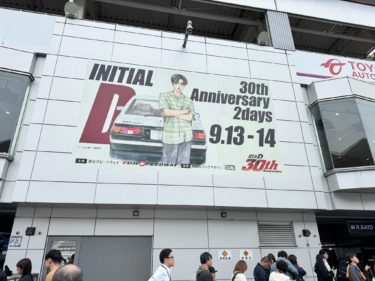
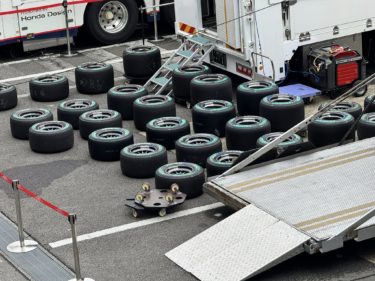
富士スピードウェイ スーパーフォーミュラ第十戦
観にきました!


https://www.facebook.com/1486146253/videos/pcb.10240322056497476/1677564066536404
Came to watch Super Formula Round 10 at Fuji Speedway!

 藤本幸弘オフィシャルブログ
富士スピードウェイ スーパーフォーミュラ第十戦
観にきました!
https://www.facebook.com/1486146253/videos/pcb.10240322056497476/1677564066536404
Came to watch Super Formula Round 10 at Fuji Speedway!
新国際学会周遊記──『成りあがり』を読んで
林修先生の番組で、久しぶりに矢沢永吉さんのインタビューを見て、ついつい買ってしまったこの本。矢沢永吉の自叙伝『なりあがり』(講談社、1978年)を読んでまず心に突き刺さったのは、その徹底した「ハングリー精神」でした。
広島の貧しい家庭に生まれ、「冷蔵庫が欲しい」「牛乳を腹一杯飲みたい」と願った少年時代。その欠乏体験が、彼を東京へ、そして世界へと突き動かしたのです。矢沢にとってのギターやステージは、僕にとっての研究室や学会発表と同じ「生きるための闘いの場」だったのでしょう。
「俺はビッグになる」──この言葉は、単なる虚勢ではなく、飢えの中から絞り出された祈りであり宣言でした。研究者が「世界を変える論文を書く」と言い切る時と同じ、存在そのものを賭けた覚悟がそこにあります。
やがて矢沢は、挫折と裏切り、借金や孤独をも乗り越え、文字通り「成りあがって」いきます。奴らを見返すには、もっと圧倒的にビックスターになるしかない!そのエネルギーが1978年の矢沢永吉を作り上げたのです。
ここで感じるのは、彼の哲学が「やめなかった者が勝つ」という極めてシンプルな真理に立脚していることです。資産や人脈ではなく、「続ける力」こそが成功を呼ぶ。その姿勢は、医療や学問、ビジネスの世界にもそのまま通じる普遍性を持っています。
『なりあがり』は、ロック歌手の物語であると同時に、「挑戦し続ける人間の生き方」を描いた哲学書でもある。
読み終えて、僕自身もまた「まだまだ飢えていなければならない」と背中を押された気がしました。
糸井重里さんの文章も良かった。
今の若い日本人にも読んでもらいたい。
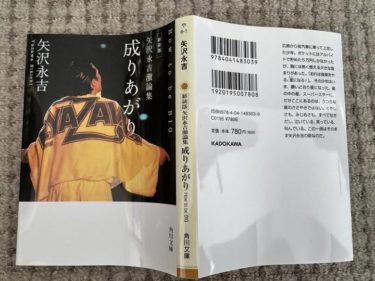
A Journey Around the New International Academic Conference — Reflections on Nariagari
I recently watched an interview with Eikichi Yazawa on Hayashi Osamu’s TV program for the first time in a long while, and it compelled me to pick up this book.
“Nariagari” (The Rise, Kodansha, 1978), Yazawa’s autobiography, struck me first and foremost with its uncompromising spirit of hunger.
Born into poverty in Hiroshima, Yazawa grew up wishing for things like “a refrigerator” or “enough milk to drink until I was full.”
That formative experience of lack is what drove him to Tokyo, and eventually to the world stage.
For Yazawa, the guitar and the stage were battlefields for survival—just as the research lab and academic conferences are for me.
“I’m going to be big.”
This wasn’t just empty bravado. It was a prayer—wrung from hunger—and a declaration of intent.
It carried the same weight as when a researcher says, “I’m going to write a paper that changes the world.” It was a statement backed by the full weight of one’s being.
Yazawa went on to overcome setbacks, betrayal, debt, and deep loneliness. And ultimately, he rose.
To prove them all wrong, he had no choice but to become overwhelmingly, undeniably successful.
That fierce drive is what forged Eikichi Yazawa in 1978.
What struck me most is that his philosophy is rooted in a simple yet powerful truth:
“The one who doesn’t quit, wins.”
It’s not wealth or connections that bring success—but the power to keep going.
That mindset holds universal value—it resonates just as deeply in the worlds of medicine, academia, and business.
Nariagari is not just the story of a rock singer.
It is also a philosophical work—a portrait of what it means to be someone who keeps challenging.
After finishing it, I felt something stir in me too:
I, too, must stay hungry.
Shigesato Itoi’s writing was excellent as well.
I truly hope today’s younger generation in Japan gets a chance to read this book.
新国際学会周遊記──石破首相「戦後80年メッセージ」を聞いて
石破茂首相が退任を前に語った「戦後80年に寄せて」は、これまでの首相談話とは明らかにトーンが違うことに気づきます。
歴代首相の談話が「平和国家として歩んできた日本」を確認するものだったのに対し、石破氏は一歩踏み込みました。
「なぜあの戦争を止められなかったのか」
──その問いを正面から提示したのです。
日本は戦後80年間、平和国家として歩んできた。
しかし戦前には、制度や政治が戦争を止められなかった大きな問題があった。
1 憲法の欠陥:軍部が独立して暴走し、首相も止められなかった。
2 政治の弱さ:政党が争い、国民の信頼を失った。
3 議会の機能不全:反戦の声をあげた議員(斎藤隆夫)が除名された。
4 メディアの責任:戦争を批判せず「戦争が売れる」と世論を煽った。
5 情報不足:国際情勢を見誤り、判断を誤った。
そして首相は
「戦後の日本は文民統制の制度を整えたが、それを正しく運用するのは政治家や国民の責任だ」
と強調しました。
特に、斎藤隆夫議員の反軍演説や、メディアが「戦争が売れる」とばかりに部数を伸ばした過去に触れた部分は、耳が痛いほどのリアリズムを感じさせます。
◎よいと思う点
「なぜ戦争を止められなかったのか」を掘り下げた初めての首相メッセージ。
歴史の表層ではなく、制度と運用の歪みまで論じたことは画期的。
政治・議会・メディアの責任を明確に言及し、過ちを繰り返さないための教訓を広く示した。
「制度はあっても、運用する人間が誤れば意味がない」
と強調した点は、現代のポピュリズム政治への警鐘としても響く。
◎悪いと思う点
論旨が詳細にわたり、一般国民には「長すぎる」と感じられる可能性。学会講演のようで、政治家のメッセージとしては難解。
過去の責任分析に比重が大きく、未来へのビジョン──「これから日本をどう導くのか」という展望がやや弱い。
退任直前に出したため、「もっと早く国民に伝えるべきだった」という印象も残る。
総じて言えば、過去の僕のブログにも比較して触れましたが、歴代首相談話の中でも最も知的で、かつ重い内容でした。
「制度を持つだけでは平和は守れない。常に運用する人間の理性と勇気が問われる」
──この指摘は、まさに今の時代に響く警句です。
私は、このメッセージを「よい」と評価します。
ただし
「よすぎて難しい」。
歴史に関心のある層には届くけれど、広く国民に浸透するかという点では課題を残した、と言えるでしょう。
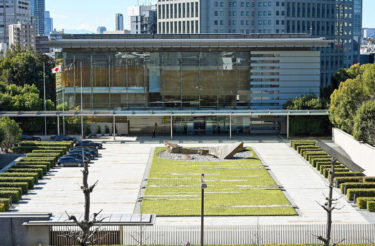
写真は首相官邸です。
A Journey Around the New International Academic Conference — On Prime Minister Ishiba’s “Message on the 80th Anniversary of the End of the War”
Prime Minister Shigeru Ishiba’s message, delivered shortly before leaving office, titled “On the 80th Anniversary of the End of the War”, clearly strikes a different tone from past prime ministerial statements.
While previous prime ministers mainly reaffirmed Japan’s path as a peace-loving nation, Ishiba went a step further.
He confronted a fundamental question head-on:
“Why couldn’t we stop that war?”
Japan has walked the path of peace for 80 years since the end of World War II.
However, in the pre-war era, there were serious institutional and political failures that made it impossible to prevent the war. Ishiba identified five key issues:
Constitutional flaws – The military acted independently and ran out of control, even the prime minister couldn’t stop them.
Political weakness – Political parties were divided, losing the trust of the public.
Parliamentary dysfunction – Lawmakers who opposed the war, like Takao Saito, were expelled from the Diet.
Media responsibility – The media fanned the flames of war, avoiding criticism and prioritizing sales with the mindset “war sells.”
Lack of information – Japan misread the international situation and made critical misjudgments.
Ishiba emphasized that while postwar Japan has established systems for civilian control of the military, it is ultimately the responsibility of politicians and citizens to ensure those systems are properly operated.
Particularly striking were his references to Representative Takao Saito’s anti-military speech and the media’s complicity in pushing pro-war narratives. These elements gave the message a painful realism.
What I found good:
This was the first prime ministerial message to deeply explore why Japan failed to stop the war. Rather than skimming the surface of history, Ishiba addressed the structural and operational distortions head-on—an unprecedented move.
He clearly identified the responsibilities of politics, parliament, and the media, offering a broad set of lessons to prevent repeating past mistakes.
His warning that “Even if systems exist, they mean nothing if the people who operate them fail” strongly resonates today, especially in an era of rising populism.
What I found lacking:
The argument was highly detailed and could feel “too long” or difficult for the average citizen—more like an academic lecture than a political message.
The message leaned heavily on analyzing past failures, with relatively little vision or direction for Japan’s future.
Delivered right before stepping down, it left the impression that “this should have been shared with the public much earlier.”
All things considered—and as I’ve touched on in past blog posts—this was the most intellectual and weighty message among all postwar prime ministerial statements.
“Having systems alone cannot preserve peace. It always comes down to the reason and courage of those who operate them.”
This observation is a powerful warning that echoes profoundly in today’s world.
I would say: this message was “good.”
But also, “perhaps too good—and therefore too difficult.”
It may reach those interested in history, but whether it will resonate broadly with the public remains an open question.
(The photo was taken at the Prime Minister’s Office.)
いよいよ観られなくなってしまう大阪万博2025の噴水ショー。正面動画です。
全24分。
当選倍率80倍。途中レジオネラ菌検出のために中止されてしまった期間もあり、貴重です。
Captured a front-facing video of the Expo 2025 Osaka fountain show, which will soon no longer be available to watch.
Total length: 24 minutes.
Believe it or not with odds of winning at 80 to 1, it was a truly rare experience I enjoyed very much. There was even a period when it was suspended due to the detection of Legionella bacteria, making it all the more valuable and once in a life experience