













TakahiroFujimoto.com

HOME MAIL
HOME PROFILE BOOKS MUSIC PAPERS CONFERENCES BLOG MAIL CLOSE

BLOG 藤本幸弘オフィシャルブログ

BLOG|ブログ

アンチエイジング治療は知の伴走

——アンチエイジング医療は「人生の変化」に寄り添う知の伴走である——

僕は2000年に専門医を取得し、医学系大学院に入学したタイミングで、最初のレーザークリニックと会社法人をつくった。

それまでの5年間、大学病院で“24時間稼働する歯車”のように働く日々に疑問を感じ、同時に保険診療の未来にも明るい展望が見えなくなったころだった。

大学院で時間を確保し、自分の思考を整理したかった——

それが、アンチエイジング医療との本格的な出会いでもあった。

気づけば医師になって31年。アンチエイジング医療に携わって26年が過ぎた。

四半世紀以上、目の前の人と向き合ってきたが、振り返ってみると、僕がしてきたのは単なる医療行為ではなかった気がしている。

むしろ——

“個人コンサルティング”のような仕事だったのではないか。

アンチエイジング医療には、基本的に病気の人は来ない。

健康な人が、未来の自分のために定期的に足を運ぶ。

だからこそ患者さんは、ときに人生や仕事の相談までしてくれるようになる。

気づけば僕の仕事は肌を整えるだけでなく、“人生”の相談まで受ける仕事になっていた。

新しいプロジェクトのこと

人間関係のこと

これからのキャリアのこと


外見の悩みの奥には、たいてい“生き方”が横たわっている。

その核心に触れるとき、僕自身が歩んできた道が思わぬ形で役に立つ。

医学・工学・薬学・経営学。

四つの博士号で培った思考力が、診察室の小さな空間で重なり合い、目の前の人が

“何に悩み、どこで停滞し、どこに変化の入り口があるのか”

を自然と示してくれる。

感じる力

気づく力

観察する力

問題を構造的に解決する手法

そして、エビデンスを確かめるための方法論


これらすべてが、日々の診療で生きている。

だから僕の仕事は、レーザーを打つだけでは終わらない。

その人の人生の節目にそっと灯りをともすように、医療と学問を背景にした“知的な伴走”を提供すること。

それこそが、この26年で自分がやってきた本当の仕事なのだと感じている。

アンチエイジング医療というと、「若返り」や「変身」というイメージが先に思い浮かぶだろう。

けれど僕の考えはまったく逆だ。

アンチエイジング医療とは、人を別人へ変える医療ではない。

その人がこれから踏み出そうとする“人的な変化”を後押しするアドバイスであり、“人生そのものが前に進むための触媒”になる仕事である。

肌が整うと、人は少し勇気を持つ。

その勇気が表情を変え、その表情がまた日常を変えていく。

——そんな良い循環を生み出す支援こそが本質だ。

フェイクが溢れる時代だからこそ、磨くべきは外側ではなく“内側”にある。

心が整えば、顔つきは変わる。

その変化だけは、AIにはつくれない。

改めてアンチエイジング医療の本質は“外面の変身”ではなく、“人生の変化に寄り添う知性と経験”にあると強く感じている。

これからも僕はクリニックFで、静かにその伴走を続けていくつもりだ。
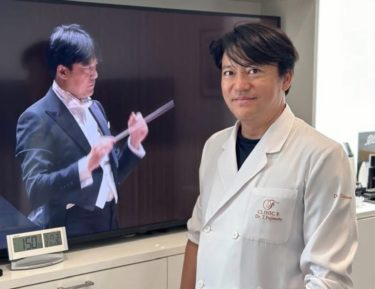
— Anti-Aging Medicine as an Intellectual Companion on the Journey of Life —

In 2000, just as I obtained my board certification and entered a medical graduate program, I founded my first laser clinic and incorporated my company.

For five years before that, I had been working in a university hospital—
like a cog in a wheel that never stopped revolving—
and I began to question that way of life.
At the same time, I could no longer see a hopeful future for Japan’s insurance-based medical system.

I wanted to secure time in graduate school and organize my own thinking—
and that became my true encounter with anti-aging medicine.

Before I knew it, 31 years had passed since I became a doctor.
I have now spent 26 of those years in the field of anti-aging medicine.

For more than a quarter of a century, I have been sitting face-to-face with people.
And when I look back, I realize that what I have been doing was not merely medical treatment.

Rather—

It was something closer to personal consulting.

In anti-aging medicine, patients are not typically ill.
Healthy people come regularly for the sake of their future selves.

And perhaps for that reason,
patients eventually begin talking to me about their lives and their work.

Before long, my role expanded from simply caring for the skin
to being someone who listened to matters of life.

New projects.
Human relationships.
Future career paths.

Beneath concerns about appearance,
there is almost always a question of how one wishes to live.

When I reach that core,
the path I have walked—unexpectedly—begins to serve a purpose.
Medicine, engineering, pharmaceutical science, business administration.

The thinking skills I cultivated through four doctoral degrees intersect in the small space of my consultation room,
and they naturally reveal:

What is this person struggling with?
Where are they getting stuck?
And where is the entrance to change?

The ability to sense.
The ability to notice.
The ability to observe.
Methods for solving problems structurally.
And the methodology for verifying evidence.

All of these live within my daily practice.

That is why my work does not end with applying a laser.
Like quietly lighting a lantern at someone’s turning point,

my role is to provide intellectual companionship
supported by medicine and scholarship.
I feel that this is the true work I have been doing for the past 26 years.

When people hear “anti-aging medicine,”
they often imagine “rejuvenation” or “transformation.”

But my view is entirely different.

Anti-aging medicine is not about turning someone into a different person.

It is guidance that supports the human change
a person is about to step into—
a catalyst that helps their life move forward.

When the skin improves, people gain a bit of courage.

That courage changes their expression,
and that expression, in turn, begins to change their daily life.

— Creating this kind of positive cycle is the true essence of the work.

In an age overflowing with fakes,
what must be polished is not the exterior, but the interior.

When the heart is aligned, the face changes.

And that is the one transformation AI can never produce.

Once again, I am convinced that the essence of anti-aging medicine
lies not in “external transformation,”
but in the intellect and experience that accompany someone through life’s changes.

And so, at Clinic F,
I intend to continue this quiet companionship for years to come.


本当の美について

—視覚と聴覚、そして「本当の美」について——

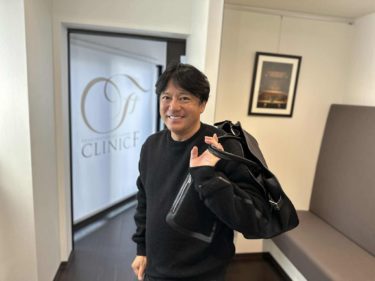
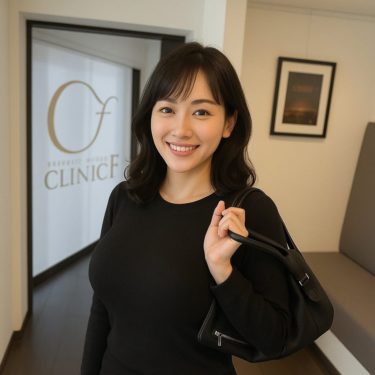
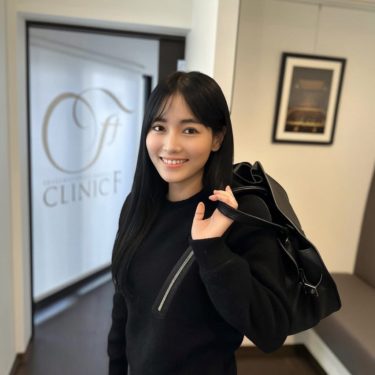
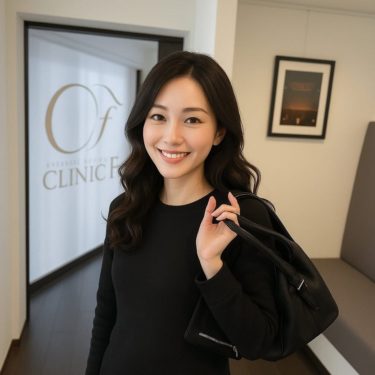
昨日、自分の写真を何人かの女性の姿に変えてみた。

生成AIを使えば、一瞬だ。

画面の中で、まるで別人が微笑んでいる。


——しかし、あれは紛れもない“僕の写真”から生まれた影である。

改めて思う。

この世界は、想像以上にフェイクで満ちているのかもしれない、と。

視覚という感覚は、驚くほど欺かれやすい。

僕たちは「百聞は一見にしかず」と習うけれど、それは結局“経験談”であって、視覚そのものに時間軸はない。

音楽のように始まりがあり、展開があり、終わりがある——そんな“論理構成”を持たないのだ。

だから写真は、一瞬で人を騙せてしまう。

逆に、聴覚には時間が流れ、文脈がある。

音楽は、その文脈の中で感情を動かす力を持っている。

僕が講演でよく話すことがある。

——「素晴らしい絵画だけでは人は泣けない」と。

映画で人が涙を流すのは、画面の裏側に心を揺さぶる“音楽”が存在するからだ。

感動は、音が導く。

このことは、美容にもそのまま当てはまる気がする。

外面的な“キレイ”は、いくらでも加工できる。

角度を変えれば、光を調整すれば、今やAIを使えば誰でも美しくなれる。

しかし——

その先に本当の美はあるのだろうか。

僕はクリニックで日々、さまざまな方と向き合いながら思う。

美しさとは外側の問題ではなく、内側の“状態”が表情となって滲み出たもの。

良い表情は、良い心持ちが作る。

そしてその表情こそが、写真にも、映像にも、そして人生にも自然な輝きを与える。

フェイクがあふれる時代だからこそ、

「磨くべきは、外ではなく内。」

皆さん、学びましょう。

考えましょう。

経験しましょう。

——心が整えば、顔つきは変わる。

その変化だけは、AIにも作れない。

本当の美しさは視覚の加工では生まれない。

内側の状態が整ったときに自然と滲み出るものだ。

今日もまた、そう思いながら

クリニックFの扉を開ける。


— On Sight, Sound, and What “True Beauty” Really Is —

Yesterday, I transformed a photo of myself into the images of several different women.
With generative AI, it only takes a moment.
On the screen, a completely different person seems to be smiling back at me.
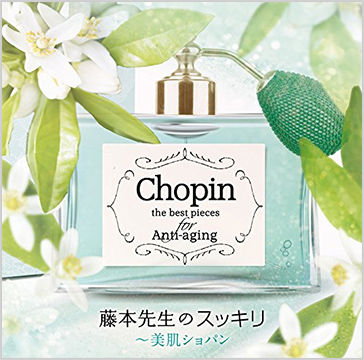
— And yet, that figure is undeniably a shadow born from my own photo.

It made me think again:

This world may be far more saturated with fakes than we imagine.
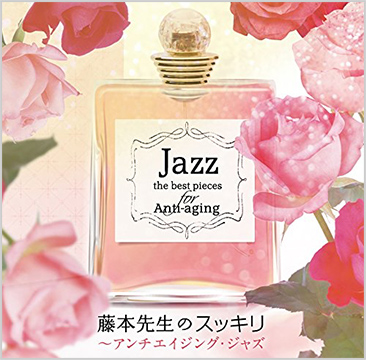
Our sense of sight is astonishingly easy to deceive.

We learn the saying, “Seeing is believing,” but in the end, that’s merely a piece of wisdom—
because sight itself contains no sense of time.

Unlike music,
with a beginning, a development, and an end—
sight has no such logical structure.

That is why a single photograph can deceive us in an instant.

Sound, on the other hand, flows through time. It carries context.

Music has the power to move our emotions within that context.
There’s something I often say in my lectures:

— “A great painting alone can’t make someone cry.”

People shed tears in movies because behind the scenes,
there is music that stirs the heart.

Emotion is guided by sound.

And I feel the same principle applies directly to beauty.

External “prettiness” can be manipulated endlessly.

Change the angle. Adjust the light.
And now, with AI, anyone can look beautiful.

But—

Is true beauty really found beyond that manipulation?

As I face many different people every day at the clinic, I’m reminded:

Beauty is not a matter of the exterior.
It’s something that seeps into one’s expression from the state of the inner self.

A good expression is created by a good state of mind.

And that expression is what gives
photographs, videos, and even life itself a natural radiance.

Precisely because we live in an age overflowing with fakes,

what we must polish is not the outside, but the inside.

Let us learn. Reflect. Experience.

— When the heart is aligned, the face changes.

And that transformation is the one thing AI can never create.

True beauty is not born from visual manipulation.

It emerges naturally when the inner self is in harmony.

With that thought again in mind,

I open the doors of Clinic F today.


THE ROW MARGAUX

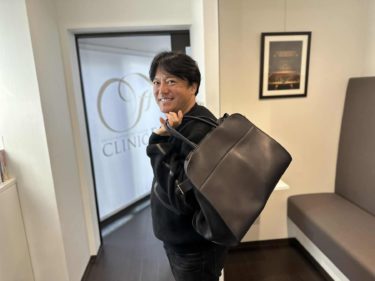
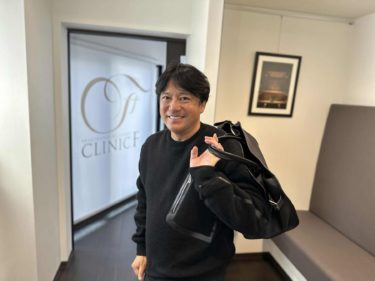
このカバンを使っていたら、思いがけずファッション関係の患者さんから褒められました。人気なのですね。


なんでも入るし、頑丈だし、その割に某ブランドH社やL社よりも軽いので、割と重宝しています。


While using this bag, I was unexpectedly complimented by one of my patients who works in the fashion industry.

It seems to be quite popular.

It holds anything, is sturdy, and despite that, it’s lighter than the well-known H and L brands, so I find it very useful.


クリスマスツリーの光

クリスマスツリーのシーズンですね!

東京も街を歩くと、どこからともなくモミの香りが漂いはじめる季節になりました。

ビルのエントランスに灯り始めたツリーの光が、冬の空気をほんの少しだけ温かくしてくれます。


ヨーロッパの学会を巡っていた頃、12月の街角でよく見かけたのは、木の温度をそのまま残した素朴なツリーでした。


特に印象に残っているのは、ウィーンの市庁舎前で見た巨大ツリー。

周囲が薄明るくなる朝の7時頃、ライトアップが消える瞬間に立ち会ったことがあります。

その“光が落ちる一瞬の静けさ”は、なぜかとても科学的で、心に残りました。

光が消える前と後で、瞳孔反射がどう変わるか。

そんなことを思いながら写真を撮っていると、背後からグリューワインの湯気が流れてくる——

学会帰りの“季節の匂い”には、いつもどこか懐かしさがあります。

医学的にいえば、冬のイルミネーションはメラトニン分泌に微細な変化を与え、「季節性感情障害(SAD)」の患者さんにも影響を及ぼす可能性があると言われています。

けれど一方で、弱い光が心をほぐすという報告もある。

光は、いつの時代も両義的です。

眩しすぎても、足りなくても、人は揺らぐ。

——だからこそ、ツリーの光は「ちょうどいい」。

そんなふうに思える季節になりましたね。

今年はどんなツリーに出会うのでしょうか。


It’s the season of Christmas trees again.

Here in Tokyo, when you walk through the city, you can catch that faint scent of fir drifting in the air—it’s that time of year.


The glow of the trees lighting up building entrances adds just a touch of warmth to the winter chill.

When I used to travel around Europe for conferences, the trees I often saw on the streets in December were simple and rustic, as if they still held the natural warmth of the wood.

One that left a particularly deep impression was the enormous tree in front of Vienna’s City Hall.

I once happened to be there around 7 a.m., just as the sky was growing pale, and witnessed the moment the lights were switched off.

That quiet instant when the light falls away felt strangely scientific—and it stayed with me.

How does the pupillary reflex change before and after the lights go out?

As I pondered that and took photos, a trail of steam from someone’s mulled wine drifted past me from behind — there’s always something nostalgic in those “seasonal scents” on the way back from a conference.

From a medical perspective, winter illuminations can cause subtle changes in melatonin secretion and may even affect people with Seasonal Affective Disorder (SAD).

Yet there are also reports suggesting that gentle light can soothe the heart.

Light has always been ambivalent.

Too bright, or not enough—either way, it stirs us.

—And perhaps that’s why the light of a Christmas tree feels “just right.”

It’s become that season again.

I wonder what kinds of trees we’ll meet this year.


カテゴリー