TakahiroFujimoto.com

HOME MAIL
HOME PROFILE BOOKS MUSIC PAPERS CONFERENCES BLOG MAIL CLOSE

BLOG 藤本幸弘オフィシャルブログ

BLOG|ブログ

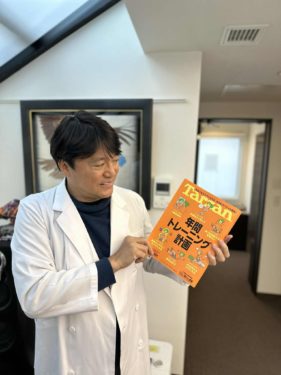
Tarzan 2026年1月22日号

Tarzan 2026年1月22日号。年間トレーニング計画の特集で、食事改善についての取材を受けた誌面が公開されました。宜しかったらご覧くださいね!


Tarzan magazine, January 22, 2026 issue.
A feature on annual training plans has been published, including an interview with me about improving diet and nutrition.
If you’d like, please take a look!


午い

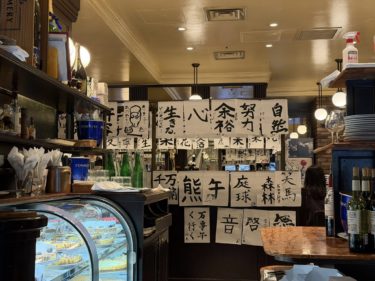
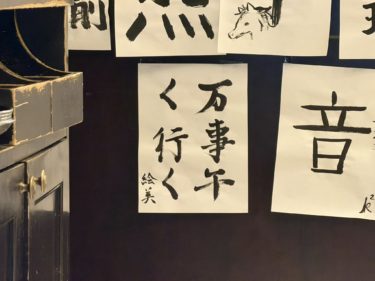
紀尾井町オーバカナルに、午年の書き初めが貼ってありました。


中でも僕が気に入ったのは「万事午く行く」と書いた絵美さんの作品。


午い!


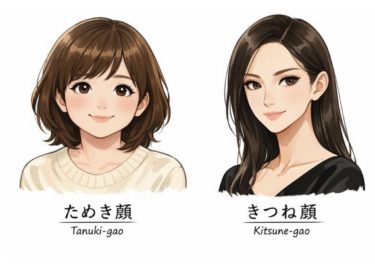
たぬき顔ときつね顔では老化ブレーキが変わる

たぬき顔・きつね顔別「老化ブレーキ」の踏み方 ―その人らしさを壊さない、真の若返りとは
クリニックで日々診療をしていると、同じ年齢でも「老け方」には明確なパターンがあることを実感します。
僕はこれを分かりやすく「たぬき顔」と「きつね顔」という2つのタイプに分類し、それぞれに異なる「老化ブレーキ」を設計しています。
■ たぬき顔:キーワードは「落ちない設計」
狸顔の方は、頬に丸みがあり、目元が優しく、フェイスラインが柔らかいのが特徴です。若い頃は「若見え」するタイプですが、年齢とともに変化の方向性がはっきりしています。
• 老化の方向性: 「落ちる老化」
頬の下垂、ほうれい線の深化、フェイスラインのぼやけなど、重力に従った下方向への変化が目立ちます。
• 老化ブレーキの正解:大切なのは「足す」ことよりも「支える」ことです。
安易にボリュームを足すと、その重みでさらに下垂を助長してしまいます。深部の支持構造を整え、下垂を最小限に抑える「土台の設計」が重要です。
■ きつね顔:キーワードは「痩せない設計」
一方、きつね顔の方は、目が切れ長で頬骨が高く、シャープなフェイスラインが特徴です。
洗練された大人の印象を与えますが、加齢に伴う悩みは狸顔とは対照的です。
• 老化の方向性: 「痩せる老化」
頬のこけ、目元のくぼみ、骨格の主張が強まることによる「削げ」や「疲労感」が目立ちます。
• 老化ブレーキの正解:大切なのは「引き締めすぎない」ことです。シャープさを求めすぎて過度にボリュームを減らすと、かえって老け感を強めます。
適切なボリュームを維持し、皮膚の質感を高める「減らさない設計」が最大のブレーキとなります。
■ 「若い顔を作ること」と「若返り」の決定的な違い
ここで多くの人が陥る罠があります。それは、「若い顔を作ること」と「若返り」を混同してしまうことです。
1. 「若い顔を作る」という上書きの発想
これは、目を大きくする、頬を高くするなど、若年層のパーツを強引に“再現”しようとする手法です。
一時的な変化は大きいものの、自身の骨格とのズレが生じ、表情が不自然になったり、年月とともに違和感(いわゆる整形感)が強まったりするリスクがあります。
2. 「若返り」という調和の発想
私が考える真の若返りとは、その方が本来持っている顔立ち、表情の癖、空気感が、時間に負けずに保たれている状態を指します。
20代の顔を偽造することではなく、「その人らしさが、時間に壊されていないこと」。これこそが本物の若返りです。
■ 結論:変えるのではなく、守る
老化は誰にしても平等に訪れます。しかし、老化の速度を緩め、その質をコントロールすることは可能です。
• 狸顔には「落ちないように支える」
• きつね顔には「減らないように保つ」
自分自身の顔タイプを知り、無理に若作りをして「上書き」するのではなく、今ある良さを「守る」ためのブレーキを踏むこと。
それが、2026年現在のアンチエイジングにおける、もっとも賢く、もっとも美しい選択だと考えています。


How to Apply the “Aging Brake” for Tanuki-Type and Fox-Type Faces

— True Rejuvenation Without Losing What Makes You You

In my daily clinical practice, I have come to recognize that even among people of the same age, there are clearly identifiable patterns in how faces age. To make this easier to understand, I broadly classify facial aging into two types—what I call the “tanuki-type face” and the “fox-type face.” For each, I design a different and appropriate “aging brake.”


■ Tanuki-Type Face: The Key Is Preventing Sagging

People with tanuki-type faces typically have rounded cheeks, gentle eyes, and soft facial contours. In youth, this type often appears naturally youthful, but the direction of change with aging is quite distinct.

• Direction of aging: “Downward aging”
Sagging of the cheeks, deepening nasolabial folds, and a blurring of the jawline are prominent, gravity-driven changes.

• The correct aging brake:
What matters here is not adding volume, but supporting structure. Simply adding volume can increase weight and actually worsen sagging. The key is to rebuild and reinforce the deep support structures—designing a solid foundation that minimizes downward descent.


■ Fox-Type Face: The Key Is Preventing Volume Loss

Fox-type faces, by contrast, are characterized by narrow, elongated eyes, high cheekbones, and sharp facial lines. They convey a refined, mature elegance, but their aging concerns are the opposite of the tanuki type.

• Direction of aging: “Hollowing aging”
Sunken cheeks, hollows around the eyes, and increased skeletal prominence lead to a gaunt or fatigued appearance.

• The correct aging brake:
The most important point is not to over-tighten or over-reduce. Pursuing excessive sharpness by reducing volume too aggressively can paradoxically accelerate the appearance of aging. Maintaining appropriate volume and improving skin quality—a design that does not subtract—is the most effective brake.


■ The Crucial Difference Between “Creating a Young Face” and “True Rejuvenation”

This is where many people fall into a common trap: confusing making a young-looking face with rejuvenation.

1. The “overwrite” approach: creating a young face
This approach attempts to forcibly recreate youthful features—larger eyes, higher cheeks, and so on. While the short-term impact may be dramatic, it often creates disharmony with the individual’s natural bone structure. Over time, expressions can look unnatural, and a sense of artificiality (“the worked-on look”) tends to become more pronounced.

2. The harmony-based approach: true rejuvenation
True rejuvenation, as I define it, is a state in which a person’s inherent facial features, habitual expressions, and overall presence remain intact despite the passage of time.

It is not about fabricating a face from one’s twenties.
It is about ensuring that who that person is has not been eroded by time.
This is what genuine rejuvenation truly means.


■ Conclusion: Protect, Don’t Change

Aging comes to everyone equally. However, it is possible to slow its pace and control its quality.

  • For tanuki-type faces: support so it doesn’t sag

  • For fox-type faces: preserve so it doesn’t diminish

By understanding your own facial type and resisting the urge to “overwrite” your appearance with forced youthfulness, instead applying the right brake to protect what you already have—this, in my view, is the smartest and most beautiful approach to anti-aging in 2026.



作陶展に文章を書きました

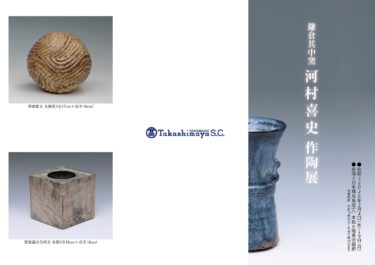
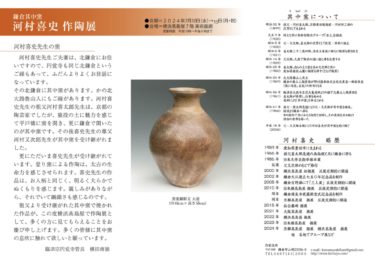
2025年2月4日から9日、日本橋高島屋6階の美術画廊にて河村喜史先生の作陶展が開催されます。
今回大変光栄なことに、先生のご紹介(ご挨拶)文を書かせていただきました。
前回は円覚寺の横田南嶺管長が書かれています。
よろしかったらお読みください。
—————–
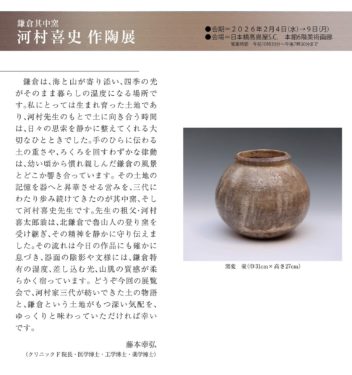
鎌倉は、海と山が寄り添い、四季の光がそのまま暮らしの温度になる場所です。私にとっては生まれ育った土地であり、河村先生のもとで土に向き合う時間は、日々の思索を静かに整えてくれる大切なひとときでした。手のひらに伝わる土の重さや、ろくろを回すわずかな律動は、幼い頃から慣れ親しんだ鎌倉の風景とどこか響き合っています。
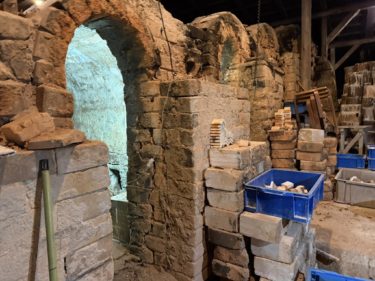
その土地の記憶を器へと昇華させる営みを、三代にわたり歩み続けてきたのが其中窯、そして河村喜史先生です。先生の祖父・河村喜太郎翁は、北鎌倉で魯山人の登り窯を受け継ぎ、その精神を静かに守り伝えました。その流れは今日の作品にも確かに息づき、器面の陰影や文様には、鎌倉特有の湿度、差し込む光、山肌の質感が柔らかく宿っています。
どうぞ今回の展覧会で、河村家三代が紡いできた土の物語と、鎌倉という土地がもつ深い気配を、ゆっくりと味わっていただければ幸いです。
——藤本幸弘(クリニックF院長・医学博士・工学博士・薬学博士)

From February 4 to 9, 2025, a ceramic exhibition by Kawamura Kifumi will be held at the Art Gallery on the 6th floor of Nihombashi Takashimaya. It is a great honor for me to have been invited to write the introductory greeting for this exhibition. On the previous occasion, the text was written by Ven. Yokota Nanrei, Chief Abbot of Engaku-ji Temple. I would be delighted if you would take a moment to read it.


Kamakura is a place where sea and mountains draw close to one another, and where the light of the four seasons becomes the very temperature of daily life. For me, it is the land where I was born and raised, and the time I spent facing clay under the guidance of Professor Kawamura was a precious interval that quietly brought order to my daily reflections. The weight of the clay conveyed through the palms, and the subtle rhythm of the spinning wheel, resonate in some way with the landscapes of Kamakura that have been familiar to me since childhood.

The endeavor of sublimating the memory of this land into vessels has been carried on for three generations at Kichūyo, led today by Professor Kawamura Kifumi. His grandfather, Kawamura Kitarō, inherited Rosanjin’s climbing kiln in Kita-Kamakura and quietly preserved and handed down its spirit. That lineage continues to breathe unmistakably in the works of today: in the shadows and patterns on their surfaces dwell, with gentle presence, the humidity unique to Kamakura, the light that filters in, and the textures of its wooded hillsides.

I hope that in this exhibition you will take your time to savor the story of clay woven by three generations of the Kawamura family, together with the profound atmosphere that the land of Kamakura itself holds.

Takahiro Fujimoto, MD, PhD
Director, Clinic F
Doctor of Medicine, Engineering, and Pharmaceutical Sciences


1月18日作陶教室のお知らせ

1月18日日曜日 作陶教室のお知らせ
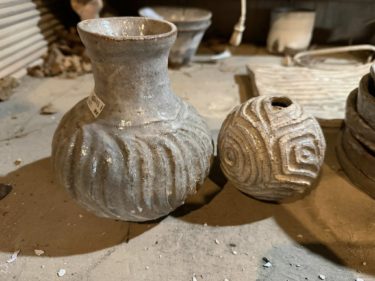
昨晩は、北鎌倉にある魯山人の登り窯を継承する河村喜史先生の其中窯へ、昨年後半に作った自分の作品たちを迎えに行ってきました。
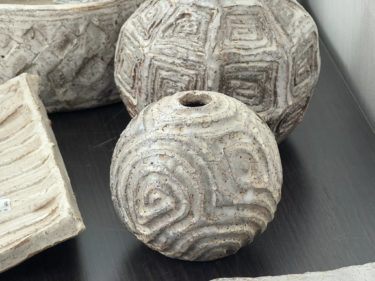
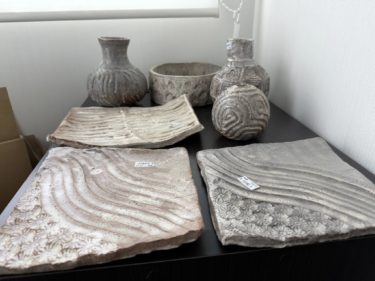
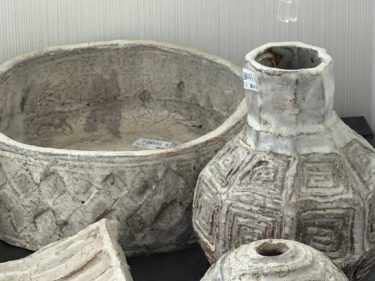
新聞紙に包まれた器を、今朝クリニックでそっと開いてみると、窯から出た直後とはまた違う表情が立ち上がってくる。
光の入り方、空間、置かれる場所によって、器は驚くほど語り始めます。
――やはり、作陶は楽しいですね。
【作陶教室のご案内】
来る 1月18日(日)、半蔵門の ゴルフ医科学研究所 にて、河村喜史先生による 作陶教室 を開催します。土に触れ、形をつくり、焼成を経て初めて立ち上がる「用の美」。日常とは異なる時間軸に身を置く体験は、感覚を静かに整えてくれます。
作陶時間:約2時間
13:00〜
16:00〜
参加費:1回 20,000円 カード支払い可 領収書有り
制作数:最大 2作品まで
対象:初心者歓迎 小学生でも参加できます
現在、まだ参加者募集中です。
ご興味のある方は、ぜひこの機会にご参加ください。
メッセージいただければ、1月18日作陶スレッドにご招待します。
器は、使われて完成する。
そして、作る時間そのものが、すでに豊かな体験です。

Pottery Workshop Announcement

Sunday, January 18

Last night, I visited Kichuyo kiln, run by Mr. Kifumi Kawamura, who carries on the tradition of Rosanjin’s noborigama (climbing kiln) in Kita-Kamakura, to pick up the pieces I had made in the latter half of last year.

When I gently unwrapped the newspaper-covered vessels at the clinic this morning, they revealed expressions quite different from those they had immediately after emerging from the kiln.
Depending on how the light falls, the surrounding space, and where they are placed, the vessels begin to speak—surprisingly vividly.

—Yes, pottery-making truly is a joy.


Pottery Workshop Information

On Sunday, January 18, we will be holding a pottery workshop led by Mr. Kifumi Kawamura at the Golf Medical Science Institute in Hanzomon.

Touching the clay, shaping it by hand, and allowing it to fully emerge only after firing—this is the beauty of utility (yō no bi). Spending time within a rhythm different from everyday life quietly recalibrates the senses.

Workshop details

  • Duration: Approximately 2 hours

  • Sessions:

    • 1:00 PM –

    • 4:00 PM –

  • Fee: ¥20,000 per session

    • Credit cards accepted

    • Receipts provided

  • Number of works: Up to 2 pieces per participant

  • Eligibility: Beginners welcome; elementary school children may also participate

We are currently still accepting participants.
If you are interested, please take this opportunity to join us. Send me a message, and I will invite you to the January 18 pottery thread.

A vessel is completed through use.
And the time spent creating it is already, in itself, a richly rewarding experience.


カテゴリー